Gabriel Keller – Clair Obscur, 2022 Tracks: Tumulte (3:29), Time (5:01), Train To Resolution (4:27), Open Arms (5:13), Melancholia (3:50), Sonate Au Clair Obscur (6:42), Nothing Human (5:35), Out Of My Life (6:51), Honey (4:45), Acclamie (2:59)
We’re back into our mini series of reviews of French progressive rock albums, and today’s album has been my favorite of the batch. Gabriel Keller’s Clair Obscur has a range of influences, from the Beatles and Pink Floyd to Porcupine Tree and Opeth. The album features four different vocalists, each of whom wrote their own lyrics in their language of choice (English and French). There are three different guitarists and a host of stringed and blown instruments as well.
The first half of the album leans more on the pop influences, much influenced by Emi B’s smooth and clear vocals. The lyrics touch on struggles of love in difficult circumstances. The melodies on these tracks (“Time,” “Train to Resolution,” and “Open Arms”) are very catchy and very memorable. The melancholic pop of “Open Arms” makes a nice transition to Charlotte Gagnor’s appropriately entitled track, “Melancholia.” The French lyrics and Gagnor’s voice create a haunting atmosphere that is beautifully supported by strings and the occasional Gilmour lick from Keller’s guitar.
As the album moves along, it gradually gets heavier until it is solidly in progressive metal territory by “Honey.” One might think the differences in style across one album would be jarring, but the gradual shift as it goes makes it work really well. Even though there are four different singers with four different styles of writing, and thus varying lyrical themes, the album feels very cohesive. That’s a testament to Gabriel Keller as a musical writer.
The instrumental opening track sets the stage nicely, giving the listener a flavor of what’s to come: guitar-driven rock with spacey backgrounds and layered sounds with varying levels of heaviness. Similarly, the instrumental closing track helps the listener decompress after the album gradually ascended the mountain of rock.
The variety of instrumentation also set this album apart. “Sonate au Clair Obscur” demonstrates the layers to be found on this record. It’s a longer primarily instrumental piece complete with stringed quartet, piano, and varying styles of guitar. It starts off quieter before gradually moving into heavier and more complex territory. The strings take on a more abrupt pace, complementing the growing heaviness of the guitar tone. There are some lyrics in the song, but they are more like backing vocal tracks with the music taking center stage. This track is really about the music.
“Nothing Human” is the closest to Porcupine Tree that we get on the record. The mournful guitar playing in the back of the mix behind Maïté Merlin’s vocals. The guitars have a heavy crunch throughout, especially in the chorus. My only beef in this song comes from pronunciation on a particular vowel in the word “winner,” which repeats in the chorus. In French and English, the letters “i” and “e” are pronounced opposite from each other. As such, the way Merlin pronounces this word in English comes out a bit differently than intended. I’m immature so I found it funny, which clearly isn’t the intent of the song. Honestly, that is the only complaint I have with the record – I’m grasping at straws for that. The song is great. The heaviness is well-balanced by Merlin’s vocals.
This record has certainly grabbed my attention over the several months I’ve had it (yes, yes, I know, I’m slow at reviewing and I have a backlog), so much so that Clair Obscur will find its way into my year-end best of list. The songs are memorable, and they draw you in with each listen. The stylistic variety on the album works well because of how the album is arranged. It gradually builds by the end leaving you wondering how you got to where you ended up. If you’re looking for an album to take you on a journey through realms of melancholic pop and hard rock crunch, put Clair Obscur on your list.
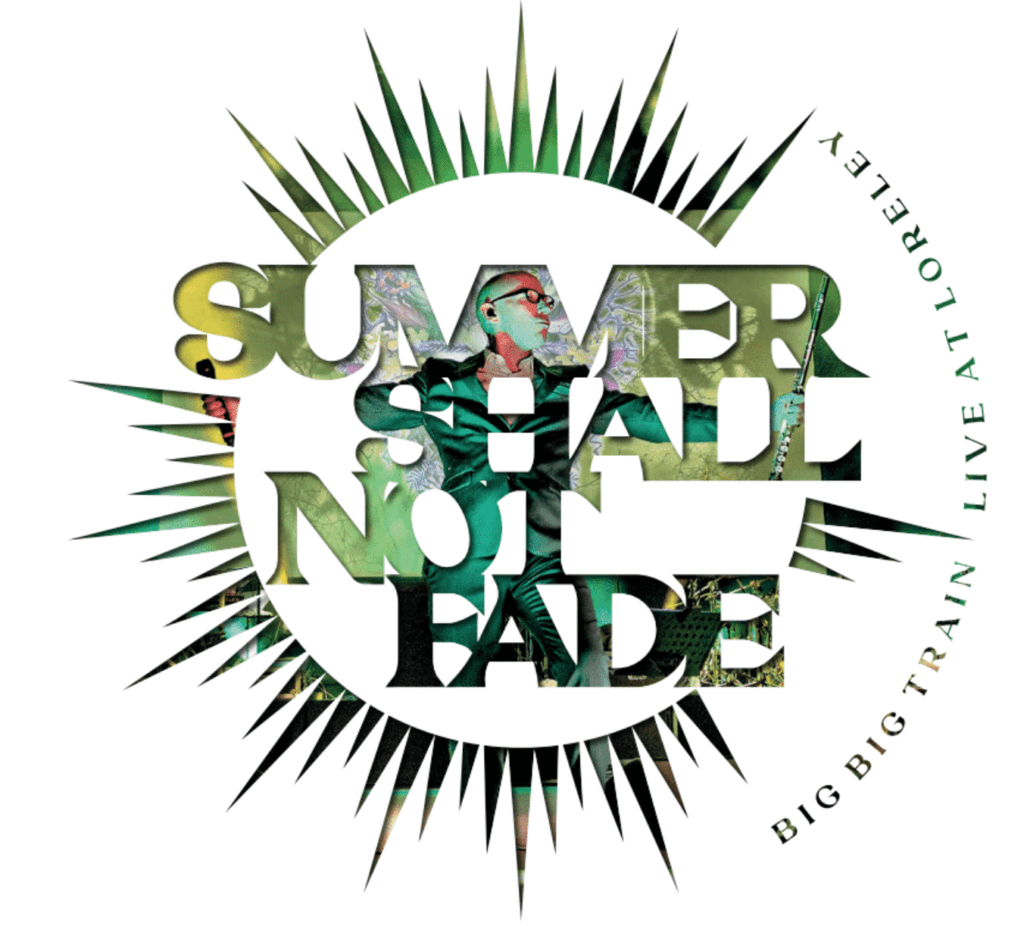
Big Big Train, Summer Shall Not Fade: Big Big Train Live At Loreley, 2022 (concert recorded July 13, 2018), Blu-Ray/2CD Tracks: The First Rebreather, Folklore, A Mead Hall In Winter, Kingmaker, Summer’s Lease, Brave Captain, Prelude and Fugue, Judas Unrepentant, The Transit of Venus Across the Sun, The Permanent Way, East Coast Racer, Drums and Brass, Wassail
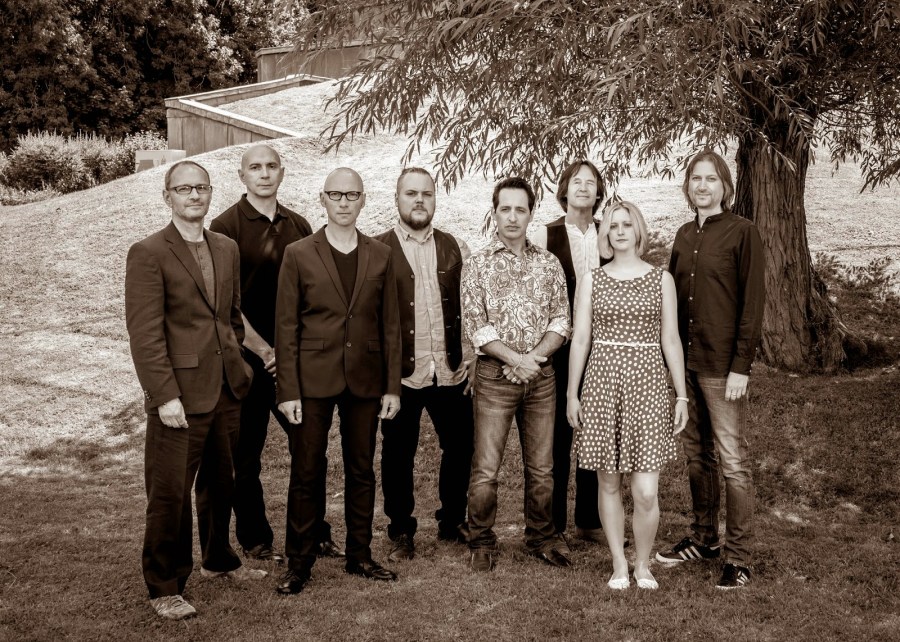
Big Big Train never cease to amaze me. While this release has been out for a couple weeks now, I’ve just gotten time to sit down and enjoy the band’s latest live recording, Summer Shall Not Fade. The live show marks the band’s first time playing in Europe, at the prestigious Night of the Prog festival in Loreley, Germany on July 13, 2018. It also marks a closing of the curtain for what I consider to be the band’s “classic” lineup. Sadly, David Longdon passed away just under a year ago, and Dave Gregory, Danny Manners, and Rachel Hall all left the band in 2020. With everyone present, this show really finds the band at their peak.
Musically, this show sounds good enough to be a studio recording. There may be a few hiccups, but they are indeed few and far between. Be it Nick D’Virgilio’s intricate and soulful drumming, Rikard Sjöblom’s rocking Hammond and guitar, Dave Gregory’s shredding… I could go on. They all sound great.
One of the things that really stands out to me in this performance is how David Longdon really came into his own as a frontman. Since the show was at an outdoor festival, the stage was pretty big, allowing this Big Big Band to spread out more than in their other live recordings. There is also a small runway, which allowed Longdon to get out closer to the audience. Rachel Hall even used it at one point during “A Mead Hall In Winter.”
An example of Longdon’s showmanship appears during the first track, “The First Rebreather,” when he breaks into maniacal laughter after the lyrics, “This man will walk into darkness / Without fear of what lurks in the shadows.” The editor of the Blu-Ray zooms the view in on David’s face, which is lit with red light. It also appears like his head gets bigger, exaggerating the impact of his disturbing laughter. It’s a small moment, but it brought a whole new element to the song, bringing the terror of the darkness to the forefront.
The performances themselves are stellar. D’Virgilio is ever the champ on the drum kit, as well as with his backing vocals. Danny Manners shined on the instrumental “Prelude & Fugue” leading up to “Judas Unrepentant.” It’s a nice way to remember his time in the band. Dave Gregory, who also left the band in 2020, shines throughout with his guitar-work. His work will certainly be missed moving forward, although I have full faith in Rikard Sjöblom and Dave Foster.
Speaking of Rikard, he was so much fun to watch. His Hammond solo in “A Mead Hall in Winter” demonstrates his importance in this band, and watching him headbang during “East Coast Racer” was total fun. Since Longdon’s tragic passing, I’ve come to see that the new core of the band moving forward is Greg Spawton, Nick D’Virgilio, and Rikard. Obviously the others will (and already have) contribute, but these will be the mainstays (I hope).
Rachel Hall also really came into her own as a performer in this show. She was connecting really well with the audience, and her vocals and violin added a lot to the overall sound.
The visuals on the recording are quite good. At the beginning of the show, the stage was poorly lit by the passing light of day (I know, I know, wrong band reference), causing the camera-work and editing to look somewhat amateurish. This went away a few minutes in after the sun fully set, allowing the stage lighting to bring a professional feel to the performance. The editor also made good use of cuts and split screens without making the show feel overworked. It all felt natural, especially with how they were able to include shots of the large screen of images behind the band.
The audio is stellar, especially for an outdoor venue. That’s either a credit to the mixing crew during the show or to Rob Aubrey in the mixing booth in preparation for this release – or both as I believe Aubrey handles mixing for their live shows as well. I haven’t heard the 5.1 mix since I sadly don’t have that setup, but the stereo mix sounds great. Both Gregory Spawton’s intricate deep end and the crystal-clear high end of the brass sound wonderful, and most importantly, they sound clear.
Summer Shall Not Fade is an excellent performance from the definitive and now lost lineup of one of the most important bands in the progressive music scene today. Any progressive rock fan should certainly give this a look, but fans of well-composed and expertly performed music should also take note. While it’s sad to say goodbye to Longdon, as well as the other members of the band who have left, I’m happy we get this live album to remember this chapter in the band’s memorable history.
For your ease and reading pleasure, I decided to compile all the links to Progarchy’s 10th anniversary posts into one post. We had a lot of fun writing them, and I hope you have enjoyed this look back at the last ten years in prog. Here they are in the order they appeared:
Progarchy’s Artists of the Decade: Neal Morse and Mike Portnoy (This one had the most views over the course of a couple days that we’ve had in years, thanks to Mr. Portnoy sharing it on his social media. It’s a great rundown at the sheer volume of music these gentlemen have produced over the last ten years.)
As we wind down our month-long celebration of Progarchy’s tenth birthday, we bring you our pick for the band of the decade – Big Big Train. For long term readers, this pick should come as no surprise. The original inspiration for this website came from a love and appreciation for Big Big Train and what they were doing.
To celebrate this Big Big Band, Progarchy’s editors (Chris Morrissey, myself, and Rick Krueger) have each written short essays that we hope touch on the band’s brilliance and importance in the progressive music scene today.
Chris Morrissey A Grand Decade of Big Big Train: Reflections from Progarchy’s Resident Time Lord
It was the band’s freely offered download of “The Underfall Yard” that exercised a magnetic pull on so many potential listeners to Big Big Train. And then, once the track was downloaded and digested, those explorers were hooked for life.
That was back in 2009. For me, it was the magic of David Longdon, now added to the band, that pushed their work into the upper echelon of prog artistry.
And then, for me especially, “The Wide Open Sea” track on the Far Skies, Deep Time EP (2010) offered further proof that this was a band destined for eternal greatness.
And then the grand decade of Big Big Train ensued, from 2012 to 2022, which saw them soar ever higher. No wonder, then, that Progarchy.com came into co-existence, and rode along as prog passengers, chronicling this glorious time in prog music history
Big Big Train has been the engine drawing us all forward. It’s been an honor to track their musical arc here at Prograchy.com for the past ten years of glory.
Thank you, everyone, for celebrating this, during our site’s anniversary month of Progtober, which has included celebration of the decade’s top albums, and also its top artists: Hackett; Wilson; and Morse & Portnoy.
I urge you now to kick back, take time off, and play through BBT’s back catalogue.
To help further your enjoyment of these happy musical memories, I point you to the wide collection of commentary which I have authored that resides here in the Progarchy archives:
As you can infer from the above, The Underfall Yard (2009), Far Skies Deep Time (2010), English Electric Part One(2012), English Electric Part Two (2013), Folklore (2016), and Grimspound (2017) are the six albums that will always be my favorite BBT albums.
I was mildly annoyed when BBT again reworked material on The Second Brightest Star (2017) since it seemed to confirm some of my earlier misgivings. In retrospect, I see my complaints did not adequately take into account the sheer generosity of the band, a band which was being kind enough to admit us into the inner sanctum of the artist’s musical process. Musical excellence is always a work in progress—by constantly being workshopped and refined. I see now that BBT’s superabundant dynamism was something to celebrate, rather than quibble too much about.
I confess I took them for granted in the past few years, only to be shocked by David Longdon’s untimely death. Now I find myself returning to their superb recent albums that I didn’t appreciate enough to write about adequately on Progarchy.com: Grand Tour (2019), Common Ground (2021), and Welcome to the Planet (2022).
Over the past decade, if I had to pick a “top ten” list of ten albums that we editors of Progarchy could collectively designate as our officially designated and editorially endorsed canon, then I would simply gesture to the ten BBT albums I have just named above. I suspect my bandmates would agree.
—Chris “Time Lord” M. (on drums), who dedicates these BBT-focused musings on the grand decade (2012–2022) with gratitude to: Bryan M. (on lead guitar); Rick K. (on organ and keyboards)
Bryan Morey “Following a Dream of the West”
I discovered Big Big Train back in 2013 with English Electric: Full Power. I was blown away, and I still am. A bit later I dug into The Underfall Yard, and then Folklore came out and I was really hooked. Ever since, their albums – both live and studio – have been at or near the top of my yearly best-of lists. They have always remained true to the nature of progressive music by mixing in splashes of folk, pastoral themes, haunting brass, and even pop.
We’ve talked about all that at length over the years here at Progarchy. I want to talk briefly about why I think Big Big Train matters so much, beyond merely the brilliance of their music and lyrics.
Big Big Train stand for something much bigger. They stand, to steal from their own lyrics, for “science and art / And beauty and music / And friendship and love.” In a world that shuns anything connected to the past or tradition, Big Big Train have managed to embrace both that and hope for the future. They recognize the need for both, which is what the Western tradition has always been about. We take what is good from the past and use it to guide our steps forward. And we also learn from the mistakes of the past to influence our way forward.
Big Big Train recognize that “The poets and painters and writers and dreamers” matter. Without them, the world becomes a dull, dreary, and despotic place. Big Big Train represent the poets, painters, writers, and dreamers in their work.
The lyrics of Gregory Spawton and David Longdon are poetry of the finest order. The paintings of Jim Trainer and Sarah Louise Ewing have been some of the finest album artwork of the last twenty years.
As writers, of course their lyrics, but also the liner notes they have included with some of their albums. The original issue of English Electric: Full Power is particularly wonderful in this regard, in addition to having some of the finest packaging of any CD released in the last decade. They showed us how even the humble CD could be presented in a beautiful form one would be proud to display on their shelf.
And dreamers… how could a band that writes about everything from King Alfred the Great to a hero carrier pigeon be anything but dreamers of the highest order?
In doing all this, Big Big Train have inspired us listeners to do the same. I’m inspired to be a better writer when writing about them or any other band. I’m inspired to practice watercolor painting. I’m inspired to dream about the good, true, and beautiful. Few other bands draw me into the sublime the way Big Big Train routinely does. For that, I name them the finest band of not just the decade, but this century.
Rick Krueger
Despite Prog Magazine’s consistent championing of Big Big Train, I managed to resist their appeal until 2016. Searching for a musical mood enhancer one afternoon at work, I came across From Stone and Steel on Spotify.
Any number of things about that set were appealing: the bracing tightness of the band, David Longdon’s adventurous vocals, the scenarios and soundscapes BBT conjured up. But it was the brass that got me. When they slammed into the choruses of “The Underfall Yard” and the lead trumpet soared heavenward at the end of “Victorian Brickwork”, I was hooked! I had to hear more.
Folklore was just out, so I grabbed it ASAP and loved it. Ditto for the back catalog, including my favorite to this day, English Electric: Full Power. And to cap it all off, I ordered the Stone and Steel Blu-Ray via BBT’s website.
Only when I got it, the thing wouldn’t play – due to technical issues with my Blu-Ray player that had already caused fellow fans in the USA headaches aplenty. What to do? Enter Big Big Train’s amazing Facebook group, better known as the Passengers. With an enthusiastic welcome and all the kindness in the world, they steered me toward both a downloadable version of the video and a Blu-Ray player that would play S&S. I was so moved, I figured out how to burn the download version to DVD and shared instructions for doing so with the group – gathering kudos even from band members!
This was a band and a fandom where you could feel at home, and I started proclaiming the wonders of BBT to anyone who would listen. When a friend saw Sarah Ewing’s Folklore-era band portrait functioning as my laptop’s background screen, he said, “I need to introduce you to another friend of mine – he writes for this website called Progarchy.”
Which is how I started here, five years ago. Since then, I’ve followed the ups and downs of Big Big Train’s career with all of you. I’ve delighted in hearing them break new musical ground with every release; my wife and I were thrilled to get BBT tickets in early 2020, then disappointed when that trek became The Tour That Never Was; I had the privilege of interviewing the late David Longdon in the summer of 2021, as he touted Common Ground and eagerly anticipated the long-delayed Stateside tour. In the wake of his death, even as that interview reached a worldwide audience via a link from The Guardian, all of these thrills , ever so briefly, seemed completely hollow.
But in line with Longdon’s wishes, Big Big Train perseveres, and we are the better for it. Their unique blend of pastoral atmosphere, historical narrative, mellifluous harmony and hypermodern groove is moving forward, with Alberto Bravin fronting the band onstage this fall and new music promised for 2023. Saluting them as Progarchy’s Band of the Decade, I can only say, long may their journey continue!
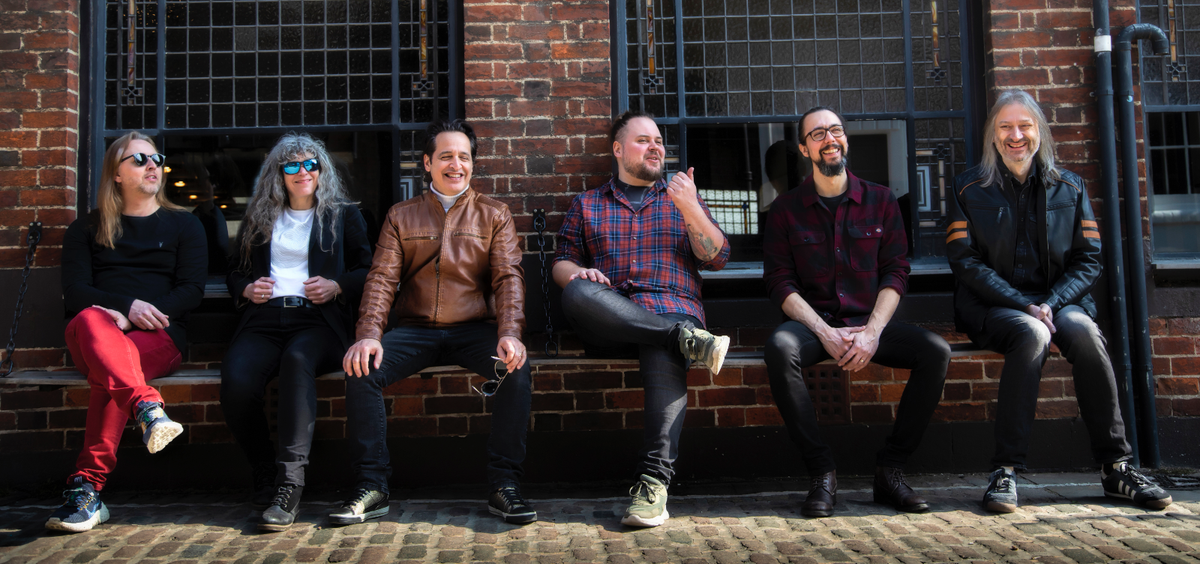
Renaissance The Legacy Tour 2022 Keswick Theatre, Glenside, PA 10/21/2022
Guest concert review by Bob Turri
The crowd was mostly made up of boomers, but there was a fair amount of young people there, maybe accompanying their boomer parents who turned them onto Renaissance. The Renaissance Orchestra played behind a clear-walled partition and the band consisting of two keyboard players, acoustic guitar, electric bass, and drums came on first together, the band played in front of the orchestra who were on an elevated platform.
Annie Haslam strolled out at some point to a thunderous welcome in a flowing floral dress and immediately broke into the first song, but it sounded like there was something wrong with the microphone as her voice crackled. After the song ended, she motioned to the soundman off stage to fix the sound and he or she did. The audience immediately started shouting out song titles which were met by an emphatic no from Annie Haslam multiple times. I began to wonder if she planned to play any Renaissance songs. Her voice still majestic after all these years was quite capable of hitting all the notes, but sometimes the force was lacking. There were a few glitches, band starts and stops, and she was reading some of the lyrics from printed pages, not that surprising considering her septuagenarian status.
Was the band unrehearsed, tired, I’m not sure. Annie provided lengthy intros to most of the songs, giving a background for songs I did not recognize from her solo career or collaborations with other artists. She did sing a song from the “Intergalactic Touring Band” that true prog fans would have in their collections on Passport Records. Anthony Phillips from early Genesis fame played guitar on the cut from the album she sang.
After an opening set the band took an intermission which seemed longer than 20 minutes and Annie came out in a new outfit, made by a dress designer friend, and proceeded to play more solo and collaborative works and in my estimation not enough Renaissance material. Most of the Renaissance songs played were from the “Turn of the Cards” album.
Towards the end of the second set the band members and orchestra were introduced. Annie quickly pointed out that this was done in the wrong order and introduced the last song, “I Think of You,” as the encore. Strange. The band and orchestra took a bow together and the lights came on.
One comment about the Keswick Theatre in Glenside, PA. It’s great that there is a local suburban Philadelphia based theatre that hosts prog acts and many other genres of music and even comedy acts. The seats have never been upgraded for as long as I’ve been attending concerts, which could be close to 40 years. Yes, they would encounter a loss of revenue if they had to shut down completely for a few months, but they would be doing the community who has supported them all these years a huge service by doing so, especially the audience members who have bad backs.
As we here at Progarchy continue to celebrate our tenth anniversary, we’re moving from talking about our favorite artists of the decade to our favorite albums. Since 2014 I’ve compiled a “best of” list highlighting my favorite music of the year. Looking back, I still stand behind my lists because they represent where I was with music at the time. But now as I look back and try to compile a top ten for 2012-2022, my list looks a little bit different. The following list reflects my views and tastes regarding the last ten years as they sit right now. It’s all very fluid and subjective.
But enough blathering. On with my top ten. The only limit I put on myself was I didn’t want to repeat artists, because otherwise it would all be Big Big Train or Neal Morse and Mike Portnoy. Limiting myself to one album from each of those artists was difficult, but I’ll steer you back to my yearly best of lists at the end of the article, for those artists abound in those lists.
[Headline links, for those that have them, link to Progarchy reviews, articles, or interviews associated with the album.]
10. Pain of Salvation – In The Passing Light Of Day (2017)I missed this album when it came out, although I remember reading about it in Prog magazine. I came to appreciate Pain of Salvation with their 2020 album, Panther, which was my top album of the year. I finally started to dig into their back catalog this summer, and I’ve been blown away. In The Passing Light Of Day is a brilliant tour-de-force of emotions. Some of the lyrics I think are too sexually explicit, which is primarily why I rank it at number 10 and why I almost kicked it off my top ten. But the music and melodies are so good, and most of the lyrics are incredibly profound. I also think Ragnar Zolberg brought a lot to the table and was a great balance to Daniel Gildenlöw.
9. The Neal Morse Band – Innocence and Danger(2021) It was hard to pick one of the MANY albums made by Neal Morse and Mike Portnoy over the past decade. They’re all just so good, so I took the easy way out and picked the most recent. I think this is the most well put-together of all the Neal Morse Band albums. “Beyond the Years” is one of the finest pieces of music to come out of the last several years.
8. TesseracT – Portals(2021) Portals is a brilliant album. It is unique on this list for being a live release, but it is also unique for being a live-in-studio release – a product of the pandemic. I suppose that’s why I don’t rank it higher on this list, but I’ve been listening to it a ton since it came out. I even broke down recently and bought the fancy deluxe CD/DVD/Blu-ray edition. I think most of the tracks on here sound better than they do on the original albums. The album also introduced me to the band, as well as to the world of djent. The way the band blends djent riffs with Floydian spacey motifs is just perfect. One of the finest bands in the world right now.
7. Haken – The Mountain(2013) I go in spurts when listening to Haken (like I do with many bands). The Mountain has a magnificent blend of metal with splashes of 70s golden age prog. Songs like “Atlas Stone,” “The Cockroach King,” “Falling Back to Earth,” and “Pareidolia” have become prog metal classics, in my book. I’ve come to think Haken isn’t as compelling in their quiet tracks as bands like Riverside of TesseracT, but this entire album is still very listenable nine years later.
6. Marillion – F.E.A.R.(2016) Marillion’s F.E.A.R. was my introduction to the band, and I’ve thoroughly enjoyed diving back into their catalog. I’d have to say I think this is one of their best with Hogarth. Their latest album, “An Hour Before It’s Dark,” comes very close to it, but “Reprogram the Gene” knocks it down a peg for me. F.E.A.R. combines musical prowess with cultural critique to wonderful effect, even if I may disagree with Hogarth at points.
5. Riverside – Shrine of New Generation Slaves(2013) I had a hard time deciding which of Riverside’s three studio albums from the past decade to choose. Love, Fear and the Time Machine and Wasteland are both brilliant, and if I had allowed myself to choose multiple albums from the same artist in a top ten, Wasteland would probably be here too, but I think Shrine edges both of them out. It’s heavy, both musically and lyrically. Several of the songs turn into real earworms for me, and I’m never disappointed when I return to this record. And it’s another one on this list that I discovered several years after its release.
4. Oak – False Memory Archive (2018) Oak is my favorite new band of the last decade. Both their 2013 (2016 release on CD) album Lighthouse and 2018’s False Memory Archive are brilliant albums, if not perfect. This record was my top album of 2018, and Lighthouse was my top album of 2016 (I didn’t realize at the time it had been released digitally earlier). The Norwegian melancholic aesthetic is dripping from both albums. It was hard to pick one of the two, but the closing track on False Memory Archive, “Psalm 51,” is one of the finest album closers I’ve ever heard. I think that gives this record the edge.
3. Devin Townsend – Empath (2019) I was blown away by Devin Townsend’s Empath when it came out – so much so that I bought the 2CD deluxe version that year and the super deluxe version when Inside Out funded that project the next year. The record masterfully blends all the aspects of Devin’s career into a truly unique and truly Devin experience. It has the heavy bombast of Strapping Young Lad at points, yet it’ll soar into orchestral and even operatic highs elsewhere – or even at the same time. Pure musical theater in the best way. Devin’s vocal performance on “Why?” is stunning, and the message of hope on “Spirits Will Collide” is always a pleasant reminder that life is worth living. The production side of things, with Devin’s famed “wall of sound,” is unmatched in his career, or anyone else’s for that matter.
Here we come to one of the truly great albums of our time. I would certainly rank this in a top 10 best albums of all time. Back in 2015, this album was my number 3 pick, with The Tangent’s “A Spark in the Aether” coming in at number 1. Now I still think that’s a great record, and I wrestled with whether or not to include it in my top 10, but I think over time Wilson’s masterpiece has proven to be a generational album. Both the music and the story sound fresh, even seven years and many listens later. The themes of isolation and loneliness in city life (or life in general) will always be relatable. Someone 100 years from now could listen to this record, and while they may miss some of the references (even I still miss some of them), the underlying theme will still connect. That’s what places this record up there with the likes of Pink Floyd’s The Wall.
1. Big Big Train – English Electric: Full Power(2013) The defining band and defining album for the last decade of prog. Looking back, this record was the one that got me into the contemporary progressive rock scene. Returning to it today is a special treat, as I hope it always will be. It contains everything you might want out of a quintessentially “English” progressive rock band. It has the rock, the folk elements, the complex musicality, the well-told stories. And then there’s David Longdon’s voice, showing us his command of the material and his command of the upcoming several years in the prog scene. When I traveled to England in 2015 (which to me felt like a longer distance between its release than it feels between now and that visit – it’s weird how your perception of time changes as you grow older) I really wanted to listen to this album while being out in the hedgerows and fields. I can still remember sitting on a bus traveling between towns listening to English Electric (I wrote more about this in a piece back in 2016). There are a lot of good emotions connected to this record for me. But beyond that, Big Big Train showed us all that they were THE powerhouse in the new generation of prog bands. They were who all the younger bands were going to look up to for the next decade, and they did it all themselves. Sure, the journey began when Longdon boarded back in 2009 for The Underfall Yard, but English Electric was where they really picked up steam. Every album since has been magnificent, with many topping my best of lists in the ensuing years, but this one will always be the quintessential Big Big Train album for me.
As a coda to this review of the past decade in the best of prog, I want to give you the albums I picked as my favorites for the years 2014-2021 (I didn’t start my best of lists until ’14). I’ll include links to those lists as well. I find it interesting how I’ve “discovered” albums and bands even within the last year that have soared up my list, even if I missed them when they came out. Better late than never.
2014 – Flying Colors – Second Nature – I saw them live right after this was released. It’s a great record and a great band, but the poppier edge doesn’t stick with me as much as the records on my list above do.
2015 – The Tangent – A Spark in the Aether – I shared above how Wilson’s Hand. Cannot. Erase. has grown in my estimation. I still think this is one of The Tangent’s finest records.
2016 – Oak – Lighthouse – Even if its original release was 2013, this record still dominated my listening in 2016 and was my album of that year.
2017 – Big Big Train – Grimspound, The Second Brightest Star, London Song, Merry Christmas EP – Enough said. Brilliant band. Brilliant music. Brilliant year for them.
2020 – Pain of Salvation – Panther – I still think this is a great album. I listened to it yesterday at work, in fact. It was my intro to the band, and maybe I was shocked by how different it was from everything else I had been listened to in the genre. I’d still rank this record extremely highly, but I don’t know if I would put it at the top of the list if I were making a 2020 list today.
2021 – Big Big Train – Common Ground – What can I say? I like Big Big Train.
Thanks for reading through all this. If you’ve been a prog fan throughout this past decade, I hope this brought back some good memories. If you’re new to prog, consider every album mentioned in this post as your homework over the coming weeks. Prepare to be blown away.
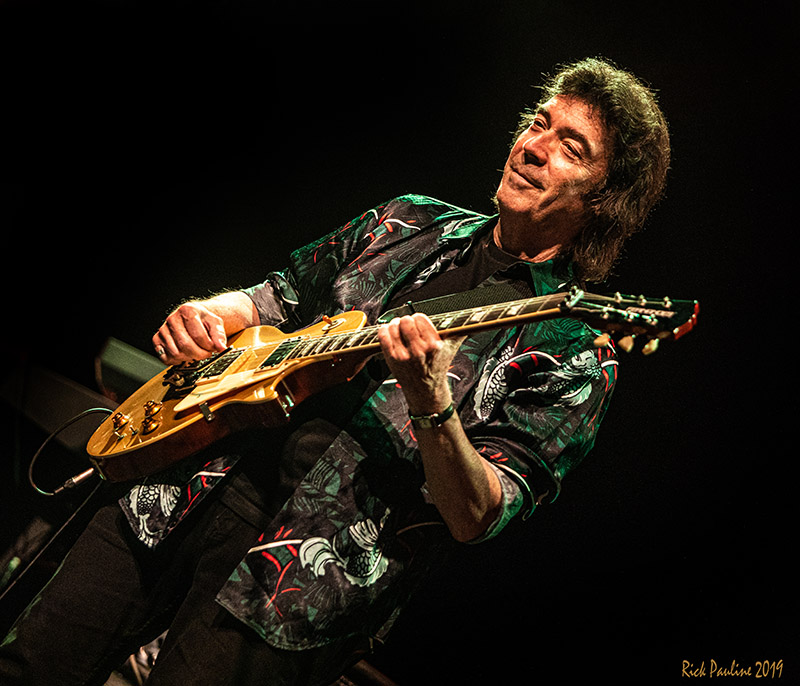
In pondering ways to celebrate Progarchy’s tenth anniversary, Steve Hackett was one of the first names that came to mind when thinking about top solo artists in the progressive rock world over the past decade. Of all the artists and bands from the “golden age” of progressive rock still hitting the touring circuit, Steve Hackett and Yes stand out in terms of output and the quality of live performances. What pushes Hackett into the lead, in my opinion, is the stellar solo material he has released over the past ten years in addition to the magnificent “Genesis Revisited” live tours and live albums. Other artists in the contemporary scene may have more of a direct influence on the prog scene today (I’ll leave it to my friends here at Progarchy to talk about some of them), but Hackett has been a shining example of someone who both embraces his musical past while still exploring new musical territory in an engaging way.
It all started back in 2012 with the release of Genesis Revisited II, a double album of Genesis songs and a few Hackett solo tracks re-recorded by Hackett and a revolving cast of top-tier progressive rock artists. The subsequent live tours and live albums (Live at Hammersmith, 2013; Live at the Royal Albert Hall, 2014) showed that audiences were hungry to hear Genesis’ classic catalog in a live setting with an original member of the band. The following years have seen five more live albums and as many solo albums.
The icing on the cake for the live shows was Nad Sylvan, a phenomenal Swedish singer whose voice bears an uncanny resemblance to both Peter Gabriel and Phil Collins while still retaining its own signature tone. The closer you listen, the more you realize he has his own voice, as his brilliant solo records have shown, but in a live setting, it doesn’t get much closer to the real thing than Hackett’s touring band with Sylvan on vocals. Collins can’t sing like that anymore, and Gabriel won’t touch the material with a ten-foot pole. Thankfully Hackett and company have no such restrictions or reservations.
Roger King and Rob Townsend have been the other two stalwarts of this touring band over the past decade, with both (particularly King) playing prominent roles in Hackett’s solo material as well. King is an underrated wizard on the keyboards, matching Tony Banks note for note. Townsend’s arsenal of blown instruments adds extra layers to the Genesis music, as well as offering a fresh and unique take on some of the tracks with the inclusion of saxophone. Even purists have to admit that Hackett’s subtle tweaks to the songs don’t take away from the magic of the performance.
Hackett’s band has also featured a rotating cast of bassists, all of whom have been phenomenal. Whether it was Nick Beggs, Roine Stolt, Lee Pomeroy, or now (my favorite) Jonas Reingold, they’ve all blown the roof off.
This afternoon I received a lovely email from Brad Birzer, one of Progarchy’s founders, and he gave his permission for me to post it for you all to read:
I just want to offer—for what it’s worth—my sincere thanks and congratulations to Progarchy on its tenth anniversary. I am very proud to have been one of the founders of the website. We—that is, the first five editors—originally formed to promote the work of Big Big Train (to be the ultimate fan site!), but we decided almost immediately to promote the best of prog. We wanted to explore prog lyrics and philosophy, and we also wanted to be a website that sought the good, the true, and the beautiful in progressive rock (and related) music. Specifically, we wanted to praise what we loved, rather than criticize what we disliked. I’m so glad to know that Progarchy is in such good hands, ten years after its founding.
October is Progarchy’s anniversary month, and this year marks a very special milestone for us: 10 years! Progarchy’s editors (myself, Chris Morrissey, and Rick Krueger) colluded to come up with ideas to celebrate this momentous occasion. Over the next few weeks, expect to see articles from us talking about our favorite albums and artists over the past decade and at the end of the month, Progarchy’s band of the decade (our longtime readers probably won’t have to guess too hard about who will get that coveted prize). I’d also like to encourage our other writers to join in the fun, especially with your favorite albums of the last ten years.
I’d like to thank all our readers over the years, especially those who keep coming back. We recently surpassed 1.2 million all-time page views, which is pretty great for a little blog-based site like ours. We’re a pretty bare-bones operation. We don’t have a lot of fancy programming skills like some sites have, but we have talented writers, and I like to think over the years Progarchy has added a unique flavor to the prog world through our styles of reviews.
Of course I also want to thank the artists we review and interact with. We wouldn’t have anything to write about without you.
Stay tuned over the coming weeks as we look back over the past ten years, which has been one of the most productive and enjoyable decades in the history of progressive rock. The output has been immense, and some of the music has been on par with the output of the “golden age” decade of prog beginning in the late 1960s. It has been incredibly exciting to witness all of this from the review seat. We hope to continue to do this for many years to come, which requires both musicians interested in making this music and people interested in listening to it. So keep playing, listening, and reading.
Prog on, citizens of our merry republic! (And subscribe via email if you haven’t already.)
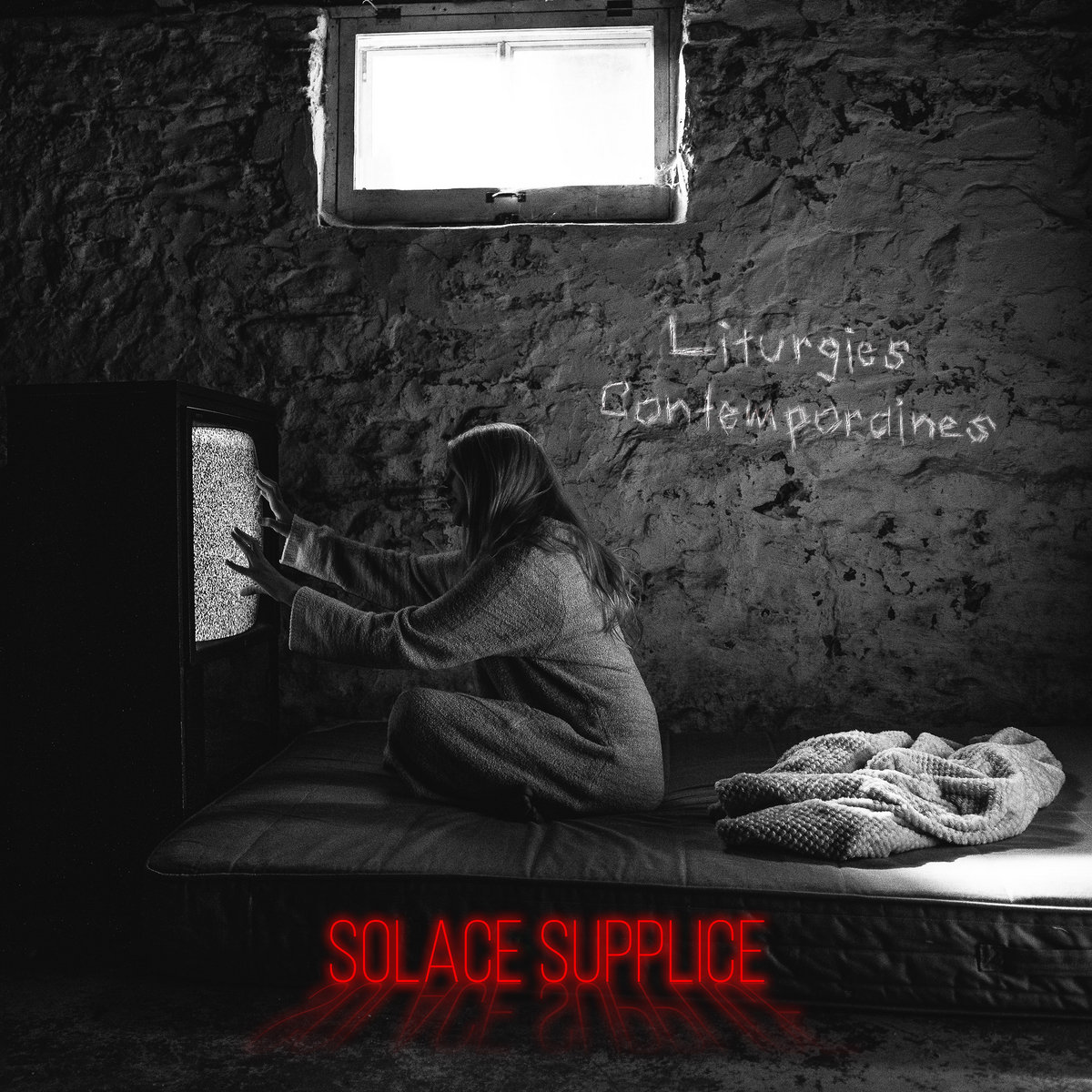
Solace Supplice, Liturgies Contemporaines, June 15, 2022 Tracks: Le Tartuffe Exemplaire (5:12), Sunset Street (4:12), A Demi-Maux (4:03), Les Miradors (6:46), Cosmos Adultérin (3:57), Schizophrénie Paranoïde (3:14), Au Cirque Des Âmes (4:10), En Guidant Les Hussards (4:19), Liturgies Contemporaines (3:53), Dans La Couche Du Diable (4:46), Marasmes Et Décadence (4:33)
[Edit: I discovered just after finishing this review and posting it that primary band member Eric Bouillette passed away last month. Our deepest condolences to his family and the band. He was an incredibly talented musician and artist.]
For my third review of recent French releases (see 1 and 2), I bring you Solace Supplice’s Liturgies Contemporaines. Ok, I’m cheating. The band is technically based in England, but the lyrics are in French and the primary players are French. The album has a solid soundscape that is both moody and epic, with a variety of musical textures and sounds.
Primary members Eric Bouillette and Anne-Claire Rallo are members of Nine Skies, a fine band that has made some waves in prog circles in recent years. Both are multi-instrumentalists, with Bouillette playing guitars, keyboards, and violins as well as singing. Rallo plays keyboards and bass. They are joined by Jimmy Pallagrosi on drums, Laurent Benhamou on saxophone on a couple tracks, and Willow Beggs (Nick Beggs’ daughter) on bass on several tracks.
The record opens with an old English-language clip from the BBC. The song quickly dives into a fast-paced guitar-driven gallop, with that BBC clip popping up again periodically. I liked the inclusion of that clip because it elevates the scope of the record just a bit – makes things feel a little bit more epic.
The title track, “Liturgies Contemporaines,” is probably my favorite on the record. It is brooding and atmospheric, slightly reminiscent of Steven Wilson or Porcupine Tree. The vocals and guitars really shine over the repeating keyboard line and simple drum riff. Bouillette’s vocals really stand out on this song. The tone he creates on this is rather different than on the rest of the record, and I think he sounds best on this song. Sometimes his vocals are a bit monotonous when singing the French lyrics, but his voice is very dynamic on the title track.
Lyrically the album leans on the more obscure, allowing for more interpretation. It also helps that they’re in French, forcing English listeners to either dig deep (lyrics posted on their website), or just appreciate them for the way they sound. Bouillette’s style of singing works well on “Dans La Couche Du Diable.” The song starts quieter with piano and acoustic guitar, over which he gently sings. A pounding guitar and drum riff kicks in with a marching beat, and the vocals march along with it. The result is quite effective, especially as the song builds towards the end. The track swells towards the end as the keyboards swirl in the background. With a little extra working at the end, I think it would have made a better ending track to close the album, as “Marasmes Et Décadence” doesn’t go much of anywhere musically for most of the song until the guitar solo, bass, and keyboard solo kick in at the end. “Dans La Couche Du Diable” sounds more like an album closer to me.
Bouillette’s guitar work is dynamic throughout the record, with clean solos on “A Demi-Maux” and grittier shredding on “Les Miradors.” The atmospheric guitar on the title track really shows the range of his capabilities, with the guitar contributing to the soundscape and standing center-stage in the second half of the song. The band scatter in some unexpected musical moments to keep us on our toes. Bouillette’s violin on “Au Cirque Des Âmes” has a gypsy jazz feel to it, and the saxophone on “En Guidant Les Hussards” adds a jazzy and atmospheric sound.
I’ve found Liturgies Contemporaines compelling on repeated listens. It has a solid rock drive with multiple textures and a variety of sounds that manages to remain cohesive. The title track really makes the album for me – I just wish it were longer. The songs could have also been edited to flow together a little better, as the general production value strikes me as being a concept album. All the same, the record is worth multiple listens for fans of contemporary prog. Certainly fans of Nine Skies will want to check it out, if they haven’t already.


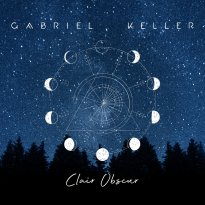 Gabriel Keller – Clair Obscur, 2022
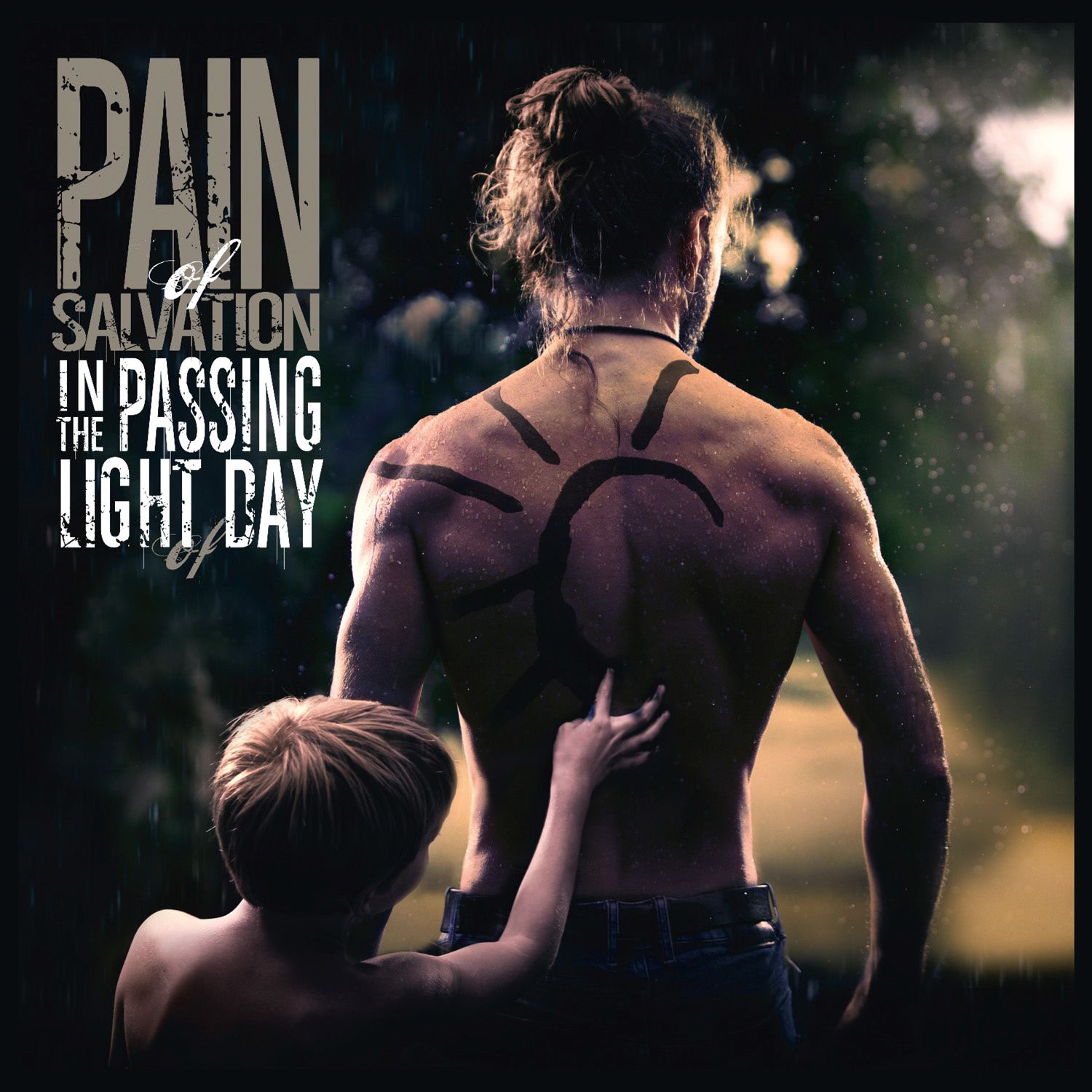 I missed this album when it came out, although I remember reading about it in Prog magazine. I came to appreciate Pain of Salvation with their 2020 album, Panther, which was my top album of the year. I finally started to dig into their back catalog this summer, and I’ve been blown away. In The Passing Light Of Day is a brilliant tour-de-force of emotions. Some of the lyrics I think are too sexually explicit, which is primarily why I rank it at number 10 and why I almost kicked it off my top ten. But the music and melodies are so good, and most of the lyrics are incredibly profound. I also think Ragnar Zolberg brought a lot to the table and was a great balance to Daniel Gildenlöw.
 It was hard to pick one of the
 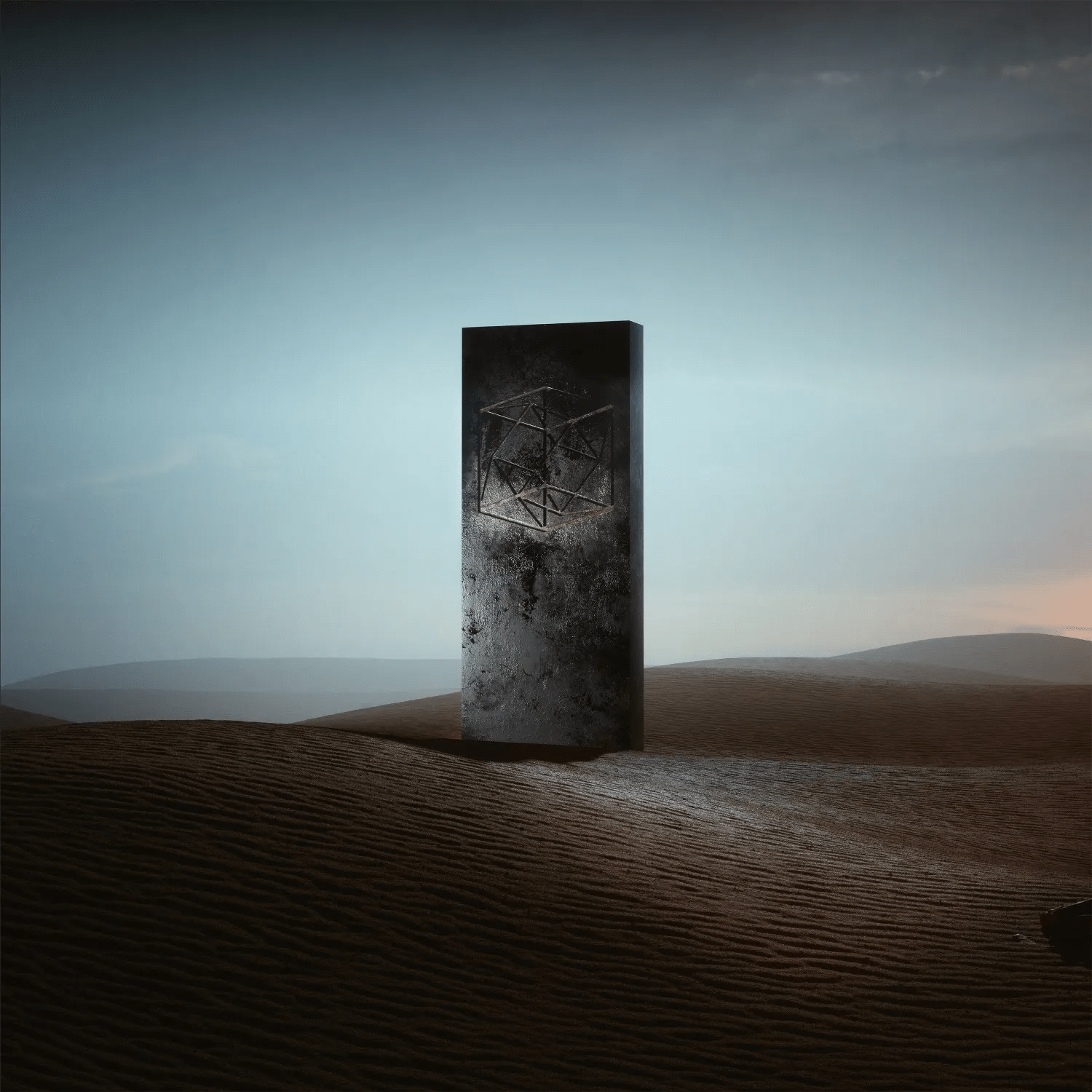 Portals is a brilliant album. It is unique on this list for being a live release, but it is also unique for being a live-in-studio release – a product of the pandemic. I suppose that’s why I don’t rank it higher on this list, but I’ve been listening to it a ton since it came out. I even broke down recently and bought the fancy deluxe CD/DVD/Blu-ray edition. I think most of the tracks on here sound better than they do on the original albums. The album also introduced me to the band, as well as to the world of djent. The way the band blends djent riffs with Floydian spacey motifs is just perfect. One of the finest bands in the world right now.
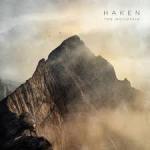 I go in spurts when listening to Haken (like I do with many bands). The Mountain has a magnificent blend of metal with splashes of 70s golden age prog. Songs like “Atlas Stone,” “The Cockroach King,” “Falling Back to Earth,” and “Pareidolia” have become prog metal classics, in my book. I’ve come to think Haken isn’t as compelling in their quiet tracks as bands like Riverside of TesseracT, but this entire album is still very listenable nine years later.
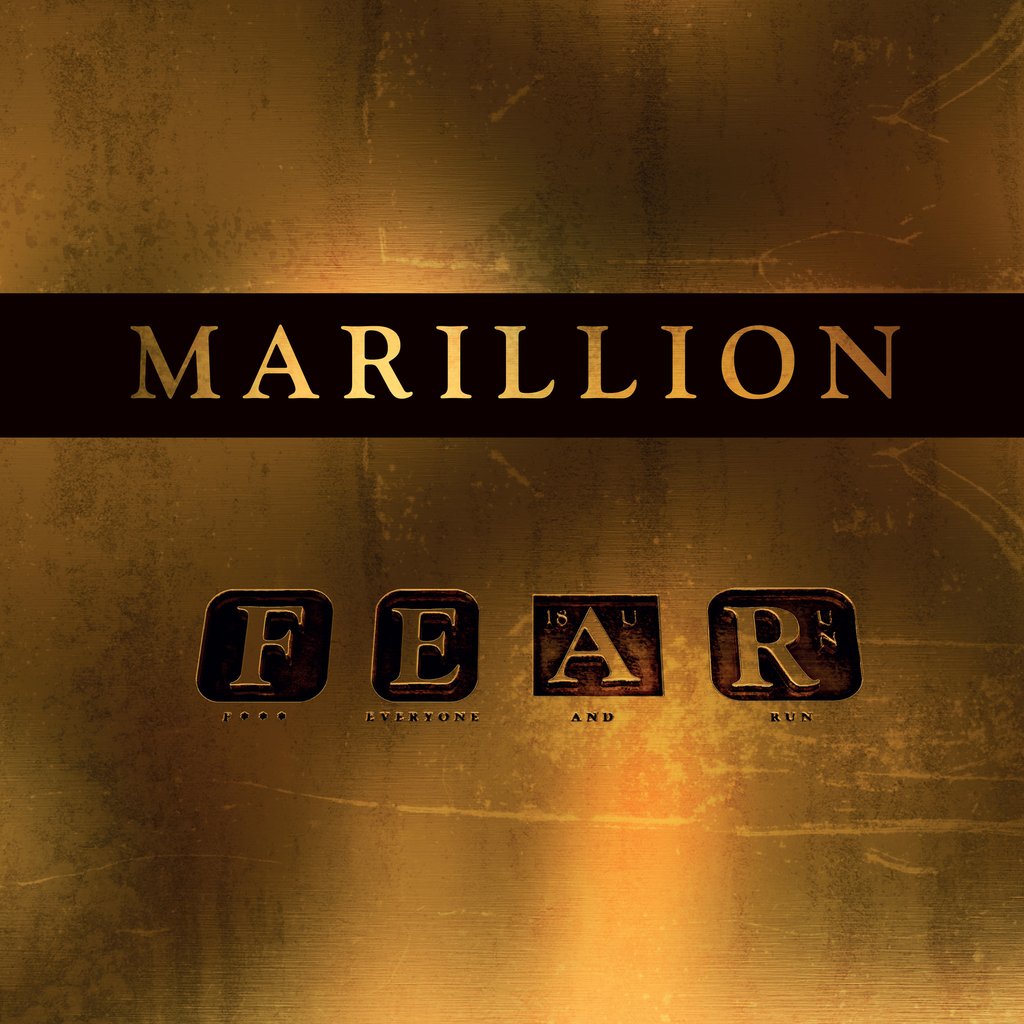 Marillion’s F.E.A.R. was my introduction to the band, and I’ve thoroughly enjoyed diving back into their catalog. I’d have to say I think this is one of their best with Hogarth. Their latest album, “An Hour Before It’s Dark,” comes very close to it, but “Reprogram the Gene” knocks it down a peg for me. F.E.A.R. combines musical prowess with cultural critique to wonderful effect, even if I may disagree with Hogarth at points.
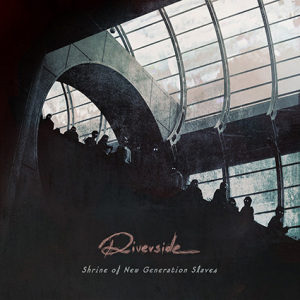 I had a hard time deciding which of Riverside’s three studio albums from the past decade to choose. Love, Fear and the Time Machine and Wasteland are both brilliant, and if I had allowed myself to choose multiple albums from the same artist in a top ten, Wasteland would probably be here too, but I think Shrine edges both of them out. It’s heavy, both musically and lyrically. Several of the songs turn into real earworms for me, and I’m never disappointed when I return to this record. And it’s another one on this list that I discovered several years after its release.
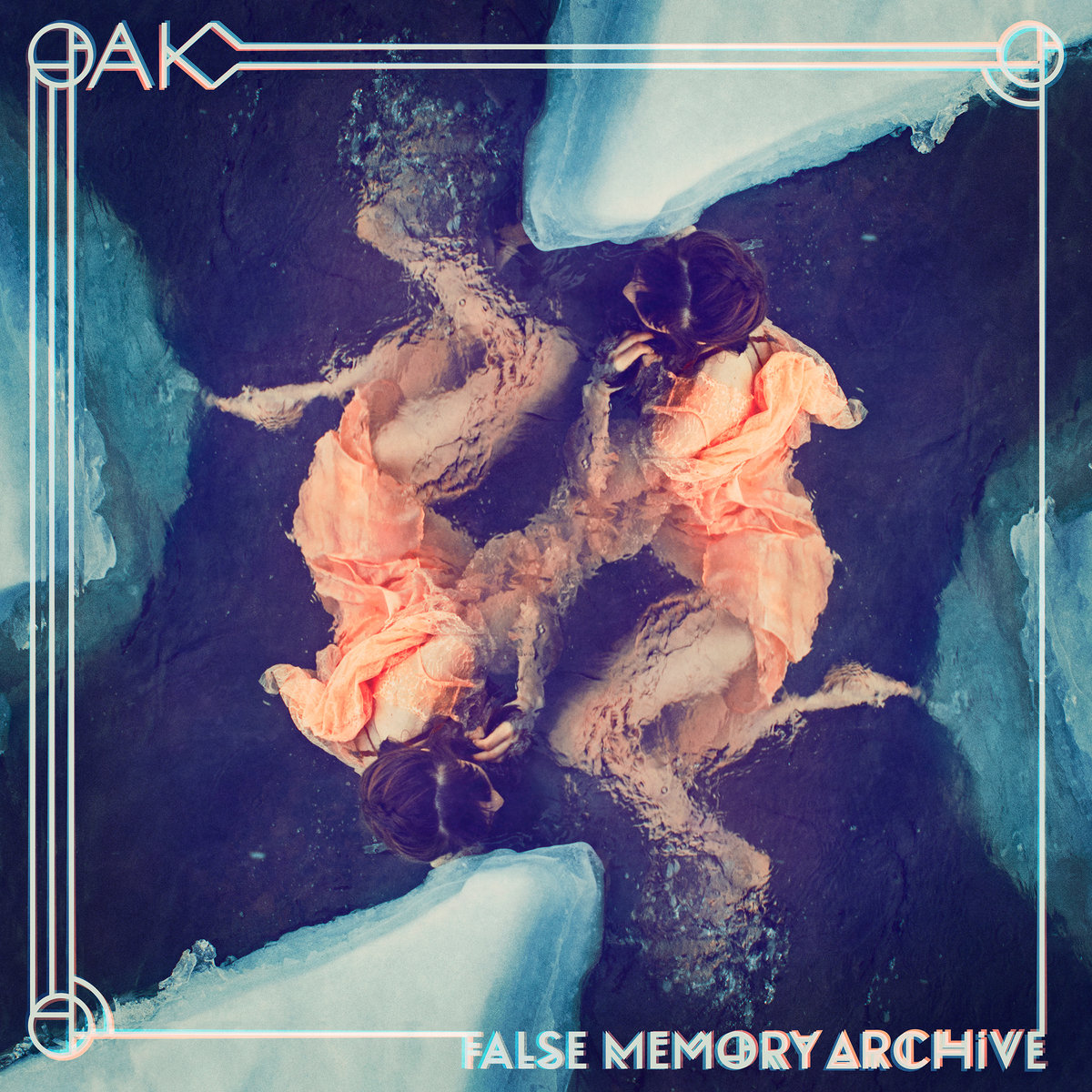 Oak is my favorite new band of the last decade. Both their 2013 (2016 release on CD) album Lighthouse and 2018’s False Memory Archive are brilliant albums, if not perfect. This record was my top album of 2018, and Lighthouse was my top album of 2016 (I didn’t realize at the time it had been released digitally earlier). The Norwegian melancholic aesthetic is dripping from both albums. It was hard to pick one of the two, but the closing track on False Memory Archive, “Psalm 51,” is one of the finest album closers I’ve ever heard. I think that gives this record the edge.
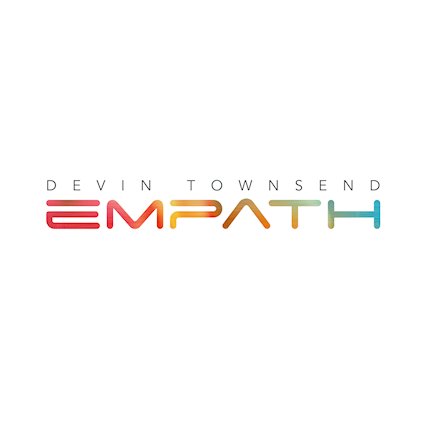 I was blown away by Devin Townsend’s Empath when it came out – so much so that I bought the 2CD deluxe version that year and the super deluxe version when Inside Out funded that project the next year. The record masterfully blends all the aspects of Devin’s career into a truly unique and truly Devin experience. It has the heavy bombast of Strapping Young Lad at points, yet it’ll soar into orchestral and even operatic highs elsewhere – or even at the same time. Pure musical theater in the best way. Devin’s vocal performance on “Why?” is stunning, and the message of hope on “Spirits Will Collide” is always a pleasant reminder that life is worth living. The production side of things, with Devin’s famed “wall of sound,” is unmatched in his career, or anyone else’s for that matter.
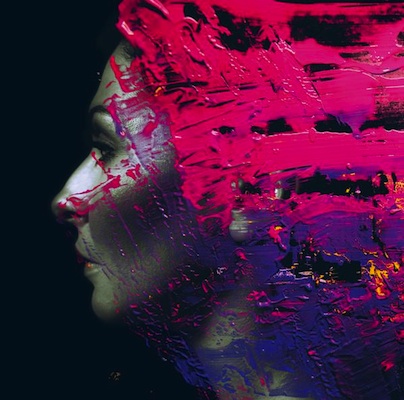 Here we come to one of the truly great albums of our time. I would certainly rank this in a top 10 best albums of all time. Back in 2015, this album was my number 3 pick, with The Tangent’s “A Spark in the Aether” coming in at number 1. Now I still think that’s a great record, and I wrestled with whether or not to include it in my top 10, but I think over time Wilson’s masterpiece has proven to be a generational album. Both the music and the story sound fresh, even seven years and many listens later. The themes of isolation and loneliness in city life (or life in general) will always be relatable. Someone 100 years from now could listen to this record, and while they may miss some of the references (even I still miss some of them), the underlying theme will still connect. That’s what places this record up there with the likes of Pink Floyd’s The Wall.
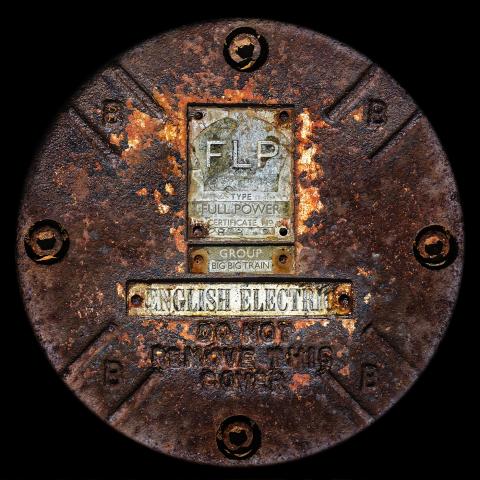 The defining band and defining album for the last decade of prog. Looking back, this record was the one that got me into the contemporary progressive rock scene. Returning to it today is a special treat, as I hope it always will be. It contains everything you might want out of a quintessentially “English” progressive rock band. It has the rock, the folk elements, the complex musicality, the well-told stories. And then there’s David Longdon’s voice, showing us his command of the material and his command of the upcoming several years in the prog scene. When I traveled to England in 2015 (which to me felt like a longer distance between its release than it feels between now and that visit – it’s weird how your perception of time changes as you grow older) I really wanted to listen to this album while being out in the hedgerows and fields. I can still remember sitting on a bus traveling between towns listening to English Electric (I wrote more about this in a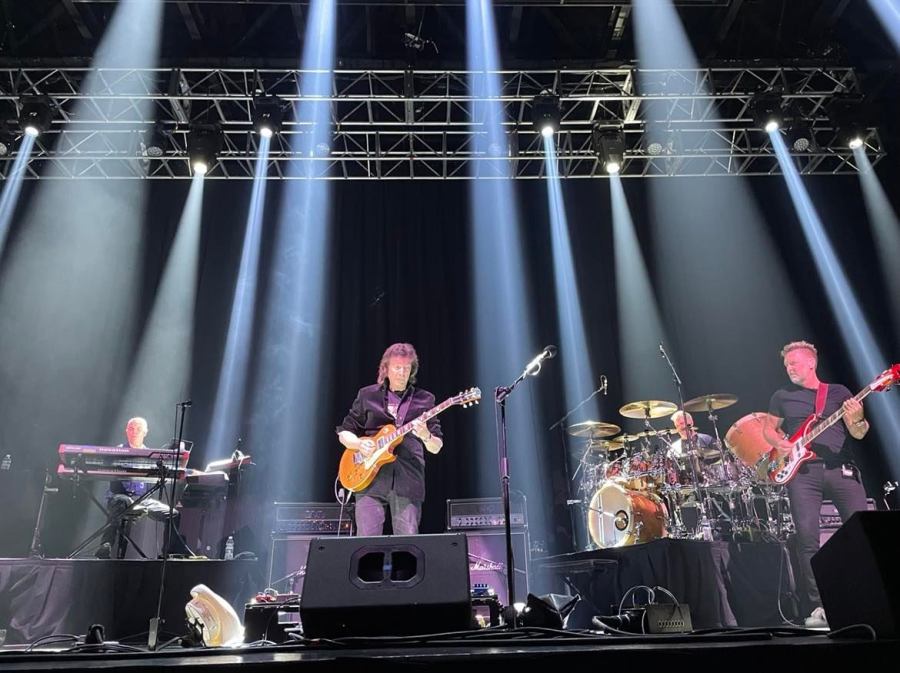
 Solace Supplice, Liturgies Contemporaines, June 15, 2022
 Progarchy