Grateful for my beloved wife, son, daughter-in-law, grandchildren and siblings. Also a lover of theology, music, history, philosophy, classic novels, science fiction, fantasy and Looney Tunes.
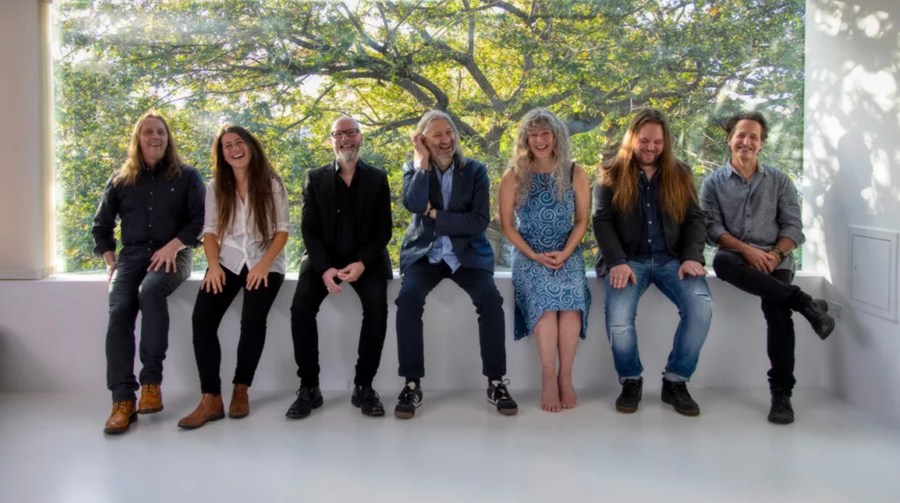
“As the promotional campaign for the Welcome To The Planet album approaches an end, we feel that the time is right to address the question of the future of Big Big Train following David Longdon’s death.
“Several years ago David expressed the clear wish that if ever he were not around, he would want Big Big Train to continue. Of course none of us foresaw the tragic situation that happened in November last year.
“After careful consideration, and with the active encouragement of David’s partner Sarah, we have decided to honour David’s wishes.
“Big Big Train will therefore seek to continue as a band and will perform live and release new music in due course. More specific details of the band’s line-up and planned activities will follow in further announcements, including an opportunity for fans to celebrate David’s life and musical legacy.”
Chances are that if you’ve seen Dave Bainbridge’s name on this website, it’s due to his role as the current guitarist in Lifesigns (both live and on their fine Altitudealbum). If you’re deeper into modern progressive rock, you may have heard his guitar on Downes Braide Association’s Halcyon Hymns. Or maybe even his keyboards on the last two Strawbs albums, The Ferryman’s Curse and Settlement. (That’s right – Bainbridge is a world-class player on both instruments!)
But Dave Bainbridge’s track record goes a lot deeper than his recent credits; from the 1990s through 2015, he was a major creative force in Iona. Fusing rock with progressive, jazz and folk elements and steeping it all in the spirituality of early Celtic Christianity, this British band captured an international audience while collaborating with prog luminaries like Nick Beggs (the band’s first bassist) and Robert Fripp (who provided ambient sounds for two of their finest albums).
After Iona wound down, Bainbridge continued making music; his solo albums feature both a sweeping range of styles and an impressive array of collaborators. His new album, To the Far Away(exclusively available in multiple formats from Gonzo Multimedia) is a genuine tour de force, based on deeply personal subject matter; it simultaneously evokes the sound of Iona and hones the power of Bainbridge’s solo work into a dramatic swirl of thrilling acoustic and electric guitar work, pounding rhythms and lush orchestral soundscapes. I haven’t heard anything quite like this in a long time; it’s gripping, heart-on-sleeve romantic stuff. But don’t worry — on epics like “Ghost Light,” (extensively featured starting at 1:50 in the promo video below) the guitars and synths still go all the way to 11!
Which meant I was delighted when Dave Bainbridge agreed to talk about To The Far Away, his recent revamp of the Iona catalog, his other band projects and much more with me; he was genial and generous with his time, willing to dive deep into every question, and obviously grateful for what he’s been able to accomplish in his career. You can hear our conversation just below; selected excerpts, as well as a link to a complete transcript, follow the jump.
Big Big Train, Welcome to the Planet:Yet another stellar addition to BBT’s discography, their latest effort consolidates the widened horizons of Grand Tour and the intimate subjects of Common Ground, casting an epic light on the everyday glory of family, community, love and loss. With Nick D’Virgilio, Rikard Sjöblom, new guitarist Dave Foster and new keyboardist Carly Bryant all involved in the writing, rockers like “Made of Sunshine” and “The Connection Plan” hit with maximum impact; ballads like “Capitoline Venus” and “Oak and Stone” are masterfully expressive; instrumentals like “A Room with No Ceiling” and “Bats in the Belfry” unleash the requisite nifty twists and turns — not forgetting less easily classified delights like the multi-sectioned “Lanterna” and the woozy dreamland wash of the title track. Throughout, Greg Spawton’s firm hand on the tiller and the late David Longdon’s vocal authority are rock solid, their partnership the beating heart of this music. In the wake of Longdon’s untimely passing, we can’t know if Welcome to the Planet is the last stop on Big Big Train’s journey or a way station before what might come next. But such considerations pale in the face of what we’ve been given; this one — easily my favorite BBT effort since the English Electric days — is a real thing of beauty, an album to be treasured and listened to again and again. (Check out Bryan Morey’s detailed review here.)
I thought I didn’t have a big list of favorites from this year’s listening — until I revisited my six-month survey from back in June and added in the good stuff I’ve heard since then! The listing below incorporates links to full or capsule reviews, or other relevant pieces on Progarchy and elsewhere; albums I haven’t written about yet get brief comments, along with my Top Favorites of the year. Most of these are available to check out online in some form; if you find yourself especially enjoying something, use that Christmas cash and support your choice with a purchase! And the winners are . . .
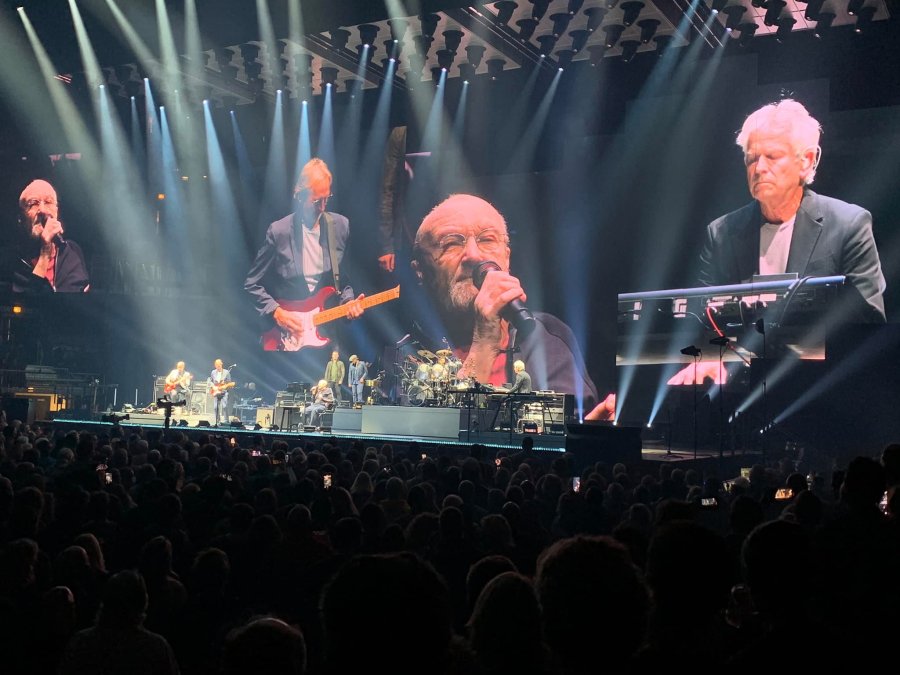
Genesis, United Center, Chicago, November 15, 2021
The moment was perfect. In a blaze of white light recalling their iconic Seconds Out album cover, Genesis kicked off opening night of their North American tour with a rampaging “Duke’s Intro”, the instrumental beginning and end of 1980’s Duke. And boy, did that one bring back memories as it rampaged.
The impact of hearing 1978’s And Then There Were Three and the ensuing deep dive into Genesis’ back catalog. Hearing the band live the same year (my first rock concert ever) and being thoroughly blown away by their precision and power. Seeing them again in 1980 — when, with live guitarist Daryl Steurmer ill, Genesis still put on a great show as a quartet — then in 1981, when they opened with that same arresting fanfare.
Forty years on, I was happy that Genesis still meant business; the players — Tony Banks, Mike Rutherford, Daryl Steurmer & Nic Collins — were firing on all cylinders from the word go, a tight ensemble that already promised each player choice turns in the limelight.
And already sitting at center stage, surveying the scene with a satisfaction that was obvious even to those five rows from the top of Chicago’s United Center, Phil Collins was getting ready to sing.
Discipline, Unfolded Like Staircase: a stone cold classic of late 1990s prog, freshly remixed by Rush producer Terry Brown. True, this Detroit quartet wore their influences (Gabriel-era Genesis, 1980s King Crimson, Peter Hammill and Van der Graaf Generator) on their sleeves here, but they also gave them a fresh, arresting spin. As Jon Preston Bouda’s guitar, Matthew Kennedy’s bass and Paul Dzendel’s drums weave grim, mesmeric webs of sound, Matthew Parmenter’s flamboyant vocals and literate scenarios drill deep into existential desperation. Lush, dramatic and riveting, the four twilit epics included here, kicking off with the Dante-influenced “Canto IV (Limbo)”, will get under your skin in a breathtaking way. In short, I believe you need this music; get it on CD or LP from The BandWagon USA or download it at Bandcamp. (Here’s hoping Discipline’s studio follow-up To Shatter All Accord and the live This One’s for England get similar treatment in the near future.)
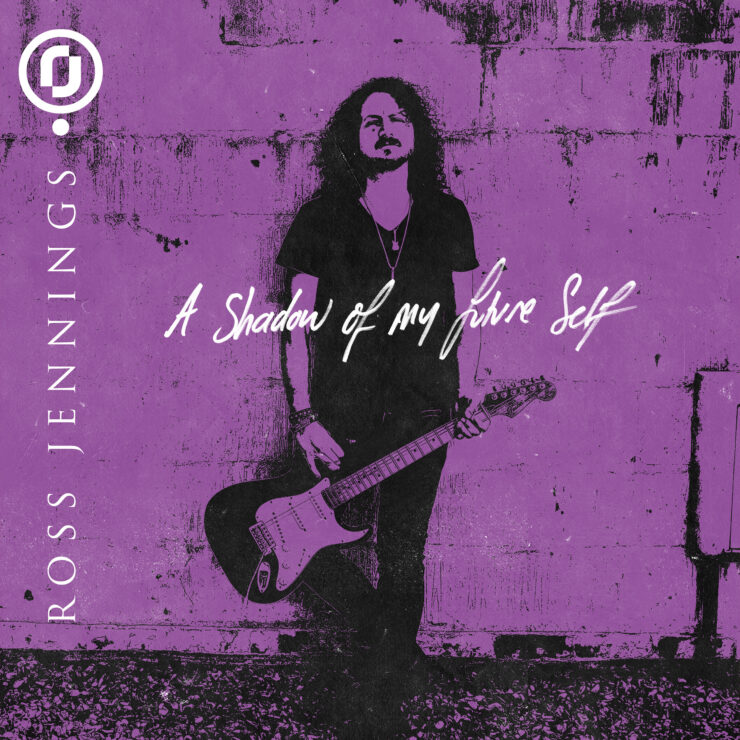
Ross Jennings, A Shadow of My Future Self: a superbly accomplished, immensely appealing solo debut from Haken frontman Jennings. Recorded during (what else?) COVID lockdown, he spans and mixes genres with ease, diving headlong into folk (“Better Times”), funk with lashings of metal (“Violet”), power pop (“Rocket Science”), cinematic ballads (the moving elegy “Catcher in the Rye”) — oh, and even extended-song-form-verging-on-prog workouts (“Phoenix” and “Grounded”). Jennings is at the top of his game on vocals and guitar, backed by stellar players. And the songwriting is outright wonderful; on every single track, the riffs demand air guitar, the verses demand your attention, and the choruses demand a cathartic singalong. Yes, all of this raises my hopes for Jennings’ upcoming collaboration with Nick D’Virgilio and Neal Morse, but that can wait; this thrilling, eclectic album is a genuine treat in itself. Unquestionably my pick of the month. Get it on CD or LP (merch and bundles also available) at OMerch.
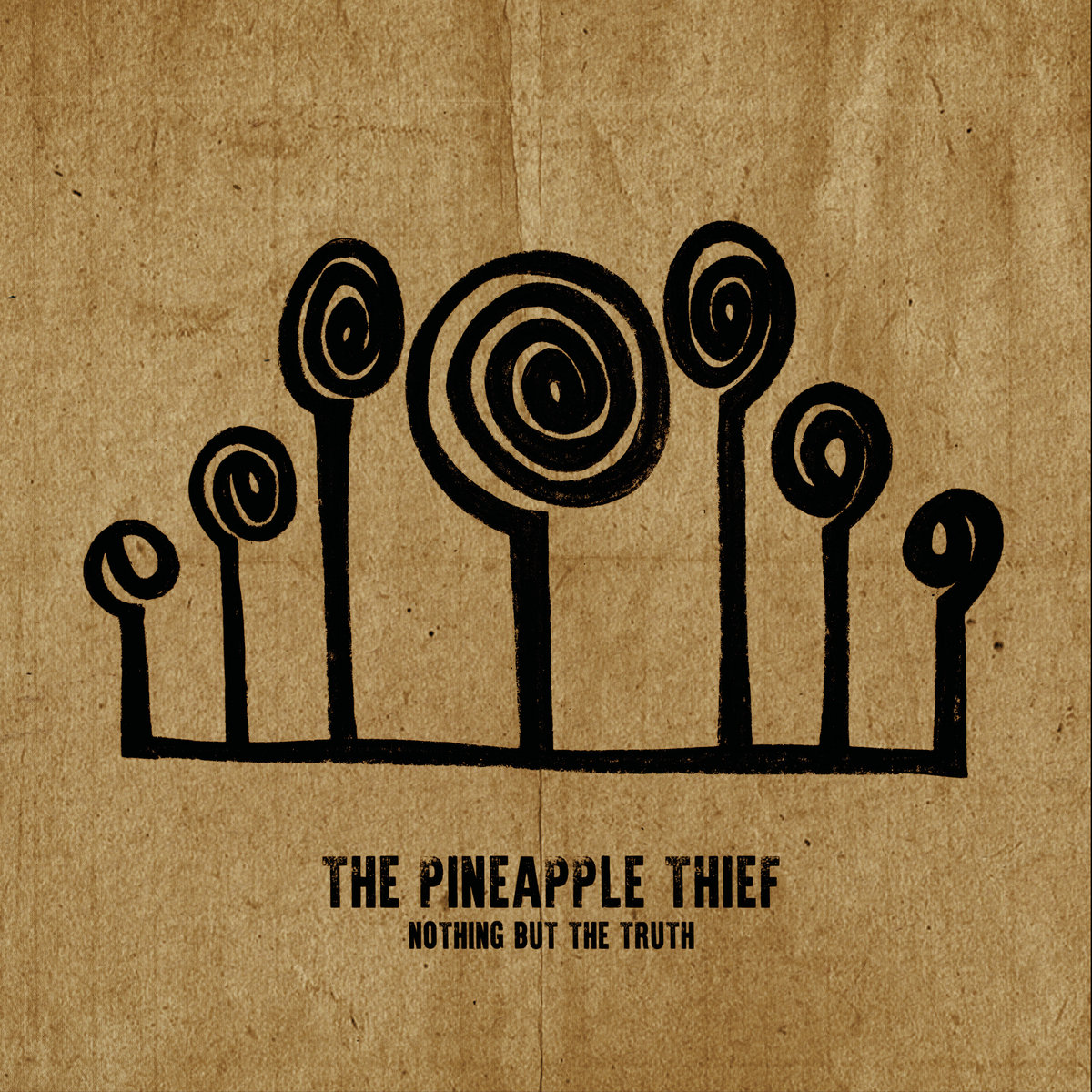
The Pineapple Thief, Nothing but the Truth: whatever the substantial virtues of their studio efforts, The Pineapple Thief’s recent live albums have been where they’ve shone the brightest. Their latest is no exception; filmed for streaming in lieu of their cancelled tour for Versions of the Truth, this 90-minute set finds TPT as brooding, stylish and kickass as ever. Bruce Soord nurses his songs of disillusionment and division through the gathering angst, then opens fire on one blazing chorus after another; Gavin Harrison does the unexpected on drums with astonishing regularity — and yes, I bought the BluRay for the drumcam option! Steve Kitch’s atmospheric keys and Jon Sykes’ throbbing bass are essential ingredients here, not anonymous backing. The new songs gain heightened guts and strength; the dives into the back catalog aren’t just well-calculated, but passionately played, and essential to the set. This one makes me more eager than ever to see The Pineapple Thief when they return to North America next spring. Get it on CD, LP, Blu-Ray video and deluxe artbook box (CD/DVD/BluRay) at Burning Shed.
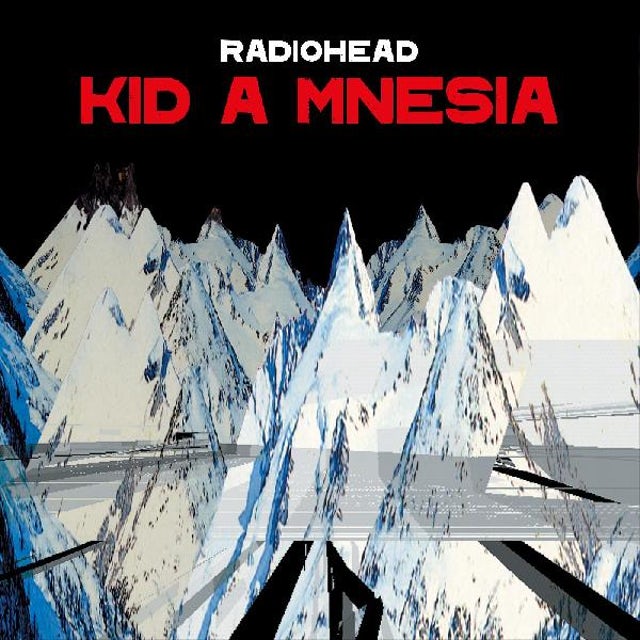
Radiohead, Kid A Mnesia: a band hard at work tearing down the sound that made them world famous, then rebuilding from scratch. Which somehow made them more famous, given that their first Number One album in America was the result. I’ve always found Kid A gripping stuff; with their wholesale shift to glitchy electronica beats, found-sound patchworks, soupy orchestral backing and sharp-edged noise, Thom Yorke, Jonny Greenwood and company achieved a genuine paradox — alienation embodied in music, that immediately connected with a mass audience. And when Radiohead walked backward into rock on Amnesiac, the success of their breakaway strategy made both guitar-based grooves like “I Might Be Wrong” and off-kilter art-pop like “Pyramid Song” even more effective. This triple-disc reissue pulls the era together with a bonus set of ear-tickling odds and sods: Yorke, the most deliberately unbeautiful of singers, reaches for actual purity of tone on the unreleased songs, while Greenwood scratches his avant-garde compositional itches, courtesy of a full string section. Get it on CD, LP, cassette or download from Radiohead’s webstore.
The War on Drugs, I Don’t Live Here Anymore: a recent immersion course in Adam Granduciel’s ongoing project — regrafting 1980s tropes like tick-tock rhythms and thick ambient textures onto the stock of classic rock — has proved enticing, though not consistently galvanizing. The War on Drugs’ latest slab of Big Rock Redux is their most organic album to date, integrating the blips and blobs with the rootsy muscle of a tight sextet. Whether a given track goes minimal or maximal, each musical backdrop is built in loving, precise detail, and the simple hooks become earworms before you know it. Granduciel’s vocals — his most individual to date — insistently ride the rhythms, his songs meditating on scenes of a dissatisfied youth (“Change”, “Victim”), then finding unanticipated serenity in the quiet victories and encroaching vulnerabilities of middle age (“Living Proof”, the widescreen title track, “Occasional Rain”). This one snuck up on me via multiple evening listens, and now it’s not letting go; see if it grabs you! Get it on LP, CD or cassette from TWoD’s webstore.
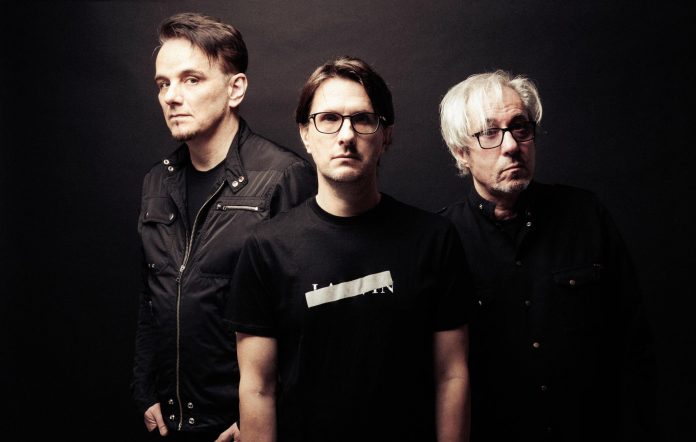
A new song from Porcupine Tree (Steven Wilson, Richard Barbieri and Gavin Harrison) is now available on all major streaming services (and on video in Europe). Herewith, “Harridan”:
Harridan and a few of the other new songs have been in play since shortly after the release of The Incident. They initially lived on a hard drive in a slowly growing computer file marked PT2012, later renamed PT2015, PT2018, and so on.
There were times when we even forgot they were there, and times when they nagged us to finish them to see where they would take us. Listening to the finished pieces, it was clear that this wasn’t like any of our work outside of the band – the combined DNA of the people behind the music meant these tracks were forming what was undeniably, unmistakably, obviously a Porcupine Tree record.
You’ll hear all of that DNA flowing right through Harridan.
The new album, titled Closure/Continuation, was completed in September and will be released on Music for Nations/Sony on June 24, 2022. Regular and deluxe CD and LP editions are now available for pre-order at the PT webstore and at Burning Shed. (Burning Shed’s exclusive white vinyl version is already sold out.)
European tour dates have been announced for October/November 2022, with tickets on sale Friday, November 5. Pre-ordering the album through the PT webstore (or just registering there) guarantees pre-sale access this Wednesday, November 3. US and Canada tour dates for autumn 2022 will be announced early next year.
All details above are available via PT’s website. Let the anticipation (and/or the bellyaching) commence …
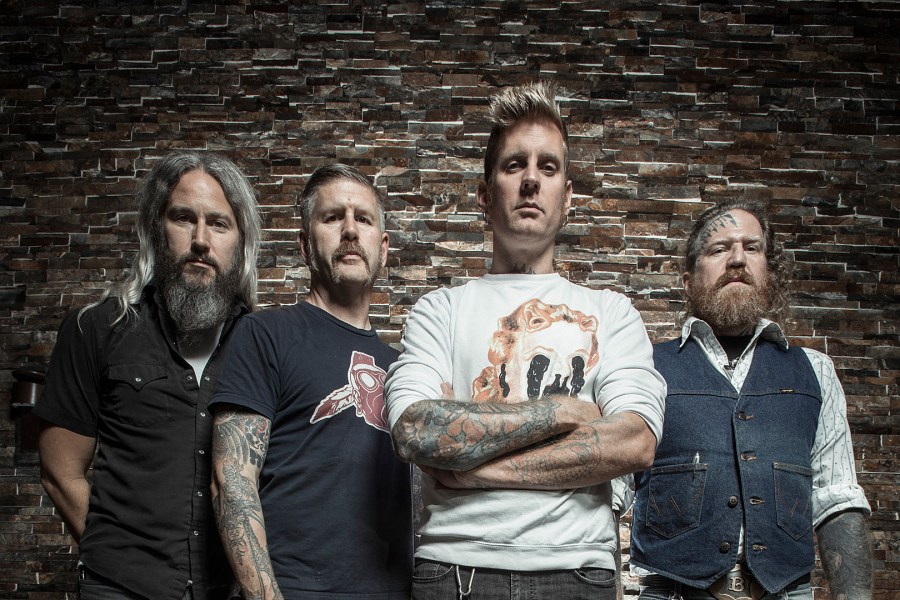
To my astonishment, this appears to be the first Mastodon album reviewed on this website. How can this be? After all, this is a band that not only seasons their exceptionally math-y thrash metal with delectable flavors of sludge, stoner rock, prog and even hints of country. This is a band who came to my attention on David Letterman with the lead track from 2009’s Crack the Skye, an album-long narrative arguing the case for astral projection’s secret influence on the Russian Revolution. (And it wasn’t their first concept album, either — that was 2004’s Leviathan, based on — what else? — Herman Melville’s Moby Dick.)
After this — plus no-holds-barred follow-ups like 2011’s The Hunter and 2014’s Cthulvian Once More Round the Sun — I can’t help but ask again, where’s the love for Mastodon from Progarchy been all this time?
It’s not too late to hop on the bandwagon, though; Mastodon’s smoking new double disc effort, Hushed and Grim, is here to melt our minds and set our heads banging. Every single one of the fifteen tunes offer has at least two (and sometimes three) killer riffs pounded out by Brent Hinds and Bill Kelliher on guitar and Troy Sanders on bass, with Brann Dailor adding multiple layers of mayhem on drums. Sounds like a potentially stagnant formula on the surface, but given that the Atlanta-based quartet can spin on a dime through multiple textures, tempos, and time signatures in the course of a single song, the approach never fails.
And you never know what ear candy may show up in the midst of the prevailing heaviness — there’s the finger-pickin’ Americana intro to “The Beast,” the impeccable synthesizer solo on “Skeletons of Splendor,” the dream pop verses of the otherwise grunged-up “Had It All.” Hinds digs deep for his full-tilt solos, with a Southern-fried touch of Duane Allman peaking through every so often; Dailor’s playing calls to mind an alternate-universe Keith Moon playing with Jimmy Page instead of Pete Townsend. And the combined vocals (Sanders, Hinds and Dallor split the leads, with Kelliher as a harmony voice) provide kaleidoscopic colors to match the range of the music, from heavenly harmonies complementing 12-string textures to raucous, full-throated bellows over odd-time gallops. Producer David Bottrill (whose other credits include King Crimson and Tool) pulls all the elements of this sonic maelstrom together; the end product is marvelously stylish, delightful to listen to even as it knocks you flat.
But the music, as cool as it is, isn’t hanging out there on its own; the lyrics have a pungent bite as well. Mastodon are on a mission here, paying tribute to long time friend and manager Nick John, who died in 2018. Is the narrative here, kicking off with the vicious opener “Pain With An Anchor” and concluding with the epic “Gigantum,” a journey through the stages of grief? A depiction of dying from the inside out? Or yet another meditation on existence and mortality (for which I’ve proved a sucker time and again in the age of COVID-19)? Your mileage may vary with your interpretation — but boy, do Sanders, Hinds, Dallor and Kelliher bring the goods. The rage of “Sickle and Peace,” the devastated sorrow of “Teardrinker,” the desperate struggle of “Pushing the Tides” — all of it hits home. If you’re not cathartically drained after a listen to Hushed and Grim, you haven’t been paying attention.
As I think I’ve mentioned before, I’m not a big prog-metal head — but when it’s prog-metal as good as Mastodon, I surrender willingly. Check out Hushed and Grim for yourself below — and definitely catch them live if they come to your town! (I did back in 2015, and my ears might still be ringing.)
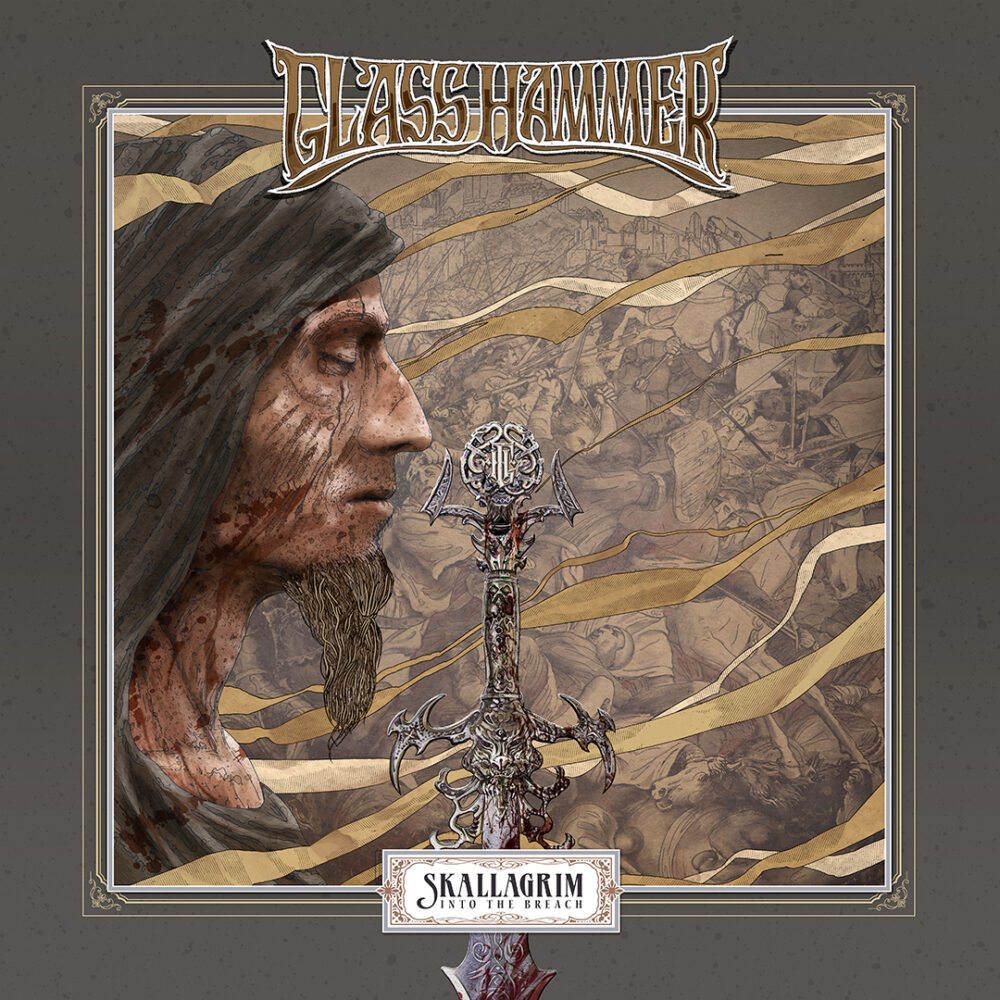
Glass Hammer, Skallagrim – Into the Breach: Fred Schendel, Steve Babb and company return with the second installment of their multi-part “sword and sorcery” epic, begun on 2020’s Dreaming City. The music rocks hard and heavy, evoking everyone from Deep Purple to Mastodon (and yes, a fair amount of Rush), with just enough moody, ambient keyboard work to cleanse your aural palate before the next round of crunchy power chords. All this marvelously matches the grimdark vibe of the titular hero’s melodramatic quest for his lost love. (And a surprise lyrical callback to an earlier GH album sets up tantalizing possibilities regarding just who that lost love is.) To top it all off, new vocalist Hannah Pryor proves a major discovery, surfing Schendel and Babb’s gargantuan riffs with zest, grace and power to spare. Every bit as involving as Dreaming City, this fine album is a blast in every sense of the term. Order signed CDs, downloads and merch direct from Glass Hammer’s webstore.
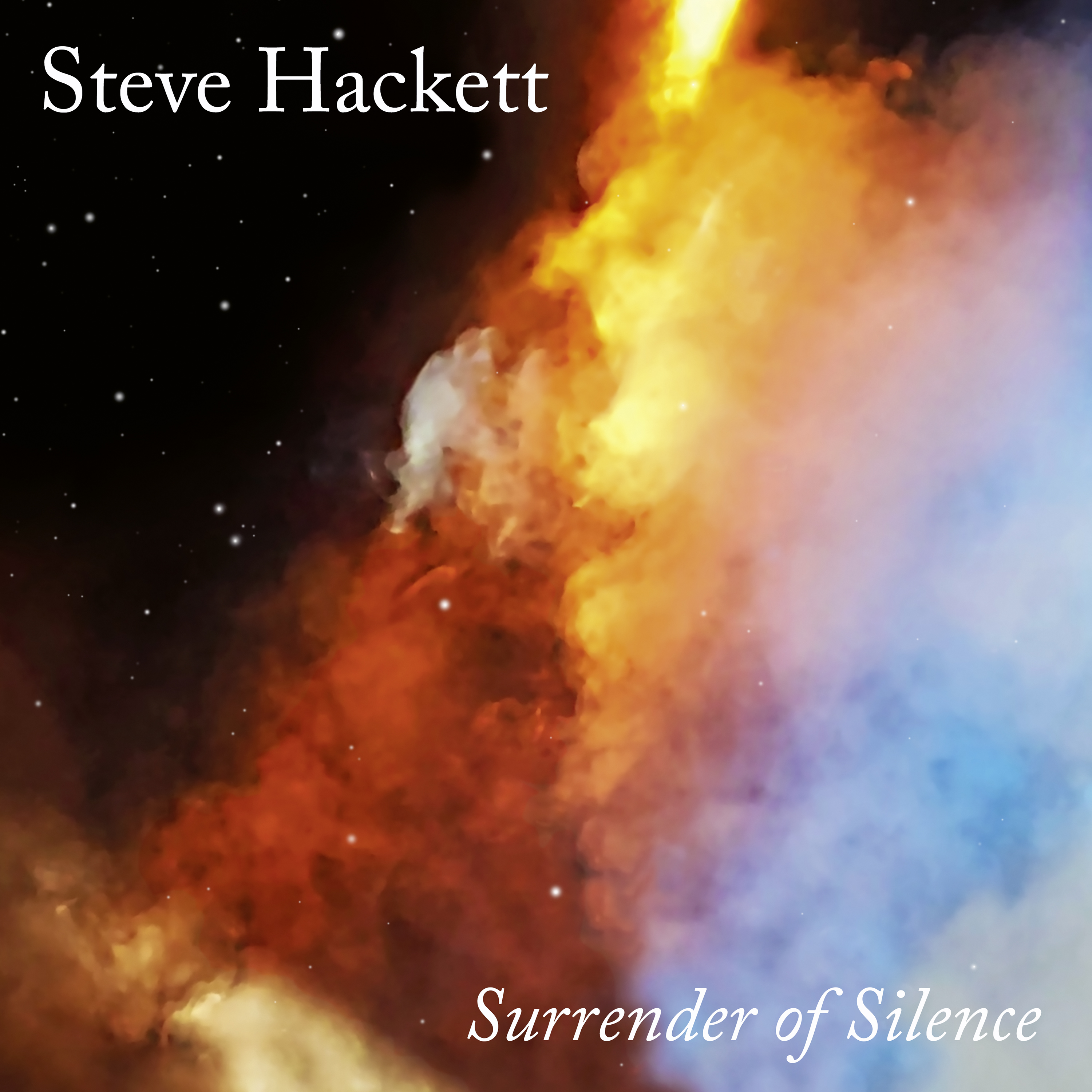
Steve Hackett, Surrender of Silence: enter one legendary guitarist, shredding! Hackett lets himself off the leash here, laying down both his wildest compositions and his most hardcore playing in quite some time. The tunes can actually be a bit undercooked, their influences not always fully assimilated (‘Hmm, Prokofiev . . . wait, Brubeck’s “Blue Rondo A La Turk”!?! . . . good grief, is that lick really “Theme from Exodus”???’). Nonetheless, Hackett’s swashbuckling solos atop Roger King’s widescreen orchestrations are irresistible as always; he and wife Jo serve up fresh sonic travelogues such as “Wingbeats” and “Shanghai to Samarkand”; and full-on burners like “Relaxation Music for Sharks” and “The Devil’s Cathedral” (featuring Hackett’s full band, including Nad Sylvan on vocals) never fail to thrill. Perhaps it’s not up to the towering heights ofAt the Edge of Light and Under A Mediterranean Sky, but Hackett’s latest is well worth your while. Order signed albums (CD, CD+BluRay combo, LP or LP+CD combo) direct from his webstore.
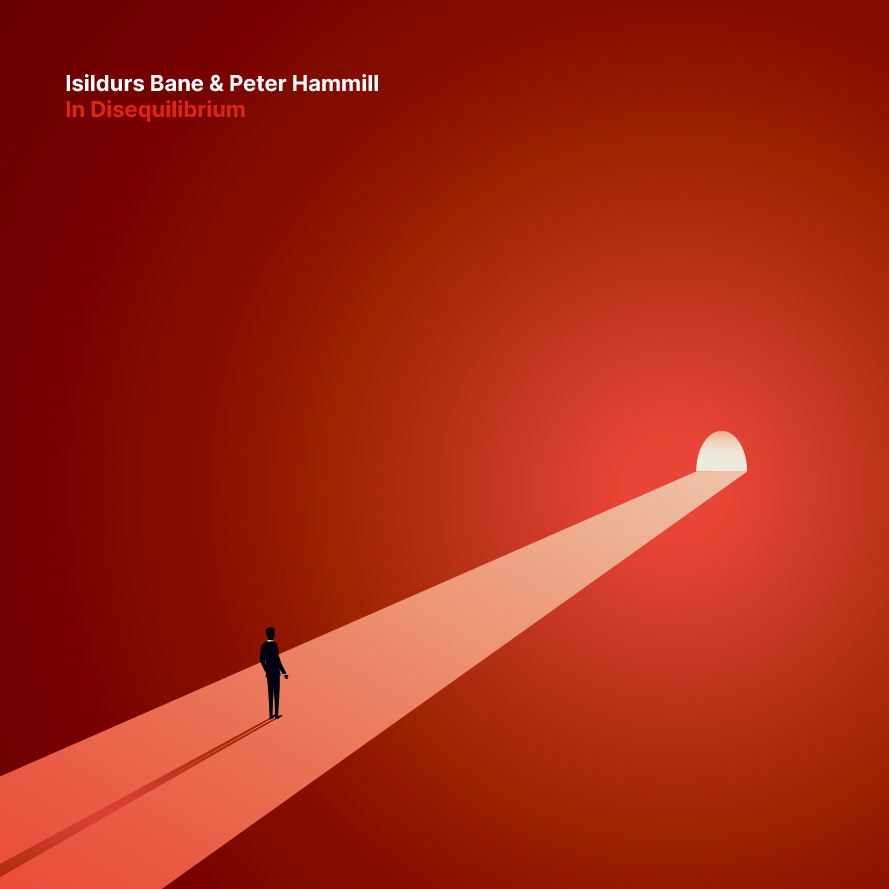
Isildur’s Bane& Peter Hammill, In Disequilbrium: Mats Johansen’s expandable international ensemble (including King Crimson’s Pat Mastelotto on drums this time) reconnects with Van der Graaf Generator visionary Hammill; two sprawling multi-movement suites result. The three-part title piece careens between hard-driving rock, off-kilter electronica, spastic percussion interludes and haunting chamber textures, as Hammill decries a post-pandemic world that was already primed for chaos. (“There’s no choreography, dance the Tarantella./In disequilibrium round and round forever we’ll go.”) In the four-part “Gently (Step by Step)”, Hammill supplies winningly vulnerable encouragement to face whatever the future holds; the band drapes his incantatory vocals in dizzying sonic collages that somehow always sound forlorn, no matter the timbre or tempo at a particular moment. This one definitely requires multiple plays to unfold its secrets, but it’s well worth the effort; the way IB’s devastatingly precise, multilayered processes track with the unpredictable contours of Hammill’s apocalyptic meditations must be heard to be believed. Order CDs and LPs (plus previous collaborations with Hammill and Marillion’s Steve Hogarth)at Burning Shed’s Isildur’s Bane store.
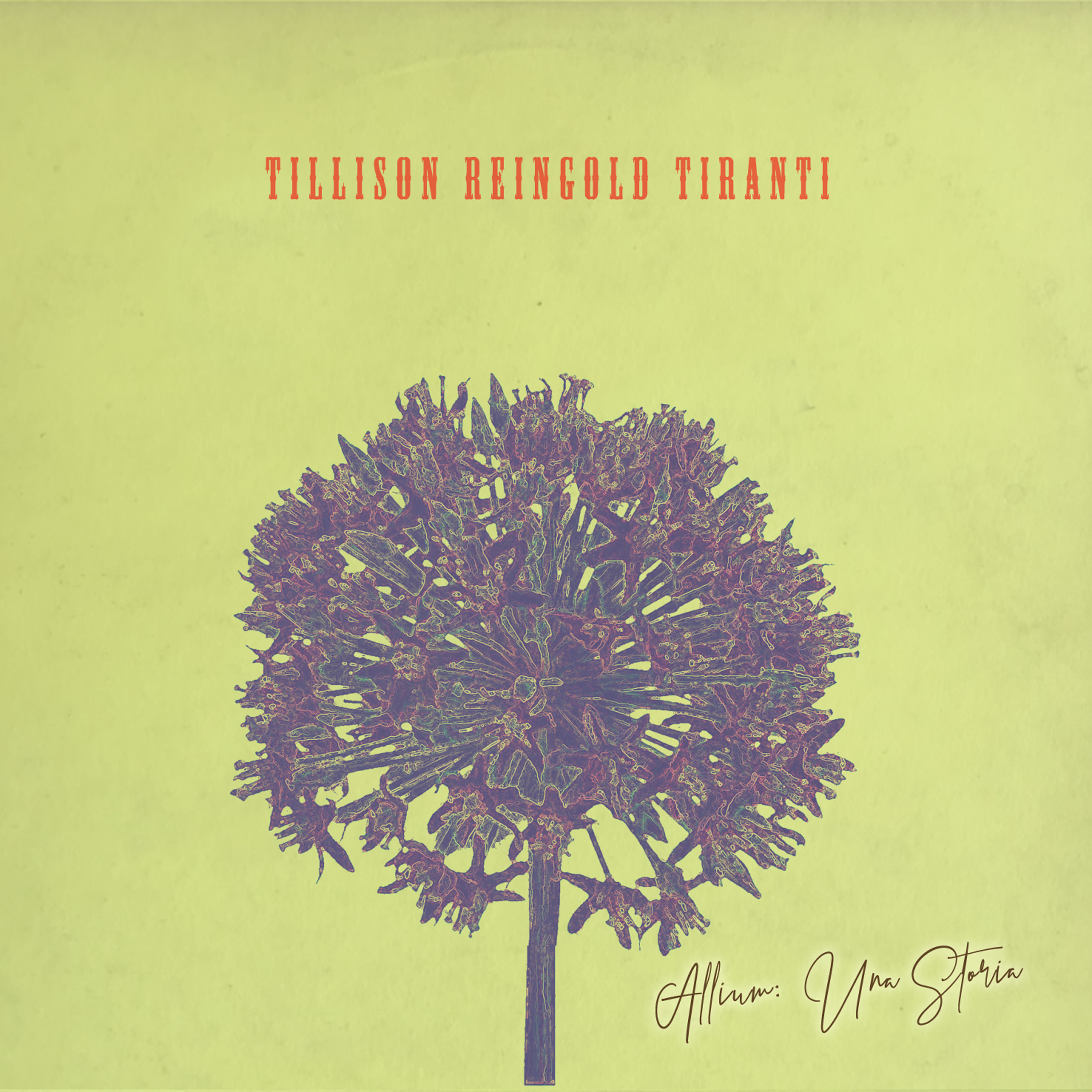
Tillison Reingold Tiranti, Allium – Una Storia: Perhaps Andy Tillison’s most light-hearted effort ever. Back in 1976, a teenage Tillison encountered (and sat in with) the obscure Albanian prog group of the album’s title at an Italian holiday camp — and it changed his life for the better. This lockdown-inspired “homage to a band whose day never came” easily goes beyond a mere tribute to Seventies Europrog, capturing the sheer joy and the heady freedom both Allium and the fledgling Tillison must have felt in those moments. Collaborating with Jonas Reingold (bass and guitars), Roberto Tiranti (vocals) and Antonio DeSarno (Italian lyrics), Tillison contributes some of his best, boldest keyboard work ever on three long, appealingly involved, frequently funky tracks — and plays all the drums! And you get both Tillison’s “Original Mix” (effortlessly conjuring up the period — I was roughly his age at the time) and Reingold’s “Respectful Remix” (which, bourgeois Philistine that I now am, I actually prefer). If you’re interesting in hearing the Tangent’s mainman just having fun, this is your ticket. Order CDs from Reingold Records.
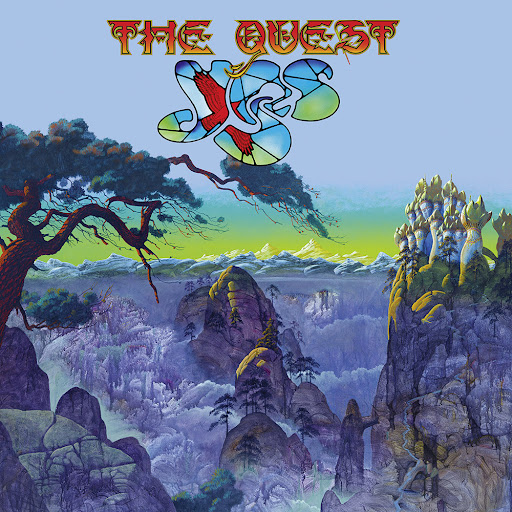
Yes, The Quest: I’d argue that Yes, in any formation, hasn’t made an essential album since 90125. I’d also argue that, when Geoff Downes’ keys and Steve Howe’s sublime guitar really lock together, as on the opening “The Ice Bridge”, the results sound more like upper-mid-level Asia than the band they’re supposed to be in here. But if Yes fans can get past these discontents (as well as the numerous others they’ve accumulated over the decades), they may enjoy The Quest’s estimable (though not overwhelming) charms. Singer Jon Davison brings the requisite lyrical themes of self-actualization and environmental issues to the party; Billy Sherwood does his manful best to channel the spirit of Chris Squire on bass and vocals; and in the studio Alan White can still summon his classic drive, if not the power he had in his prime. The FAMES Orchestra add a dash of Time and A Word/Symphonic Tour luxury to the proceedings as well. While everything’s downshifted multiple gears from Yes’ most rambunctious, energetic — and it has to be said, creative — years this is an unquestionable step up from the appallingly bland Heaven and Earth, with its own modest appeal. I can see a track or two from this fitting nicely into the setlist when Yes finally can bring their long-promised Relayer tour to the Western Hemisphere. Order the album (in CDs, red LPs + CDs, CDs + BluRay combo, and CDs+LPs+BluRay deluxe boxset formats) from Burning Shed.
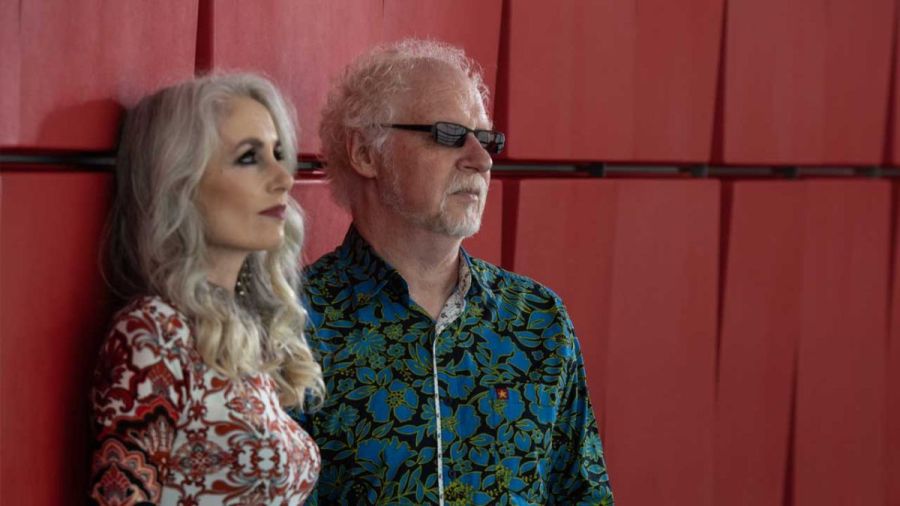
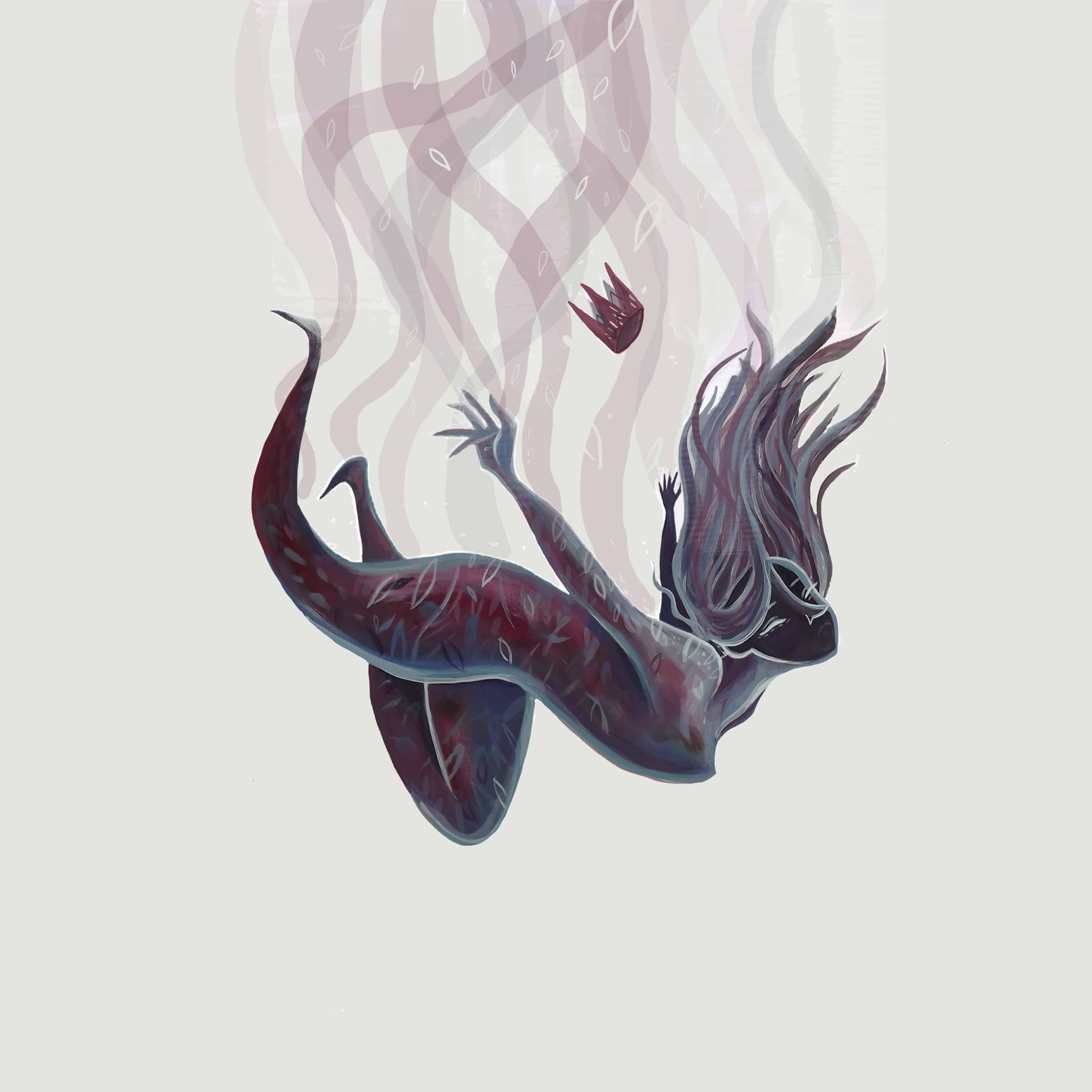
Collaborating as Three Colours Dark, vocalist Rachel Cohen and keyboardist/guitarist Jonathan Edwards made one of my favorite albums of last year. The Science of Goodbye remains a subtle, broodingly elegant debut, spinning a harrowing narrative of escape from both a toxic relationship and inner captivity. TCD’s welcome follow-up, Love’s Lost Property, doesn’t hesitate to ask the obvious questions: what now? How to deal with lingering pain? How to move forward? And in what direction?
The opener/title track sets up the premise. Standing with a ex-lover in the rubble of their broken relationship, Cohen wonders whether things could be different: “Versions of us/Love’s lost property is now in safer hands/Laws of motion proved/Let the light in, let the light in.” Kicking off with bittersweet lines from violinist Kate Ronconi and featuring stinging guitar solos from Tim Hammill and Dave Gregory, “Love’s Lost Property” looks back on the road taken and the damage done in a deliberate, leisurely unrolling musical arc.
“Dark Before Dawn” kicks into an uptempo, acoustic-driven shuffle, complete with countrified Gregory solo work and supple vocal harmonies, as Cohen encourages herself to move on, though the way is still uncertain. Pulled up short by the bitter memories of “Requiem” (beautifully cradled in a soundscape featuring Edwards on piano, Catherine Tanner-Williams on oboe and Andrew Coughlan on double bass), Cohen elegizes love lost in the soaring chorus of “Last Day on Earth” — then pivots to the reluctant but adamant kiss-offs “Wish I Wished You Well” (with more standout violin work) and “The Circus” (a masterclass in the art of the endless Floydian build-up).
As on The Science of Goodbye, it’s a cover that snaps Love’s Lost Property into sharp focus — in this instance, Duran Duran’s “Ordinary World.” Resplendent with Gregory’s 12-string and Ronconi’s lead work, it’s elevated by Cohen’s steely determination as she bites into the chorus (“But I won’t cry for yesterday/There’s an ordinary world somehow I have to find/And as I try to make my way to the ordinary world/I will learn to survive”) then soars into vocalese over violin licks. Then Gregory takes the whole thing even higher, and Edwards caps it off with a lyrical synth solo as the track fades. Whew!
Her journey’s path set, Cohen can move on at last in the emotional tour de force “Eye for An Eye.” Accepting herself, her former partner, the pain given and caused, and all the consequences, her vocals constantly grow in power and focus, feeding off and setting up Steve Simmons’ emotive saxophone work, Edwards’ cinematic synths backing and a wrenching Hammill solo. The whole thing builds to a shattering climax — then gracefully collapses into a “Reprise” of the title track, a perfect bookend to the album.
The shock of the new may have worn off for fans of Three Colours Dark, but the deep emotional content and musical gravity of this second effort are more than adequate compensation; Love’s Lost Property is another marvelously coherent song cycle that gets stronger as it unfolds. Cohen, Edwards and friends get full marks for their vivid, heartfelt portrayal of the comforting, wounding, uniting, dividing magnificence and terror of fallible love in a fallen world.



 Progarchy