Discipline, Unfolded Like Staircase: a stone cold classic of late 1990s prog, freshly remixed by Rush producer Terry Brown. True, this Detroit quartet wore their influences (Gabriel-era Genesis, 1980s King Crimson, Peter Hammill and Van der Graaf Generator) on their sleeves here, but they also gave them a fresh, arresting spin. As Jon Preston Bouda’s guitar, Matthew Kennedy’s bass and Paul Dzendel’s drums weave grim, mesmeric webs of sound, Matthew Parmenter’s flamboyant vocals and literate scenarios drill deep into existential desperation. Lush, dramatic and riveting, the four twilit epics included here, kicking off with the Dante-influenced “Canto IV (Limbo)”, will get under your skin in a breathtaking way. In short, I believe you need this music; get it on CD or LP from The BandWagon USA or download it at Bandcamp. (Here’s hoping Discipline’s studio follow-up To Shatter All Accord and the live This One’s for England get similar treatment in the near future.)
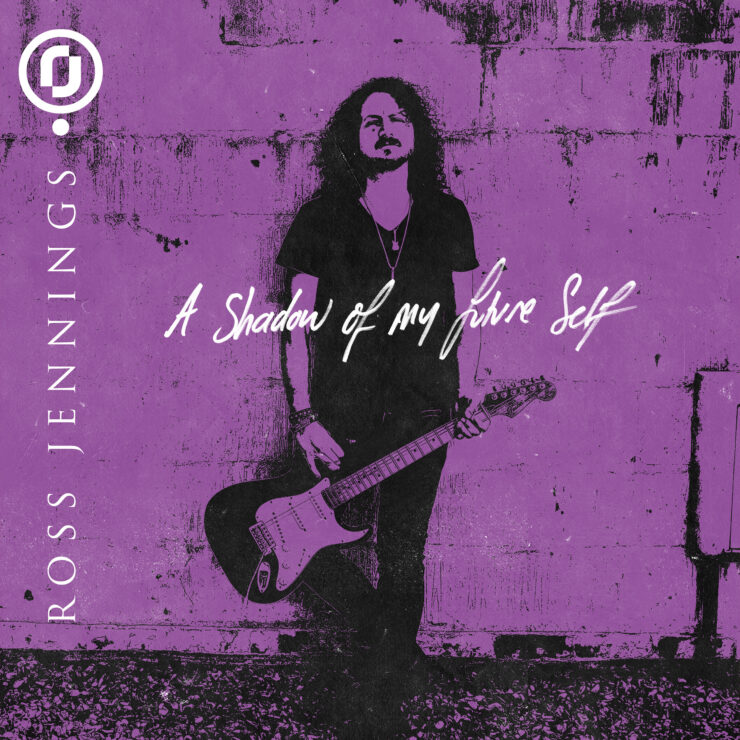
Ross Jennings, A Shadow of My Future Self: a superbly accomplished, immensely appealing solo debut from Haken frontman Jennings. Recorded during (what else?) COVID lockdown, he spans and mixes genres with ease, diving headlong into folk (“Better Times”), funk with lashings of metal (“Violet”), power pop (“Rocket Science”), cinematic ballads (the moving elegy “Catcher in the Rye”) — oh, and even extended-song-form-verging-on-prog workouts (“Phoenix” and “Grounded”). Jennings is at the top of his game on vocals and guitar, backed by stellar players. And the songwriting is outright wonderful; on every single track, the riffs demand air guitar, the verses demand your attention, and the choruses demand a cathartic singalong. Yes, all of this raises my hopes for Jennings’ upcoming collaboration with Nick D’Virgilio and Neal Morse, but that can wait; this thrilling, eclectic album is a genuine treat in itself. Unquestionably my pick of the month. Get it on CD or LP (merch and bundles also available) at OMerch.
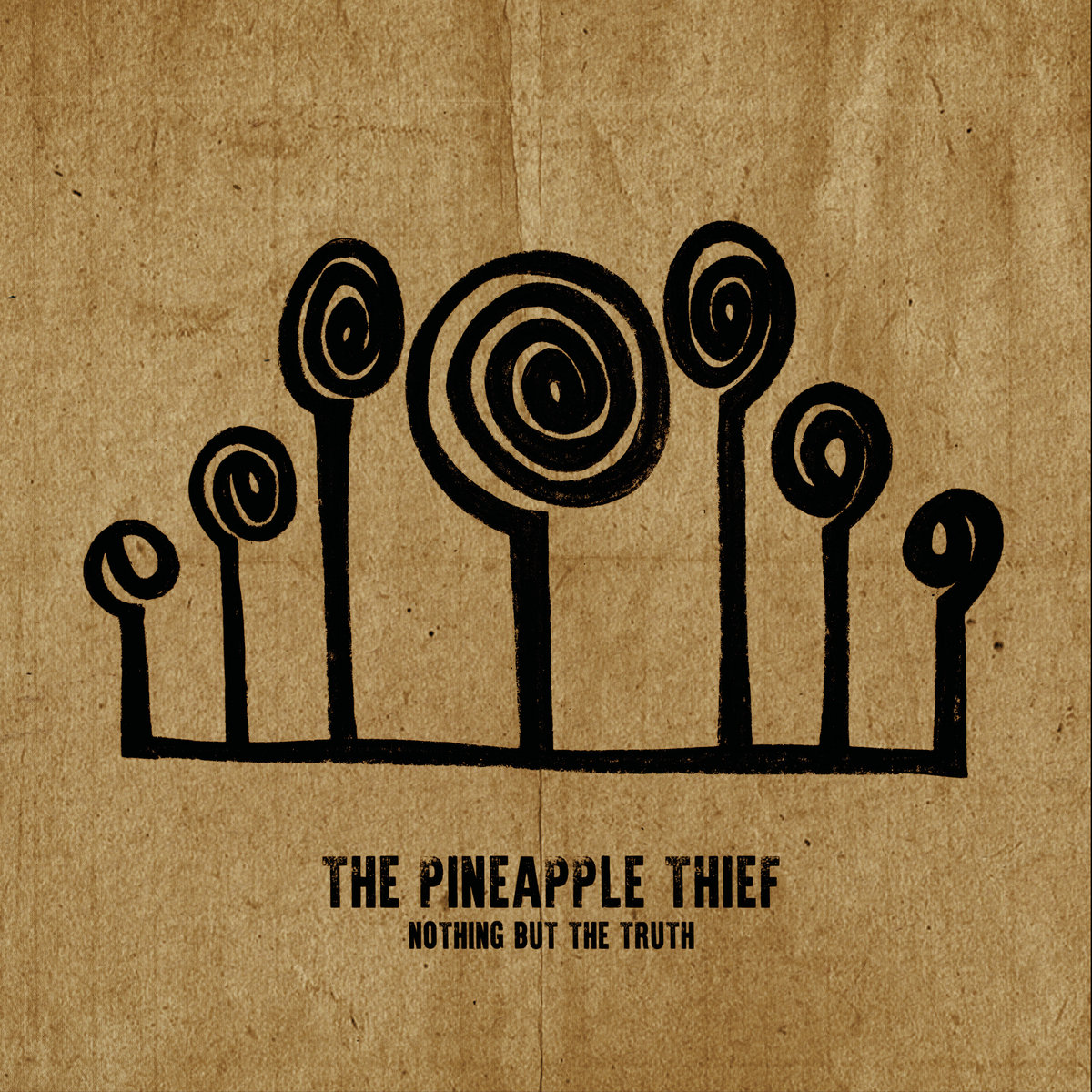
The Pineapple Thief, Nothing but the Truth: whatever the substantial virtues of their studio efforts, The Pineapple Thief’s recent live albums have been where they’ve shone the brightest. Their latest is no exception; filmed for streaming in lieu of their cancelled tour for Versions of the Truth, this 90-minute set finds TPT as brooding, stylish and kickass as ever. Bruce Soord nurses his songs of disillusionment and division through the gathering angst, then opens fire on one blazing chorus after another; Gavin Harrison does the unexpected on drums with astonishing regularity — and yes, I bought the BluRay for the drumcam option! Steve Kitch’s atmospheric keys and Jon Sykes’ throbbing bass are essential ingredients here, not anonymous backing. The new songs gain heightened guts and strength; the dives into the back catalog aren’t just well-calculated, but passionately played, and essential to the set. This one makes me more eager than ever to see The Pineapple Thief when they return to North America next spring. Get it on CD, LP, Blu-Ray video and deluxe artbook box (CD/DVD/BluRay) at Burning Shed.
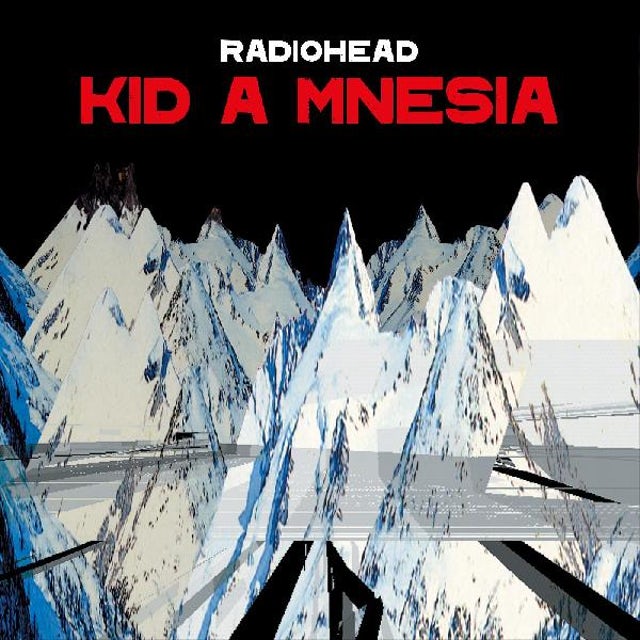
Radiohead, Kid A Mnesia: a band hard at work tearing down the sound that made them world famous, then rebuilding from scratch. Which somehow made them more famous, given that their first Number One album in America was the result. I’ve always found Kid A gripping stuff; with their wholesale shift to glitchy electronica beats, found-sound patchworks, soupy orchestral backing and sharp-edged noise, Thom Yorke, Jonny Greenwood and company achieved a genuine paradox — alienation embodied in music, that immediately connected with a mass audience. And when Radiohead walked backward into rock on Amnesiac, the success of their breakaway strategy made both guitar-based grooves like “I Might Be Wrong” and off-kilter art-pop like “Pyramid Song” even more effective. This triple-disc reissue pulls the era together with a bonus set of ear-tickling odds and sods: Yorke, the most deliberately unbeautiful of singers, reaches for actual purity of tone on the unreleased songs, while Greenwood scratches his avant-garde compositional itches, courtesy of a full string section. Get it on CD, LP, cassette or download from Radiohead’s webstore.
The War on Drugs, I Don’t Live Here Anymore: a recent immersion course in Adam Granduciel’s ongoing project — regrafting 1980s tropes like tick-tock rhythms and thick ambient textures onto the stock of classic rock — has proved enticing, though not consistently galvanizing. The War on Drugs’ latest slab of Big Rock Redux is their most organic album to date, integrating the blips and blobs with the rootsy muscle of a tight sextet. Whether a given track goes minimal or maximal, each musical backdrop is built in loving, precise detail, and the simple hooks become earworms before you know it. Granduciel’s vocals — his most individual to date — insistently ride the rhythms, his songs meditating on scenes of a dissatisfied youth (“Change”, “Victim”), then finding unanticipated serenity in the quiet victories and encroaching vulnerabilities of middle age (“Living Proof”, the widescreen title track, “Occasional Rain”). This one snuck up on me via multiple evening listens, and now it’s not letting go; see if it grabs you! Get it on LP, CD or cassette from TWoD’s webstore.
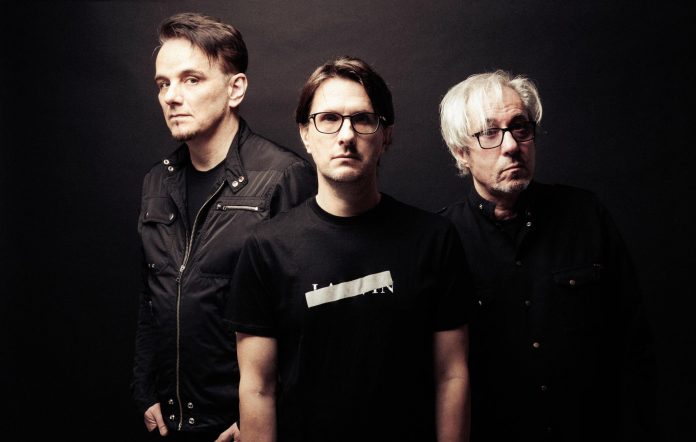
A new song from Porcupine Tree (Steven Wilson, Richard Barbieri and Gavin Harrison) is now available on all major streaming services (and on video in Europe). Herewith, “Harridan”:
Harridan and a few of the other new songs have been in play since shortly after the release of The Incident. They initially lived on a hard drive in a slowly growing computer file marked PT2012, later renamed PT2015, PT2018, and so on.
There were times when we even forgot they were there, and times when they nagged us to finish them to see where they would take us. Listening to the finished pieces, it was clear that this wasn’t like any of our work outside of the band – the combined DNA of the people behind the music meant these tracks were forming what was undeniably, unmistakably, obviously a Porcupine Tree record.
You’ll hear all of that DNA flowing right through Harridan.
The new album, titled Closure/Continuation, was completed in September and will be released on Music for Nations/Sony on June 24, 2022. Regular and deluxe CD and LP editions are now available for pre-order at the PT webstore and at Burning Shed. (Burning Shed’s exclusive white vinyl version is already sold out.)
European tour dates have been announced for October/November 2022, with tickets on sale Friday, November 5. Pre-ordering the album through the PT webstore (or just registering there) guarantees pre-sale access this Wednesday, November 3. US and Canada tour dates for autumn 2022 will be announced early next year.
All details above are available via PT’s website. Let the anticipation (and/or the bellyaching) commence …
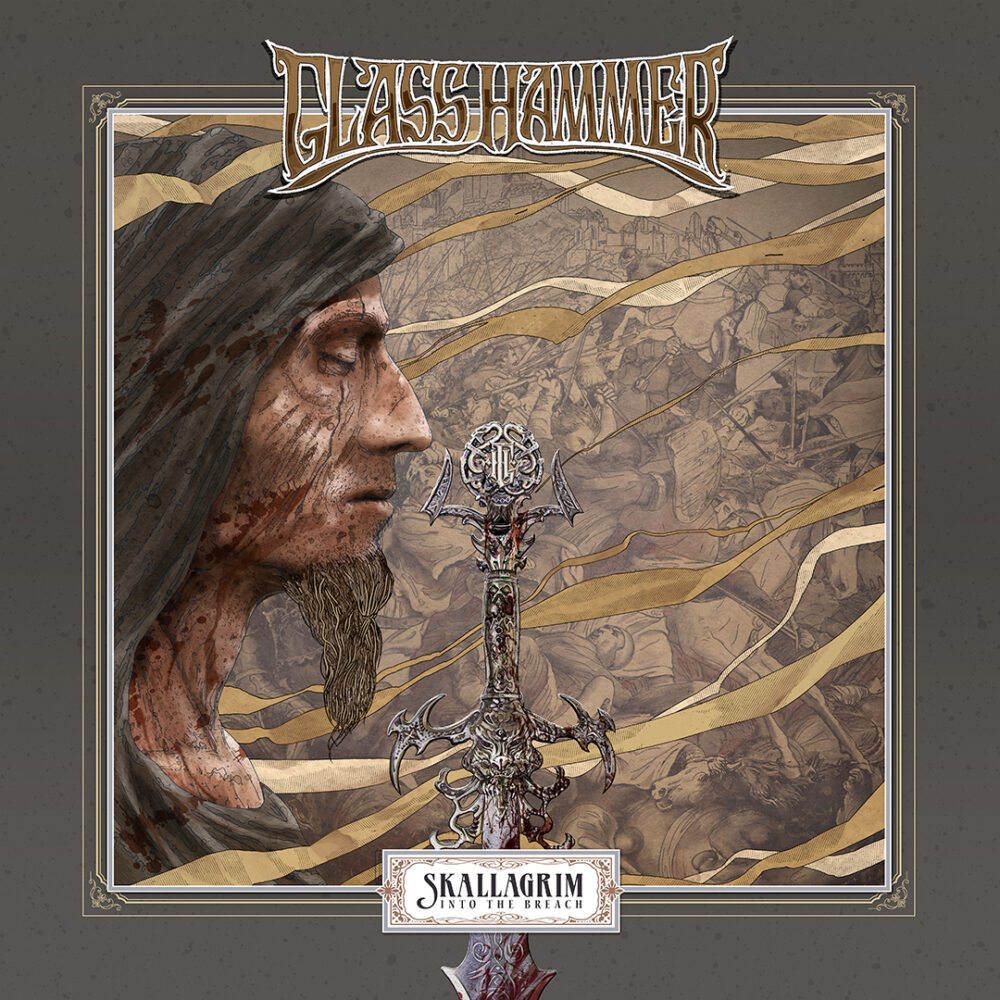
Glass Hammer, Skallagrim – Into the Breach: Fred Schendel, Steve Babb and company return with the second installment of their multi-part “sword and sorcery” epic, begun on 2020’s Dreaming City. The music rocks hard and heavy, evoking everyone from Deep Purple to Mastodon (and yes, a fair amount of Rush), with just enough moody, ambient keyboard work to cleanse your aural palate before the next round of crunchy power chords. All this marvelously matches the grimdark vibe of the titular hero’s melodramatic quest for his lost love. (And a surprise lyrical callback to an earlier GH album sets up tantalizing possibilities regarding just who that lost love is.) To top it all off, new vocalist Hannah Pryor proves a major discovery, surfing Schendel and Babb’s gargantuan riffs with zest, grace and power to spare. Every bit as involving as Dreaming City, this fine album is a blast in every sense of the term. Order signed CDs, downloads and merch direct from Glass Hammer’s webstore.
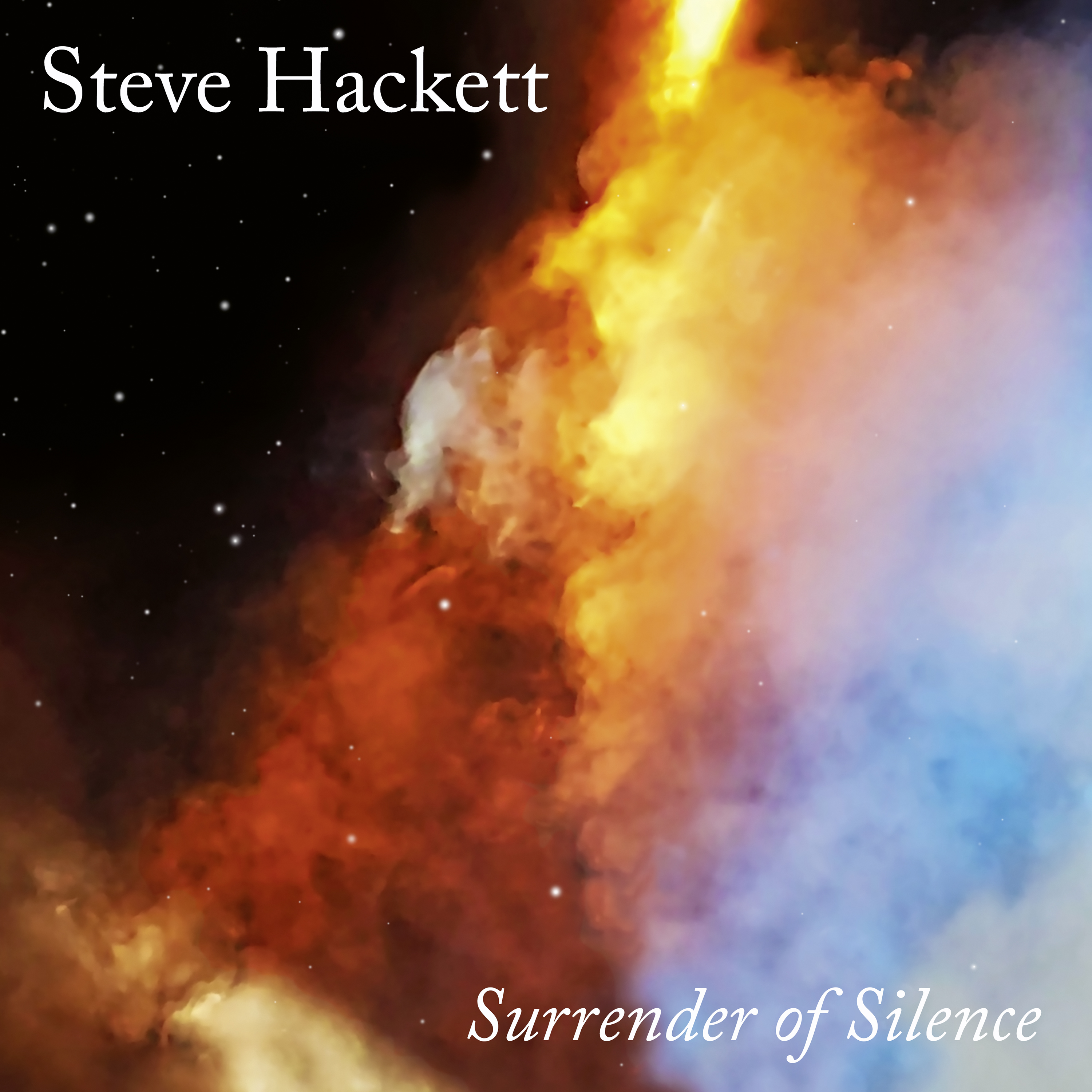
Steve Hackett, Surrender of Silence: enter one legendary guitarist, shredding! Hackett lets himself off the leash here, laying down both his wildest compositions and his most hardcore playing in quite some time. The tunes can actually be a bit undercooked, their influences not always fully assimilated (‘Hmm, Prokofiev . . . wait, Brubeck’s “Blue Rondo A La Turk”!?! . . . good grief, is that lick really “Theme from Exodus”???’). Nonetheless, Hackett’s swashbuckling solos atop Roger King’s widescreen orchestrations are irresistible as always; he and wife Jo serve up fresh sonic travelogues such as “Wingbeats” and “Shanghai to Samarkand”; and full-on burners like “Relaxation Music for Sharks” and “The Devil’s Cathedral” (featuring Hackett’s full band, including Nad Sylvan on vocals) never fail to thrill. Perhaps it’s not up to the towering heights ofAt the Edge of Light and Under A Mediterranean Sky, but Hackett’s latest is well worth your while. Order signed albums (CD, CD+BluRay combo, LP or LP+CD combo) direct from his webstore.
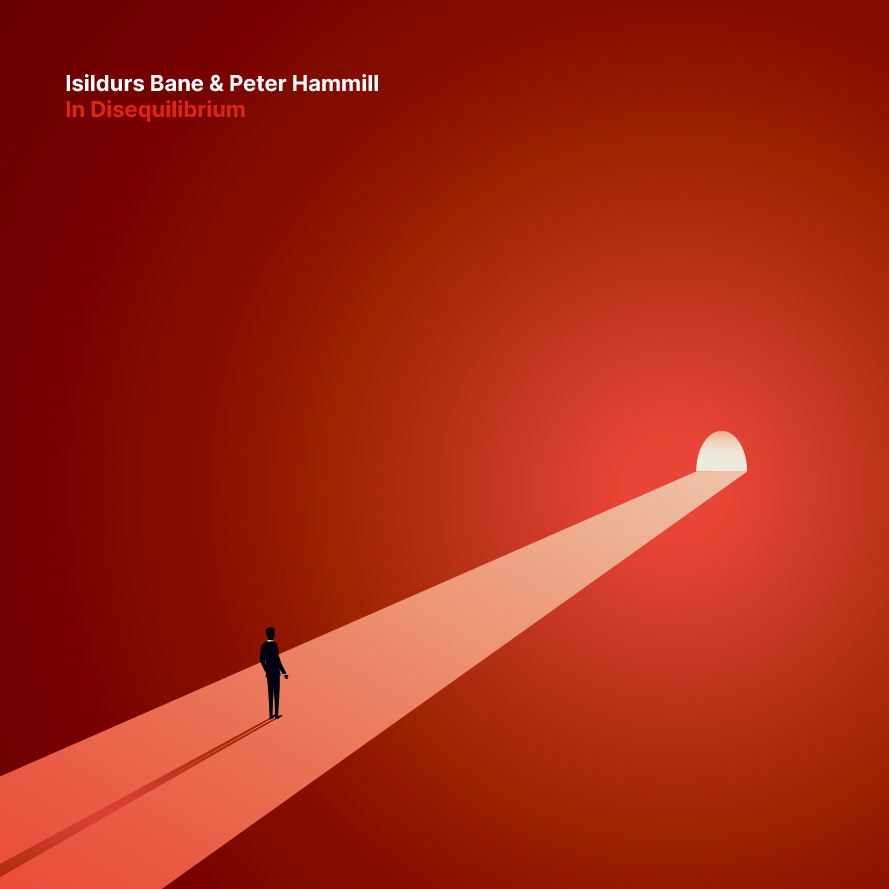
Isildur’s Bane& Peter Hammill, In Disequilbrium: Mats Johansen’s expandable international ensemble (including King Crimson’s Pat Mastelotto on drums this time) reconnects with Van der Graaf Generator visionary Hammill; two sprawling multi-movement suites result. The three-part title piece careens between hard-driving rock, off-kilter electronica, spastic percussion interludes and haunting chamber textures, as Hammill decries a post-pandemic world that was already primed for chaos. (“There’s no choreography, dance the Tarantella./In disequilibrium round and round forever we’ll go.”) In the four-part “Gently (Step by Step)”, Hammill supplies winningly vulnerable encouragement to face whatever the future holds; the band drapes his incantatory vocals in dizzying sonic collages that somehow always sound forlorn, no matter the timbre or tempo at a particular moment. This one definitely requires multiple plays to unfold its secrets, but it’s well worth the effort; the way IB’s devastatingly precise, multilayered processes track with the unpredictable contours of Hammill’s apocalyptic meditations must be heard to be believed. Order CDs and LPs (plus previous collaborations with Hammill and Marillion’s Steve Hogarth)at Burning Shed’s Isildur’s Bane store.
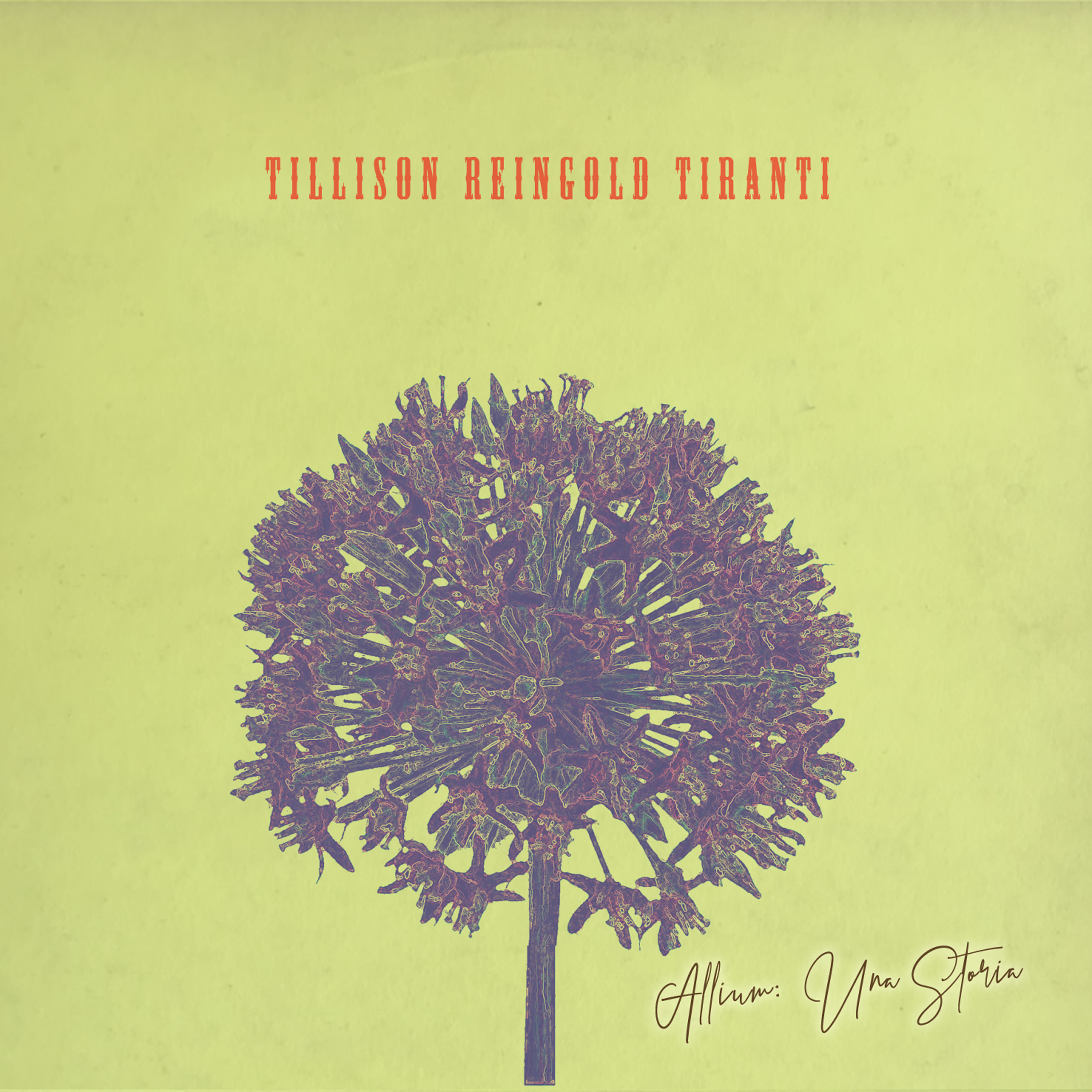
Tillison Reingold Tiranti, Allium – Una Storia: Perhaps Andy Tillison’s most light-hearted effort ever. Back in 1976, a teenage Tillison encountered (and sat in with) the obscure Albanian prog group of the album’s title at an Italian holiday camp — and it changed his life for the better. This lockdown-inspired “homage to a band whose day never came” easily goes beyond a mere tribute to Seventies Europrog, capturing the sheer joy and the heady freedom both Allium and the fledgling Tillison must have felt in those moments. Collaborating with Jonas Reingold (bass and guitars), Roberto Tiranti (vocals) and Antonio DeSarno (Italian lyrics), Tillison contributes some of his best, boldest keyboard work ever on three long, appealingly involved, frequently funky tracks — and plays all the drums! And you get both Tillison’s “Original Mix” (effortlessly conjuring up the period — I was roughly his age at the time) and Reingold’s “Respectful Remix” (which, bourgeois Philistine that I now am, I actually prefer). If you’re interesting in hearing the Tangent’s mainman just having fun, this is your ticket. Order CDs from Reingold Records.
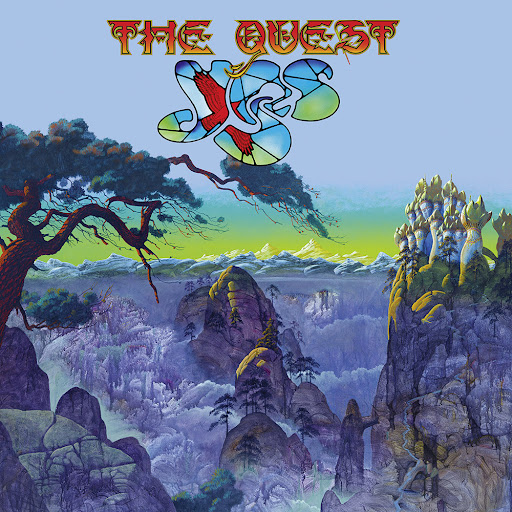
Yes, The Quest: I’d argue that Yes, in any formation, hasn’t made an essential album since 90125. I’d also argue that, when Geoff Downes’ keys and Steve Howe’s sublime guitar really lock together, as on the opening “The Ice Bridge”, the results sound more like upper-mid-level Asia than the band they’re supposed to be in here. But if Yes fans can get past these discontents (as well as the numerous others they’ve accumulated over the decades), they may enjoy The Quest’s estimable (though not overwhelming) charms. Singer Jon Davison brings the requisite lyrical themes of self-actualization and environmental issues to the party; Billy Sherwood does his manful best to channel the spirit of Chris Squire on bass and vocals; and in the studio Alan White can still summon his classic drive, if not the power he had in his prime. The FAMES Orchestra add a dash of Time and A Word/Symphonic Tour luxury to the proceedings as well. While everything’s downshifted multiple gears from Yes’ most rambunctious, energetic — and it has to be said, creative — years this is an unquestionable step up from the appallingly bland Heaven and Earth, with its own modest appeal. I can see a track or two from this fitting nicely into the setlist when Yes finally can bring their long-promised Relayer tour to the Western Hemisphere. Order the album (in CDs, red LPs + CDs, CDs + BluRay combo, and CDs+LPs+BluRay deluxe boxset formats) from Burning Shed.
Collaborating as Three Colours Dark, vocalist Rachel Cohen and keyboardist/guitarist Jonathan Edwards made one of my favorite albums of last year. The Science of Goodbye remains a subtle, broodingly elegant debut, spinning a harrowing narrative of escape from both a toxic relationship and inner captivity. TCD’s welcome follow-up, Love’s Lost Property, doesn’t hesitate to ask the obvious questions: what now? How to deal with lingering pain? How to move forward? And in what direction?
The opener/title track sets up the premise. Standing with a ex-lover in the rubble of their broken relationship, Cohen wonders whether things could be different: “Versions of us/Love’s lost property is now in safer hands/Laws of motion proved/Let the light in, let the light in.” Kicking off with bittersweet lines from violinist Kate Ronconi and featuring stinging guitar solos from Tim Hammill and Dave Gregory, “Love’s Lost Property” looks back on the road taken and the damage done in a deliberate, leisurely unrolling musical arc.
“Dark Before Dawn” kicks into an uptempo, acoustic-driven shuffle, complete with countrified Gregory solo work and supple vocal harmonies, as Cohen encourages herself to move on, though the way is still uncertain. Pulled up short by the bitter memories of “Requiem” (beautifully cradled in a soundscape featuring Edwards on piano, Catherine Tanner-Williams on oboe and Andrew Coughlan on double bass), Cohen elegizes love lost in the soaring chorus of “Last Day on Earth” — then pivots to the reluctant but adamant kiss-offs “Wish I Wished You Well” (with more standout violin work) and “The Circus” (a masterclass in the art of the endless Floydian build-up).
As on The Science of Goodbye, it’s a cover that snaps Love’s Lost Property into sharp focus — in this instance, Duran Duran’s “Ordinary World.” Resplendent with Gregory’s 12-string and Ronconi’s lead work, it’s elevated by Cohen’s steely determination as she bites into the chorus (“But I won’t cry for yesterday/There’s an ordinary world somehow I have to find/And as I try to make my way to the ordinary world/I will learn to survive”) then soars into vocalese over violin licks. Then Gregory takes the whole thing even higher, and Edwards caps it off with a lyrical synth solo as the track fades. Whew!
Her journey’s path set, Cohen can move on at last in the emotional tour de force “Eye for An Eye.” Accepting herself, her former partner, the pain given and caused, and all the consequences, her vocals constantly grow in power and focus, feeding off and setting up Steve Simmons’ emotive saxophone work, Edwards’ cinematic synths backing and a wrenching Hammill solo. The whole thing builds to a shattering climax — then gracefully collapses into a “Reprise” of the title track, a perfect bookend to the album.
The shock of the new may have worn off for fans of Three Colours Dark, but the deep emotional content and musical gravity of this second effort are more than adequate compensation; Love’s Lost Property is another marvelously coherent song cycle that gets stronger as it unfolds. Cohen, Edwards and friends get full marks for their vivid, heartfelt portrayal of the comforting, wounding, uniting, dividing magnificence and terror of fallible love in a fallen world.
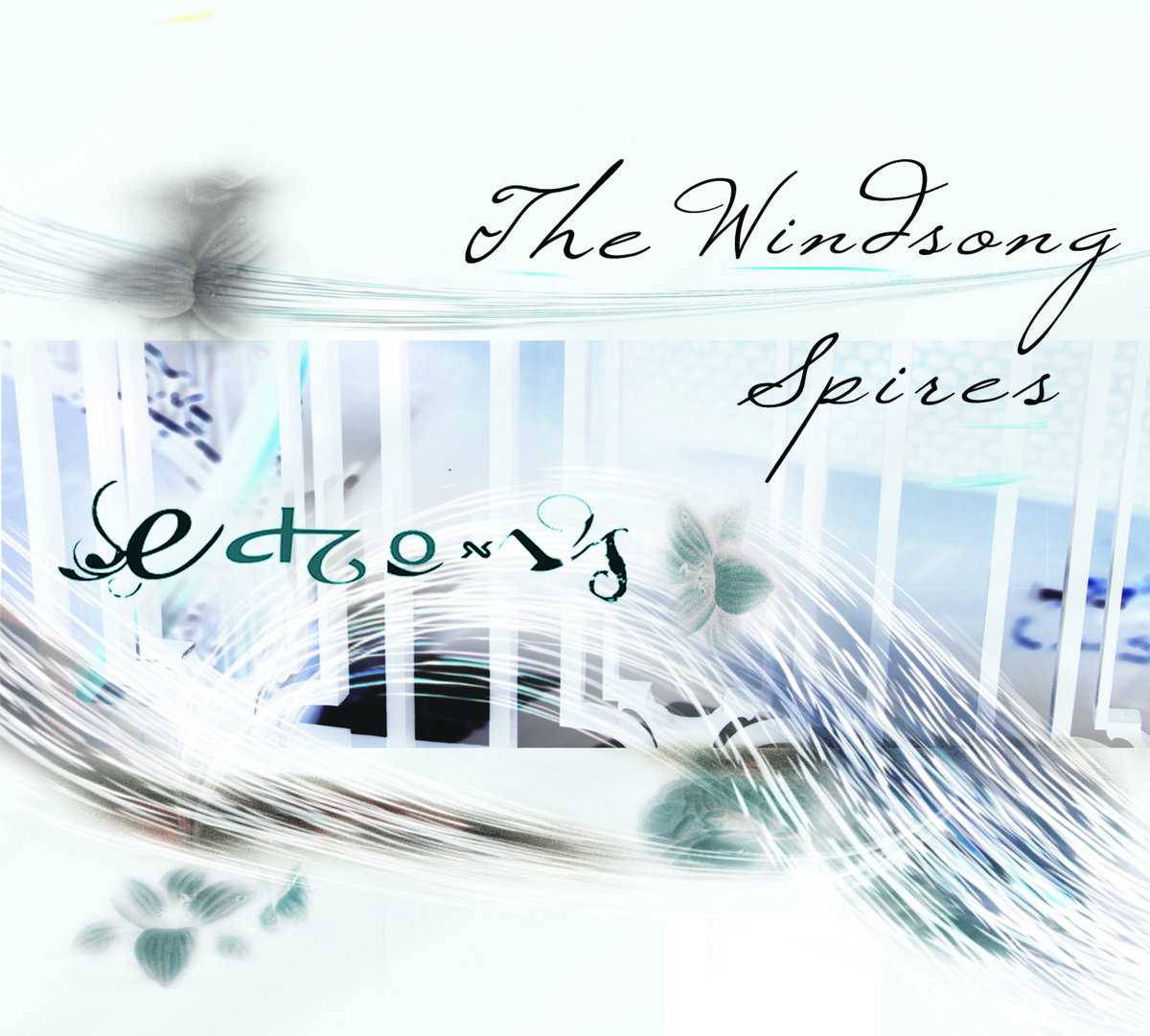
Echo Us, The Windsong Spires, June 22, 2021 Tracks: We Seek the Descending Levers, (8:06), If You Can Imagine… (5:29), The Night Sky (3:19), When the Windsong Spires, (5:49), Squals (3:53), (Fly You Home) (4:41), And When They Dance At Dusk, (4:16), I’ll Wave You In (4:54), (And Acquiesce) (5:41), If We Can Breathe Again… (3:39), Under the Smallest Sky (11:40)
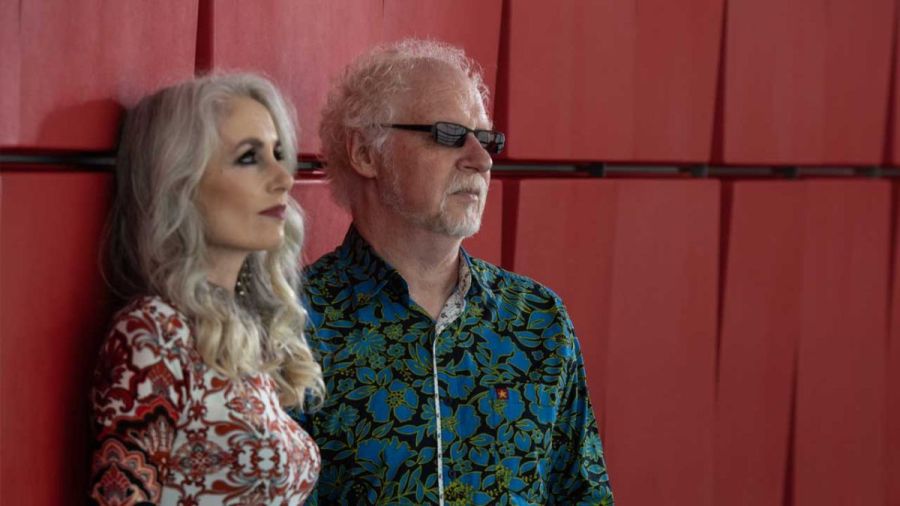
Electronic. Atmospheric. Ethereal. These are just a few of the words I could use to describe Portland, Oregon, music project Echo Us. The band was founded by composer and multi-instrumentalist Ethan J. Matthews 20 years ago. He is joined on the record by drummer Andrew Greene and vocalist Charlotte Engler. Matthews provides vocals, guitars, hammered dulcimer, glockenspiel, percussion, and synthesizers.
Just based upon the variety of instruments Matthews plays, you might guess that his music has a rather eclectic mix, and you’d be right. Their sound ranges from atmospheric to classical and folk, all within a subtle rock context. I even picked up what sounded a bit like a Pacific Northwestern Native American influence in the opening moments of the album. Piano plays a prominent role on the record, along with clean electric guitar.
The vocals contribute to the ethereal tone of much of the music, but the drums keep the music grounded here on earth without allowing the album to get too heady. In that way there’s a nice balance between the various sounds. The mix of male and female vocals also contributes to the balance of the sound on the record. Matthews’ voice reminds me of Tim Bowness, and Engler’s voice reminds me a bit of Kate Bush or Amanda Lehman.
The music helps tell a story. “The Night Sky” is primarily piano with synth sounds swirling around it and ghostly vocals at times throughout the brief track. The listener is left picturing a calm, cool night sky away from the hustle and bustle of the city.
Greene’s drums and percussion on the record might sound relatively straightforward at first notice, but when you dig in you notice there’s a lot going on. One moment it might be a simple drum part, but the next might have a military-style snare drumming, such as on a portion of “When the Windsong Spires.” This conjures up new images in the mind, adding to the musical tapestry Echo Us create.
I’m not positive that this is intentional, but I get the feeling that the names of the tracks are meant to be read together as you might read an imagist poem. Since the names of the songs include punctuation, I suspect I’m right.
We Seek the Descending Levers, If You Can Imagine… The Night Sky When the Windsong Spires, Squals (Fly You Home) And When They Dance At Dusk, I’ll Wave You In (And Acquiesce) If We Can Breathe Again… Under the Smallest Sky
This is a pretty cool way to add texture to a record. You have the poetry of the lyrics, but to use the very names of the songs to create another poem is unique.
One might classify The Windsong Spires as ambient music, but there’s a lot more going on than just ambient sounds. The drums and guitars bring in elements of rock, although I don’t know if I can call this outright rock ‘n roll. At the end of the day genres can be rather meaningless categories to which we assign music. What really matters is whether or not the music is good, and Echo Us is very good. Their music has had a calming effect on me, which has been much appreciated and needed lately. When everything else seems to be crashing and burning, it’s nice to settle back into something that slows you down and makes you think.
As previously promised, a look at the big reissues landing in the next few months — especially those available in one or more box set formats. Ordering links are embedded in the artist/title listings below.
Out Now:
The Beach Boys, Feel Flows – TheSunflower and Surf’s Up Sessions, 1969-1971: between their initial impact and their imperial phase as timeless purveyors of fun fun fun, Brian Wilson and his family pursued heaviness and relevance in a market that thought it had outgrown them — at least for the moment. This slice of the Boys’ catalog features less slick, more homespun takes on their timeless concerns (the same amount of girls, less cars, more daily life), with Wilson brothers Dennis (on Sunflower) and Carl (on Surf’s Up) taking the lead. The brilliant moments — “This Whole World,” “Forever,” “Long Promised Road,” “Til I Die” for starters — outweigh the embarrassingly dated ones, and music to make you smile is never too long in coming. Available from The Beach Boys’ webstore as 2 CDs, 5 CDs, 2 LPs or 4 LPs (colored vinyl).
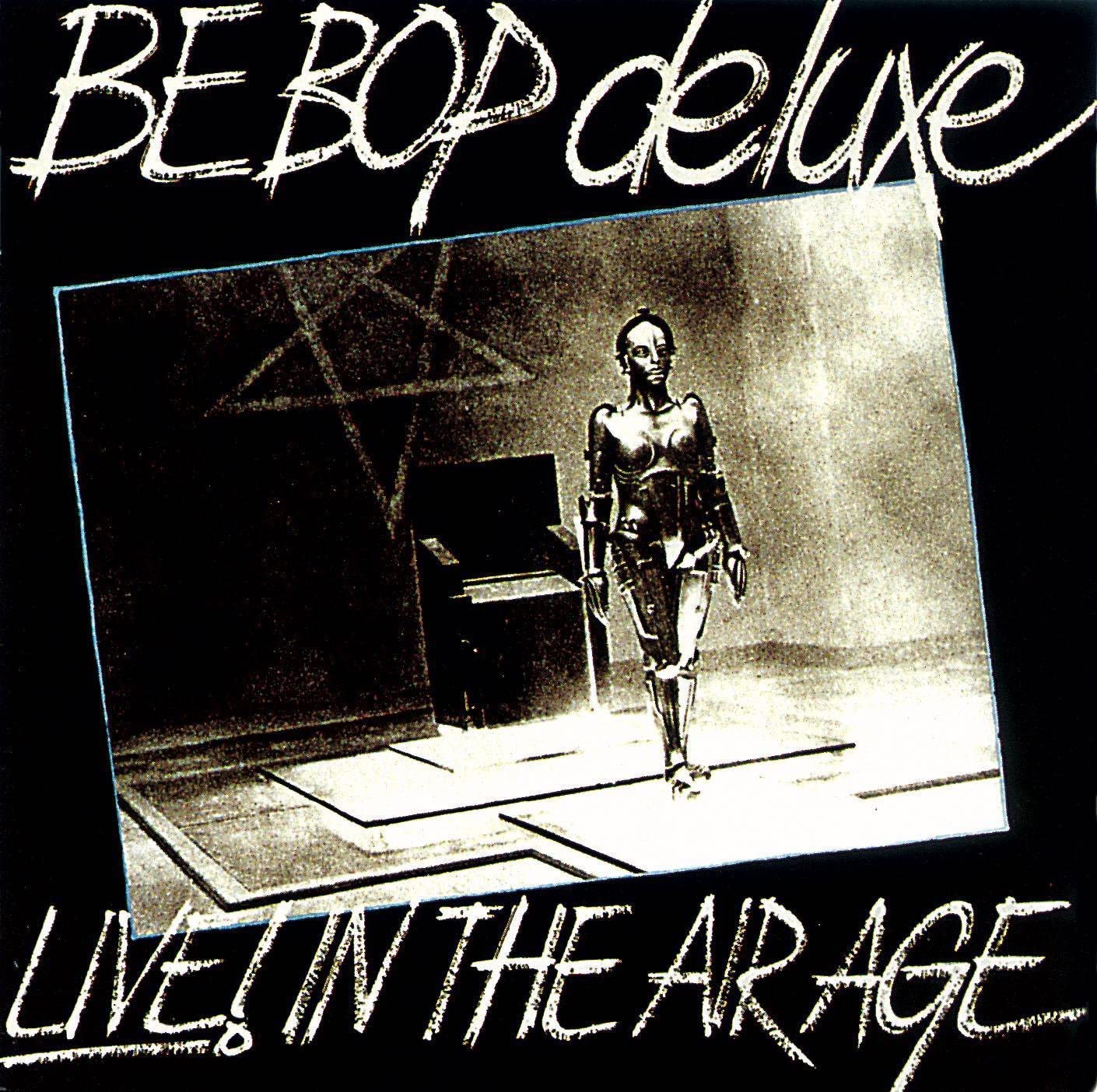
BeBop Deluxe, Live in the Air Age:when Bill Nelson’s avant-glam guitar heroics didn’t generate bigger record sales, a live album was the next obvious move for this sterling British quartet. Better chart positions weren’t forthcoming, but 1977’s Live in the Air Age is an exquisite slab of BBD at work — Chuck Berry updated for the Apollo era, with a bit of Bowie/Mercury panache in Nelson’s vocals and blazing solos aplenty. Available from Esoteric Recordings as 3 CDs (adding the complete 1977 London concert) or 15 CDs/1 DVD (adding all surviving recordings from the 1977 British tour and a live television special).
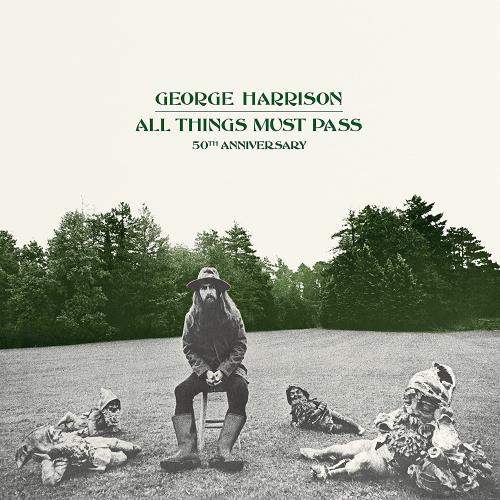
George Harrison, All Things Must Pass: the quiet Beatle exploded on his first album after the Fabs’ breakup, immersing his radiant devotional compositions in Phil Spector’s patented Wall of Sound and drafting Ringo, Badfinger and the embryonic Derek and the Dominoes as his rock orchestra. The new remix scales back the symphonic swirl, brings forward George’s vocals, and gives the rhythm section a kick in the pants; just right to these ears. A serious contender for the single best solo Beatle album, well worth an immersion course. Available from the Harrison webstore in Standard (2 CDs or 3 LPs — limited colored vinyl available as well), Deluxe (3 CDs or 5 LPs), Super Deluxe (5 CDs/BluRay or 8 LPs) and Uber Deluxe (5 CDs/BluRay/8 LPs/various bespoke gimcracks/”artisan wooden crate” — you don’t wanna know what it costs) editions.
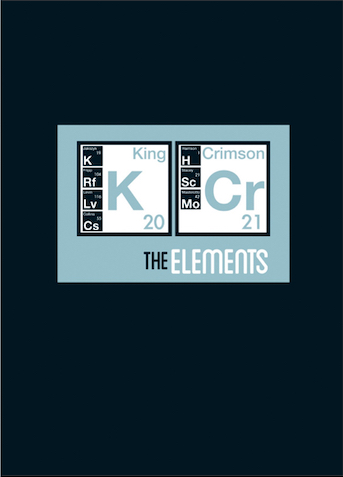
The Elements of King Crimson – 2021 Tour Box: the 7th annual compilation of tidbits from the Discipline Global Mobile archives, doubling as a concert program. This year’s selection of rarities focuses on the nine drummers that have called King Crimson their musical home (sometimes two or three of them at once). Studio snippets – like the one with Fripp, John Wetton on bass and Phil Collins on drums – live tracks, oddities, previews of coming attractions, and more. Available from Burning Shed or on Crimson’s current USA tour.
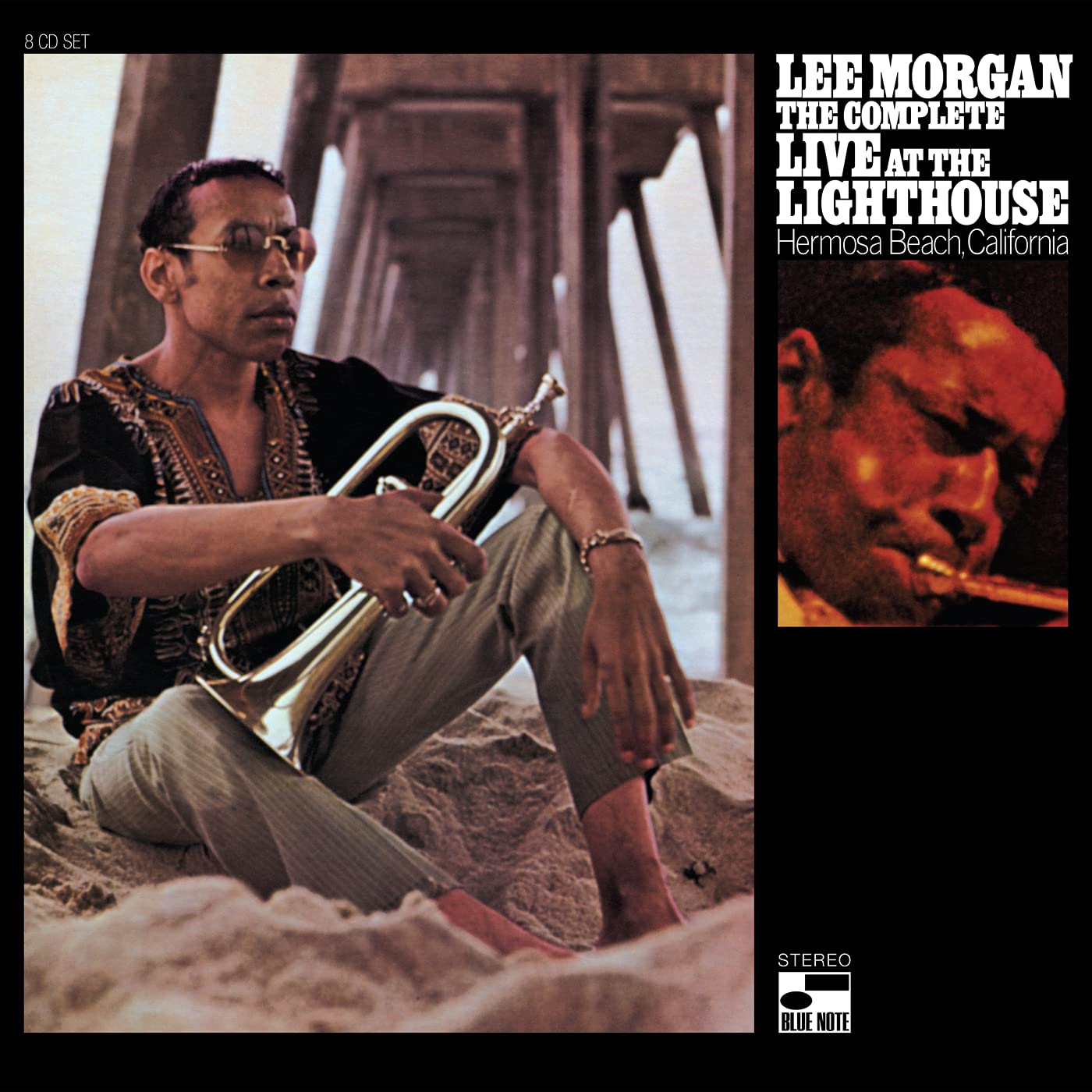
Lee Morgan, The Complete Live at the Lighthouse: never a mass media superstar, Morgan was nonetheless a jazz icon — one of the finest trumpeters of his day who played with heroes of the music like Art Blakey and John Coltrane, recorded more than 20 albums as a leader for Blue Note Records, and even managed to score a Top 25 pop hit with his funky “The Sidewinder.” This box (another product of jazz archivist Zev Feldman’s boundless energy) sets forth an entire weekend’s worth of recordings by Morgan and his dedicated, powerful 1970 band. Bennie Maupin on reeds, Harold Mabern on piano, Jymie Merritt on bass and Mickey Roker on drums bring the sophisticated, challenging compositions and spirited solos and backing; Morgan takes it from there, lyrical and fiery in turn. This is a great potential entry point if you want to explore jazz as a newbie, and a serious desert island possiblility for those already into the music. Available from Blue Note’s webstore as 8 CDs or 12 LPs.
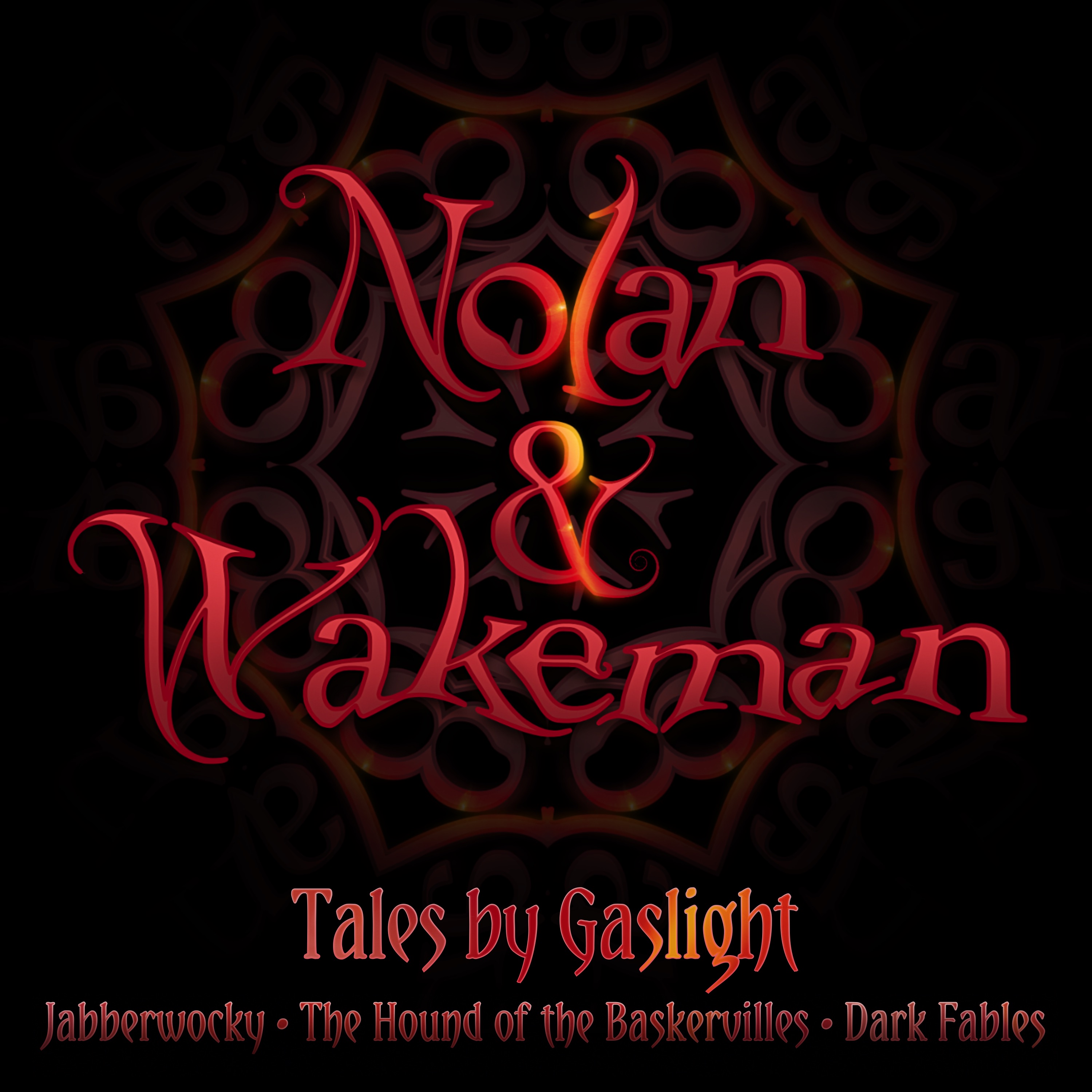
Clive Nolan and Rick Wakeman, Tales by Gaslight: keyboardists Nolan (Pendragon, Arena) and Wakeman (Yes, Strawbs) box up their out-of-print concept albums Jabberwocky (with dad Rick W. reciting Lewis Carroll’s nonsense verse) and The Hound of the Baskervilles, adding a bonus disc collecting rough drafts of a 3rd album based on Frankenstein. Separate booklets and art prints for each of the 3 CDs included. Theatrical as all get out, and surprisingly good fun if you’re in the mood for Victorian-flavored melodrama. Available from Burning Shed.
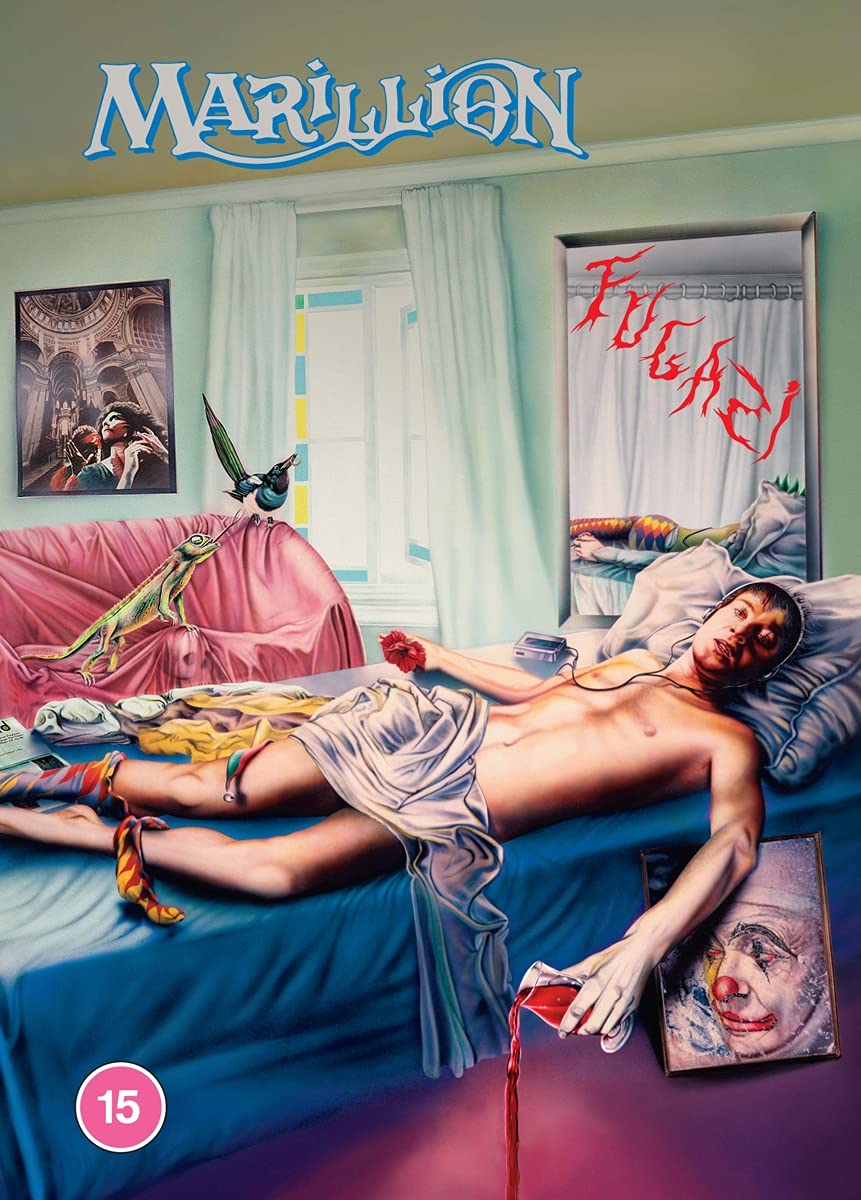
Marillion, Fugazi: the band’s 1984 album, perceived as a “sophomore slump” at the time, is much more than a bridge between the feral debut Script for A Jester’s Tear and the early masterwork Misplaced Childhood, with plenty of gripping moments to recommend it. A new remix by Andy Bradfield and Avril Mackintosh compensates handily for the production nightmares recounted in this deluxe edition’s copious notes. Also includes a complete live set from Montreal; the CD/BluRay version adds bonus tracks, documentaries, and a Swiss television concert. Out September 10; pre-order from Marillion’s webstore as 4 CDs/BluRay or 4 LPs.
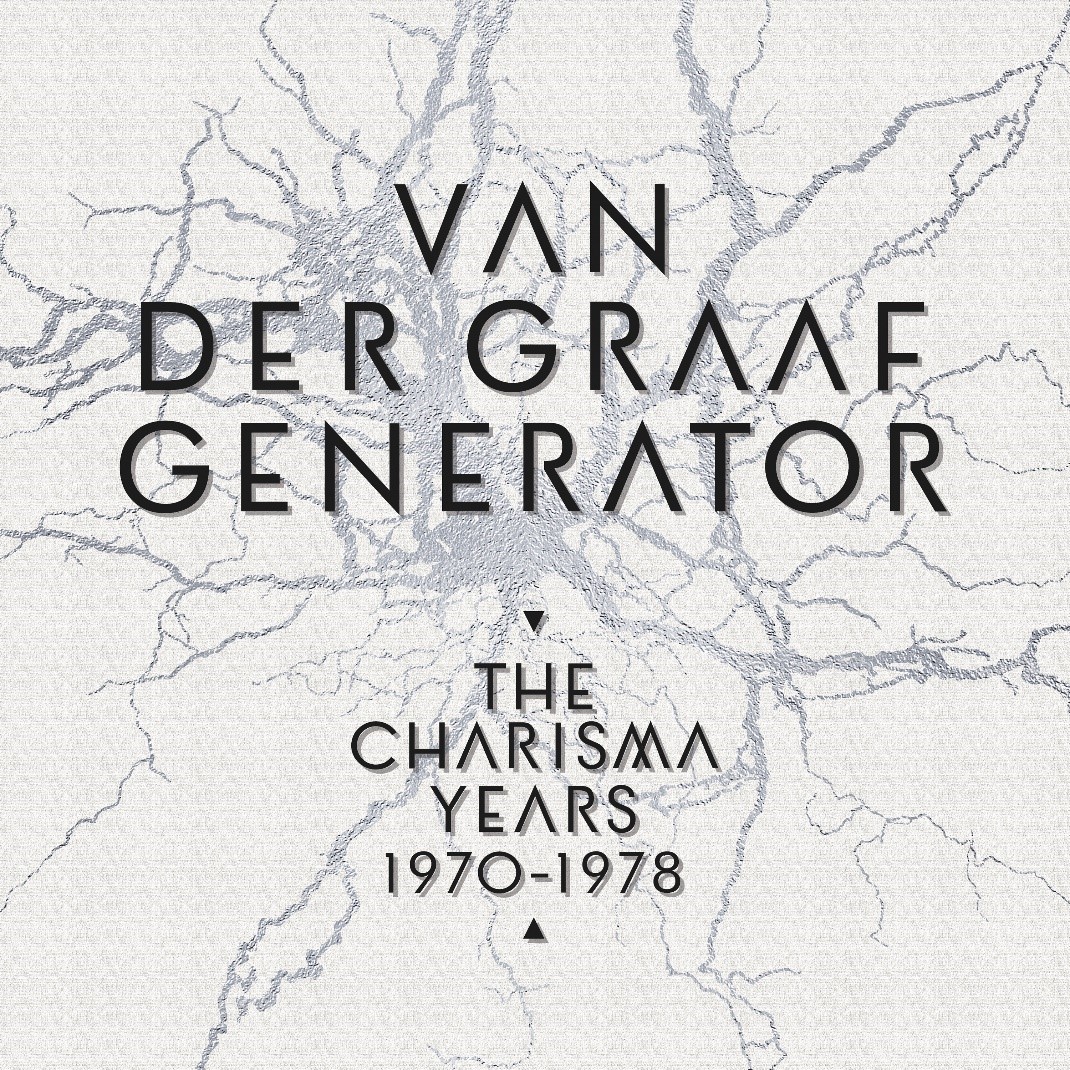
Van der Graaf Generator, The Charisma Years, 1970-1978: VDGG may have shared the stage with Genesis in each band’s formative years, but they were a thoroughly different beast. Peter Hammill’s desperate existential narratives and the wigged out instrumental web woven by David Jackson, Hugh Banton and Guy Evans made for a unique, highly combustible chemistry — bonkers dystopian sci-fi narrative over free jazz one moment, raggedly soaring hymns to human potential the next. This 17 CD/3 BluRay set collects the band’s 8 studio albums from the Seventies, adding extensive BBC sessions, a live show from Paris, all surviving television appearances “and more.” Now available from Burning Shed; the four newly remastered albums in this box (H to He Who Am the Only One, Pawn Hearts, Godbluffand Still Life) are available as separate CD/DVD sets for those wanting a lower priced introduction to this underrated band’s indescribably stirring music.
October:
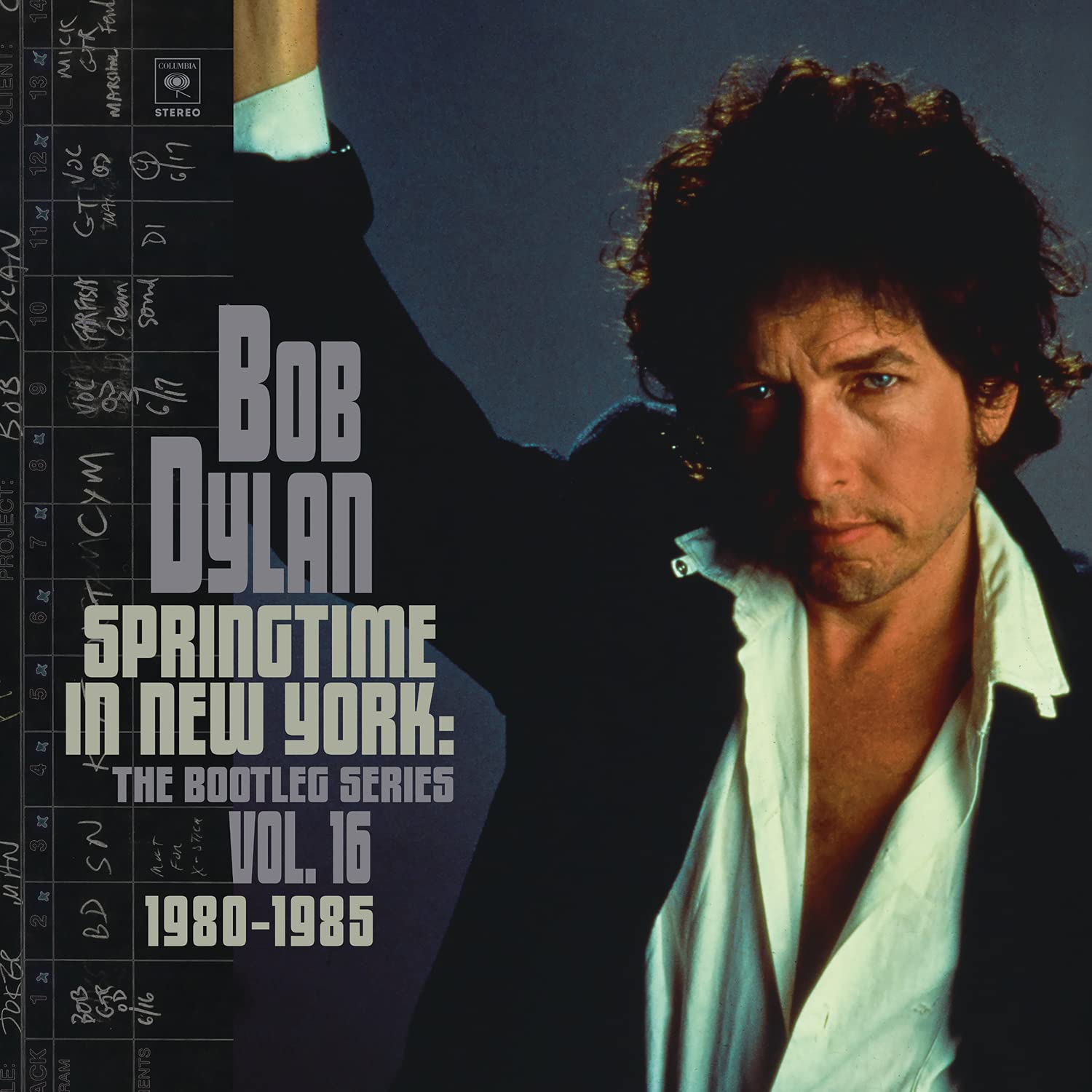
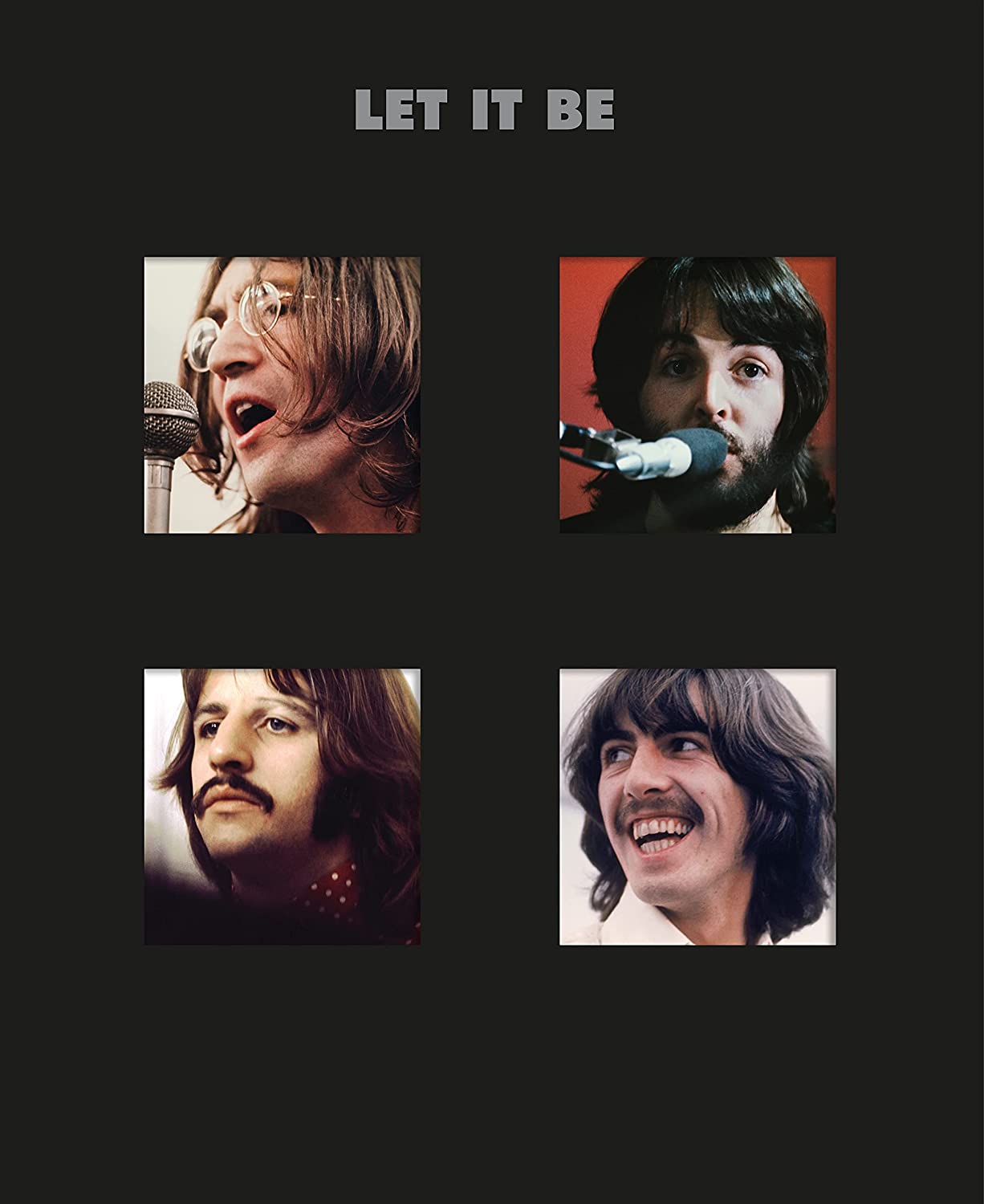
The Beatles, Let It Be: the Fab Four’s star-crossed attempt to return to their roots – recording live in front of movie cameras – ultimately became their first post-break-up release, drenched with Phil Spector’s orchestral overdubs to cover the rough spots. With a new 6-hour Peter Jackson documentary on the sessions hitting Disney Plus Thanksgiving weekend, Apple unleashes a fresh stereo remix (the 4th in the series that kicked off with Sgt. Pepper’s 50th anniversary). Super Deluxe versions also include 27 sessions tracks, a 4-track EP and a test mix of Get Back, the proposed original version of the album. Out October 15th; pre-order from the Fabs’ webstore in Standard (1 CD or 1 LP), Deluxe (2 CDs with selected bonus tracks) and Super Deluxe (4 CDs/1 BluRay or 4 LP/1 EP) editions. (The companion book of photos and transcribed conversations from the sessions, Get Back, is released on October 12.)
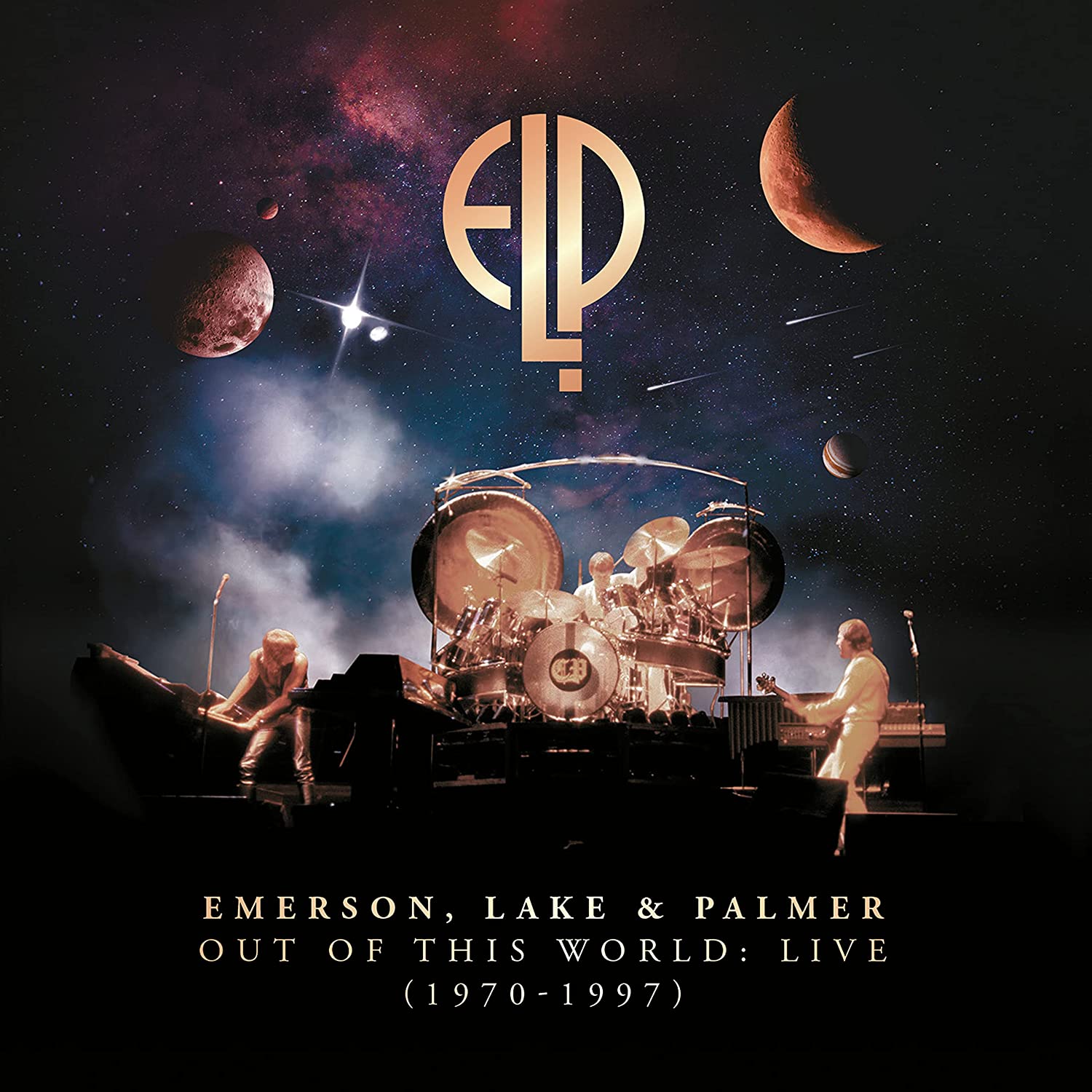
Emerson Lake and Palmer, Out of This World – Live (1970-1997): a compilation of key live shows in ELP’s history: their 1970 debut at the Isle of Wight Festival; a career peak show at the 1974 California Jam; the 1977 full-orchestra extravaganza at Montreal’s Olympic Stadium; 1992’s comeback concert at London’s Royal Albert Hall; and a previously unreleased 1997 show from Phoenix, Arizona. Out October 29; pre-order from ImportCDs as 7 CDs or 10 LPs.
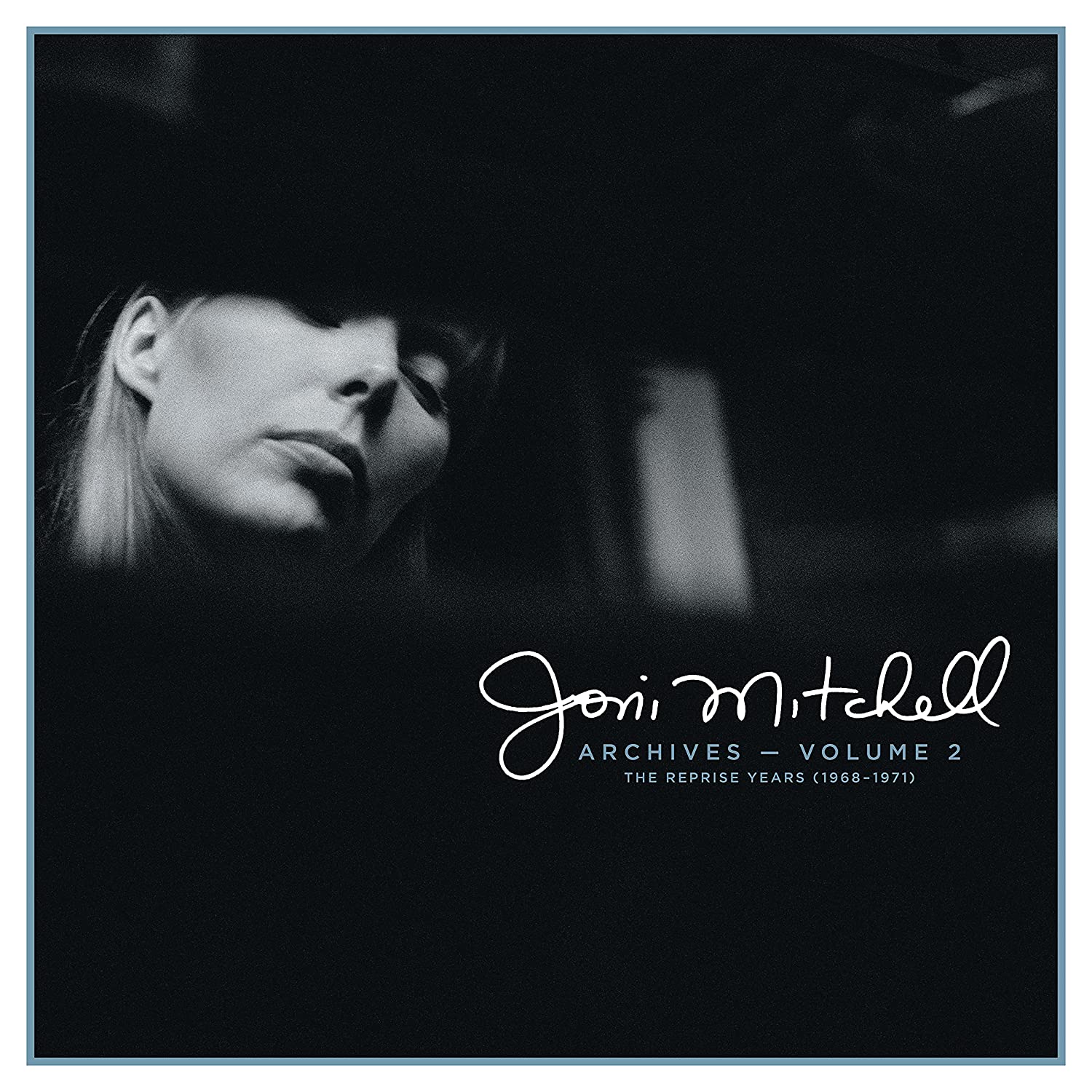
Joni Mitchell, Archives , Volume 2 – The Reprise Years (1968-1971): more archival recordings from the early days of Mitchell’s recording career. Home and studio demos, outtakes, unreleased songs, her Carnegie Hall debut and much more — a complete acoustic set recorded by a enraptured Jimi Hendrix, anyone? Out October 29; pre-order from Mitchell’s webstore on 5 CDs or 10 LPs (4000 copies only), The Carnegie Hall concert is available separately on 3 LPs (black or white vinyl).
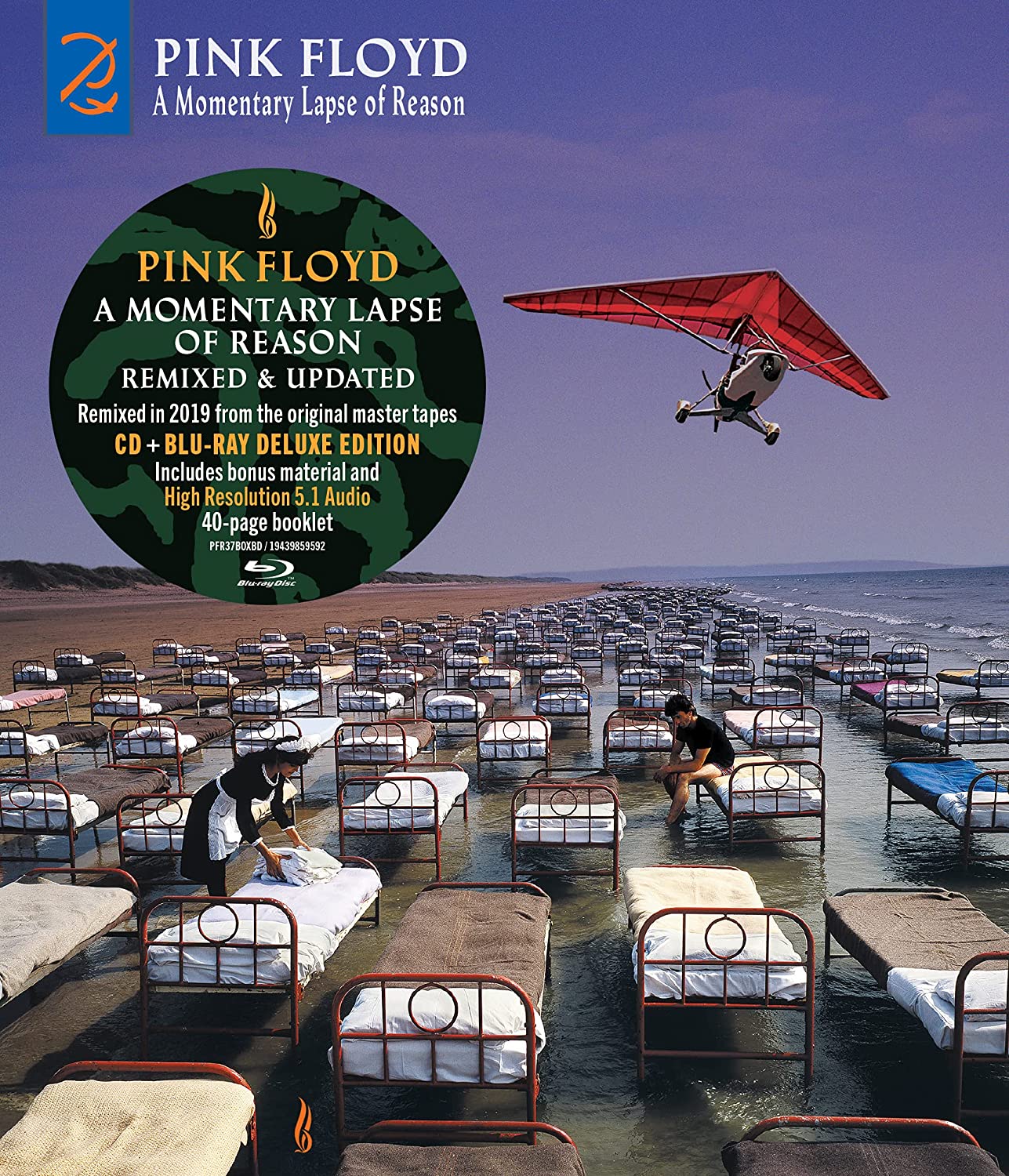
Pink Floyd, A Momentary Lapse of Reason (Remixed and Updated): the 2019 remix of Floyd’s post-Roger Waters comeback from the opulent The Later Years box, now available on its own. “Sounds less like the 1980s, more like classic Floyd” is the party line here. Out October 29; pre-order from Floyd’s webstore in 1 CD, CD/DVD, CD/BluRay or 2 LP formats.
November:
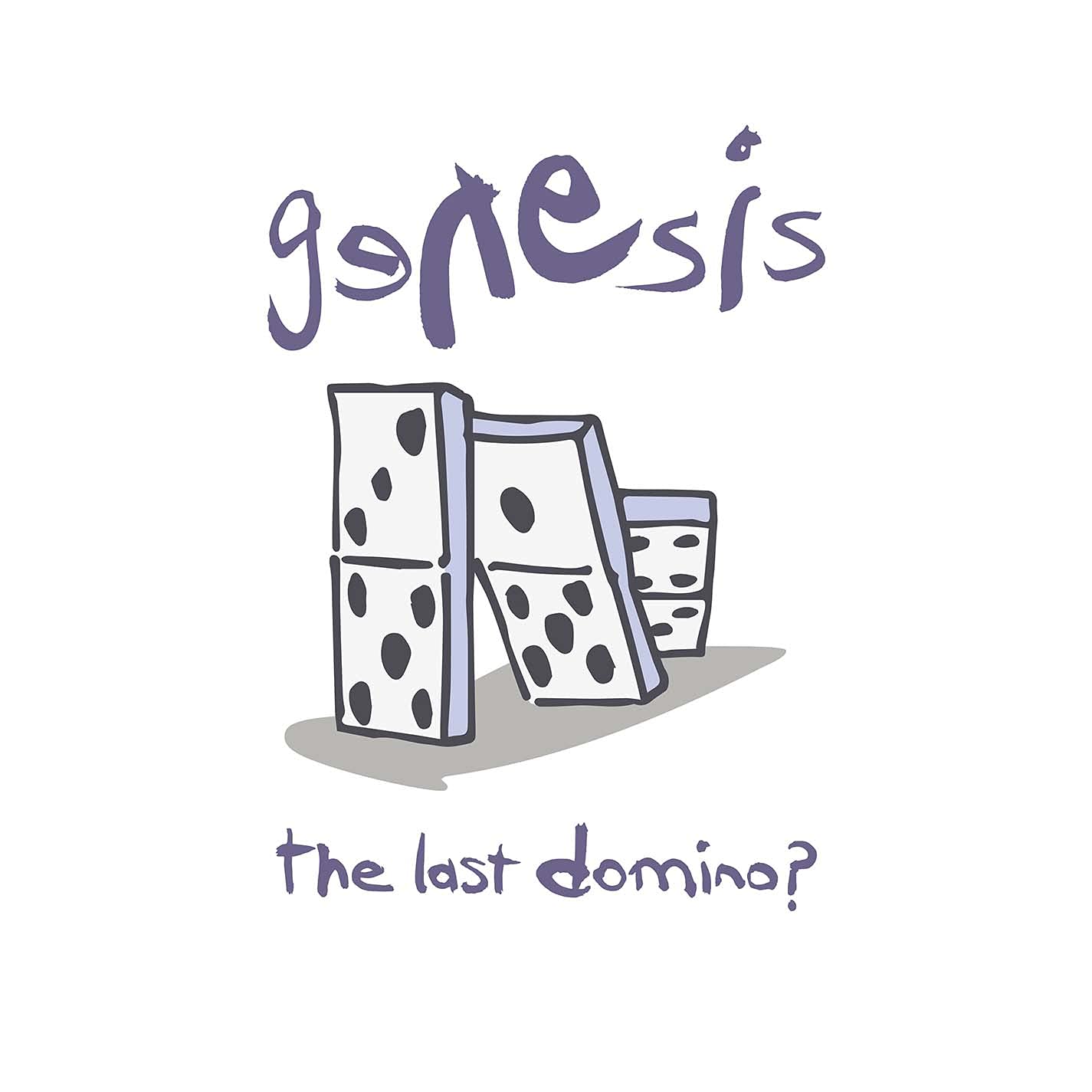
Genesis, The Last Domino? Yet another compilation of Genesis’ greatest hits, fan favorites and core album cuts, released just in time for their first US tour in 14 years. No real surprises in the track selection, but the blurbed promise of “new stereo mixes” of four Gabriel-era classics is intriguing. Out November 19; pre-order from Genesis’ webstore on 2 CDs or 4 LPs. (The UK version of this compilation, out September 17, sports a slightly different track list.)
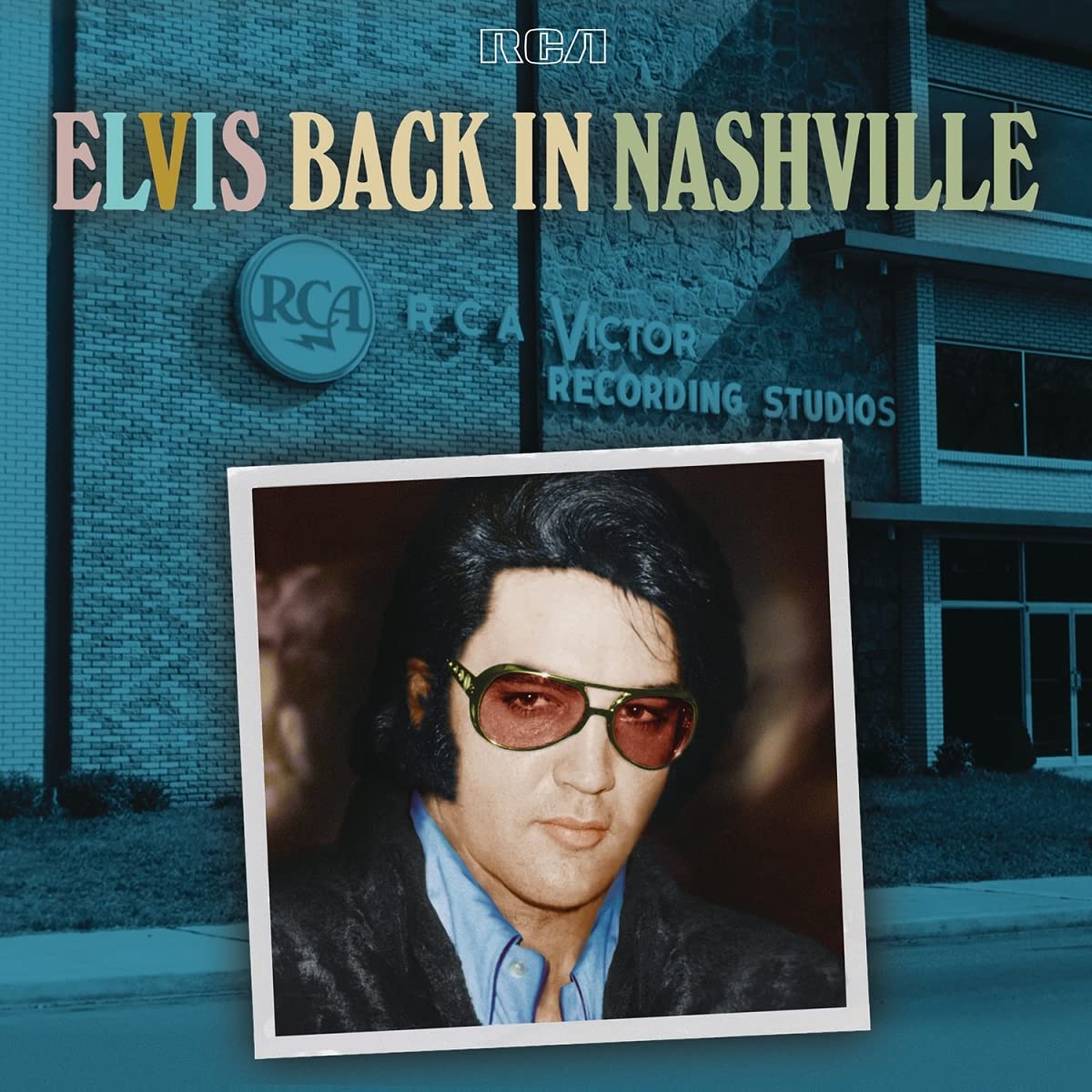
Elvis Presley, Back in Nashville:the King’s final sessions in Music City, stripped of overdubs a la last year’s From Elvis in Nashville box, that yielded material for three years worth of albums. 82 tracks encompassing country/folk, pop, religious music and Christmas music. Out November 12; pre-order from the Presley webstore on 4 CDs or 2 LPs.
In the Works (release date forthcoming):
Robert Fripp, Exposures: another exhaustive (and potentially exhausting) set from Discipline Global Mobile. This one promises to cover Fripp’s “Drive to 1981,” including his guest-star-heavy solo debut Exposure, the ambient Frippertronics of God Save the Queen and Let the Power Fall, and the egghead dance music of Under Heavy Manners and The League of Gentlemen. Tons of live gigs promised to supplement rarities and studio outtakes.
Marillion, Holidays in Eden: the new Marillion album (now officially titled An Hour Before It’sDark) may push this further back on the release schedule, but Steve Hogarth’s second effort with the boys (an intriguing effort that tried and failed to go commercial) is next up for the deluxe reissue treatment.
Porcupine Tree, Deadwing:a promised deluxe set in the vein of 2020’s In Absentia. Internet gossip flared up when Steven Wilson, Steve Barbieri and Gavin Harrison were rumored to have reset the band’s legal partnership earlier this year; who knows how or when the Tree may blossom again?
Renaissance, Scheherezade and Other Stories: coming from Esoteric Recordings, the folk-prog quintet’s finest hour in the studio, melding orchestral grace with an Arabian Nights theme for the half-hour title track. If this is in the vein of other recent Renaissance issues, hope for a multi-disc set with a bonus live set and a surround remix.
What new music and archival finds are heading our way in the next couple of months? Check out the representative sampling of promised progressive goodies — along with a few other personal priorities — below. (Box sets based on reissues will follow in a separate article!) Pre-order links are embedded in the artist/title listings below.
Out now:
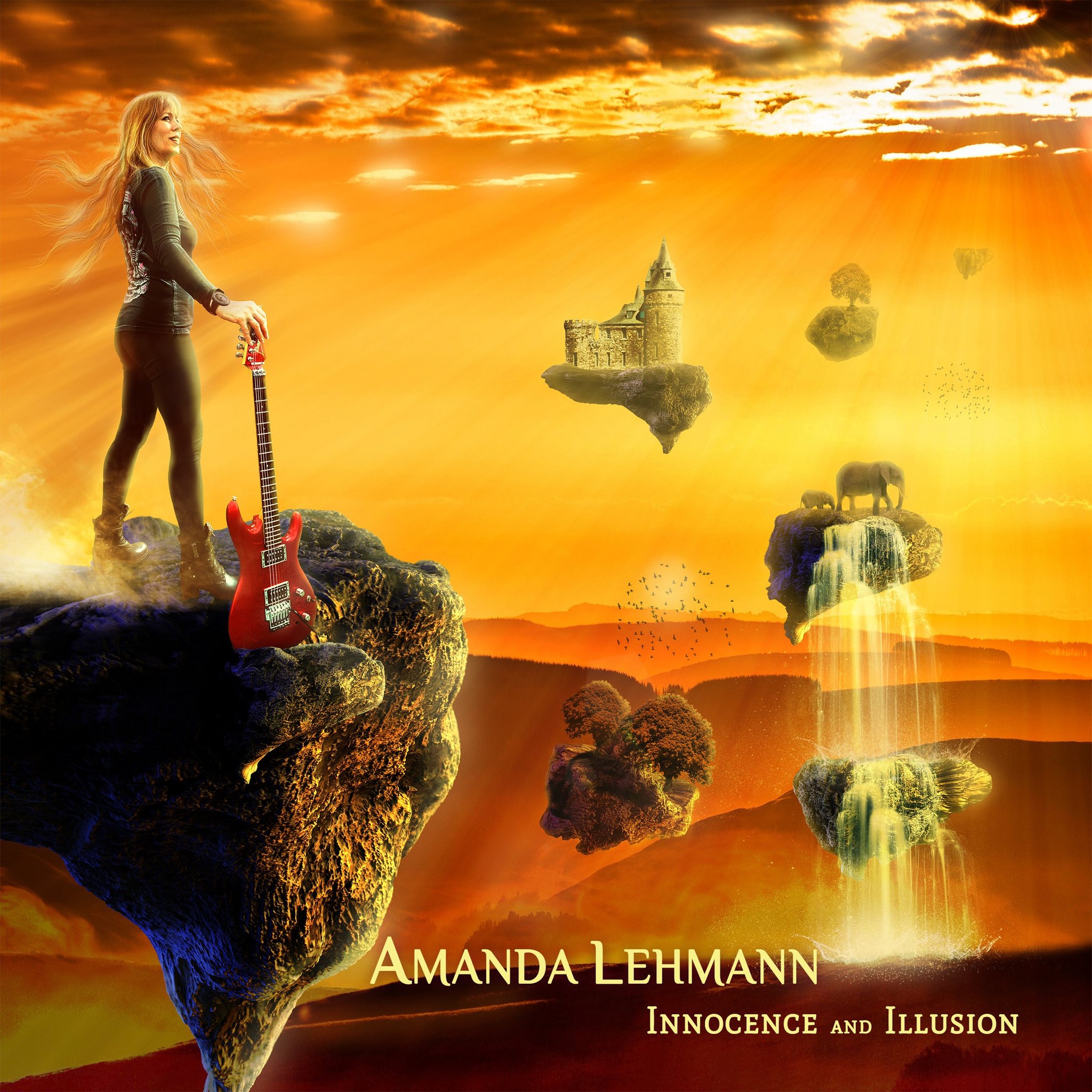
Amanda Lehmann, Innocence and Illusion:“a fusion of prog, rock, ballads, and elements of jazz-blues” from the British guitarist/vocalist best known as Steve Hackett’s recurring sidekick. Available direct from Lehmann’s webstore as CD or digital download.
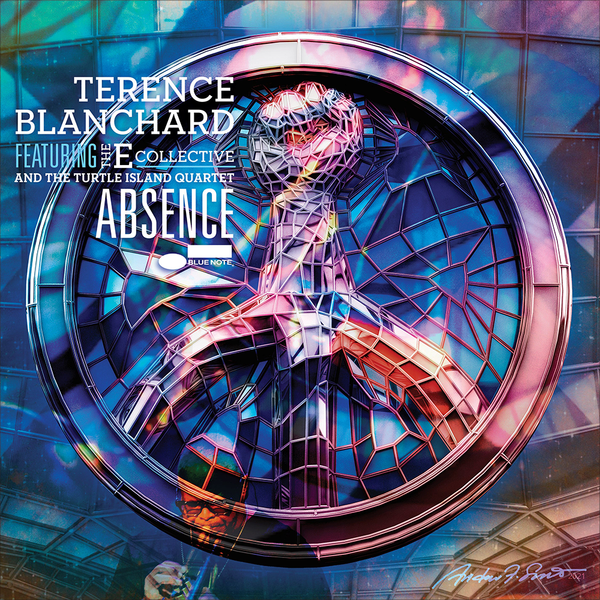
Terence Blanchard featuring the E-Collective and the Turtle Island Quartet, Absence:trumpeter/film composer Blanchard dives into music both written and inspired by jazz legend Wayne Shorter. His E-Collective supplies cutting edge fusion grooves, and the Turtle Island String Quartet adds orchestral depth to the heady sonic concoctions. Available from Blue Note Records as CD or digital download.
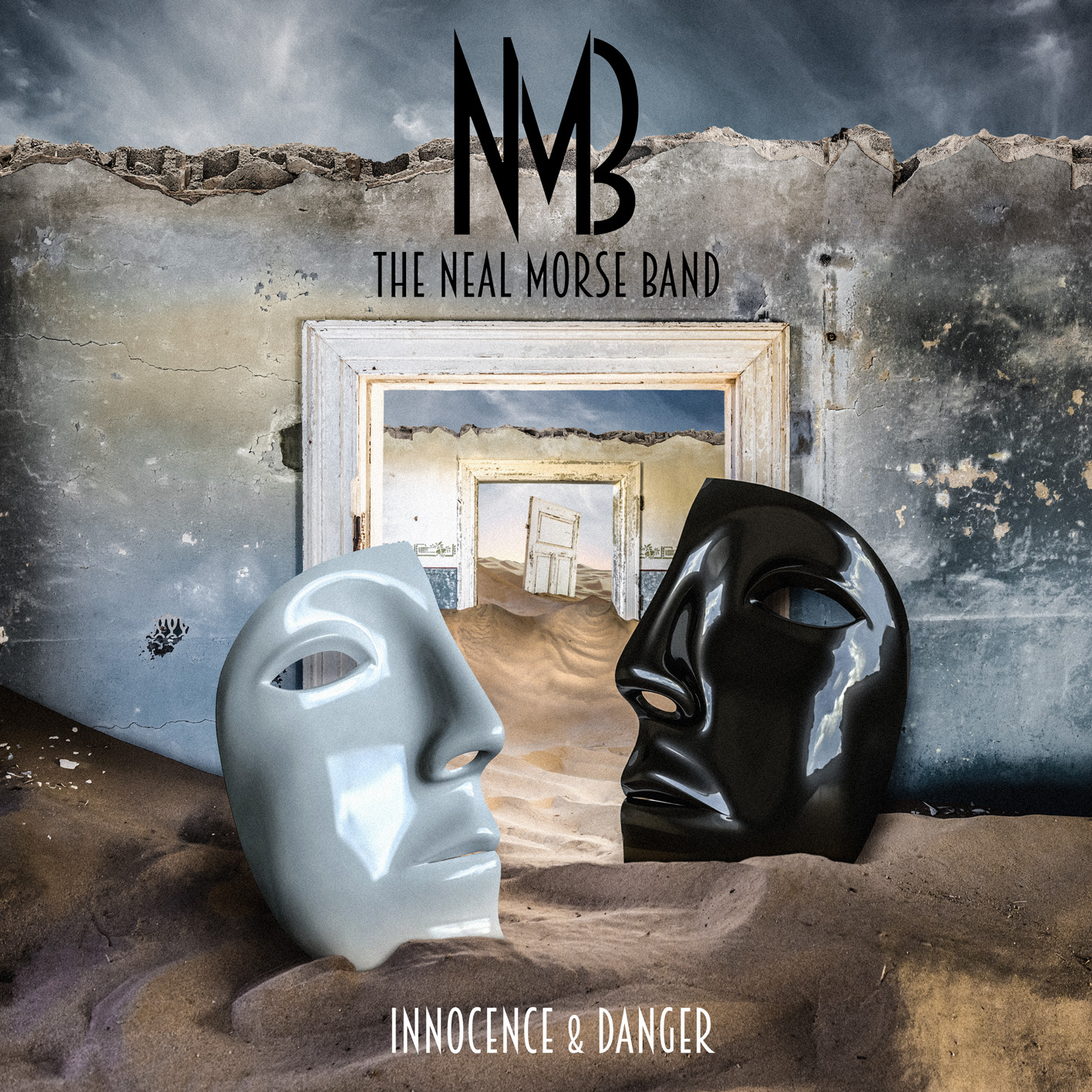
The Neal Morse Band, Innocence and Danger: another double album from Neal, Mike Portnoy, Randy George, Bill Hubauer and Eric Gillette. No overarching concept this time — just everything and the kitchen sink, ranging from a cover of Simon and Garfunkel’s “Bridge Over Troubled Water” to brand-new half-hour epics. Available from Inside Out as 2CD, 2CD/DVD or 3 LPs/2 CDs
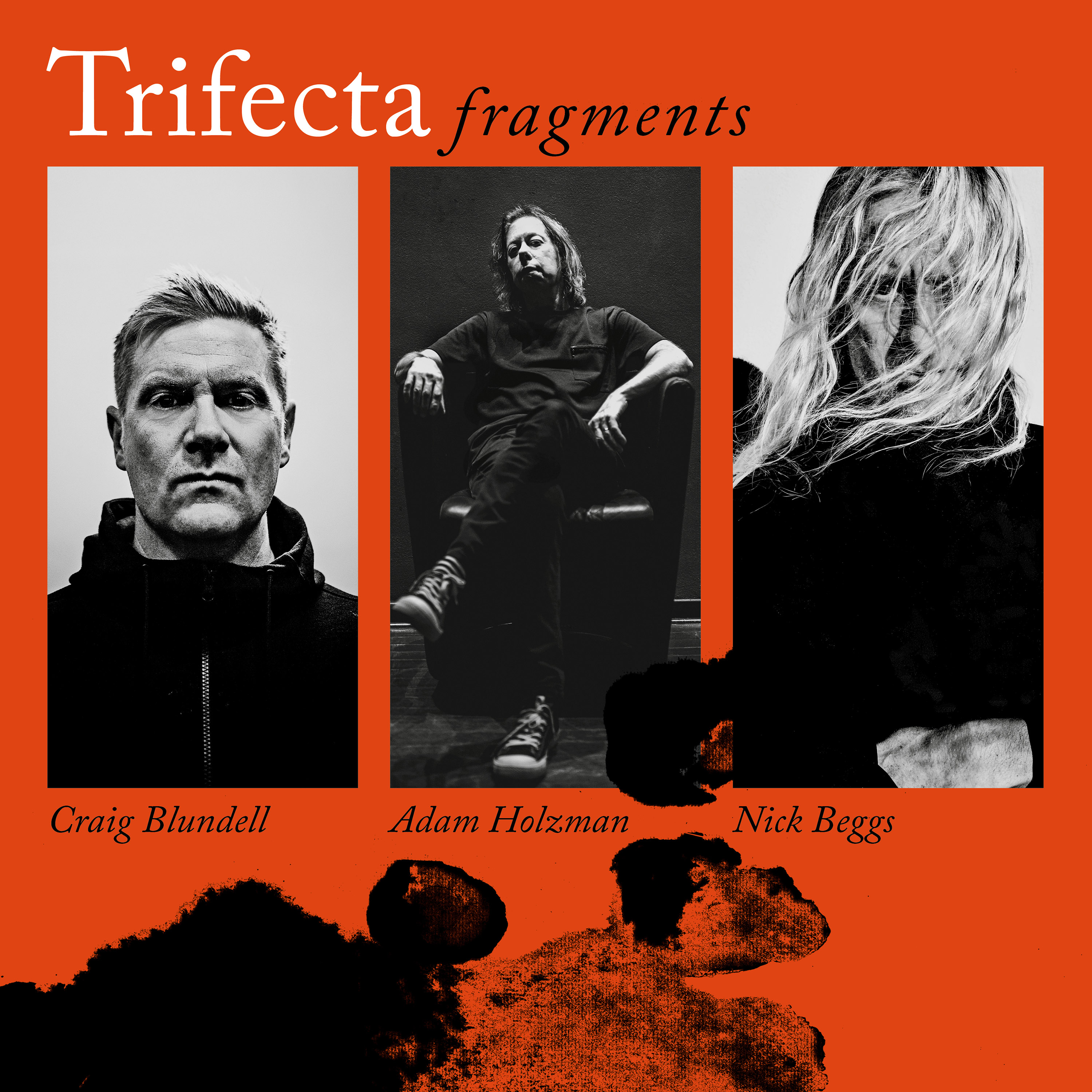
Trifecta, Fragments: what happens when Steven Wilson’s rhythm section turns his pre-show sound checks into “jazz club”? Short, sharp tracks that mix the undeniable chops and musicality of Adam Holzman on keys, Nick Beggs on Stick and Craig Blundell on drums with droll unpredictability and loopy titles like “Clean Up on Aisle Five” and “Pavlov’s Dog Killed Schrodinger’s Cat”. Available from Burning Shed as CD or LP (black or neon orange).
As life in these United States opens up, my life finally seems to be settling down — at least for the summer. Which means it’s time to make up for the backlog of excellent albums (new and old) that I’ve heard since January, but haven’t written about here! Links to listen (to complete albums or samples) are included whenever possible.
New Albums:The Art of Losing (The Anchoress’ rich meditation on endurance) and the multi-versionadrenalin rush of Transatlantic’sThe Absolute Universenotwithstanding, most of the new albums I’ve loved so far have migrated towards jazz and classical — frequently with pianists at their center. Vijay Iyer’s Uneasy, made with bassist Linda May Han Oh and drummer Tyshawn Sorey, is a state of the art piano trio effort; blues and abstraction suspended in perfect balance and caught in an intimate, tactile recording. Canadian Bach and Mozart specialist Angela Hewitt shows off her range with Love Songs, a gorgeous confection of orchestral and art song transcriptions assembled in lockdown and performed with undeniable panache. The same goes for Danny Driver’s phenomenal rendition of Gyorgy Ligeti’s hypermodern 18 Etudes — virtuoso pieces whose serene surfaces turn out to be rooted in super-knotty counterpoint and off-kilter rhythmic cells. My favorite new album of 2021 to date? Promises by electronica artist Floating Points, spiritual jazz saxophonist Pharoah Sanders, and The London Symphony Orchestra, which manages to bring all of the above (well, except for the piano!) together in one glorious, 40-minute ambient epic.
Reissues: Big Big Train’s double-disc update of The Underfall Yardhas definitely had its share of listening time, between Rob Aubrey’s rich remix/remaster and the welcome bonus disc (featuring fresh recordings of the title track and “Victorian Brickwork” by the full band and brass quintet). With My Bloody Valentine’s catalog back in print, their masterpiece Loveless sounds as incredible as ever; crushing distortion and lush romanticism collide to channel the sublime. And Pete Townshend has masterminded a comprehensive Super Deluxe edition of The Who Sell Out, the band’s pre-Tommy high point. But my favorite reissues thus far have been It Bites’ The Tall Ships (especially the title track — what a power ballad!) and Map of the Past (a favorite of mine since its original release). With the then-unknown John Mitchell taking over from Francis Dunnery, IB sailed into the 21st century with their 1980s pomp intact, killer hooks, head-spinning riffs and all.
From the Catalog: All the good new stuff above aside, this is where some of my most fruitful listening has been happening this year — frequently inspired by other media. Watching the movie One Night in Miami led me back to Sam Cooke’s Portrait of a Legend: 1951-1964; the resulting dive into soul music ultimately brought me to Marvin Gaye’s classic concept album What’s Going On — 50 years old in 2021! Perusing various “best of 2020” lists turned me on to the avant-garde jazz of trumpeter Ambrose Akinmusere’s on the tender spot of every calloused moment and Maria McKee’s art-pop song cycle La Vita Nuova (inspired by Dante, no less). Jazz/fusion legend Chick Corea’s death prompted a deep dive into his catalog; new favorites included Return to Forever’s Where Have I Known You Before and the fabulous Five Peace Band Live, Corea’s long-delayed collaboration with guitarist John McLaughlin. And after long years of the album doing nothing for me, Radiohead’s The Bends finally clicked when I read Steven Hyden’s fine band biography This Isn’t Happening. (Curt Bianchi’s wonderful new book, Elegant People: A History of the Band Weather Report, is prompting a similar deep dive into that quintessential jazz/rock band’s catalog; I highly recommend their cutting edge debut album from 1971 and their 1976 masterpiece of groove, Black Market.)
So, yeah, it’s taken a while — but at least from my point of view, 2021 has already been a solid year for music — and the prospects for it getting even better are looking up!
The Weever Sands – Stylobat’s Travels, 2020 Tracks: 1. Intro/The Breakout Session (3:29), 2. And Aphrodite Took The Veil (7:03),3. Stylobat’s Travels (25:27), 4. Acropolis (The Big Wave) (6:12)
Cologne, Germany’s The Weever Sands combine the album format and experimental playfulness of the early 1970s with what could be considered post-rock or ambient rock. To be honest, I didn’t quite get it at first, but then the other day I was listening to Gentle Giant and it hit me. The synth and organ sounds that predominate in Gentle Giant’s music are very similar to what I hear on Stylobat’s Travels, The Weever Sands’ sophomore album. Add in some flute and strong bass and you have the makings of a classically inspired progressive album. But this is stripped back. The music isn’t as heavily layered as you might get on a Gentle Giant or Jethro Tull record, and that’s by design. The band are also heavily influenced by Mike Oldfield’s idea of a “powerful miniature,” where the songs aren’t as heavily developed yet still stretch out into varying sounds.
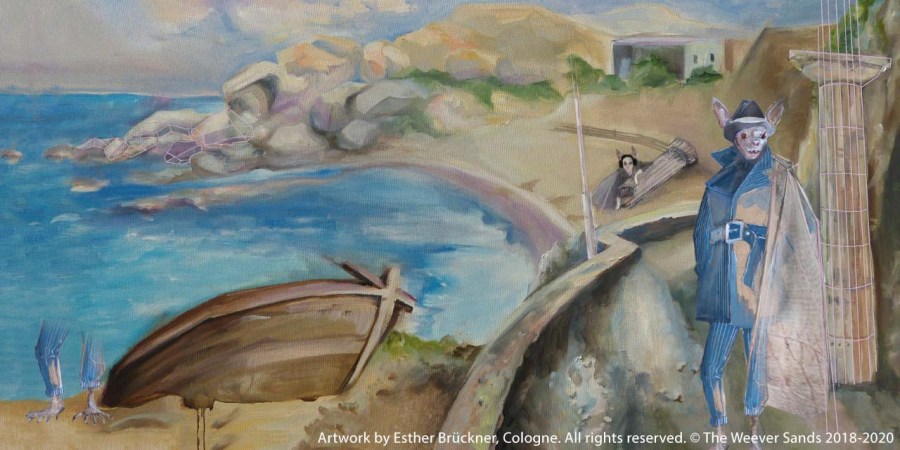
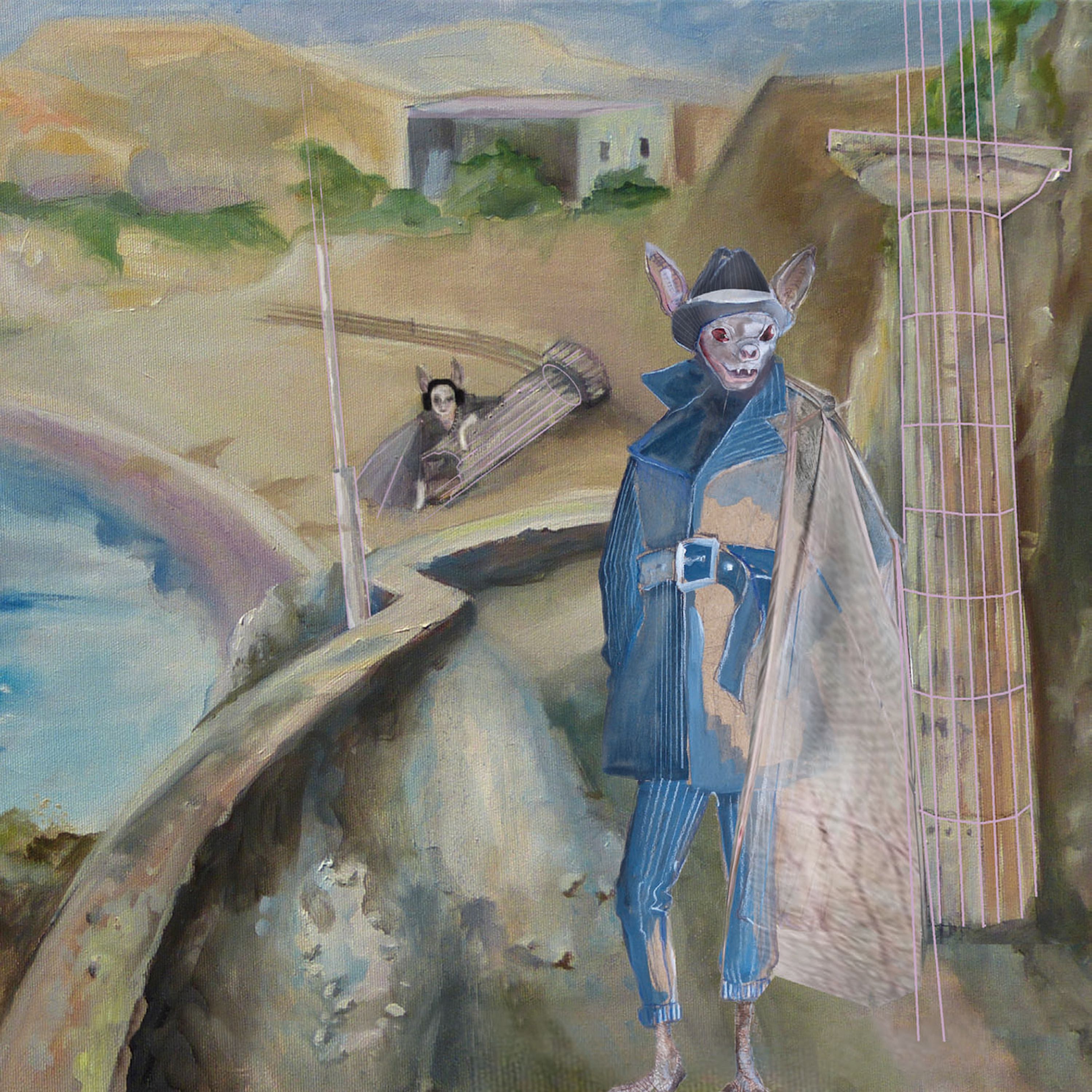
The album opens with some spoken word that sets the stage for a concept that is told primarily through music, the wonderful cover artwork and other artwork included with the CD, and promo notes telling me what the story is about. The band describe the concept as a story about a bat (Stylobat) in Ancient Greece who goes on a quest to find his sweetheart. Most of the album is instrumental, so you’ll have to use your imagination, with some help from the artwork, to see Stylobat searching for his beloved.
The first two tracks most closely resemble what we would call progressive rock, but the 25 minute “epic” is most certainly post-rock, with all of the elements that might make up a layered prog song spread out and played individually. A splash on the high hat here, a symphonic tone there, a synthesized beep. Four minutes in and I’m beginning to wonder what’s going on. The first five minutes of that track are subtitled “Flatlined,” so the musical scene is apparently meant to be at a hospital bedside. Things pick up after that with the next section, “Stereobat,” but I would still label it experimental. There’s melody, but the combination of different synth sounds keeps it sounding unique, although it still references the gentlest of giants.
The third section, “Ah! These Ionic Beams!” nicely builds to a combination of keyboard combined with a rock riff that’s a lot more traditional. An electrical guitar finally comes in, elevating the music by leaps and bounds. Not that there was anything wrong with the music before, but the guitar solo is quite nice and certainly welcome. This section of the song is the best music on the album.
This is the point where I notice that the song has built gradually to this moment. The song began with disparate sounds, but they have gradually been brought together and build upon each other. The fourth section, “Introducing Fire Ghosts,” returns to some of the disparateness of “Flatlined,” but it never becomes that sparse again. It soon returns to the musical complexity of the previous section. The final section, “Underwater,” winds down with a synth sound that fills the musical space, perhaps suggesting being covered by water. The final song, “Acropolis (The Big Wave),” continues that nautical theme, but it builds and morphs into more of a rock song with heavier drums and heavier keyboards with a vintage 70s sound.
Stylobat’s Travels isn’t your typical instrumental prog album. Usually instrumental albums feature a lot of musical noodling, but this record seems to focus more on telling a story through music. Personally I would’ve preferred a bit more guitar and fewer moments of sparseness in the long track. Some more spoken word sections beyond the opening track would’ve helped move the story along as well. The opening spoken word passage reminded me a bit of a radio drama, and I think a few more instances of that on the record could have helped tell the story more clearly and coherently.
The Weever Sands are quite unlike most of what you’re going to find in progressive rock these days. They don’t seem to be copying any particular sound, even though I made that Gentle Giant connection earlier. Rather they start with a more ambient base and build that up until it’s no longer ambient… if that makes sense at all. It isn’t quite rock, even though it does have rock moments (which I wish were more numerous). It’s a fun little journey that has a few bumps in the road, but it’s worth checking out if you’re looking something inspired by classic progressive rock that isn’t symphonic prog.
A prayer of the afflicted, when he is overwhelmed, and poureth out his complaint before the Lord.
Ascription for Psalm 102, King James Version
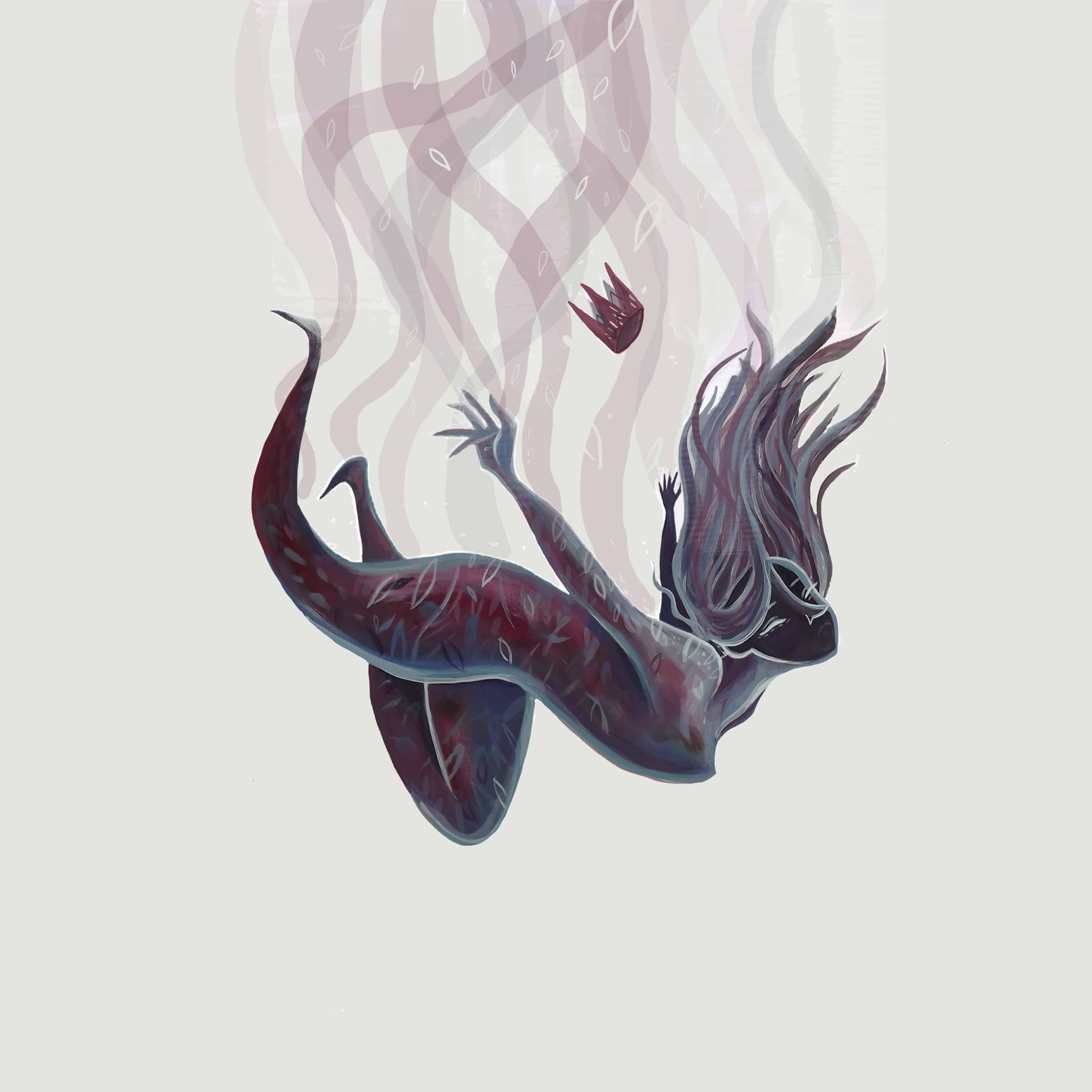
The Art of Losing, the second album by Catherine Anne Davies working as The Anchoress, hits where the listener lives. Lyrically erudite? You bet; Davies borrows the title from American poet Elizabeth Bishop, quotes a roster of literary titans from Julian of Norwich and C.S. Lewis to Margaret Atwood and Jorge Luis Borges in the liner notes, then depicted herself exhaling (vomiting?) her contribution to the conversation on the album sleeve. Musically sophisticated? Again, a slam dunk; beyond her compelling writing and powerful, nuanced singing, Davies plays most of the instruments with gusto, creates the unique sound world only a virtuoso producer could, and pulls influences from Depeche Mode to modern classicist Max Richter into the mix.
But that’s all secondary, picked up on repeated listens, trailing in the wake of this music’s overwhelming initial impact. Davies’ keenly honed portrayals of mayhem, trauma, loss and grief (reflections of her recent life) suck you into a maelstrom where happiness is barely a consideration. The question she seems to insistently ask on The Art of Losing is: how to endure?
How to endure being treated like a possession — by responding in kind? (“The Exchange”, duetting with Manic Street Preachers’ James Dean Bradfield) How to endure in a world where the wicked and unjust prosper and even gain greater influence (“Show Your Face,” rocking like a truck full of bricks as Davies snarls the chorus)? How to endure the ache of separation, the innumerable endings that life inevitably brings (the uneasily propulsive title track and “Unravel”)? The preternaturally quiet “5 AM” arrives at the abyss: just piano, cello and Davies’ unflinching vocal, recounting incidents of domestic abuse, sexual assault and baby loss, implacably inventorying the damage that comes for no reason, beyond what others think you are or owe them.
Groping for a path forward, Davies broods on the nature of sacrifice in “The Heart Is A Lonesome Hunter”, then explodes on the fierce incantation “My Confessor”. “With the Boys” brings another hushed, apocalyptic reckoning, as Davies tallies up the price of her choices– and concludes the outcome has been worth it:
All of my life I’ve been waiting for something I might call my own And learn to hold something inside A voice unworn that gets a little louder when you laugh at me And tell me not to speak
And she goes round and round Chasing circles with the palm of her hand She got to be good got to be certain if she wants to play With the boys . . .
But I can’t and I won’t shut my mouth this time Can’t control what you don’t know What was it you were hoping for guarding all the doors? Guarding all the doors?
The Anchoress’ answers to the inherent ache of life — of embodiment in a broken world where, seemingly beyond redemption, we choose to love things and use other people — aren’t cheap, easy or sentimental. But they are bracing and genuinely moving. At the end of The Art of Losing, endurance is the only viable solution (and quite possibly its own reward); the acceptance of time’s passage and the willingness to continue is the only possibility worth pursuing. Where the strength to do it comes from — yourself? Others? Someone you pour out your complaint to? — may remain a mystery. But by channeling her (and our) dilemma into 40 minutes of ambitious, unforgettable art-pop, Catherine Anne Davies has given us an undeniable gift. Open it for yourself and listen below:



 Echo Us, The Windsong Spires, June 22, 2021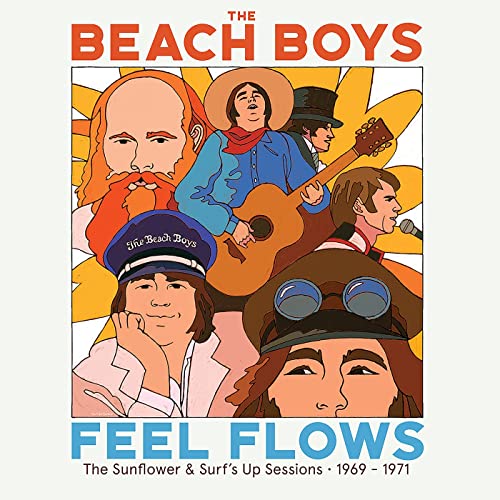
 The Weever Sands – Stylobat’s Travels, 2020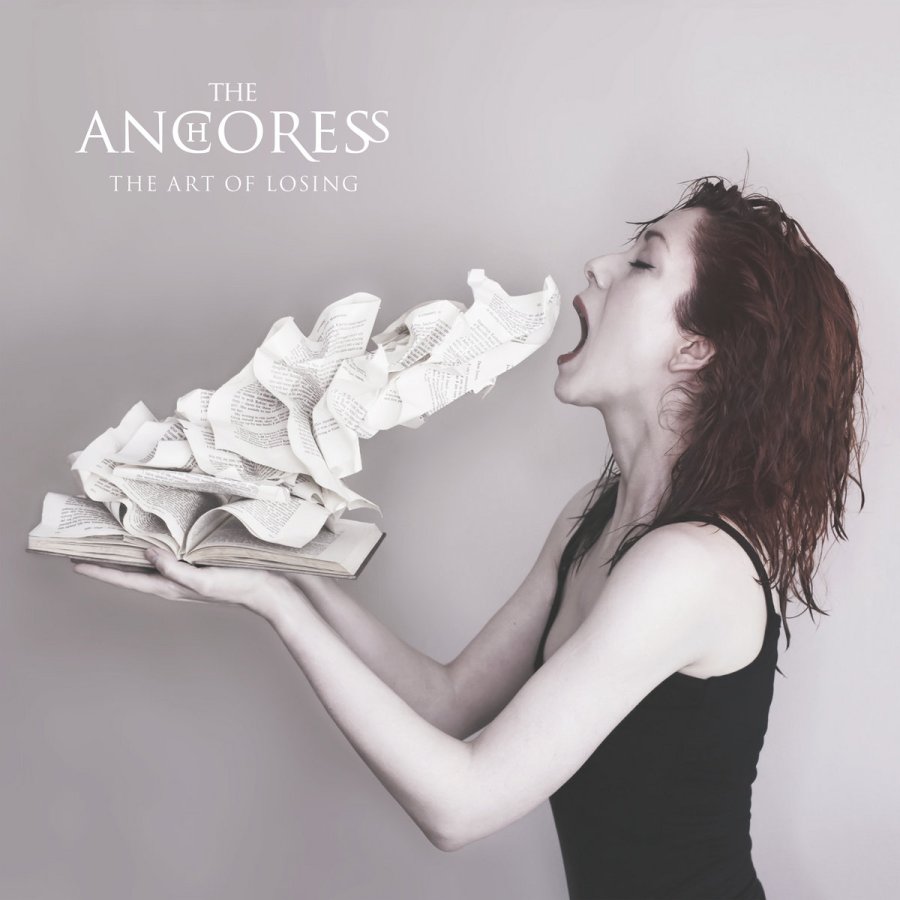
 Progarchy