With new releases from the first third of 2025 piling up, a desperate attempt to answer the question “Can album reviews convey the essential info listeners need in haiku form?” For example, about the format used below:
Streams linked in titles; Brief poetic impressions; Shopping links follow.
Spawton’s young heartache Sparked this grandiose concept – Well-wrought remaster. (CDs sold out; vinyl available at Burning Shed and The Band Wagon USA)
2024 is out of the gate hot — three of the albums below are already on my Year-End Favorites list, and there are no duds in this bunch! As usual, purchase links are embedded in the artist/title listing, with a partial or complete streaming preview below the review.
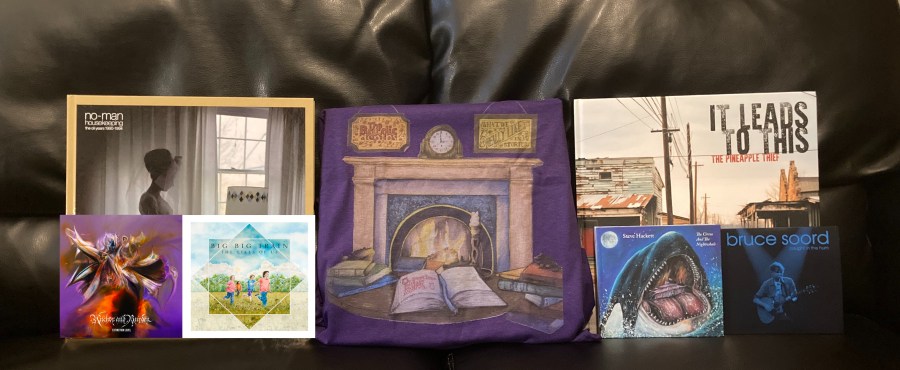
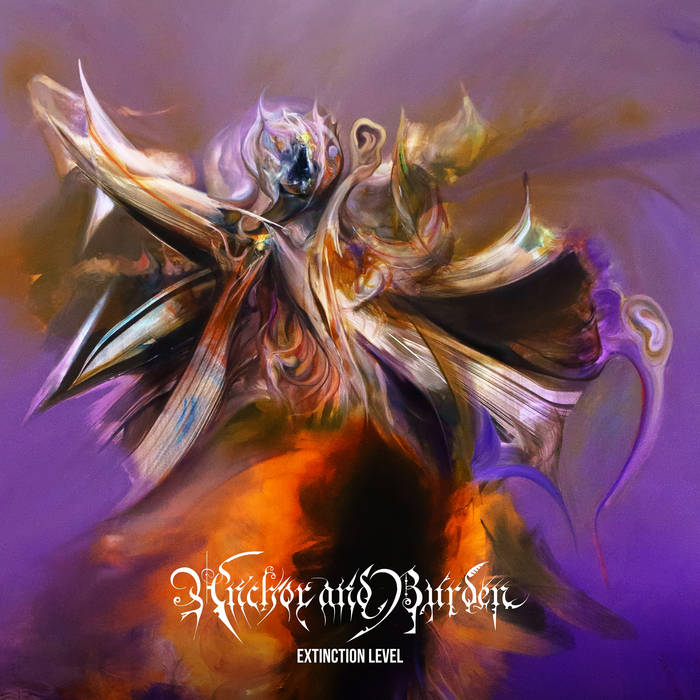
Anchor and Burden, Extinction Level:MoonJune Music mainman Leonardo Pavkovic has labelled this brutal beauty “uncompromising progressive avantgarde doom-jazz post-metal”. That pretty much covers it! Kicking off with opener “Fractured Self” and “Body Expansion”, touch guitarists Markus Reuter and Alexander Dowerk spend the next hour launching knife-edged slabs of sonic concrete into sub-orbit; drummer Asaf Sirkis pulverizes any semblance of a steady beat into terrifying quick marches (“Mutual Assured Destruction”), hyperactive polyrhythms (“Nine Gates to Dominion”), or just lethal, unanticipated deadfalls; and electronics wizard Bernhard Wöstheinrich provides both breathing space for a comedown, as on the closing “The Crust of This Earth”, and crash pads for droning, sludgy guitar plunges throughout the extended title track. Absolutely bonkers, already a favorite; you may have to be in the right mood for it, but Extinction Level’s free-for-all improv (not far removed from King Crimson’s outer limits) turns out to be a heady, head-banging good time.
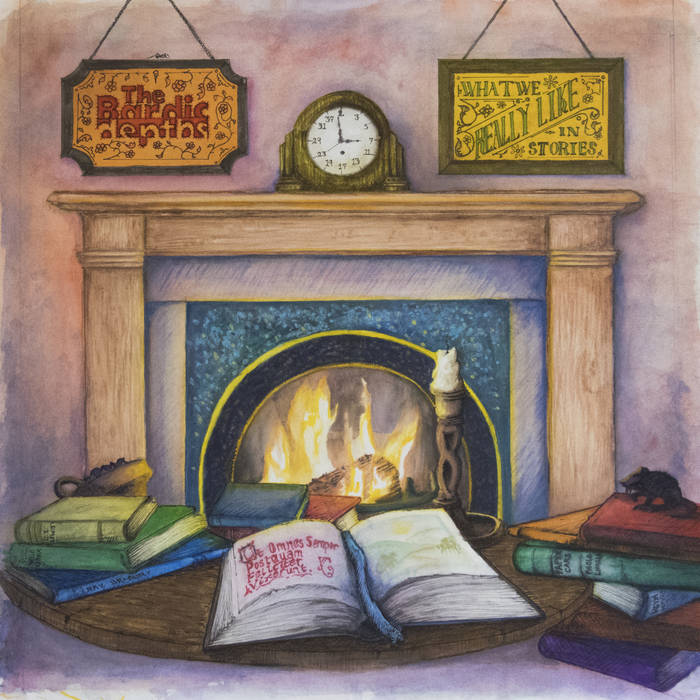
The Bardic Depths, What We Really Like in Stories (released March 7): both more direct and more varied than their previous releases, TBD’s third is a first-class album that delivers generously on its title’s promises. Brad Birzer’s graceful lyrics effortlessly transport us into the minds of creators as diverse as Ray Bradbury (“You’ve Written Poetry, My Boy”), Willa Cather (“Old Delights”) and Robert E. Howard (“The Feast Is Over”) — then into the creations themselves (the Orwellian dystopia of “Vendetta”, the postapocalyptic “Stillpoint”, the high adventure of “Whispers in Space”). In turn, Dave Bandana and Gareth Cole’s compositions are appealingly streamlined, giving Cole’s guitars, Bandana’s guitars & synths and Peter Jones’ keys & saxophones plenty of room to shine but never straying into aimless jams. Add a warm vocal blend from the quartet (with Jones and Bandana at the forefront) to Tim Gehrt’s steady, sparkling grooves, and you have a prog album that’s accessible without compromise, thought-provoking without pretension. This one’s charms might sneak up on you, but repeated listens will thoroughly repay your kind attention. (Check out our Bardic Depths roundtable here.)
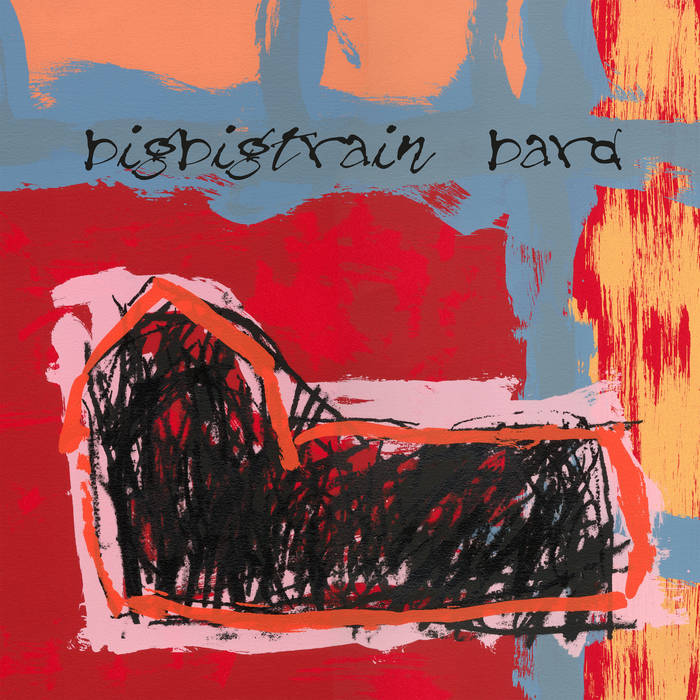
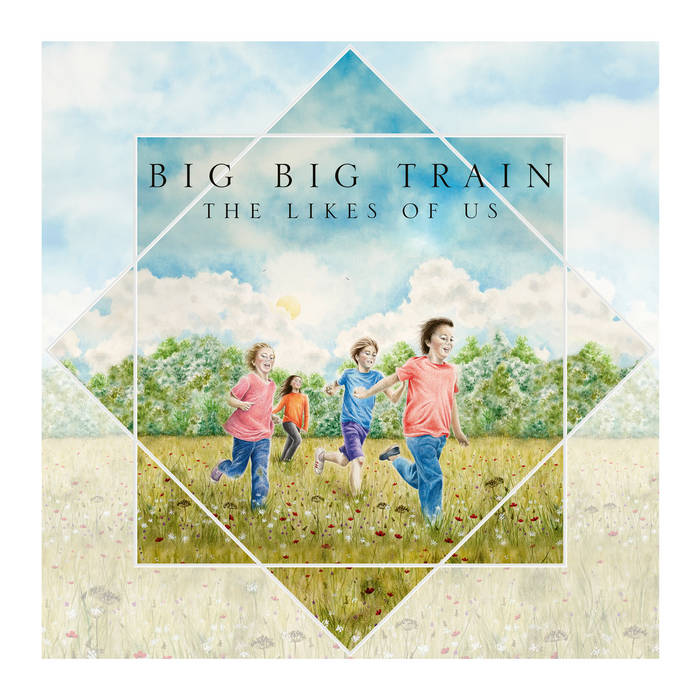
Big Big Train, The Likes of Us (released March 1): the wonder here isn’t that indefatigable founder Greg Spawton and his international crew have regrouped with such power and panache; it’s that they’ve tackled the struggles and sorrows of recent years head-on, forging them into the band’s most direct, integrated album since Grimspound. From mission statement/overture “Light Left in the Day” through epics “Between the Masts” and “Miramare” to killer ballad “Love’s Light” and finale “Last Eleven”, new singer Alberto Bravin fares forward into the unknown, summoning the essence of friendship and the pain of loss, calling on all in earshot to seize the day. There’s tons of musical variety, too, from the hard-rocking “Oblivion” to the playful “Skates On” and the 12-string weave of “Bookmarks”, with all seven players (five of whom sing) each getting their time to shine. And yes, that brass section pops in at just the right moments, to bring a tear to the eye or lift the spirit as required. Familiar yet fresh, and destined for that year-end faves list, BBT fans can be well satisfied with this latest excursion – and The Likes of Us is well turned out to welcome new Passengers onboard as well! (Check out our interview with Alberto Bravin here.)
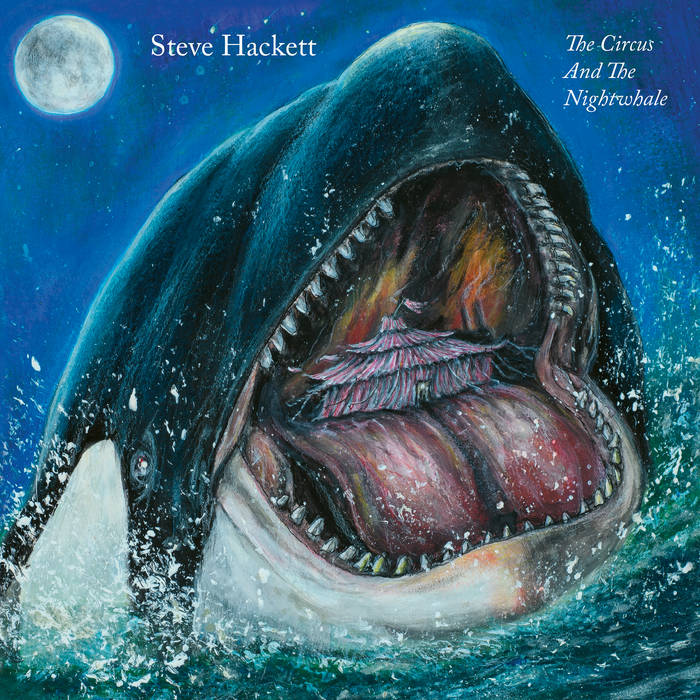
Steve Hackett, The Circus and the Nightwhale: Prepare to have your ears pinned back here: Hackett leaps out of the gate with freshly energized songwriting and ferocious guitar work and doesn’t let up throughout this compact, compellingly listenable concept album. The restless opening sprint of “People of the Smoke”, the “Squonk”-like stomp of “Taking You Down” (with standout lead vocal by Nad Sylvan and towering sax from Rob Townsend), the lush orchestral interlude “These Passing Clouds” are all full to bursting with devastatingly melodic, wildly spraying six-string excursions from Steve; even lighter tracks like the harmonious “Enter the Ring” and luxuriant 12-string centerpiece “Ghost Moon and Living Love” overflow with prime solo licks, mind-melting and heart-gripping in equal measure. Add Roger King’s richly scenic keyboards to a succession of marvelously eclectic tunes that waste no time and a coming-of-age narrative that climbs from the gutter to the stars (braced with a dose of the marvelous — there’s that Nightwhale, after all). And voila! You’ve got a Hackett opus that immediately goes to the 2024 favorites list, ranking right up there with Spectral Mornings,At the Edge of Lightor whichever of his 30 solo efforts you prefer best.
No-Man, Housekeeping – The OLI Years, 1990-1994:Ben Coleman, Tim Bowness and Steven Wilson’s earliest singles for One Little Indian (oops, Independent), “Days in the Trees” and Donovan’s “Colours”, are the perfect sneak peek/summation of this compilation’s garishly romantic delights. Just as you start thinking “ho hum, fey indie Nineties dance-pop”, the heavens – or are they the abysses? – open, accompanied by lush squalls of immaculately recorded dissonance. As if Roxy Music and ABC had somehow wound up co-headlining a vaudeville show, Bowness’ desperate vocals and Coleman’s slashing violin work match up swoon for swoon, while Wilson toughens the grooves and hoists ambitious synthesized backdrops, colorful splatters of guitar punctuating the aching pantomimes all the while. Containing the first two No-Man albums (the singles-oriented Loveblows and Lovecries and the ravishing, guest-heavy Flowermouth) plus the early EP Lovesighs, a singles disc and radio sessions, Housekeeping is a generously filled, beautifully designed boxset that points unerringly toward Bowness and Wilson’s more mature achievements (whether together or apart), but is also thoroughly listenable and intriguing in its own right.
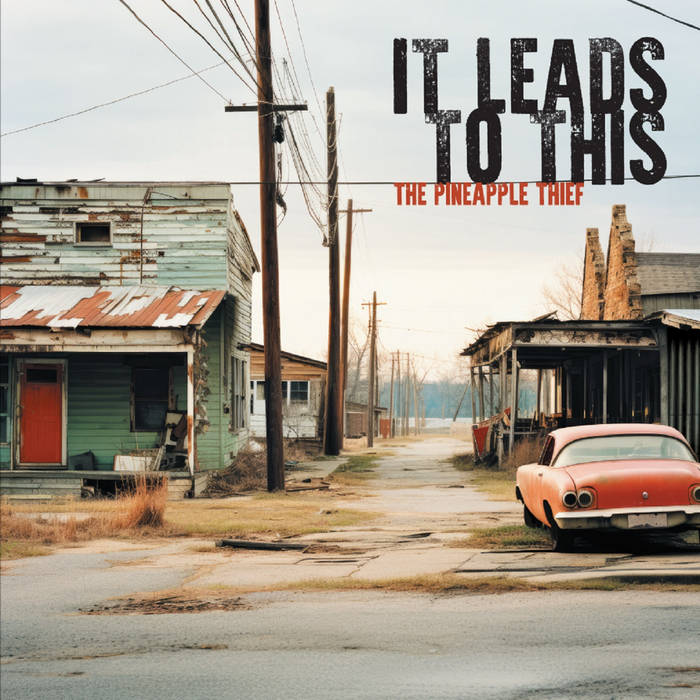
The Pineapple Thief, It Leads to This: more badass guitar loops and riffs (spaghetti westerns and surf music entwined in a Steve Reich soundscape); more bleak musings on our pervasive inability to connect, crooned with Bruce Soord’s trademark tenderness and fury; more moments of tasty, laterally-inflected drumming from Gavin Harrison. The current edition of the Thief’s fourth studio album is its own self-contained world, set in motion by the Soord/Harrison team’s moody interplay and rotating on Jon Sykes and Steve Kitch’s steady axis; undeniably of a piece with their recent catalog, and all the better for it. If none of the eight songs particularly stand out, they’re all honed to sleek perfection, building through seductive, bracing miasmas of dread and determined pursuits of flickering light to the knockout punch of the last two tracks. Whatever nightmare Soord is sleepwalking through, his eyes and heart are wide open as he edges forward, with Sykes, Kitch and Harrison urging him on all the while. (Soord’s recent “unplugged” solo CD/DVD, the already out-of-print Caught in the Hum, is an even more distilled example of this melancholy, coolly yearning aesthetic.)
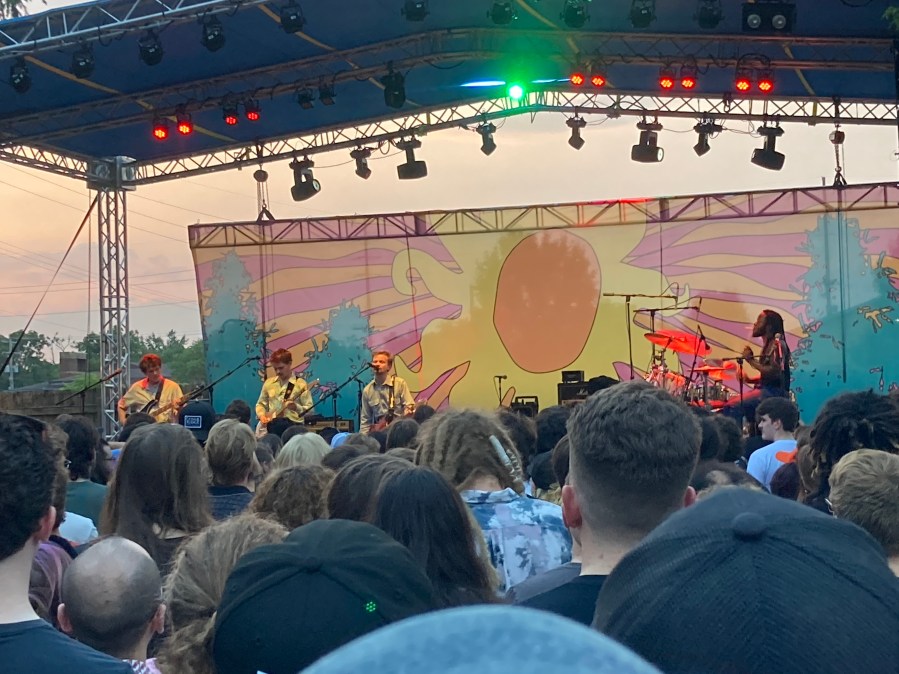
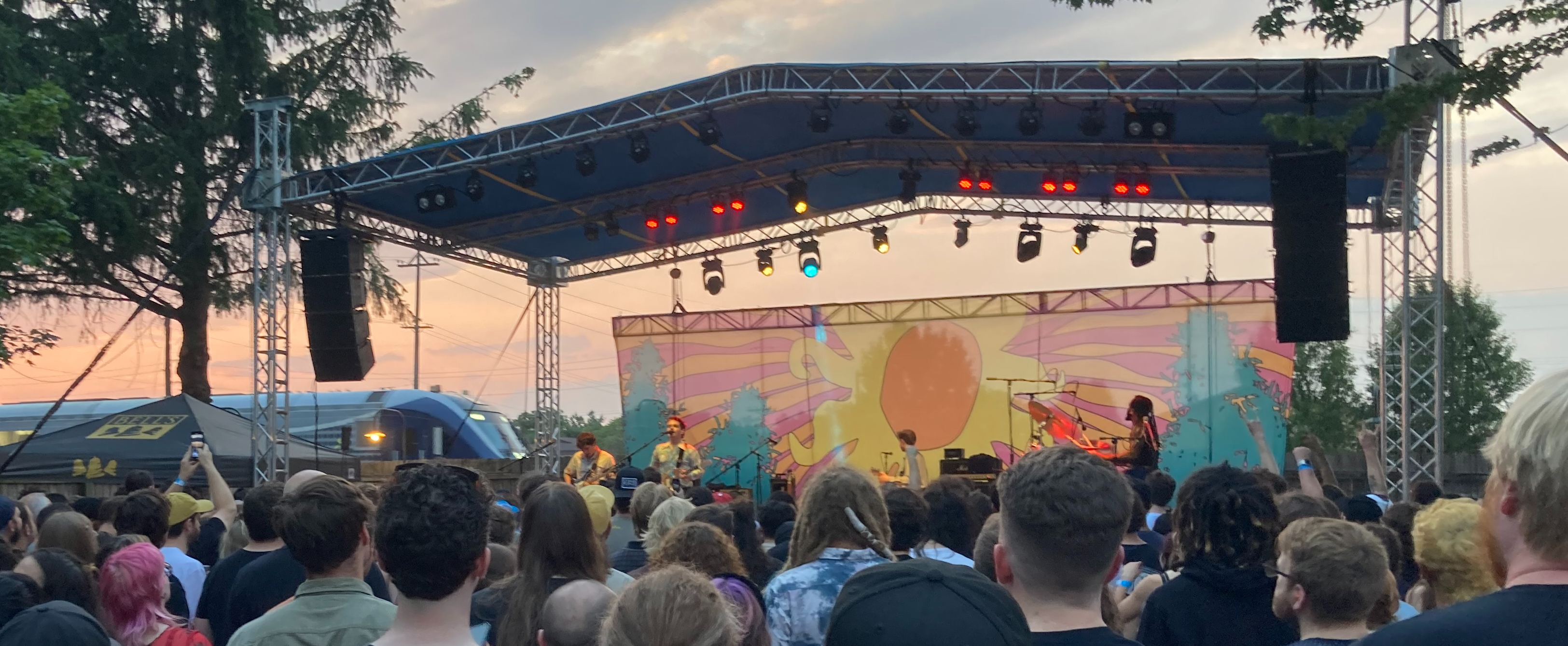
black midi with Circuit des Yeux, Bell’s Eccentric Cafe & Beer Garden, Kalamazoo Michigan, June 30, 2023.
The sludgy, spasmodic riffs of black midi’s opener “953” had crashed to a definitive, screeching halt. The hundreds-strong audience stood happily stunned at the young British quartet’s feral, frenetic onslaught. Cue an Amtrak train passing directly behind the stage, hailing the north side of Kalamazoo with its overblown, howling whistle, right in rhythm. It made perfect sense that guitarist/second vocalist Cameron Picton stepped immediately to the mike and yelled at the top of his lungs, “I [EXPLETIVE] LOVE TRAINS!!!!” just before the band kicked into the taut build of “Speedway.”
black midi’s music sounded like that all night — an unstoppable series of planned accidents that formed weirdly compelling shapes as they unspooled. Sculpting order into chaos, drummer Morgan Simpson’s groove and chops never faltered, no matter how many unpredictable stops and starts in a given song; guest bassist Seth Evans locked down apparently arbitrary pulses with imperturbable style. Guitarists Picton and Gordie Greep bounced off these lopsided foundations in furiously random directions, especially on the highlights from bm’s Hellfire album — ominously creepy funk slamming into a death-metal polka on “Welcome to Hell”, superspeed jazz-fusion counterpoint melting into lounge-lizard ambience on “Sugar/Tzu”, quietly floating chords ramping up to accelerating sheets of thrashy noise on “Dangerous Liaisons”. These guys know their rock history — teasing the Beatles’ “Taxman” before kicking into “27 Questions”, morphing from Metallica’s “Enter Sandman” riff into their unreleased “Lumps” — but they obviously feel bound by none of it when they jam and compose. Which seemed to be a giant part of their appeal to the remarkably youthful crowd; had they ever heard anything quite like this? (A middle-aged geezer like me definitely hadn’t; these guys made The Mars Volta sound normal.)
Unless otherwise noted, title links are typically to Bandcamp for streaming and purchasing, or to Spotify for streaming with a additional purchase link where available.
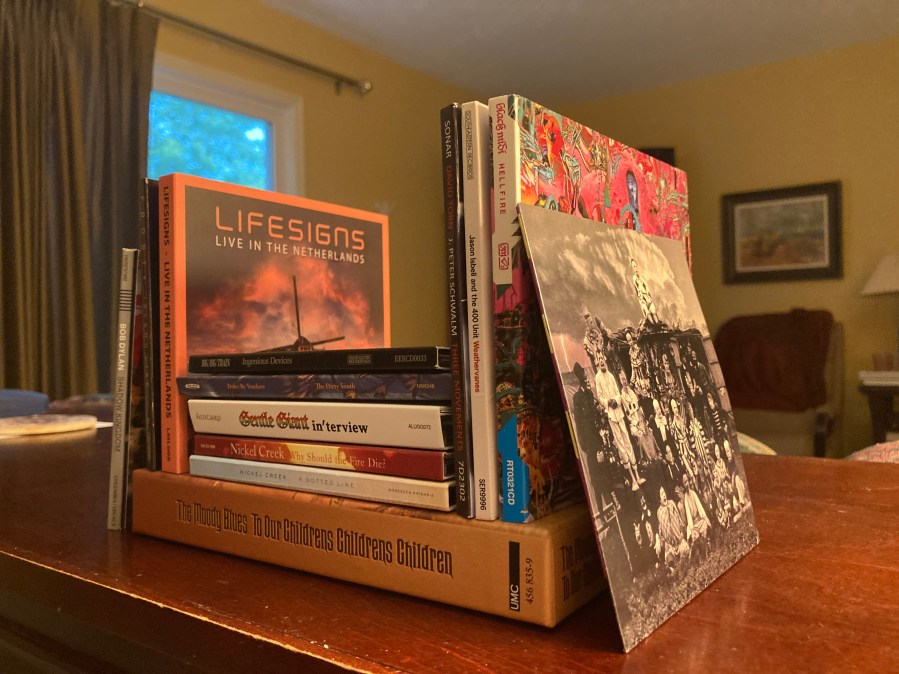
Starting with an obvious choice around these parts: Ingenious Devices proves a winning Big Big Train compilation, featuring Greg Spawton’s life-enhancing explorations of humanity’s drive to expand its reach. Vividly orchestrated reworkings of “East Coast Racer” and “Brooklands” join a remix of Grand Tour’s “Voyager” and a stirring live take of “Atlantic Cable” featuring new lead singer Alberto Bravin; the result is a fresh, vital, thoroughly moving suite of prog epics. Recommended without hesitation!
Southern rockers Drive-By Truckers have also reached back — fleshing out their classic 2004 effort as The Complete Dirty South, the double album they originally conceived. Triple-threat guitarist/songwriters Patterson Hood, Mike Cooley and Jason Isbell reel off tale after compelling tale of characters caught in desperate circumstances, torn between bad choices, clinging to vagrant hopes. Their rampaging hard-rock energy, seasoned with delicate country soul balladry, is what elevates the whole concept beyond haunted fatalism to an intense meditation on courage in the face of overwhelming odds. (Having left the DBTs in 2007, Jason Isbell continues to go from strength to strength. His brand-new effort with The 400 Unit, Weathervanes, brings tons of sharp writing and fiery playing to a clutch of deeply empathetic Americana narratives, topped with irresistible choruses and just a pinch of classic rock a la Bruce, The Byrds and Neil Young. Whatever your take on country music, you really shouldn’t miss either of these.)
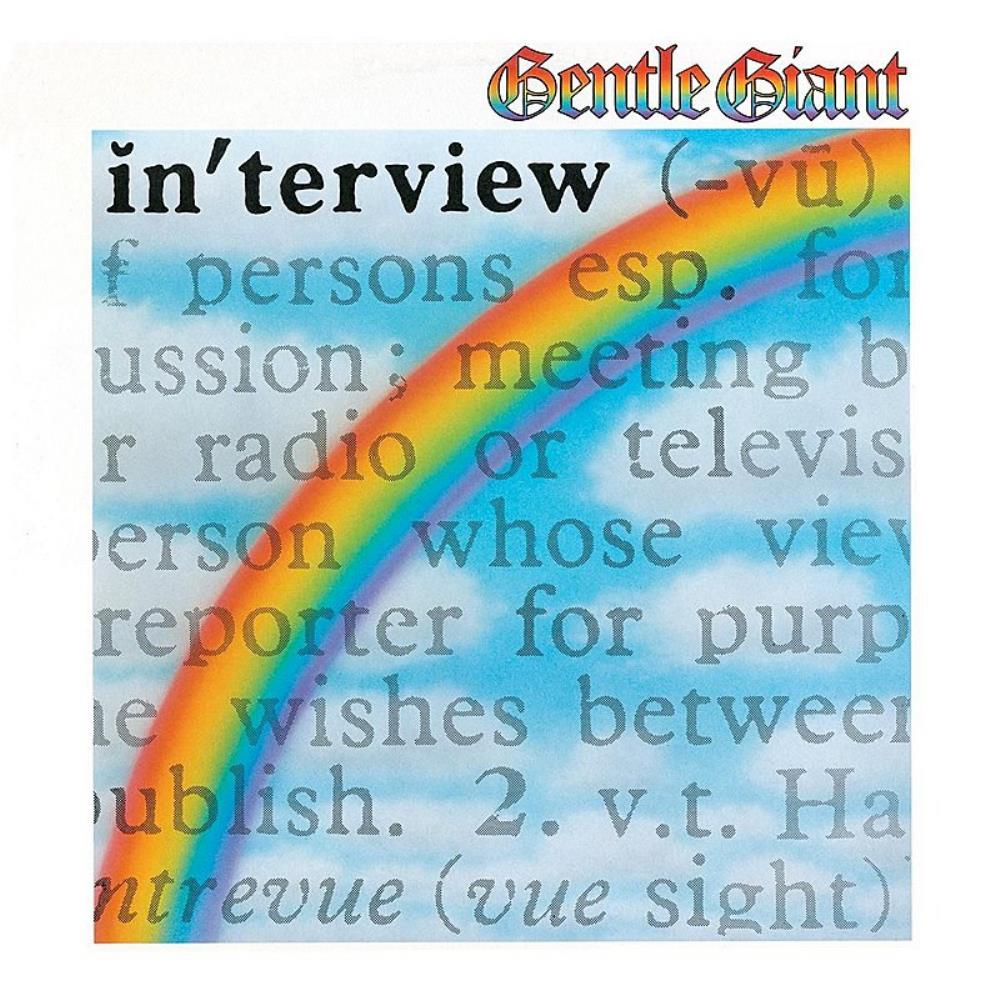
Also on the reissue front, Gentle Giant’s 1976 effort Interview now has a spruced-up, punchy remix from Steven Wilson (available here) that breezily clarifies the British quintet’s counterpoint vocals (“Design”), interweaving instrumental lines (the title track, frenetically funky closer “I Lost My Head”) and multistylistic hijinks (the unanticipated reggae chorus of “Give It Back”). The Moody Blues’ second release of 1969, To Our Children’s Children’s Children, becomes their third vintage set to get the multi-disc box treatment – though it’s only available digitally in the US. While the album proper leans toward studio psychedelia laced with wispy slow-dance tunes and the odd cabaret flourish, the bonus live tracks (including a complete set from the Royal Albert Hall) reveal the Moodies as quite the stomping rock outfit, slipping the leash on the album’s single “Gypsy,” the encore “Ride My Seesaw” and core tracks from Days of Future Passed.
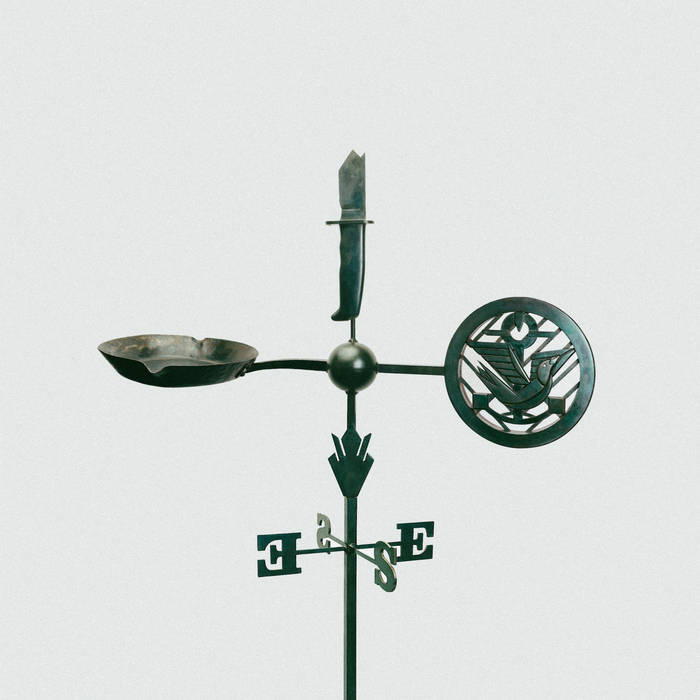
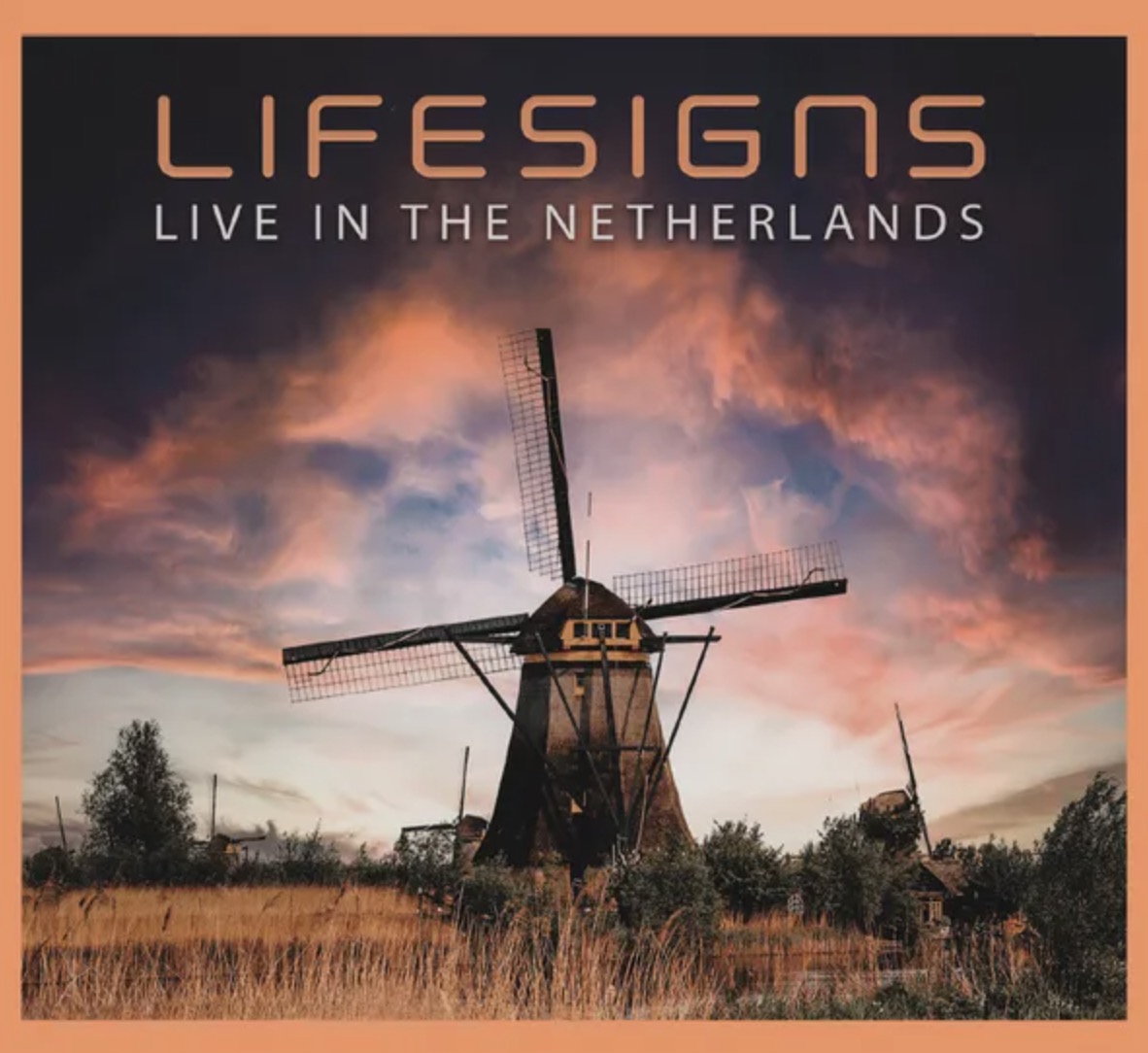
Live releases have picked up again as well. For their concert video debut Island Live (available through Magenta’s Tigermoth label), Jem Godfrey’s tech-forward quartet Frost* reap a whirlwind harvest of monumentally proportioned prog. With bassist Nathan King and drummer Craig Blundell anchoring the jumpy polyrhythms, guitarist John Mitchell and keyboardist Godfrey eagerly splatter as many unhinged solos as possible across devilishly ingenious harmonic structures, singing their hearts out all the while. (Check out a video sample here.) Prefer calmer (though no less extended) sonic voyages? Lifesigns’ Live in the Netherlands should be just the ticket. Leaning on the music from 2021’s Altitude, keyboardist/composer John Young and guitarist Dave Bainbridge prove steady hands on the wheel, soothing the soul as they scale the majestic heights of “Open Skies,” “Ivory Tower” and “Last One Home”. (One other winner from outside the genre: for a 2021 COVID-time video, Bob Dylan fused his recent rummagings amongst the blues and pre-rock vocal stylings to revitalize his vintage repertoire. The unplugged sorta-soundtrack Shadow Kingdom is the winning result; order it here.)
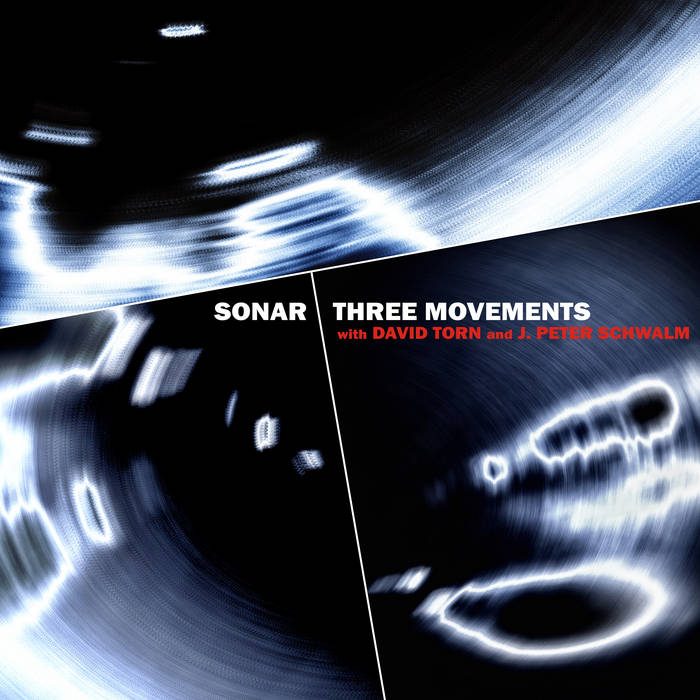
Speaking of concerts, my prep for a recent show by British “post-Brexitcore” bashers black midi included their latest album Hellfire, which hit plenty of 2022 best-of lists in and out of the prog world. A detailed live review is forthcoming; suffice to say that on record, bm’s dense, anarchic musical interaction tracks all too well with their jaundiced first-person lyrical vignettes — it’s postmodern life as absurd, unstoppable apocalypse. A welcome bonus from that concert was meeting Mike Potter, Renaissance man of the Eastern Seaboard — astrophysicist, former recording studio owner and a whiz on keys, woodwinds and vocals too! Potter’s band Alakazam has just released their fourth disc, Carnival Dawn; it’s a heady conceptual effort that stirs equal parts Ray Bradbury and Stephen King into a bubbling stew garnished with ominous Mellotron, creepy clarinet and saxophone, and the wondrously deranged verbal musings of sundry evil clowns. By the pricking of my thumbs, it’s worth a listen — if you dare. And for a coolly energizing dose of order to chase the above chaos, you won’t do better than Sonar’s new Three Movements. Here Stephen Thelen and company harness a genuinely symphonic tension, building up towering rhythmic edifices that reach dizzying heights; at the climaxes, as guests David Torn on guitar and J. Peter Schwalm on electronics launch volley after volley of improvised ambience, the tension breaks, the clouds clear, and you might just hear the music of the spheres!
(A quick note: for new releases, order links are embedded in album titles; online playlists/previews/etc. follow reviews when available. For catalog albums, playlists are linked with titles.)
Once again, I get to second a positive review from Bryan — this time of Fauna, the new release from prog-metallers Haken. Wildly creative, I found this to be the British sextet’s most appealing effort since 2016’s Affinity, stirring in flavors of fusion, postmodern pop, funk, reggae, electronica and even opera alongside one heavy yet tuneful chorus after another. Whether on the short, sharp shocks of “Taurus” and “Lovebite” or the extended journeys of “Sempiternal Beings” and “Elephants Never Forget”, Ross Jennings’ vocals soar, Charlie Griffiths and Richard Henshall’s guitars crunch, Peter Jones’ keys fill what few sonic crevices remain, and rhythm section Conner Green and Raymond Hearne thunder. Play it loud — but look out for multiple, exciting curveballs on every track!
Last month also saw the release of two live albums from veteran bands who’ve made it through the pandemic back to the stage:
Van der Graaf Generator’s The Bath Forum Concert(a CD/DVD/BluRay set) documents the venerable trio’s 2022 return to action; tackling an ambitious setlist that spans their entire career, guitarist/pianist/singer Peter Hammill is as declamatory and vehement as ever, organist Hugh Banton covers the aural spectrum between cathedral and crypt, and drummer Guy Evans locks into or disrupts the grinding soundscapes as the spirit moves him. The beautifully filmed video shows VDGG working hard and watching each other, opting for the flow as they feel it rather than relying on clinical precision; warts and all, this is refreshingly in the moment, a strong show that captures the band’s existential angst and humanistic idealism in full.
Two years after their 2020 Far Eastern tour collapsed around them, King Crimson satellite band Stick Men returned to Japan and blew away any cobwebs that might have accumulated at Osaka’s BB Live venue. The resulting album Umedashowcases avant guitarist Markus Reuter, multi-bassist Tony Levin and percussionist Pat Mastelotto at their aggressive, angular best; whether on long-standing improvisational frameworks “Cusp”, “Schattenhaft” and “Swimming in Tea”, newer compositions “Ringtone”, “Tentacles” and “Danger in the Workplace” or Crimson classics “Red”, “Larks’ Tongues in Aspic Pt. II” or “The Sheltering Sky”, these guys are frighteningly good, whether working up a hair-raising din or backing off for spacey, unexpectedly lush interludes. A great introduction for newbies and a must for fans.
Plus, in February and March the recorded music industry resumed cranking out deluxe box set reissues and compilations — apparently the market of Boomers (like me) with more money than sense isn’t tapped out yet:
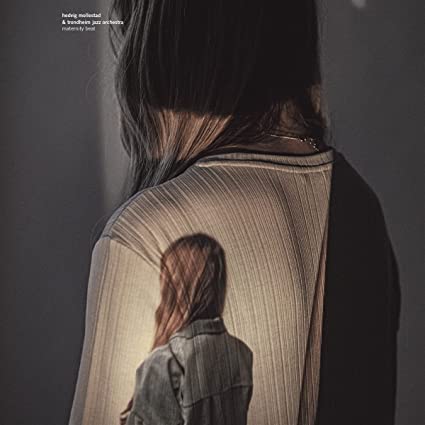
Starting out with a burner from 2022 that just arrived due to the ongoing vagaries of overseas shipping: Norwegian guitarist Hedvig Mollestad connects with the Trondheim Jazz Orchestra for the conceptual Maternity Beat. As on her previous collaborative jazz-rock projects Ekhidna and Tempest Revisited, Mollestad’s writing runs the gamut, from thrusting dash through tribal fusion getdowns and chamber interplay to a glorious finale that ratchets up to a blazing climax. And her playing is as creative and involving as ever, ranging from the gutbucket blues and skronky feedback of “Do Re Mi Ma Ma” to the gliding, Jeff Beck-ish boogie of “All Flights Cancelled” and beyond. Another winner from this impressive musician that grows more immersive the more you listen.
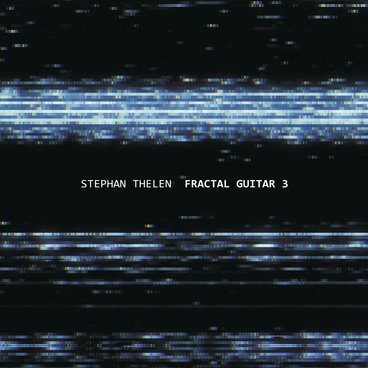
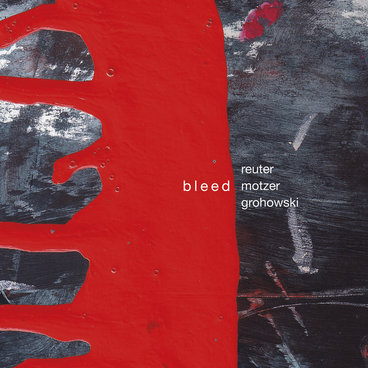
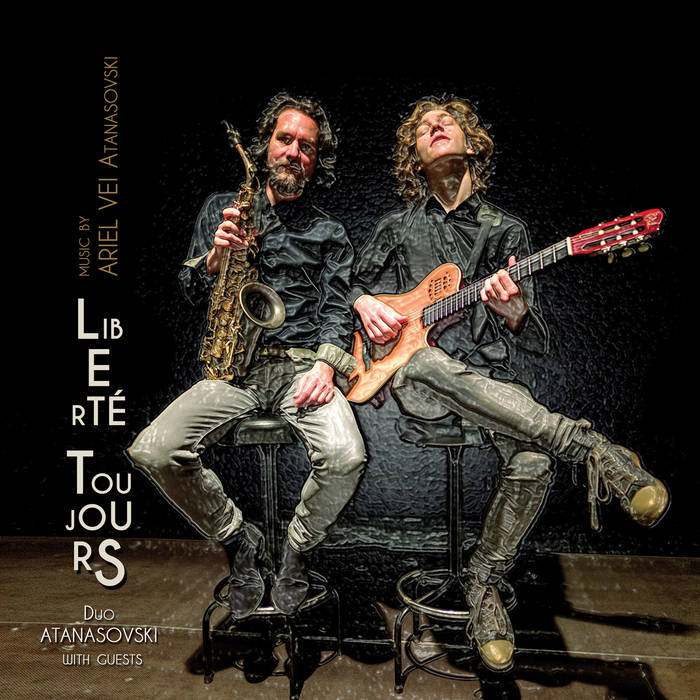
Even with his relocation from New York City to Toledo, Spain this year, impresario Leonardo Pavkovic has kept MoonJune Records churning out first rate albums that consistently ride the cutting edge of possible musics. In the most recent batch of MoonJune releases, Sonar guitarist Stephan Thelen returns with Fractal Guitar 3, another winning album of intriguing compositions that create harmony and structure via the interaction of cyclic time and minimalist melodies; touch guitarist Markus Reuter teams with multi-instrumentalist Tim Motzer and drummer Kenny Growhoski for Bleed, a bold, grungy set of abstract pieces drawn from free improvisation; Anchor & Burden (Reuter’s “European supergroup” featuring drummer extraordinaire Asaf Sirkis) weighs in with Kosmonautik Pilgrimage, monumentally turbulent full improv with Lovecraftian artwork and titles to match its swirling, heavy vibe; and Duo Atanatovski (a Slovenian father and son on guitar/cello and winds) team with a rhythm section for the radiant Liberté Toujours, an album of soaring, propulsive jazz that I guarantee will lift your spirits. The best way to catch all the action on MoonJune is a yearly subscription at Bandcamp.
On a whim (admittedly nudged by a recommendation from allmusic.com), I checked out Guided by Voices’ brand new La La Land and was instantly captivated. The brainchild and main musical vehicle of Dayton Ohio guitarist and singer Robert Pollard, the band is known for its insanely prolific output (the current lineup has released 14 albums in the last 5 years), slamming home musical earworms laced with whimsical, elusive lyrics aplenty in a devil-may-care blend of the British invasion, low-fi punk-pop and just the right amount of psych-prog garnish. In the past, GbV’s releases lacked a certain quality control, but recent albums seem to be all killer, no filler: here the air-tight riffs lodge directly in your pleasure centers; Pollard reels off irresistible chorus after irresistible chorus in a delightfully mannered, indeterminate accent; and expansive efforts like the pretty acoustic tune “Queen of Spaces” and the off-kilter, multi-part build of “Slowly On the Wheel” offset the short, sharp shocks of the opening “Another Day to Heal” and the Beatlesque “Ballroom Etiquette”. Well worth exploring, but mind stepping too far into the whirlpool …
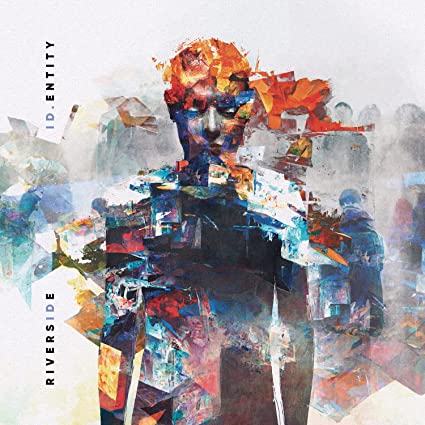
I’ve got to agree with Bryan that Riverside’s latest, ID.Entity, is a strong contender for “best of the year” status, even this early in the game. This is hooky, hard art-rock (metallic around the edges) with a compelling sense of ebb and flow — not to mention plenty of high-power guitar and keyboard heroics. What makes the blend especially savory here is Mariusz Duda’s vocals; wistfully edgy, drily sardonic and bluntly dismissive by turns, his melancholy meditations on a divided world with no place left to hide grab and shake you, whether you want to see the pictures he’s painting or not. Definitely up to Progarchy’s favorite Polish proggers’ high standards, with the potential to rope in fans of a recent vintage — like me — as well. (Need to catch up on Duda and company? The 2021 online compilation20 – The Shorts and the Longsmight be your ticket.)
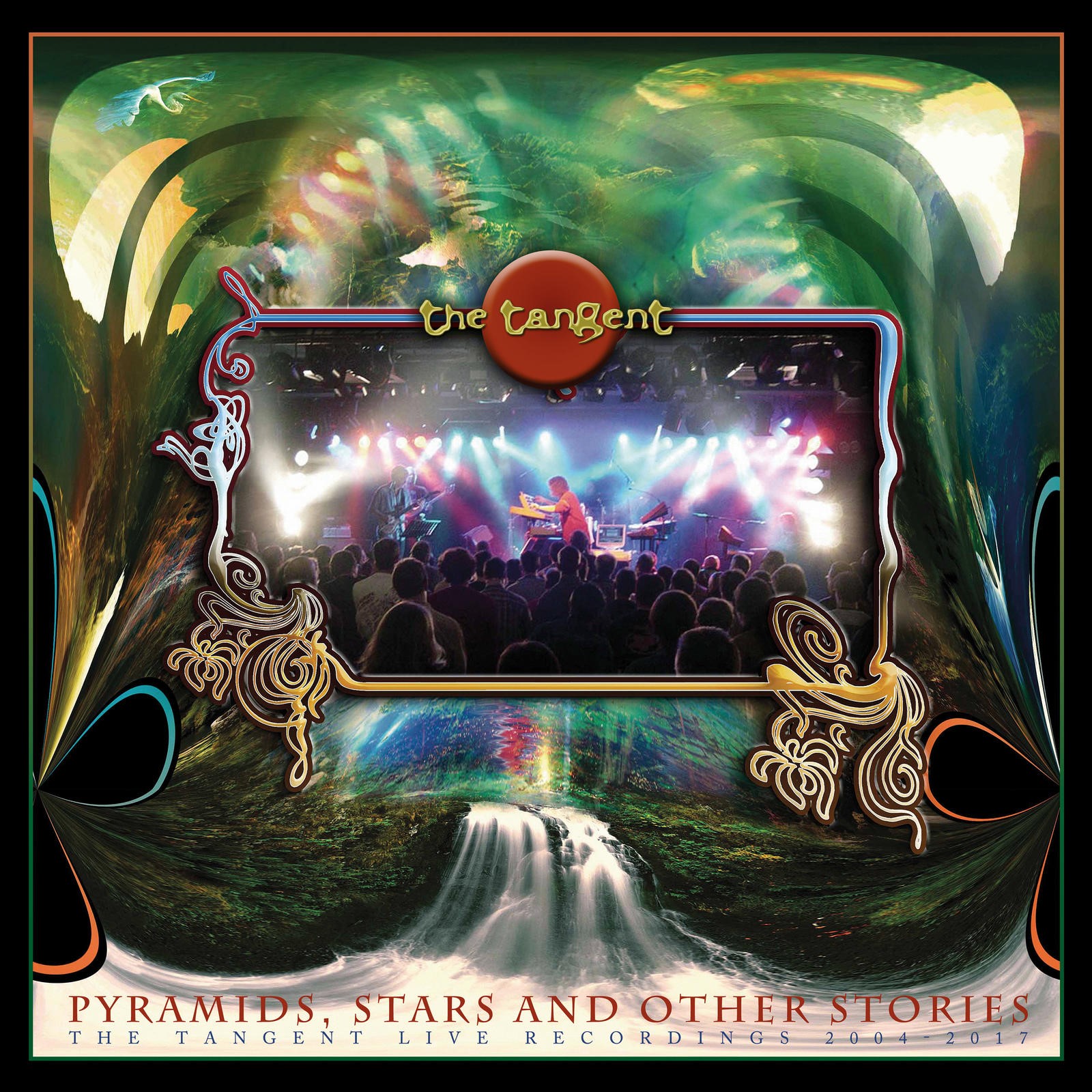
Always ready to bring a bit of reconfigured retro flash into here and now, Andy Tillison has opened wide The Tangent’s vaults for an old-school “triple-live” album, Pyramids, Stars and Other Stories. The release kicks off with a soul-stirring 2004 set, as the original lineup (including Roine Stolt) powers through early classics like “The World That We Drive Through” and “The Music That Died Alone”. Add a substantial serving of later songs and instrumentals performed by equally gifted lineups on the 2012 UK and the 2017 US tours (the last of which I was privileged to see at Chicago’s Progtoberfest), and you have 2 1/2 hours of back-catalog gems delivered in grand style. I gleefully gulped down the whole thing in one sitting; Tillison’s non-stop compositional eclecticism and his unquenchable penchant for speaking (well, singing) his mind delight from beginning to end, and his compatriots step up to match his commitment throughout. On their game, The Tangent’s devotion to music and their appeal to our consciences point us to the best of what we are and what we can be; here, they hit peak form throughout, with any rough edges only adding to their appeal. This generous set is both a first-rate introduction for new listeners and an essential item for hard core fans. In addition to purchasing the album through the usual outlets, you can still support the band directly and pre-order a limited number of signed copies here.
In addition to this month’s new music, I’ve taken a few column inches to double back on “Blasts from the Past” — albums that I missed the first time around or haven’t heard in a while, but have become firm favorites as I discovered (or rediscovered) them during the first six months of this year. For new releases, purchasing links are embedded in each artist/title listing, with playlists or samples following each review as available; Blasts from the Past have listening links embedded in each album title.
Tim Bowness, Butterfly Mind: As Bowness mentioned in his latest Progarchy interview, the concept of his 2020 album Late Night Laments‘ was of a fragile refuge, however imperfect, from current societal storms. Butterfly Mind drops those defenses, confronting protest (“We Feel”), polemics (“Only A Fool”), fear of the future (the album frame “Say Your Goodbyes”) and, yes, death (“About the Light That Hits the Forest Floor”) with Bowness’ typically thoughtful, allusive lyrics and rich, warmly delivered melodies. But there’s also a gritty energy welling up from the roots of the music (bassist Nick Beggs and drummer Richard Jupp are a fabulous rhythm section), toughening the musical tendrils nurtured by soloists like Jethro Tull’s Ian Anderson, Magazine’s Dave Formula, Big Big Train’s Greg Spawton and former No-Man bandmate Ben Coleman. Urgent art-rock that compels multiple listens, as beauty takes on today’s ugliness without flinching. Preorder now for August 5th release.
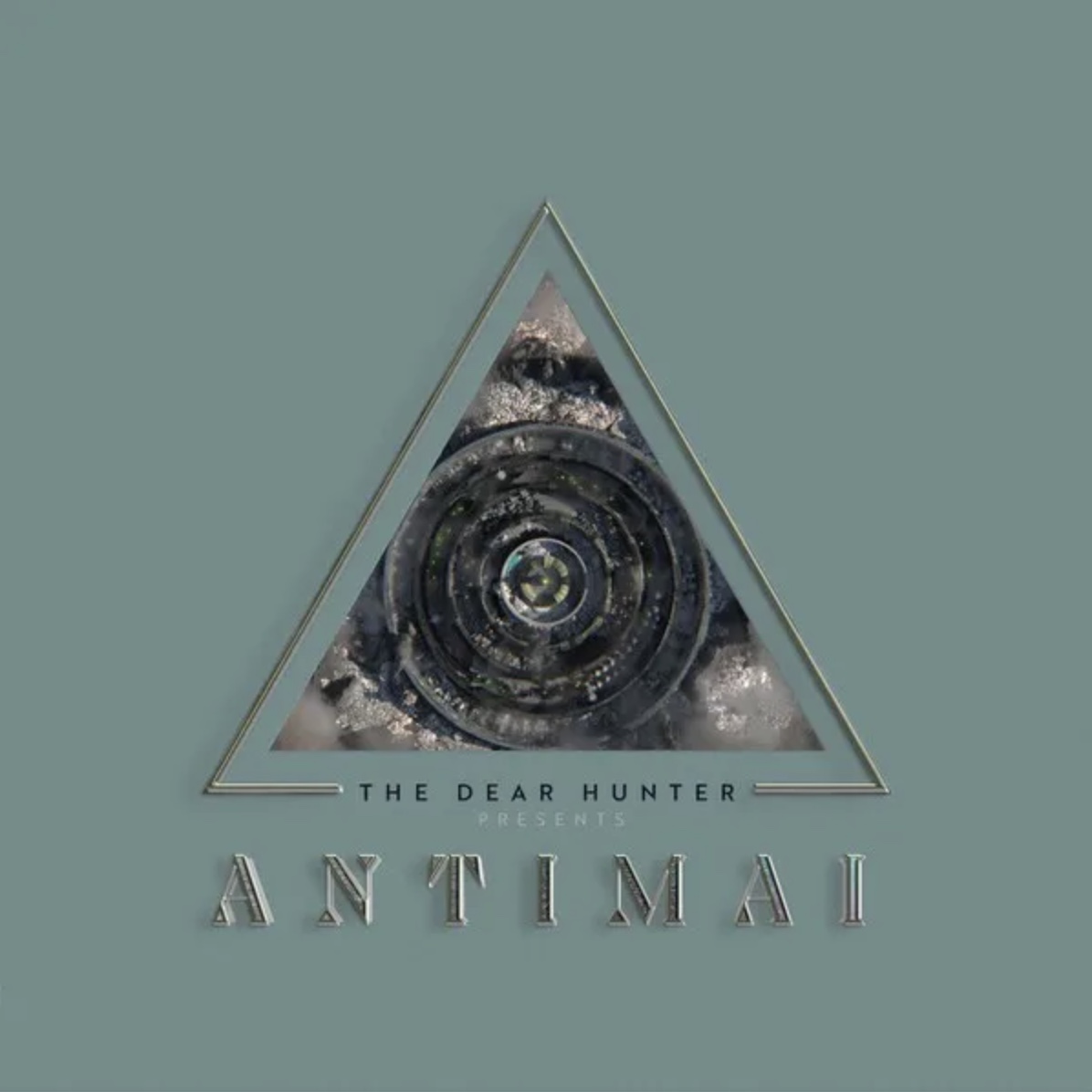
The Dear Hunter, Antimai:having cleansed their palette with 2017’s relatively straightforward All Is As All Should Be, Casey Crescenzo and his crew of emocore/musical theater/prog rockers settle in for some serious world-building. Exploring the dystopian culture that underlies Crescenzo’s short film The Indigo Child from bottom (“Ring 8 – Poverty”) to top (“Ring 1 – The Tower”), his lyrics portray the variations of despair, complacence, and self-deception each imagined caste falls prey to. Honestly, it’s the music that provides sharper differentiation between social strata, with surprising amounts of sonorous brass — plus jazz/funk, R&B and even hip-hop — snuggling alongside TDH’s trademark power chords, mallet percussion riffs and singalong choruses stacked with Beach-Boys-meet-Queen harmonies. It feels a bit like an aural version of a cinematic trilogy’s middle installment — lots of set-up, with the ultimate payoff beyond the horizon — but with TDH’s sonic and structural ambition clicking so often, Antimai is quite a dazzling trip.
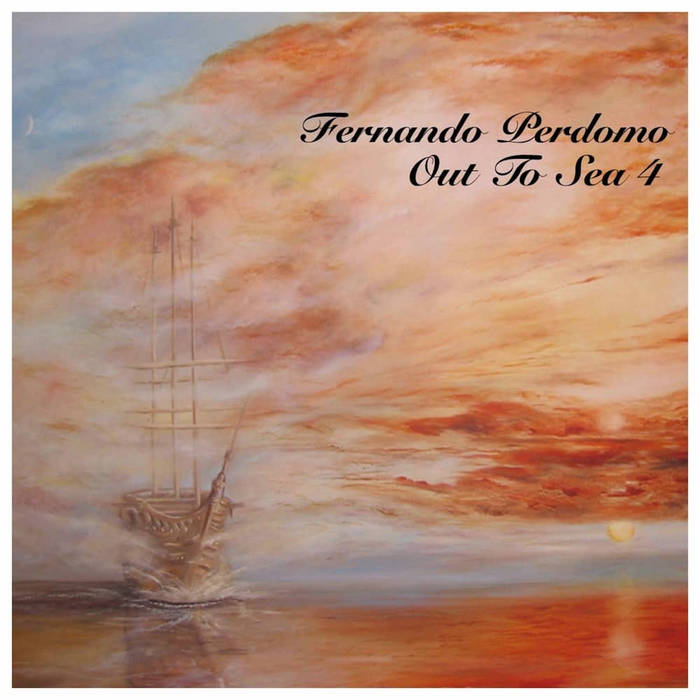
Fernando Perdomo, Out To Sea 4: Even with this year’s return of Cruise to the Edge (the series’ initial impetus), this fresh installment of nautically-themed prog instrumentals comes as a surprise — but then it did to Perdomo as well! Written in the heat of inspiration, his new compositions are sure-footed and energized from first to last, immediately appealing while packed with depth. Playing all the instruments, Perdomo lays down powerful, propulsive grooves on bass and drums and sets up sparkling, jangly chordal textures and fires off his arresting themes on guitar with confidence and aplomb. And his guitar solos! Never pat or predictable, always heartfelt and daringly executed, each solo is a ravishing song in itself. The only reason I haven’t mentioned any standout tracks: every single one is equally excellent. If you’ve heard Out To Sea 1, 2 and 3, you’ll definitely want this; if Fernando Perdomo’s name is new to you, you won’t regret giving OTS 4, the high water mark of a really fine run of albums, a spin.
Robert Berry’s 3.2 Alive at Progstock:Berry’s recent posthumous collaboration with Keith Emerson (an extension of his work with Emerson and Carl Palmer in the 1980s band 3) gave him renewed exposure and the chance to command prog festival stages in 2019. Surrounded by chops-heavy compadres Paul Keller, Andrew Colyer and Jimmy Keegan, he delivers with a thrilling mix of 3 and 3.2 highlights, prog classics as reimagined for 1990s tribute albums, solo tracks and even “Deck the Halls” a la 1980s Rush! Plus, Berry’s unpretentious spoken introductions, peaking behind the curtain to reveal how the music came to be, are nearly as riveting as the performances themselves. All in all, this CD/DVD set is a worthy showcase for a remarkably underrated musician, finally in the spotlight after decades behind the scenes. (Watch for a Progarchy interview with Berry about his next project, SiX By SiX, coming soon.)
Blasts From The Past:
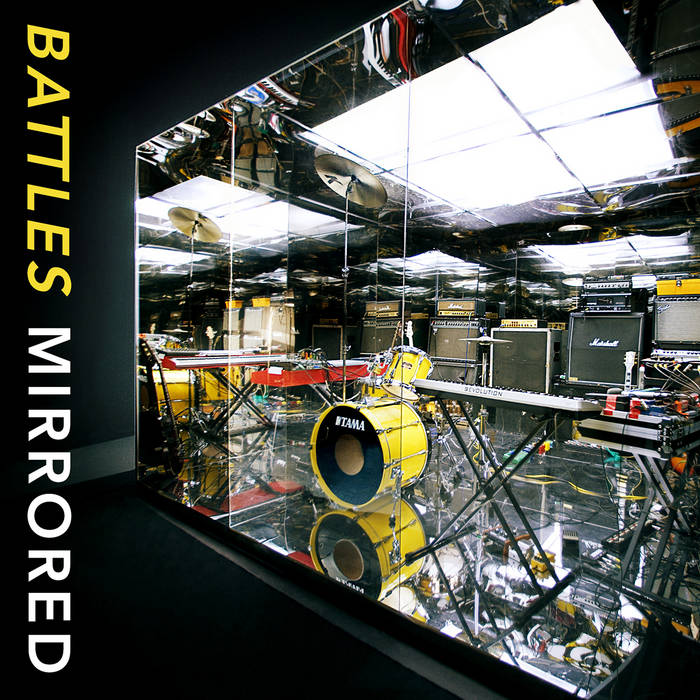
Battles caught my ear opening for Primus back in May; their first two albums, 2007’s Mirrored& 2011’s Gloss Drop, turned out to be especially exciting. Glitchy electronica that defies predictability with every asymmetric loop, candy-coated melody, whipsaw rhythmic shift, and whomping backbeat, with each album meant to be experienced in one extended go. As proggy as dance music gets!
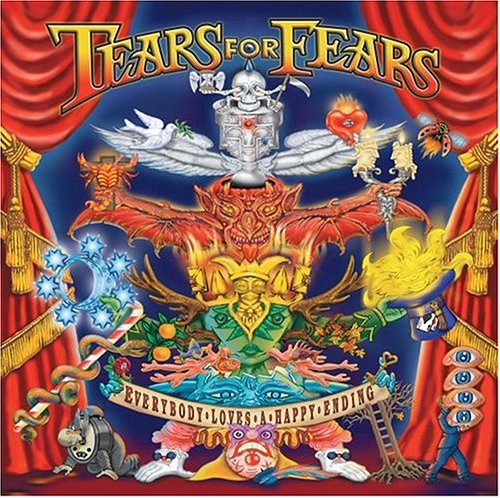
Tears For Fears’ The Tipping Pointinspired a deep dive into the lesser known corners of their catalog. Roland Orzbaal and Curtis Smith’s 2004 reunion, Everybody Loves a Happy Ending (which I never heard at the time), lives up to the same high standards as their latest; unstoppable riffs and hooks abound in killer songs like “Call me Mellow”, “Who Killed Tangerine?” and the delectable “Ladybird”.
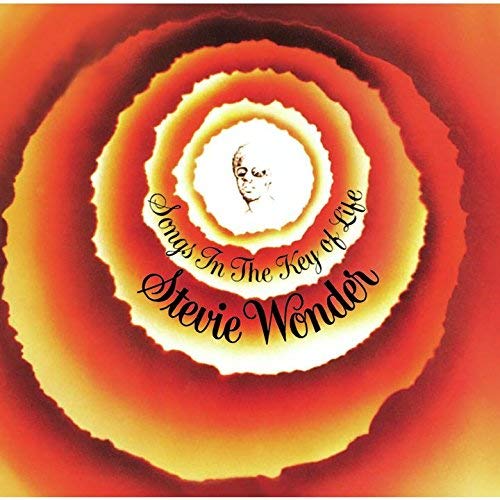
Andy Tillison’s reflections on soul music in his recent Progarchy interview sent me back to Stevie Wonder’s masterful 1970s albums, where Wonder blended soaring melodies, sophisticated chord structures, groundbreaking synthesizer work and heaping helpings of funk rhythms for one innovative, irresistible breakthrough after another. 1976’s Songs in the Key of Liferemains Wonder’s most expansive, fascinating and welcoming classic, ranging from the swing of “Sir Duke” to the drive of “I Wish” and “Isn’t She Lovely” to the sardonic classical gas of “Pastime Paradise”. And the songs you don’t know from this double album are just as good — or often better! Sheer genius at its peak.
Primus: A Tribute to Kings with Battles, GLC Live at 20 Monroe, Grand Rapids, Michigan, May 31, 2022
Having been sucked in to seeing this show by the sheer audacity of the concept — Primus covering Rush’ complete album A Farewell to Kings — I wasn’t sure what to expect in terms of the audience. On the night, GLC Live hosted what was by no means a typical “progressive rock” crowd. With all the restrooms equally busy at the usual break points, I saw pierced youth, middle-aged mullet wearers, date night couples, Gen X parents with their Millennial kids and the occasional fan in costume (from silk kimonos to the hat pictured here, depicting the album cover of Primus’ Sailing the Seas of Cheese) packing the standing-room-only main floor. So I got as close to the soundboard as I could and awaited the night’s developments.
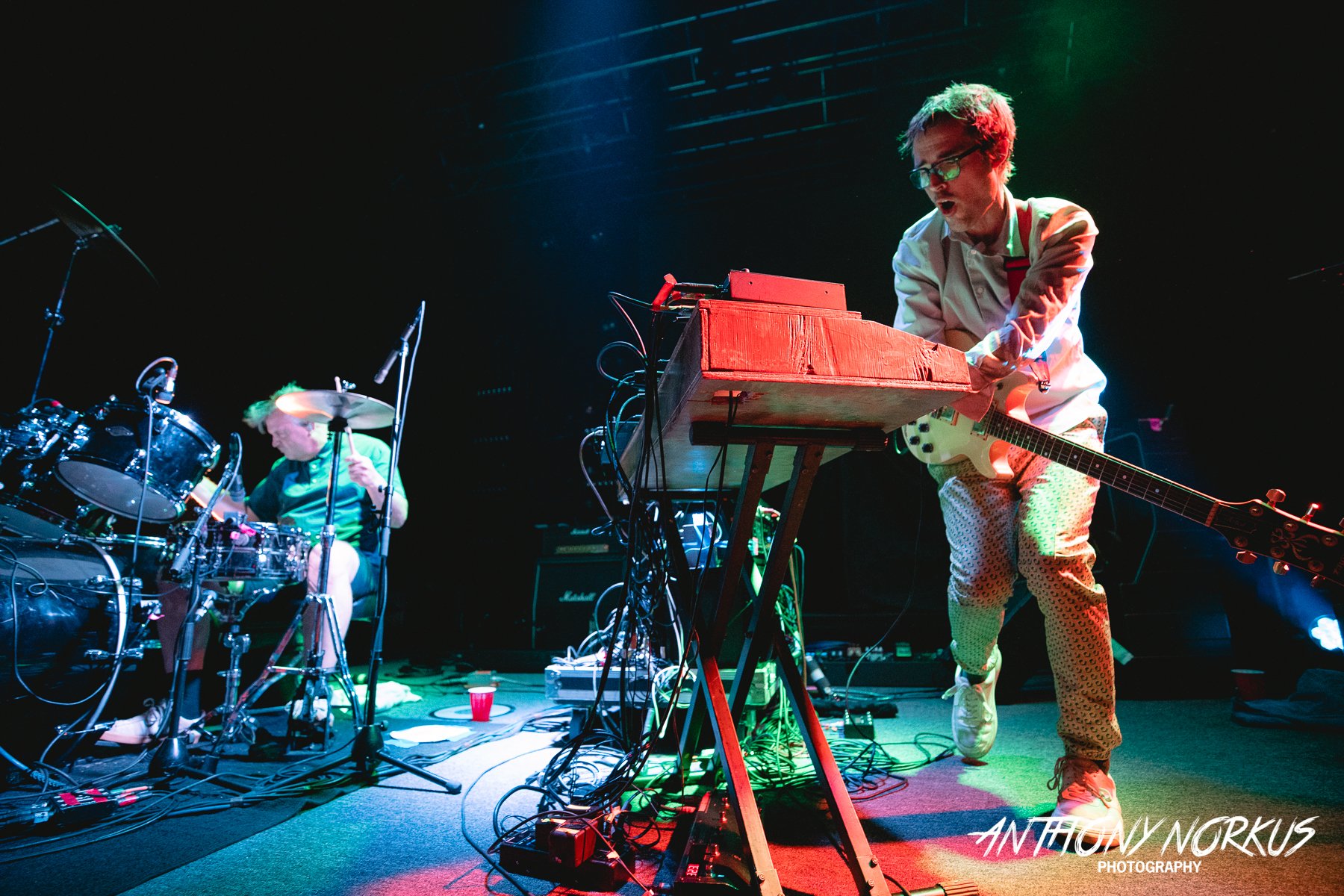
Making their Grand Rapids debut, New York City’s Battles got the crowd moving with a ecstatic blend of electronica, funk and rock, mostly from 2019’s stellar Juice B Crypts album. Ian Williams set the mood with his genial dad-dancing — triggering loops and laying down riffs on synth, garnishing the resulting blend with effects-laden guitar riffs and the odd solo in the moment. John Stanier, a hard-hitting drummer in the John Bonham vein, drove the tunes and cued one whiplash rhythm change after another, triggering new beats and repeatedly bashing his elevated crash cymbal along the way. The grooves were relentless but refreshingly unpredictable and airy; the interlocking melodic lines ranged from punky ferocity to video-game-soundtrack campiness; and the occasional pre-recorded guest vocal (like Jon Anderson adding some Yes-style sunshine to “Sugar Foot”) always seemed to furnish a cherry on top the sweet sonic sundae. Williams and Stanier have forged an impressively interactive relationship with their electronics in real time, bringing an artsy asymmetry and freshness to their music that gathered thrilling momentum as the set progressed. After 45 minutes of Battles, I felt like I’d already got my money’s worth. (And I can’t recommend their recorded catalog highly enough — if there’s such a thing as dance music for prog heads, this is it!)
Battles onstage at GLC Live: L to R, John Stanier and Ian Williams.
Following the openers’ clean lines and summery vibe, the headliners’ full-on first set was initially bewildering to a newbie like me. Bypassing their long-ago radio hits for the most part, Primus conjured up a thick, hypnotic pulse to jam on extended, deep catalog tracks like opener “Harold of the Rocks” and “American Life”, as well as new music from their Conspiranoid EP. While that approach grabbed the already-primed crowd from the start, I had to get my bearings. Still, it was quickly evident that Les Claypool’s circular, polyphonic bass riffs are the heart of Primus’ sound (with his outsider sensibility every bit as evident instrumentally as in his carnival barker voice and Zappaesque lyrics); that drummer Tim “Herb” Alexander not only locks in with Claypool’s grooves, but that he pretty much fills the remaining space in the soundfield; and that their tight connection allows Larry “Ler” LaLonde the freedom to play guitar in a completely lateral fashion, with blindingly off-angle solos that seem to defy not only the laws of tradition, but possibly the laws of physics. Add in a full-on light show and quirkily-cued screen projections, and you had an undeniably appealing set, connecting with the audience via its eccentricities, not despite them. But one question remained for me: how well could Primus, who opened for Rush back in their own early days, possibly recreate the operatic metal sound of their heroes in the 1970s?
Primus onstage at GLC Live: left to right, Larry LaLonde, Tim Alexander (behind drums), Les Claypool)
The answer: better than anyone had a right to expect. Primus had unquestionably done their homework; “A Farewell to Kings'” chiming classical intro and lumbering riffs plus “Xanadu’s” double-neck duet and bell tree accents proved the opening shots of an awe-inspiring re-creation, with all of Rush’s instrumental bells and whistles delightfully present and correct. All three players were stretching themselves to hit their marks, and you could tell how the effort had strengthened their overall bond as a band. And I’ll give the kimono-clad Claypool full credit for giving Geddy Lee’s utterly impossible vocals his best shot; generally sticking to a lower octave, occasionally letting loose with appropriate Plant-y screams, inviting the obvious singalong on “Closer to the Heart”, he was obviously having the time of his life nearly a year into this tour. By the time “Cygnus X-1, Book 1: The Voyage” (complete with Captain Smiler onboard the good ship Rocinante onscreen) gathered speed and dove into its climactic black hole, I was sold — even though my aching back meant I didn’t stay for what turned out to be an extended encore. Along with Battles’ marvelous opening set, my introduction to Primus’ weird world of pure imagination and their well-done “tribute to kings” proved to be an appropriately titled evening: a first-rate, full-on musical experience. If the above strikes your fancy and you get the chance, this tour is well worth your time and cash!
— Rick Krueger
Battles Setlist:
The Yabba
Hiro 3
IPT-2
Summer Simmer/Ice Cream (featuring Matias Aguayo)
A Loop So Nice . . .
Titanium 2 Step (featuring Sal Principato)
Fort Greene Park
Sugar Foot (featuring Jon Anderson and Prairie WWWW)
TRAS
Ambulance
Atlas
Primus Setlist:
Harold of the Rocks
Fisticuffs
The Pressman (quickly abandoned because, to quote Claypool, “I can’t remember the words. We’ll play something else!”)
Brought to you (mostly) by the letter B! Purchasing links are embedded in the artist/title listing; a sample follows each review.
Dave Bainbridge, To The Far Away: put simply, a thrilling, ravishingly beautiful album. Separated from his fiancée on the eve of their wedding by the COVID pandemic, guitarist/keyboardist Bainbridge focused on the essentials — love and the longing it stirs, the beauty of the world and the changing seasons, the desire for hope and a future. Poet Lynn Caldwell’s words (movingly sung by Sally Minnear and Iain Hornal) capture these themes with rich simplicity, cradled in a lush orchestral blend of rock, prog and Celtic folk. Often evoking the palette of his breakthrough band Iona, Bainbridge and a stellar group of collaborators grab your attention and your heartstrings again and again, whether on the dramatic instrumental “Rain and Sun”, the epic paean to the creative spirit “Ghost Light”, the classically-tinged rhapsody “Infinitude (Region of the Stars)” or the yearning sprint of “Speed Your Journey”. Already one of my favorites of 2022, and recommended without hesitation. (And check out our extensive interview with Dave here.)
Big Big Train, Welcome to the Planet:Yet another stellar addition to BBT’s discography, their latest effort consolidates the widened horizons of Grand Tour and the intimate subjects of Common Ground, casting an epic light on the everyday glory of family, community, love and loss. With Nick D’Virgilio, Rikard Sjöblom, new guitarist Dave Foster and new keyboardist Carly Bryant all involved in the writing, rockers like “Made of Sunshine” and “The Connection Plan” hit with maximum impact; ballads like “Capitoline Venus” and “Oak and Stone” are masterfully expressive; instrumentals like “A Room with No Ceiling” and “Bats in the Belfry” unleash the requisite nifty twists and turns — not forgetting less easily classified delights like the multi-sectioned “Lanterna” and the woozy dreamland wash of the title track. Throughout, Greg Spawton’s firm hand on the tiller and the late David Longdon’s vocal authority are rock solid, their partnership the beating heart of this music. In the wake of Longdon’s untimely passing, we can’t know if Welcome to the Planet is the last stop on Big Big Train’s journey or a way station before what might come next. But such considerations pale in the face of what we’ve been given; this one — easily my favorite BBT effort since the English Electric days — is a real thing of beauty, an album to be treasured and listened to again and again. (Check out Bryan Morey’s detailed review here.)
















 Progarchy