Arnaud Quevedo & Friends, Electric Tales, 2020 Tracks: Electric Overture (1:32), The Dark Jester (7:24), The Electric Princess Part 1 (9:06), The Electric Princess Part 2 (9:02), Entering… (Impro) (4:11) Mushi’s Forest (6:21), Flower Fields (Impro) (3:26), The Hypothetical Knight (6:24), Hope (5:07), Electric Dreamer (3:49)
For the second in my series of reviews of French artists (see number 1 here), we have Arnaud Quevedo & Friends, a guitar-centered jazz fusion outfit based in La Rochelle, France. The group centers around Arnaud Quevedo, a guitarist and music teacher at Conservatoire La Rochelle. Bassist Noé Russeil joins Quevedo on both records, as does double bassist Éva Tribolles. Both also provide vocals. Lucille Mille plays flute and sings on Electric Tales, Julien Gomila plays saxophone on that record. There is a much larger cast on Roan, composed of more stringed and blown instruments. While Quevedo plays drums on Electric Tales, that duty is expertly handled by Anthony Raynal on Roan.
One of the primary differences between the two records is the lyrics on Electric Tales are in English while they are in French on Roan. I prefer the French vocals because they sound more natural to both the music and for the singers. Some of the English lyrics, like on “The Dark Jester,” are really difficult to understand.
Jazz is the name of the game here, but it remains tied to the rock world throughout. Electric Tales periodically reminded me of The Tangent, another band that heavily leans on jazz. “The Electric Princess” Parts 1 and 2 are almost entirely instrumental, with some more easily understandable lyrics near the end of part 2. The guitar and flute are prominent throughout, balancing the jazz with a rock feel. Continue reading “Arnaud Quevedo & Friends – Double Album Review”→
It’s been another excellent month for new music. So let’s just cut to the chase, shall we? Purchase links are embedded in the artist/title listing; playlists or video samplers follow each review.
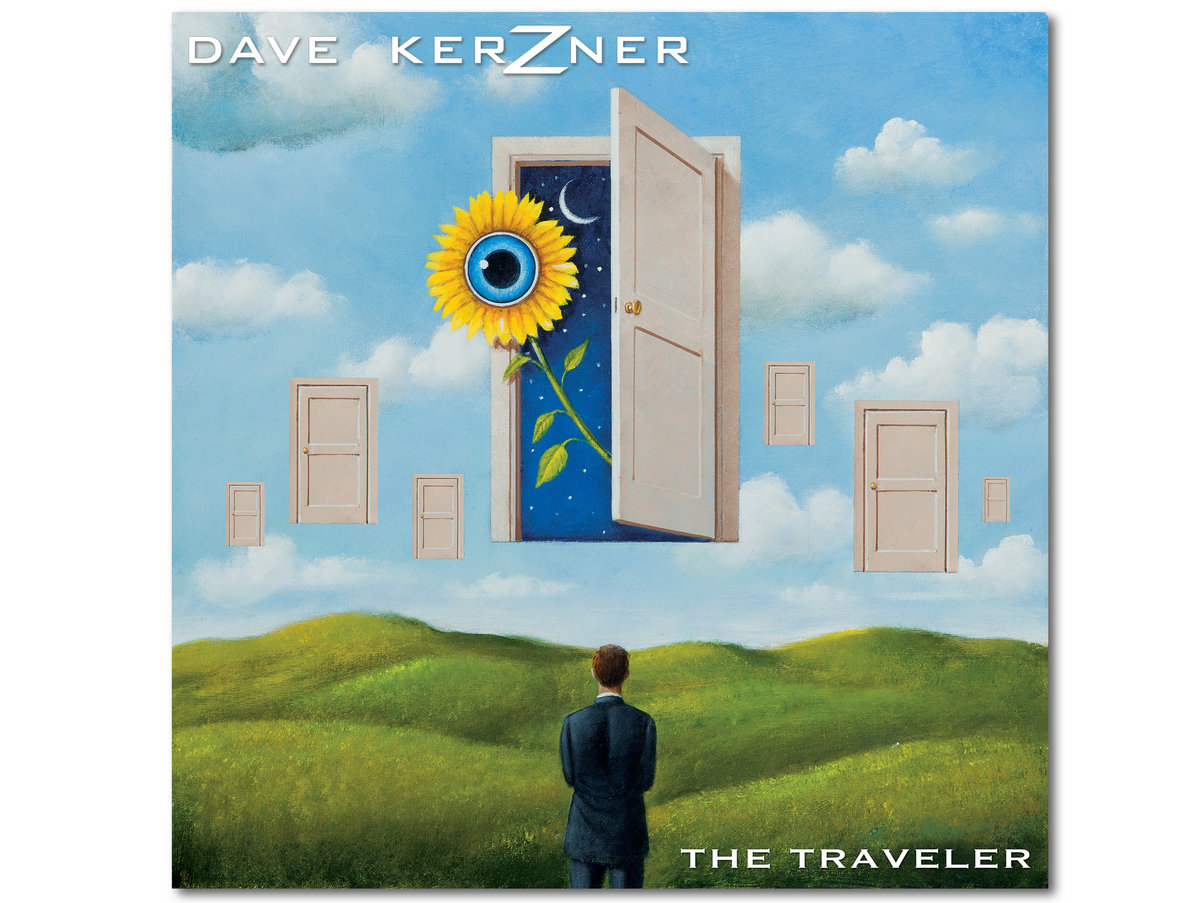
Dave Kerzner, The Traveler: A third concept album from Kerzner, continuing the through line of New World and Static (with nods to In Continuum’s Acceleration Theory lurking about as well). The opener “Another Lifetime” sets out this record’s remarkable strengths: confident, appealing songwriting with hooky yet sophisticated melodies and structures; Kerzner’s best, widest ranging vocals to date; and the perfectly judged contributions of Fernando Perdomo on guitar, Joe Deninzon on violin, Ruti Celli on cello and Marco Minneman on drums (only a smattering of the stellar guest list here). The dry, forward sound and the copious use of vintage keyboards on tunes like “A Time In Your Mind” evokes early-80s Genesis at times (since Kerzner got those keyboards from Tony Banks, no real surprise there), but the power ballad “Took It For Granted” and the closing suite framed by the two parts of “Here and Now” show Kerzner moving his character’s story forward while striking out in fresh musical directions like the sunshine guitar pop of “A Better Life”. Overall, Kerzner exhibits a lighter touch here, and The Traveler is the better for it; by letting his new songs sell themselves and keeping proceedings to the point, he both satisfies us and leaves us wanting more. After repeated listens, this one’s already on my “favorites of ’22” list!
Lonely Robot, A Model Life:John Mitchell has had a rough last few years, and he doesn’t care who knows it. In the wake of a global pandemic, the collapse of a long-term relationship, and a confrontation with his deepest doubts and fears, Mitchell’s done what he does best: slip into his Lonely Robot persona and pour it all out in a fine set of laterally structured, elegantly crafted, fearlessly emotional songs. Writing, singing and playing (especially in his rekindled relationship with the guitar solo) at peak inspiration, Mitchell lays the ghost of his former love (the nervy “Recalibrating”, the forlorn “Mandalay”), skewers our mad world (“Digital God Machine” and “Island of Misfit Toys”), mourns ways of lives and times now in the rearview mirror (the breathtaking ballad “Species in Transition”, the crunching elegy “Starlit Stardust”), and ponders how and why he became who he is (the brilliant final run of “Rain Kings”, “Duty of Care”, “In Memoriam”). Easily his best work under the Lonely Robot banner, Mitchell wears his heart on his sleeve and plays to the gallery at the same time; this is an outright spectacular effort that’s got both all the feels and all the chops. (Check out our latest interview with John Mitchell here.)
Motorpsycho, Ancient Astronauts: the kings of Norwegian drone-prog continue their enviable hot streak on their fifth album in six years. “We’re all a little bit insane,” Bent Saether chirps on the opener “The Ladder”, and as the track spirals upward, mingling the howl of Hans Magnus Ryan’s guitar and Saether’s darkly glimmering Mellotron, you believe him. The edgily abstract interlude “The Flower of Awareness” cleanses the palette for a Crimsonesque workout on “Mona Lisa/Azrael”; Ryan builds towering edifices of distortion over a trademark Saether riff, as drummer Tomas Jarmyr matches their ebb and flow all the way through the shuddering climax and the slo-mo collapse. Astonishingly, all this just serves as prologue to the “Chariot of the Sun: To Phaeton on the Occasion of the Sunrise (Theme from an Imagined Movie)” It’s as if Motorpsycho’s brief for this 22-minute finale was to rival “La Villa Strangiato” in both range and focus; gentle strumming and wordless vocals give way to more menacing bass riffs, fuzz guitar deployed in duet and counterpoint, feral percussive cross-rhythms. It all mounts to multiple climaxes (a mighty unison riff, ominous post-rock minimalism) that circle back to end with the melancholy lyricism that kicked it all off. Ancient Astronauts is a genuinely thrilling ride; strap in and brace yourself for liftoff.
Muse, Will of the People: they’re baaack!!!!!! And as usual, Matt Bellamy, Chris Wolstenholme and Dominic Howard earn every one of those exclamation points. The guitars and drums are turned up to 12, the classical keyboard licks pack double the bombast (including a Bach “Toccata and Fugue” steal), the electronica wallows in creepshow kitsch, the vacuum-packed harmonies are piled even higher, and the gang chants are bellowed louder than ever. All this sound and fury portrays a world on the brink, an elite obsessed with control, and a populace angry that the game is rigged. Still, it’s hard to know who Bellamy is rooting for; at times, his lyrics and driven singing seem equally repulsed by both the leaders (“Compliance”, Kill or Be Killed”) and the led (the title track and “Euphoria”). But in the end, this is quite the slamming album; if you’re in the mood for existential desperation set to one badass, air-guitarable riff and singalong chorus after another — and these days, who isn’t? — this just may be your ticket. Might want to only play that obscenity-laden final track when no one else is around, though.
Robin Armstrong’s Cosmograf will be releasing their latest album, Heroic Materials, on September 9, 2022. The album is available for pre-order from Armstrong’s record label, Gravity Dream music, on CD (digipack and deluxe media book edition) and vinyl. The vinyl won’t be available by the date of release, but vinyl purchasers will be able to get a digital download on release day if they want.
When we last talked with singer/songwriter/multi-instrumentalist/prog man-about-town John Mitchell back in 2020, he said that the songs on his 4th Lonely Robot album Feelings Are Good were about “very down to earth things,” in contrast to the outer space trappings of his three previous efforts. The new Lonely Robot effort, A Model Life (released on August 26th), burrows even further into inner space, as Mitchell grapples with recent experiences of loss, loneliness, frustration, conflict and even death. But as heavy as the subject matter is, this album is by no means a downer. Preview tracks like the driving opener “Recalibrating” and the quirky “Island of Misfit Toys” once again reveal Mitchell’s gift for memorable melodies and hooks, his empathetic lyrical journeys from crisis to closure, and his instantly recognizable way with a cathartic guitar solo. Confronting a world in the grip of obsessions, searching for a way through life’s challenges, and emerging at peace with himself, on A Model Life Mitchell invites us to discover what does and doesn’t really matter, charming and comforting us with his remarkable gifts all the way.
In the middle of a busy day filming the video for A Model Life’s “Digital God Machine”, John Mitchell took the time to have a wide-ranging, candid and remarkably humorous chat with us about the new album. Watch the complete interview (including sundry musings and digressions on Netflix documentaries, Phil Collins’ memoir, the forcible learning of Rush songs, changing flat tires near blind curves, grass clipping collection fees and much more) below; a transcription of highlights follows.
The last time we talked, it was about 5 or 6 months into the pandemic – which was right before Feelings Are Good came out. So, my first question for you is a two-parter.How does A Model Life chart a different path from that album? But also, what might the two albums have in common?
The things that they do have in common — I do think of them as quite brother-and-sister albums in a way. I think that in hindsight, I’m much happier with the production on this latest record.
The main difference is, at the time that I did Feelings Are Good, I was still in a relationship, but writing songs about not being in a relationship! But by the time I did A Model Life, the whole thing was over; I was into the whole recovery period of what I was writing about. I approached the songs very differently from that perspective.
And from a production point of view, they are very different. I wanted Feelings Are Good to be a tiny bit more rough around the edges. So, the drum sound on Feelings Are Good is deliberately a bit more trashy; the guitar sounds aren’t quite as refined as they are on this latest record.
They do have a lot in common in terms of that they’re more personal. I’m writing about much more personal subject matter. And who knows what happens next! I might go back to writing about otherworldly things of which I do not know! [Laughs]
I see! It’s true; lyrically, I feel like you really dug deeply this time around. There’s a lot of frustration that comes through, and the emotions you’re singing about are right there, they’re up front. You mentioned the end of a relationship. Are you OK with talking about some of the other things you might have been drawing on as well?
Yeah, of course; I’ll talk about anything. That’s the whole point of this – it’s been very cathartic for me to address certain things. The way that I view things in life – my background is quite complicated. I was adopted by a family, by two people who were considerably older than they would have been had they been my biological mother’s age, who was 17 when she had me.
I find it fascinating that, at the same time in equal measure, I can chart that fact that a lot of my traits as a human being I have inherited, I think, from my [adoptive] mother – a lot of very good traits. They always say, is it nurture or nature? Well, I think largely it’s nurture . . .
A lot of what troubles me over the years has been this strange phenomenon of, whilst having [laughs] unfeasibly vast Impostor Syndrome, I think at the same time I am fascinated by the fact that a lot of the good parts of my makeup are from my [adoptive] mum’s kindness! When you’re adopted by somebody who ultimately – my dad, he basically killed himself when I was 12. Somebody I didn’t really know, but I felt some great duty to live up to in some strange way, whereas I think the opposite is true. Being adopted you don’t have the same sort of genetics. I never have been an academic in the way that he was; my skill set is completely opposite to what his would have been. So, I’m very interested by those things – why it’s taken me this long to realize it’s a fool’s errand to try and chase somebody’s ghost, as it were.
[Tracks] like “Starlit Stardust”, “Rain Kings”, “In Memoriam” – those sound like you’re putting grief on record.
Yeah, pretty much. Certainly “Duty of Care” and “In Memoriam”. “Duty of Care” is pretty much about the twin nature of the relationship with my dad and with my mom. I think it’s been really helpful for me.
I know that [laughs] not everybody’s gonna want to – what did Phil Collins say? He kind of retired from music didn’t he, in the early 90s. And he pretty much said, no one wants to hear another Phil Collins divorce record. [Laughs] And I thought, “well, Phil, you could be right”! But Phil, whether you like him playing drums in early Genesis, or whatever you like or don’t like about Phil Collins, you can’t deny that he’s very good at tickling the emotional buttons that people relate to.
I think a lot of things I’m writing are relatable subjects. And it’s not just me that has gone through these things in life. I have found it cathartic to write about it. And if I find it cathartic to write about it, I’m sure somebody might find it cathartic. But the next time around I might write a completely cheery reggae record, so who knows? . . .
You’ve mentioned not fitting in and not wanting to be part of any cool kids ‘club that would have you as a member. Is “Digital God Machine” part of that as well?
Dave Kerzner, The Traveler (Sonic Elements, 2022): ★★★★½ = 9/10 = A+
Dave Kerzner’s third studio solo album is another triumph. Collaborating with some of the greatest musicians in prog, Kerzner produces another astonishing sonic experience. As with his previous solo works, his technical expertise places the highest quality audio elements in the service of loving song-craft.
This time around, Kerzner’s solo writing is the strongest it has ever been. If you want prog epics, go to Arc of Life (where Kerzner collaborated on the best Yes album of the past decade, despite the ABWH-like absurdity whereby the musicians creating the masterpiece don’t call themselves “Yes”), but if you want concise mastery of the art of songwriting, check out The Traveler masterclass, where Kerzner’s lyrics rise to the highest level in order to fully complement his sonic world of wonders.
The B-side of the album (tracks 5 to 9), however, could be considered a prog-length suite, since tracks 5 and 9 (“Here and Now”, Parts 1 and 2) act as an impressive frame for the seamless sonic journey that unfolds over the inner tracks 6 to 8 (“Better Life,” “Cannot Get It Back,” and “Feels Like Home”).
“Here and Now, Part 2” is itself worth the price of admission for the entire disc. Genesis fans will smile as Kerzner takes a page out of the Genesis playbook and cleverly references “Cinema Show” at the beginning of the track, and he then proceeds to put Tony Banks’ keyboard sounds to further exciting use. With Nick D’Virgilio on drums and Billy Sherwood on bass powering the song, the track brings the album to an exhilarating climax, ending with a reference to both the opening track “Another Life” and also to the Beatles’ “A Day in the Life.”
The Genesis keyboard tricks are deployed throughout the album, on tracks like “A Time in Your Mind” (which sounds like 80s Genesis), confirming Kerzner as the premier keyboard wizard of our time. The keyboard sounds on this album are consistently jaw-dropping and make it immensely pleasurable for listen after listen.
D’Virgilio plays on most of the album, but there’s also Marco Minnemann on tracks 1 and 2. “Ghostwritten Fables” (track 2), in particular, exhibits such astonishingly virtuosic drumming that it proves what a huge difference it makes to have only the highest echelon talent behind the kit on any song. Because Kerzner is the coolest guy in prog, he gets collaboration from amazing musicians on every track. Check out the credits (found at the end of this review) for many other eye-popping surprise appearances here, like Steve Hackett and David Longdon.
Speaking of Longdon, “For Granted” serves up a poignant mediation on loss, making it another highlight on an album full of unusually strong songs. In addition to the Genesis inspirations and literal keyboard references, Kerzner also crafts his own unique sound, which on this disc seems to infuse an uplifting slab of Sigur Ros-like walls of sound into Kerzner’s signature blend. It’s yet more proof that we are living, here and now, in nothing less than the best days of prog. I think with this particular sound blend on The Traveler, Kerzner has truly found his own distinguishing keyboard sound that is nonetheless rooted in the tradition of the greatest.
The organic way in which the guitars are interwoven into the songs, especially on the standout track “Better Life” with its cathartic guitar textures, is unexpected from a solo artist like Kerzner who specializes in delivering the highest level of keyboard experiences. But it’s more proof of Kerzner’s ability to collaborate with only the best, and yet at the same time draw from them their very best playing on each of the tracks. No one is ever showboating, but yet they all manage to impress with their dedication to an exalted sonic service of the song. Fernando Perdomo, in particular, again leaves his indelible mark on a Kerzner album, as he seems to be an indispensable half of the Kerzner dynamic duo.
For those curious, Kerzner explains the album’s story concept, which will please those who like their prog with a unifying conceptual justification:
All three of my studio solo albums are concept albums and the stories are connected to each other. The character, The Traveler, is able to travel in time through his mind and influence the past or future. On “New World”, he’s stranded in the desert and has to find his way home which he thinks is in the future, on “Static” he’s lost in a chaotic world of distractions (like Idiocracy or today! haha) and on “The Traveler” he’s traveled so far into the past and future that he finally comes full circle to appreciate love, peace and harmony in the “here and now”.
All three albums have a duality of being sci fi stories and, at the same time, being stories we can relate to because they’re also about us! We’re all “time travelers” in that most of us spend more time thinking about the past or future than getting the most out of the present moment.
Complementing this uplifting concept, the music also speaks for itself, and the lyrics of each individual song stand on their own merits. This is some of the best prog you will hear, especially if you appreciate subtle art and elegant audio refinements. It’s a shoo-in for the year’s top ten, and Progarchy salutes Dave Kerzner for making the world a better place, and for showing us the way to living a better life.
Dave Kerzner – The Traveler
Reviewed by C. S. Morrissey for Progarchy.com
1. Another Lifetime 2. Ghostwritten Fables 3. A Time In Your Mind 4. For Granted 5. Here and Now Pt1 6. Better Life 7. Cannot Get It Back 8. Feels Like Home 9. Here and Now Pt2
All songs written by Dave Kerzner except: Cannot Get It Back music written by Dave Kerzner, Randy McStine and Fernando Perdomo, Lyrics by Dave Kerzner
Here and Now pt 1 & 2 music written by Dave Kerzner, Randy McStine and Fernando Perdomo, Lyrics by Dave Kerzner
Ghostwritten Fables by Dave Kerzner and Gene Siegel, Lyrics by Dave Kerzner
Cover artwork by Rafal Olbinski Graphic Design by Dave Kerzner
Musicians: Dave Kerzner – Lead vocals, keyboards, acoustic guitars and drum programming Fernando Perdomo – Guitar on all tracks, bass on tracks 1, 4, 6 Francis Dunnery – Guitar on track 6 Randy McStine – Guitar on tracks 5, 7 and 9 Nick D’Virgilio – Drums on tracks 3, 4, 5, 6, 7 and 9 Marco Minnemann – Drums on tracks 1 and 2 Alex Cromarty – Drums on track 8 Stuart Fletcher – Bass on track 8 Matt Dorsey – Bass on tracks 2, 5, 7 and 9 Billy Sherwood – Bass on tracks 5, 7 and 9 Jon Davison – Vocals on track 8 Durga McBroom – Backing vocals on tracks 3, 4, 6, 7 and 8 Alex “Yatte” Chod – Backing vocals on tracks 1, 3 Joe Deninzon – Violins and Violas on tracks 1, 2, 5 and 9 Ruti Celli – Cello on tracks 1, 2, 5 and 9
Cameo spoken word appearances by Emily Lynn, Heather Findlay, Lara Smiles and David Longdon (Here and Now pt1) as well as a guitar cameo from Steve Hackett (For Granted).
After decades behind the scenes, Robert Berry has unquestionably stepped into the spotlight. In the late 1980s Berry hit the big time alongside Keith Emerson and Carl Palmer as vocalist, multi-instrumentalist and co-producer of the progressive-pop trio 3. Afterwards, he parleyed his new-found visibility into decades of fine work in both mainstream rock (Ambrosia, Greg Kihn, Sammy Hagar, his album-oriented rock band Alliance) and the prog scene (numerous tribute albums for the Magna Carta label, discs and tours by the holiday-themed collective The December People). Though Keith Emerson’s suicide in 2016 thwarted a planned reunion, Berry honored Emerson’s legacy with his deeply felt, impressively realized 3.2 project, releasing the posthumous collaborations The Rules Have Changed(2018) and Third Impression (2021) and mounting a career-retrospective tour in 2019.
But the Robert Berry I spoke with last month is focused on the future, not the past — namely, his brand new, very different trio SiX by SiX. Collaborating on songs with Saga’s guitarist Ian Crichton and anchored by Saxon’s drummer Nigel Glockler, Berry sounds like he’s having the time of his life. The new band’s self-titled album, released by InsideOut/Sony on August 19th, doesn’t really fit into any prog or progressive metal pigeonholes — and it’s all the better for it. One minute SiX by SiX is making an almighty, rifftastic noise; the next comes a killer singalong chorus; the next you’re reveling in a lush, impressionistic soundscape. Wrapping up our interview, Berry said, “we want a wide audience of all kinds of people that just like good music,” and this album has both the ambition and the substance to hit that sweet spot. There’s plenty here for your head, your heart and your guts to grab onto!
When I interviewed Robert Berry at his California homebase Soundtek Studios, he managed to be supremely casual, pumped about his new music (as well as about a graphic novel based on the album by Chicago artist J. C. Baez) and genuinely interested in what I thought of SiX by SiX’s debut, all at the same time! I think both of us had fun; join us by watching the video below or reading the transcript that follows.
So, first of all, tell us about the way SiX by SiX, this new project of yours, came together.
It’s sort of magical, really. My manager Nick [Shilton] who’s in the UK – we were talking, he goes, “well, what are you gonna do next? You’ve said that there’s gonna be three 3 albums, right?” The original one [made in] ’88, and we had The Rules Have Changed and we had Third Impression. I said, “yeah, I feel that’s all we had from Keith, material-wise. I don’t wanna do that on my own; it needs to feed off him.”
“Well, what are you gonna do?” I said, “I’m either gonna hang it up and tour with the past, or I’d like to find a guitar player to work with that was like Keith Emerson, that made up these incredible parts. But except for Steve Howe, who’s very busy, what guitar player makes up parts? Orchestrates a song, doesn’t just play power chords and a smokin’, rippin’ lead?” He goes, “Let me think about it.”
He called me back the next day; he says, “what about Ian Crichton from Saga?” I said, “why didn’t I think of that?” Now I didn’t know Ian at the time. I said, “he plays parts and you could almost sing his solos; they’re so great!” So he tracked him down, got us on the phone. Ian was, like everybody, having some down time with the COVID, not touring. And we decided to start sending some things back and forth – and it couldn’t have been better for me, inspiration-wise! I mean, if I could have written down, really thought about “I’d really like this, I’d like this.” Also, all these parts kept coming! He’s so prolific, making up that great stuff that I only thought of in my head, like “what guy does this?”
And the songs started coming out; we committed to this band once we found the right drummer. Which of course, it was an old friend of mine. I felt anyway; didn’t know if he’d say yes, cause he’s in a big band too, Saxon. And Nigel said yes and bang! It was organic, actually; just happened just like that! But it took a whole year to get it to the point of that now.
OK! What I’m hearing you say, and from what I’ve listened to of the album, I agree with you on what Ian brings to the table. Two or three great riffs on just about every single tune, plus that unique solo voice that, as you say, is so melodic.
Yeah!
Can you talk a bit more about what Nigel Glockler brings to the party?
Nigel and I were in GTR together, back [in] 1987. And Steve [Howe] brought him in to replace the guy that had done the first album with them. And I had said to Steve Howe, “the drums are kinda muddy; don’t we need something a little more solid?” They brought Nigel in; I didn’t know Nigel at all. And he was just the greatest drummer and the nicest guy, that we stayed friends, stayed in contact.
When he came through town here – I’m in Silicon Valley, San Jose, close to eBay and Apple and all that – I went to see him and we just chatted a bit and I said, “Man, the guy, he’s still in good form, still playin’ solid and hard.” And so, he was a top of the list choice for me! And Ian didn’t know him, but they had bumped heads on tours a little bit maybe, and seen each other but not really got to know each other. So once Nigel said “I’m really interested in this,” and then we got his drums on a couple of songs. And it was like having John Bonham in the band, you know? [Laughs] Really heavy hitter, solid! It was a little to me like Cozy Powell in ELP; it just cinched it up!
That comparison just had occurred to me as well; that when Powell was with E[merson] and L[ake], there was this rock-solid bottom. I heard them live. He’s so completely different from Carl [Palmer], but what he brings to the table is amazing.
And it was a good album they did too! Not that we need to talk about that . . . [Laughs]
That’s true! And you can tell that Nigel isn’t just a pounder.
He’s a big prog rock fan, which is probably why Steve Howe brought him in originally. He and Phil, the bass player for GTR, were pretty good friends, and they’d done a few things together before. So, Phil knew about the intricacy of what Nigel could bring. He just doesn’t get to expand that in Saxon, of course. He hit the fine line between “let’s do a few things” and “let’s keep the thing really solid”. So again, Ian’s guitar can do what it does, and if the power chords [makes guitar noises with his voice] aren’t always there, something has to keep it solid. And Nigel just made it happen, really.
And again, hearing what I’ve heard from the album, there’s a lot of elements going into what you do. But there’s also space for all of those elements. It doesn’t feel cluttered or crowded; it feels like everything just locks together.
And it’s mainly the guitar! The keyboards on this, I use them very sparingly, and it’s really just a sort of glue, a little background in there sometimes when the guitar’s gotta do other things. Even onstage, my thing is to once in a while, during a solo or something, I’ll change to the keyboards and left-hand bass and cover the fullness and the bass on keyboards, then get back to the bass guitar when Ian comes back into playing the full chord and whatever he’s doing.
So, you’ve described the creative process. You and Ian are working together and the songs come up out of his ideas; obviously you add to that. What was the recording process like?
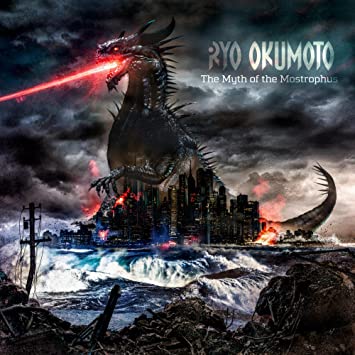
Ryo Okumoto releases his 5th solo album today, The Myth of the Mostrophus. I had the opportunity to meet Ryo over at his studio and have a little chat with him about the album, his new band ProgJect, the future of Spock’s Beard, and how he got his start as a professional musician.
Hey Ryo! It’s great to see you today! Thanks for having me over. Congratulations on your new album. It’s really fantastic!
Thanks!
How’s this one different than your other solo albums?
This time I really wanted to focus on prog! Hard-core crazy MY kind of prog! You know people know me as a crazy motherf*cker. I had a couple of hundred songs. So I sent some to Michael Whiteman, about 30 songs. I needed someone to write the lyrics, so that’s the main thing he did. He puts the lyrics on it, and changed the melody here and there. He’s a great singer, plays bass, guitar, keyboard. But mainly I would send the songs to him and he would put the lyrics on the top.
Were any of the songs supposed to be Spock’s Beard material?
Yeah, they were. Every time we make a record, we listen to all the material and pick and chose which ones to record. And these didn’t survive. But Michael is a big fan of Spock’s Beard so he knows how to treat the material. There are a lot of chorus and background vocals.
I googled Mostrophus and all that came up was page after page of Ryo Okumoto! (laughs)
Yep, it’s made up! Michael’s daughter came up with it when she was 5 years old.
Who would win in a fight, Mostrophus or Godzilla?
Well, we’ll see! When I needed the cover, I sent Thomas Ewarhard a few tracks. He’s the art guy at Inside Out and does all the Spock’s Beard covers. The most catchy one was “Godzilla vs Ghidarah” from my last album so he first drew Godzilla- But Godzilla has only 3 claws. Mostrophus has 5 claws.
Ah, so Mostrophus might be able to kick Godzilla’s ass with those 2 extra claws!
So, in the beginning, what drew you to playing keyboards, and how did you get started playing professionally?
Short one? Long one? Short one?
It’s up to you… (laughs)
It’s a long one. Well, the quick one is I had the opportunity to play with this group for the Courage Festival, I was 13. Then I became professional when I was moved to Tokyo when I was 15 and started playing a night club. And that was it! 45 years later, I’m still doing it!
You’ve performed and recorded with so many musicians like Phil Collins, Eric Clapton and Asia featuring John Payne. Is there a musician you haven’t got a chance to work with, but would like to?
Oh yeah, there are so many. Sting! I want to work with Sting so bad. Pat Metheny- that would be really cool, that would be my dream.
What’s it been like to be in your new band ProgJect? I heard you had an amazing Cruise to the Edge pre-show.
It’s fun, we do all covers, but the dynamic is different than your normal tribute or cover band. We put our own arrangements into it, that was the concept from the beginning. So it’s in a different category than a cover or tribute band. It’s so odd that the band allowed me to bring anything I want, play anything I want, and as many as I want. Usually the bands asks “can you cut it down to two keyboards” But now I get to play six keyboards- that’s fun! The CTTE pre-show was great. People know us as individuals but not as the band name, so on the tour, sometimes the crowd was just a few, but at the end we had 1200 people I think. So crazy!
Where does your passion for the prog-rock genre come from?
From everywhere! It’s totally unlimited! I just like to be different and twist a lot. I like twisting a lot in a hard way, distorted way, a long way. I love that prog allows that. Maybe I’ll swing here. I can do Latin. It can be jazzy. Anything goes!
This is your first solo album since 2002’s “Coming Through”. I’m sure you have changed a lot as a person and a keyboardist. What new qualities are in this Ryo and how do those qualities appear in your new album?
The one good thing, different thing is… I’ve been practicing. I have not been practicing this much for a while. And especially when I joined ProgJect, I have to play so much. I went from practicing a couple hours to 5-6 hours a day. It was perfect timing because then at the same time as ProgJect, I started making this album. So my chops were getting better and better. Now I have more focus and control. I know how I want to present myself as a keyboard player so that people will recognize it.
Was there someone that you were surprised to be working with on this album?
Mike Keneally… oh my God. I heard him play a couple times a long time ago, but it’s way different when you play together. Woah, what did he do, his solos are like… woah!! There are two type of musicians, one will give you a track and says it has to be this- you have to play as is , because I don’t want you to screw up my sound. But I send the track and tell him to do anything you want. And he just sends me back all the tracks and it’s like… woah!!!! He so expressive. And Mark Bonilla… same thing… I send him a track, and he sends it back… Oh my God! These guys don’t care what I play, they just take over! haha Keneally, Mark, Morse. Oh my God. They put these tracks in another dimension. Oh and Doug Wimbish, bass player from Living Colour! What the f***! Jonathan suggested him, I needed to find an R&B bass player for “Chrysalis”. He played a lot of notes, and we kept everything he did. So good!
What was your favorite experience in recording this album?
It was great having a team. Everyone was so helpful, and asking me “What do you need? What do you need?” Everyone worked so hard on this. The record company too. Inside Out. I can’t believe my album is coming out on Sony Records in Japan. It’s sort of unheard of for Japanese artists to come out on Sony. I am so happy how it turned out, but I don’t know what to expect, how people are going to react.
I’m sure you’re getting this question a lot, but are there plans for Spock’s Beard to put up a new album or play live soon?
Well, I don’t know about an album. I still have a lot of my own songs I’d like to record. We were supposed to play HRH Prog in the UK this year, but that was postponed until Nov 2023. We’re booking around five UK shows around that time, then maybe 2-3 weeks in New York. Even if we don’t make any albums, there’s no reason we can’t still play. We don’t owe any money to anyone, so we keep it as is, we play when we like. And when they call us on a big festival or tour- we do it!
Besides releasing this album, what have been your top three highlights of 2022?
The ProgJect tour, my son Sonny, and my other son, Sage. I got to be with him on tour, he was my keyboard tech, and there was only else the sound guy. So when Mike Keneally needed help, Sage also became his guitar tech.
What advise do you have for young artists pursuing music? Or for someone wanting to play in a prog-band?
Listen to my album! (laughs) You gotta be able to play, not just fucking around on your computer. get serious and really exercise your skill.
What can you tell us about your future plans?
Well, I have a 3 album deal with Inside Out, so I’m going to start on the next one. I won’t take 20 years this time to come up with another one! (laughs). Hoping to do some shows. I’ve been talking to Michael (Whiteman) to do some shows in the UK… maybe just going over there to join his band and do the whole album. It all depends on how I do with the album sales!
Well, it really is a wonderful album, and I hope everyone gets it! Thank you so much for your time and congratulations again!
JPL (Jean Pierre Louveton), Sapiens Chapitre 3/3: Actum, Quadrifonic Records, March 2022 Tracks: Paradis Perdu (5:53), Mon Cercueil (6:08), Alia (La Mahine) (4:50), Dansez Maintenant (5:12), Memento Mori [a. Marche Vers l’inconnu, b. Tempus Fugit, c. La Mort Du Roi, d. Paria, e. Acta Fabula Est] (23:01)
Over the last several months, Progarchy HQ has received a fair number of CDs from France for review. The first such record is the third album in a trilogy of records about the history of humanity from Jean Pierre Louveton, under the alias JPL. Louveton is perhaps most well-known for his work with NEMO, a now on hiatus French progressive rock band (sort of on hiatus – the band is releasing a re-recorded version of an earlier album later this year). Since the lyrics are in French, much of Louveton’s work is likely unknown to all but the most dedicated of English-speaking prog fans.
Sapiens Chapitre 3/3: Actum is the only album of the trilogy I have heard, but I must say it is quite good. It travels the breadth of progressive rock, with hard classic rock elements, forays into jazz and fusion, and swashes of symphonic rock, especially most prevalent in the album’s 23-minute epic, “Memento Mori,” which is split into five tracks on the CD.
As you might expect, since it is the final chapter of a trilogy of records, the album sounds like it is picking up in the middle of a story. There isn’t really a big build-up in the first song, “Paradis Perdu.” It has an instrumental opening for the first few minutes, but it doesn’t strike me as being any sort of overture. Even though I haven’t heard the other albums, I quite like that this one gets right to the point. At 46 minutes in length, the album lacks the fluff that often gets padded into many progressive rock albums today.
“Mon Cercueil” starts off pretty slowly – perhaps too slowly – but it digs into a nice bass groove in the middle of the track with a brooding layer of synths over the top and complex drumming lifting up the back end. This moves into a faster tempo section with a vocal duet between JPL and Stéphanie Vouillot, who also plays piano on “La Mort Du Roi” and “Paria.” She has a lovely voice which I wish had been used even more on the record. “Mon Cercueil” ends with a great guitar solo that foreshadows the closing of the record.
“Dansez Maintenant” has a bit of an unexpected surprise with the inclusion of a Hurdy Gurdy played by Marguerite Miallier. The Hurdy Gurdy (vielle à roue in French) is a medieval-period stringed instrument used primarily in European folk music (German metal band Saltatio Mortis also have a Hurdy Gurdy player). It is operated by turning a wheel at the lower end. It adds a very distinctive sound, somewhat similar to how a bagpipe might sound if played at a fast tempo.
“Memento Mori” travels through five different movements, and it is heavy on the instrumentation. There are large symphonic elements, along with a heavier guitar sound in parts. “Tempus Fugit” is a particularly strong track in the way it combines the heavier rock sound with the orchestral tones. JPL’s vocals on “La Mort Du Roi” are more spoken in a quick whispered fashion at the beginning of the track before they are sung in a slower fashion. The band takes its most experimental route on “Paria,” with a fast jazz fusion sound and even a saxophone solo featuring Sylvain Haon. The album closes with a stellar guitar solo from JPL that builds along with the symphonic parts to a satisfying ending to the album, and I suspect also a satisfying ending to the trilogy.
The artwork by Stan Decker is another feather in the JPL cap. Somewhat reminiscent of Roger Dean’s artwork, although distinctively different, the album cover has a lot of detail that draws you in for a closer look. Jupiter in the background, Earth in the center, rising columns of green Dean-esque shapes with alien-looking bugs and flying sea rays roaming the skies. And that isn’t even all of it. The CD booklet and packaging contain further art, which certainly adds to my enjoyment of the record.
Awaken your inner Francophile and check out JPL’s Actum. Musically it will not disappoint, and for the ear accustomed to English styles of singing, the French lyrics and style of singing might be a nice change of pace for you.
Stay tuned for more reviews featuring French artists in the near future.
In addition to this month’s new music, I’ve taken a few column inches to double back on “Blasts from the Past” — albums that I missed the first time around or haven’t heard in a while, but have become firm favorites as I discovered (or rediscovered) them during the first six months of this year. For new releases, purchasing links are embedded in each artist/title listing, with playlists or samples following each review as available; Blasts from the Past have listening links embedded in each album title.
Tim Bowness, Butterfly Mind: As Bowness mentioned in his latest Progarchy interview, the concept of his 2020 album Late Night Laments‘ was of a fragile refuge, however imperfect, from current societal storms. Butterfly Mind drops those defenses, confronting protest (“We Feel”), polemics (“Only A Fool”), fear of the future (the album frame “Say Your Goodbyes”) and, yes, death (“About the Light That Hits the Forest Floor”) with Bowness’ typically thoughtful, allusive lyrics and rich, warmly delivered melodies. But there’s also a gritty energy welling up from the roots of the music (bassist Nick Beggs and drummer Richard Jupp are a fabulous rhythm section), toughening the musical tendrils nurtured by soloists like Jethro Tull’s Ian Anderson, Magazine’s Dave Formula, Big Big Train’s Greg Spawton and former No-Man bandmate Ben Coleman. Urgent art-rock that compels multiple listens, as beauty takes on today’s ugliness without flinching. Preorder now for August 5th release.
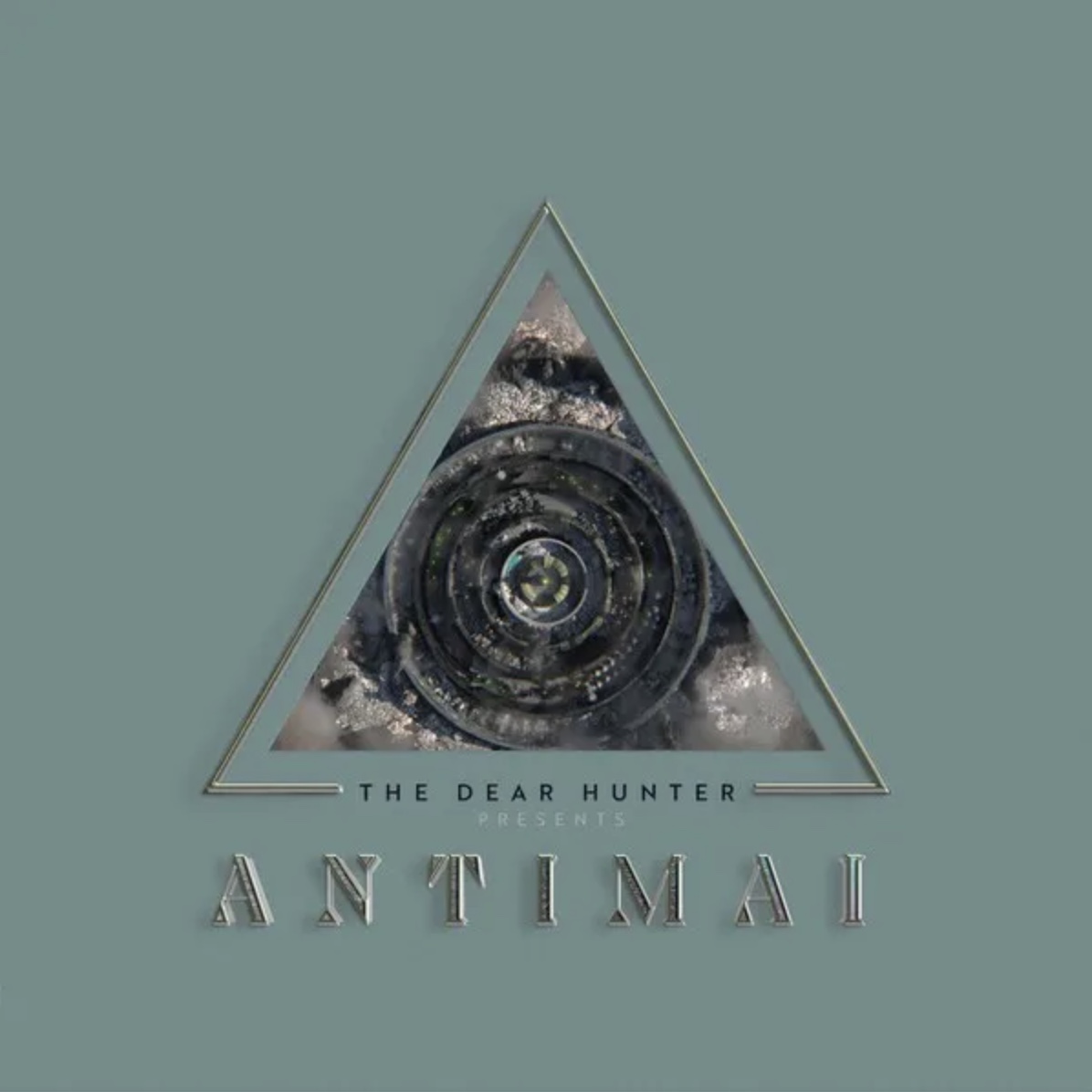
The Dear Hunter, Antimai:having cleansed their palette with 2017’s relatively straightforward All Is As All Should Be, Casey Crescenzo and his crew of emocore/musical theater/prog rockers settle in for some serious world-building. Exploring the dystopian culture that underlies Crescenzo’s short film The Indigo Child from bottom (“Ring 8 – Poverty”) to top (“Ring 1 – The Tower”), his lyrics portray the variations of despair, complacence, and self-deception each imagined caste falls prey to. Honestly, it’s the music that provides sharper differentiation between social strata, with surprising amounts of sonorous brass — plus jazz/funk, R&B and even hip-hop — snuggling alongside TDH’s trademark power chords, mallet percussion riffs and singalong choruses stacked with Beach-Boys-meet-Queen harmonies. It feels a bit like an aural version of a cinematic trilogy’s middle installment — lots of set-up, with the ultimate payoff beyond the horizon — but with TDH’s sonic and structural ambition clicking so often, Antimai is quite a dazzling trip.
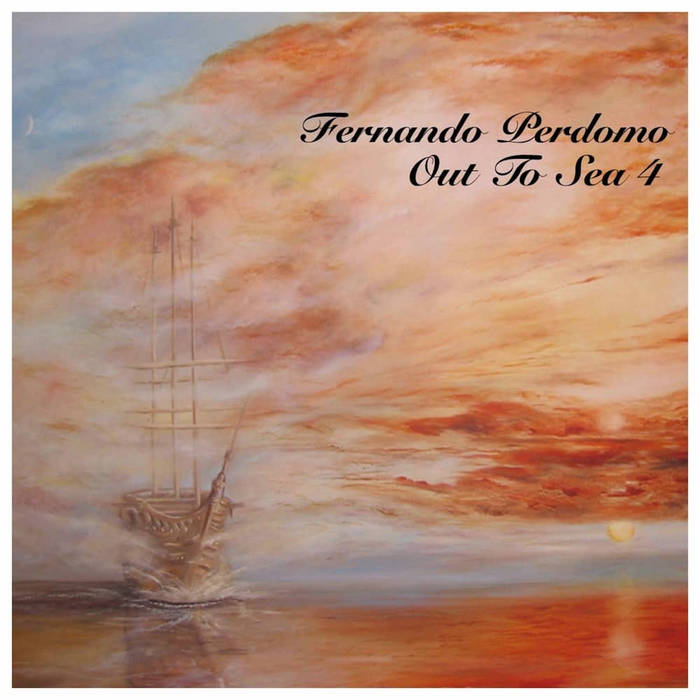
Fernando Perdomo, Out To Sea 4: Even with this year’s return of Cruise to the Edge (the series’ initial impetus), this fresh installment of nautically-themed prog instrumentals comes as a surprise — but then it did to Perdomo as well! Written in the heat of inspiration, his new compositions are sure-footed and energized from first to last, immediately appealing while packed with depth. Playing all the instruments, Perdomo lays down powerful, propulsive grooves on bass and drums and sets up sparkling, jangly chordal textures and fires off his arresting themes on guitar with confidence and aplomb. And his guitar solos! Never pat or predictable, always heartfelt and daringly executed, each solo is a ravishing song in itself. The only reason I haven’t mentioned any standout tracks: every single one is equally excellent. If you’ve heard Out To Sea 1, 2 and 3, you’ll definitely want this; if Fernando Perdomo’s name is new to you, you won’t regret giving OTS 4, the high water mark of a really fine run of albums, a spin.
Robert Berry’s 3.2 Alive at Progstock:Berry’s recent posthumous collaboration with Keith Emerson (an extension of his work with Emerson and Carl Palmer in the 1980s band 3) gave him renewed exposure and the chance to command prog festival stages in 2019. Surrounded by chops-heavy compadres Paul Keller, Andrew Colyer and Jimmy Keegan, he delivers with a thrilling mix of 3 and 3.2 highlights, prog classics as reimagined for 1990s tribute albums, solo tracks and even “Deck the Halls” a la 1980s Rush! Plus, Berry’s unpretentious spoken introductions, peaking behind the curtain to reveal how the music came to be, are nearly as riveting as the performances themselves. All in all, this CD/DVD set is a worthy showcase for a remarkably underrated musician, finally in the spotlight after decades behind the scenes. (Watch for a Progarchy interview with Berry about his next project, SiX By SiX, coming soon.)
Blasts From The Past:
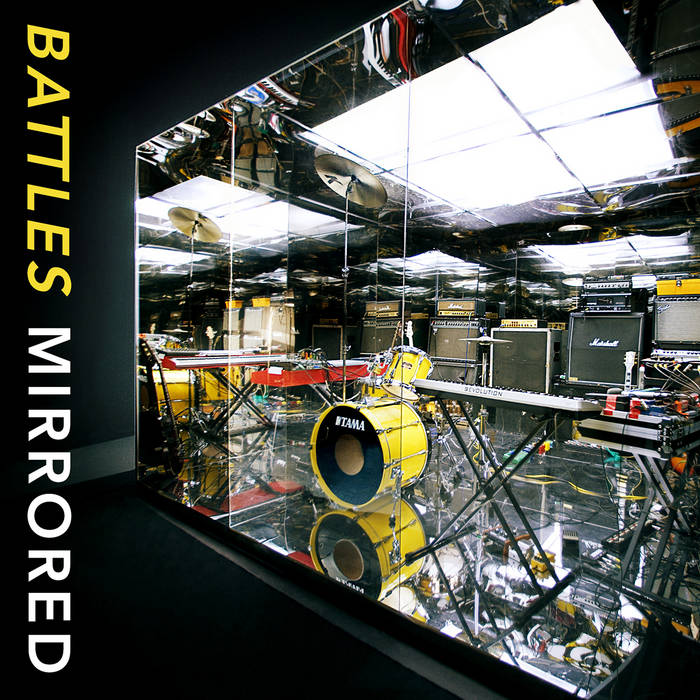
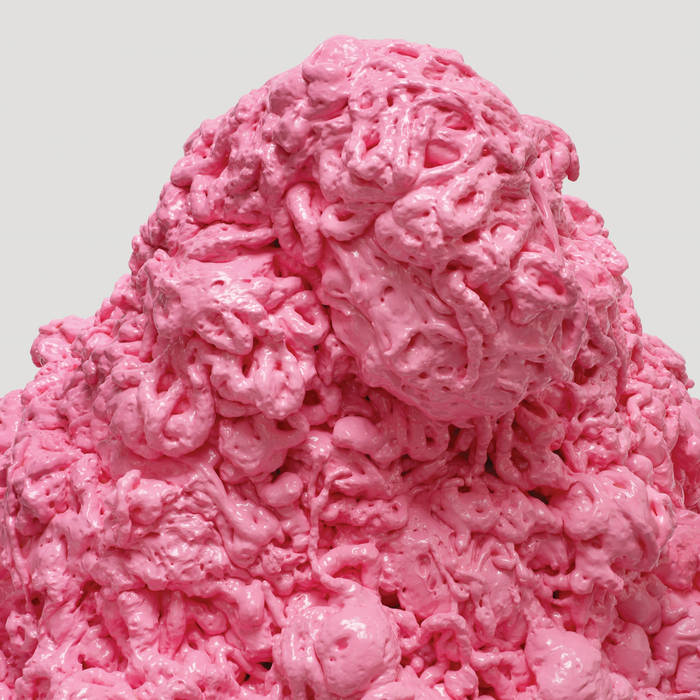
Battles caught my ear opening for Primus back in May; their first two albums, 2007’s Mirrored& 2011’s Gloss Drop, turned out to be especially exciting. Glitchy electronica that defies predictability with every asymmetric loop, candy-coated melody, whipsaw rhythmic shift, and whomping backbeat, with each album meant to be experienced in one extended go. As proggy as dance music gets!
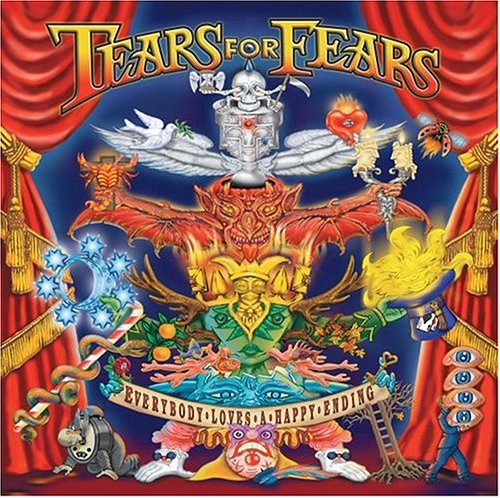
Tears For Fears’ The Tipping Pointinspired a deep dive into the lesser known corners of their catalog. Roland Orzbaal and Curtis Smith’s 2004 reunion, Everybody Loves a Happy Ending (which I never heard at the time), lives up to the same high standards as their latest; unstoppable riffs and hooks abound in killer songs like “Call me Mellow”, “Who Killed Tangerine?” and the delectable “Ladybird”.
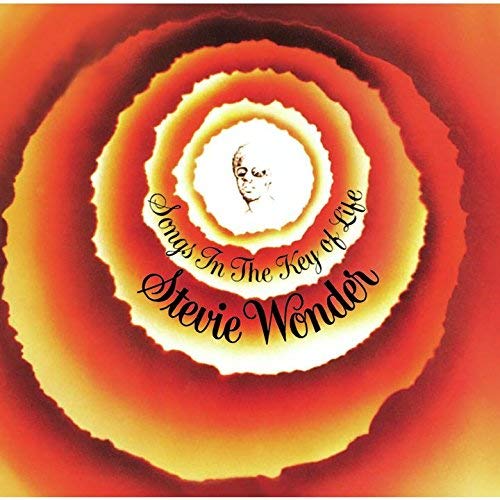
Andy Tillison’s reflections on soul music in his recent Progarchy interview sent me back to Stevie Wonder’s masterful 1970s albums, where Wonder blended soaring melodies, sophisticated chord structures, groundbreaking synthesizer work and heaping helpings of funk rhythms for one innovative, irresistible breakthrough after another. 1976’s Songs in the Key of Liferemains Wonder’s most expansive, fascinating and welcoming classic, ranging from the swing of “Sir Duke” to the drive of “I Wish” and “Isn’t She Lovely” to the sardonic classical gas of “Pastime Paradise”. And the songs you don’t know from this double album are just as good — or often better! Sheer genius at its peak.
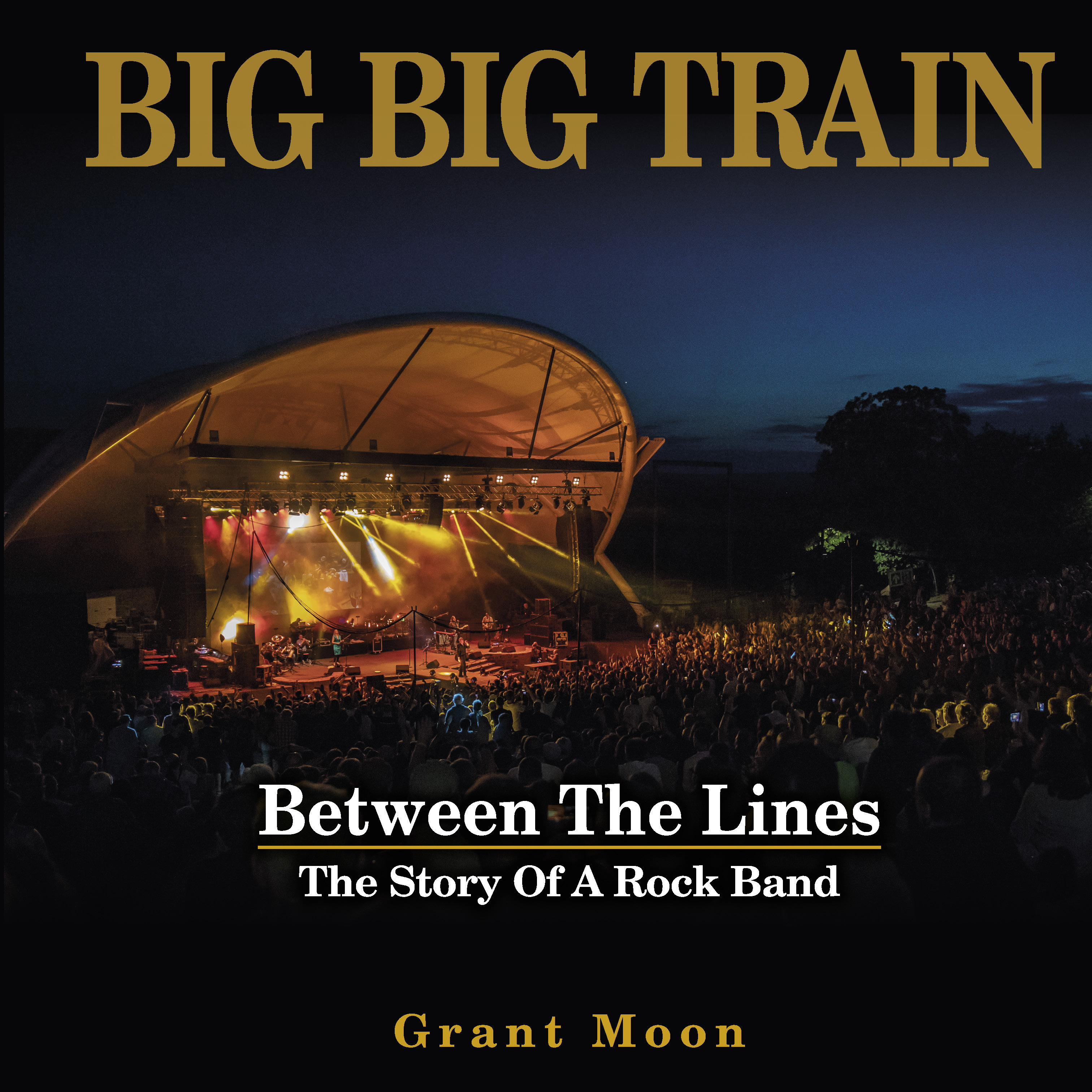
Grant Moon, Big Big Train – Between The Lines: The Story Of A Rock Band, Great Britain: Kingmaker Publishing, 2022, 271 Pages.
It seems fitting that a band that has taken such an unusual path to success as Big Big Train should have a book detailing the route they took. Few other artists in progressive rock, apart from perhaps Kate Bush, have reached the successes Big Big Train have accomplished without a heavy grind of international touring.
Grant Moon’s Between The Lines: The Story Of A Rock Band tells in detail how their story unfolded, but it is clear this story is not a roadmap for other bands to follow in their steps. Rather Big Big Train has been a labor of love from the outset, and if it weren’t for the longtime commitment of founders Greg Spawton and Andy Poole, the band never would have arrived where they are now. With that said, to reach beyond the obscure world Big Big Train inhabited pre-2009, a little (or a lot) of luck had to roll their way. David Longdon joining the band for The Underfall Yard, along with Nick D’Virgilio joining as a permanent member after playing on the previous record and Dave Gregory guesting on TUY, poured the requisite coal into the firebox. Members have come and gone throughout the band’s long history, as Moon covers in intense detail, but these three helped provide the signature sound that helped break Greg Spawton’s musical and lyrical ideas to wider audiences.
Since the purpose of the book is to provide you with the juicy details, I’ll spare you any further plot summary and rather speak to the qualities of the book itself. For starters, it’s a beautiful product. Rather than being a simple paperback or even traditional hardback book with maybe an insert of color or black and white photos somewhere in the center, Between The Lines is a large coffee-table style hardcover book. The cover features a lovely dusk photograph of the band playing at Night of the Prog in Loreley, Germany, in 2018. Each page is printed in two columns, and the book is filled with both color and black and white photos from the band’s history and digging even deeper into certain member’s pasts. There are also some great photos of Sarah Ewing’s album artwork in process. Put simply, the book makes an attractive addition to a progressive music fan’s collection. Certainly any diehard Big Big Train fan will have already purchased it.
As a relatively longtime fan of the band (since 2013), I have followed Big Big Train very closely for close to a decade. I’m not on Facebook, so I’m not a part of the band’s public facebook group, although I’ve perused it before. I’ve also never attended any of their live concerts, but with the exception of Bard and the band’s first two demo CDs, I have all of the band’s albums on CD, including the rare English Electric: Full Power, my first Big Big Train purchase. I also have all of their Blu Rays and even the digital video download of the Kings Place shows. I have all of the band’s recordings (including Bard and the early demos) in my iTunes, and I’m a proud charter member of the Passengers Club. I signed up as soon as it was announced. All of that to say, even though I’ve followed the band more closely than any other band of which I am a fan, there was a lot for me to learn within the pages of Moon’s book. For instance, the band experienced growing tensions both internally and externally during their intense period of growth. While seemingly at the top of the world, Longdon underwent a difficult collapse of his marriage as the band continued to expand. As the group sought to push into live performances, tension mounted between founders Spawton and Poole, which eventually ended in the latter being pushed out of the band. The band kept many of these tensions away from the public eye, yet they still managed to create some of the finest music the genre has ever known. Moon shines a light on both aspects of the band’s career.
Moon seemingly hides nothing in this book, which is comprised heavily of edited interviews with the band’s members, both past and present. The nice thing about that is we get both sides of the stories, with Moon doing his best to present the truth somewhere in the middle. Additionally we get detailed explanations about how each member came to board the Train, and we even get a look at David Longdon and Nick D’Virgilio’s involvement with Genesis during the Calling All Stations sessions, including input from Tony Banks himself. The book also gives hints at some of the band’s future plans, even teasing a reissue of Bard. Between The Lines ends on the sad note of Longdon’s passing and Sarah Ewing encouraging the band to keep going.
Since Moon is a journalist, the book, his first, is written in a very journalistic style. The prose is often very informal and sometimes grammatically incorrect, which is common in journalistic writing. It is also very British, which is to be expected. Some of it can be a bit jarring. It’s one thing to repeat expletives or phrases like “cock-up” in a quotation, but it’s another thing to use them in narrative prose. Even if that is more common in UK English, to my American eyes I found it unnecessary. Such language works fine in a quotation – I always keep it in place when I transcribe my own interviews with artists. For a book, especially one covering such serious and top tier music, it would have been better to have more formality in the non-quotation parts.
With that said, I found the book to be a very enjoyable read. I read most of it this weekend on the couch as I’ve been sick with a cold. The narrative drew me onwards as it filled in the gaps in my already pretty expansive knowledge of Big Big Train’s history. I particularly enjoyed reliving the energy of band’s triumphant rise following English Electric. It’s hard to believe so much time has passed. I remember so many of the events as they happened, even if I experienced them from afar. I remember closely following social media the weekend of the King’s Place shows in 2015, and it was exciting to read a well-crafted narrative of the preparation for and execution of those shows, as well as the other live shows the band have performed since.
The insights the band members, past and present, give to their roles in the band is perhaps the most interesting aspect of the book. Big Big Train’s music is densely layered, and it is all too easy to get lost in the complexity and appreciate the sound as a whole. Having the members explain how and what they contributed helps break things down, giving us fans a peak into the band’s writing process. The book also gives loud voices to members of the band who may have been quieter around the press, particularly Andy Poole, Rachel Hall, Dave Gregory, and Danny Manners. I found the well-rounded approach Moon took in representing the members to be very refreshing.
Between The Lines proved to be an enjoyable and engaging read about one of my favorite bands. It is clearly oriented towards the already-engaged fanbase, but anyone with a strong interest in the current wave of progressive music will find this book an interesting read. Beyond that, the book tells the story of a band’s non-traditional rise to success quite separate from the record label establishment. As such anyone interested in that aspect of the music industry should certainly give the book a read. There’s more than one way to set a course for the stars.


 Arnaud Quevedo & Friends, Electric Tales, 2020
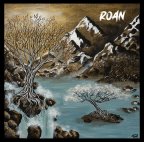 Arnaud Quevedo & Friends, Roan, Bad Dog Promotions, 2021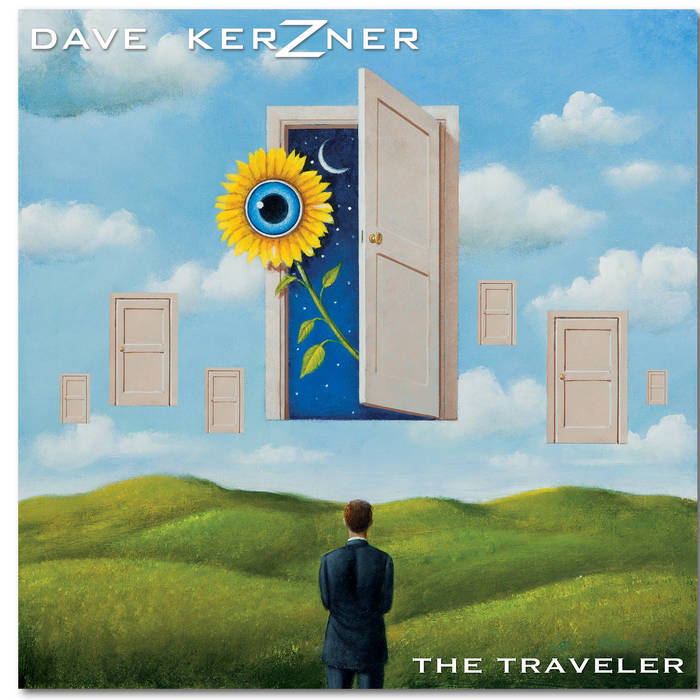


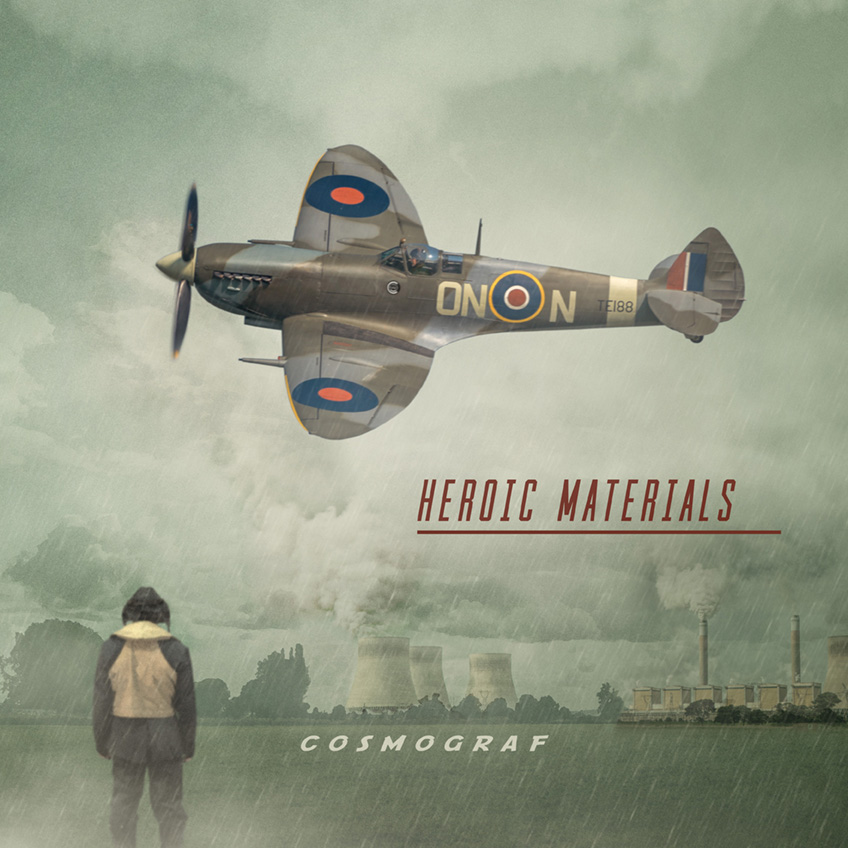 Robin Armstrong’s Cosmograf will be releasing their latest album, Heroic Materials, on September 9, 2022. The album is available for pre-order from Armstrong’s record label, Gravity Dream music, on CD (digipack and deluxe media book edition) and vinyl. The vinyl won’t be available by the date of release, but vinyl purchasers will be able to get a digital download on release day if they want.


 JPL (Jean Pierre Louveton),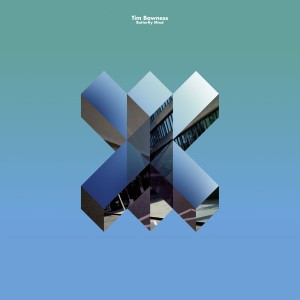

 Grant Moon, Big Big Train – Between The Lines: The Story Of A Rock Band, Great Britain: Kingmaker Publishing, 2022, 271 Pages.
  Progarchy