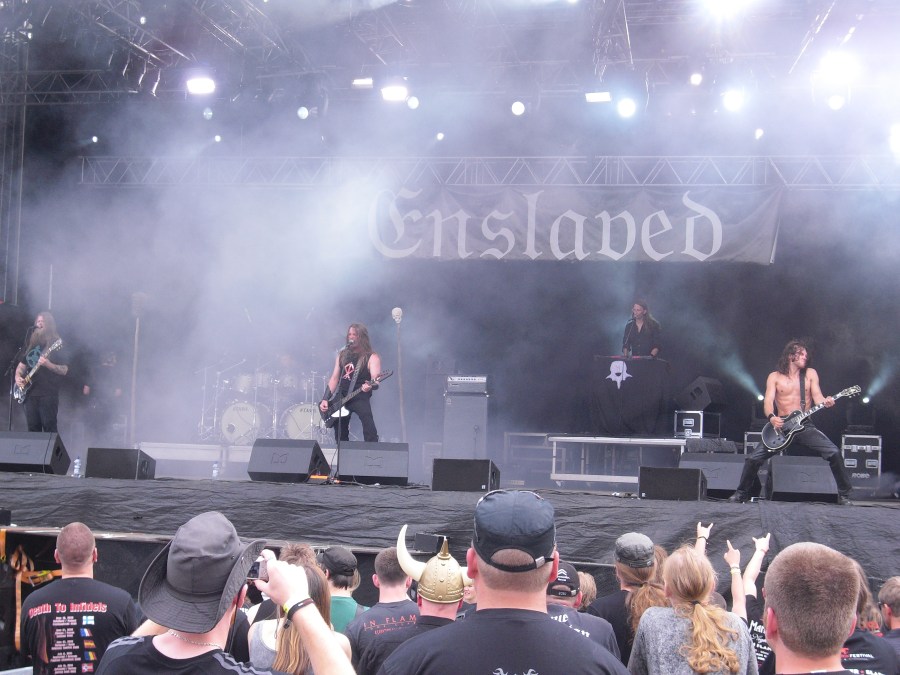
‘E’ becomes the most brazenly progressive Enslaved record. Experimental keyboards, abrupt temporal shifts and frequent bursts of aggressive riffs — all reminding us of their Viking metal roots. Basically, art rock to symphonic prog to post-metal atmosphere effortlessly brewed with some inhuman screams. Add the use of flute, a surprising jazz segment and a Norwegian electronic synth-pop cover — Enslaved has never been more firmly rooted in both extreme and avant-garde territory.
Without completely abandoning black metal, they has carefully adopted some unproven experimetal progressiveness. Within these uncharted fields, it’s not surprising that they sometimes lurch between sheer greatness to downright peculiar. But, for long time listeners there is nothing unexpected here. The band continues to walk their chosen path – constructing a curiously rich, polarizing, and at times uneven mosaic of progressive black metal symphonies.
Here we are again, folks. We find ourselves at the end of another great year for prog. Sadly, we’ve had to say goodbye to some amazing artists this year, including John Wetton, but we at least have their music by which to remember them.
I know I’ve been a bit quiet here at Progarchy lately due to beginning graduate school this fall. Hopefully things settle down going forward, and I’ll be able to contribute more. For now, here are my favorite albums from 2017 in vaguely ascending order.
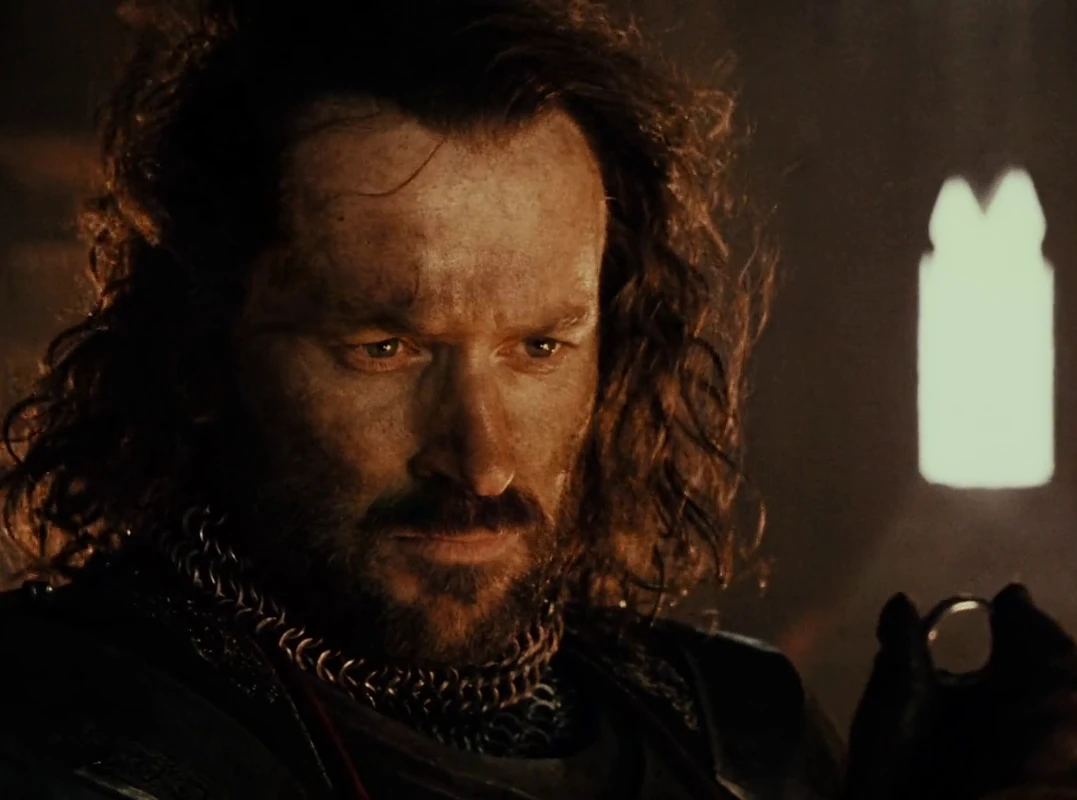
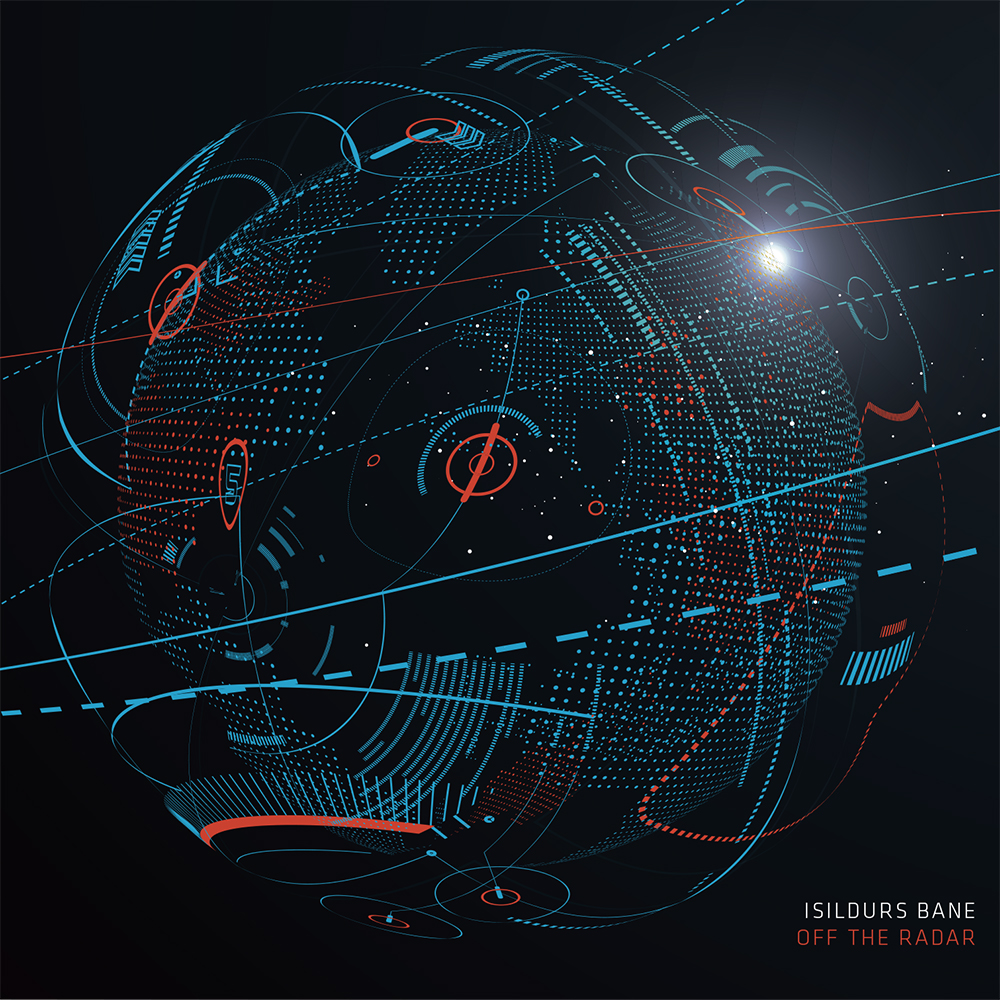
Of course Elrond was talking about the one ring, but equally so, he could have been recommending the band with almost the same name’s (give or take an apostrophe) new album titled, “Off the Radar.” If you’re not familiar with this Swedish group then you’re in for a very pleasant surprise. Pigeon-hole Isildurs Bane at your peril.
There are so many layers to this to ponder on and encompass; so many ‘Colours Not Found In Nature’ as was aptly titled from their previous album with Steve Hogarth onboard. Each track deserved of your attention with so many talented musicians finding their place within to infuse a delicious pattern of sound joined or blended, but never dulled or confusing, even though sometimes you feel there is madness to their avant garde method, no borders left unturned, they have created an orchestral fusion of shifting melody which works wonderfully.
It all depends which direction you follow, and you’d be hard pressed finding a chorus on any of the six listings including a live bonus classically inspired track titled ‘Uvertyr / Open (Live 2016)’ at the end, but that is the beauty and charm of this band who are now well into their 41st year of “changes in personnel, straying far from their symphonic rock origins to become a rock-based chamber ensemble.” Or so they represent themselves claiming their very own niche in Prog along paths the likes of Frank Zappa or perhaps a jazz-inspired Gong have walked. It’s a sound they’ve reinforced over the years, and I have to admit I’ve only heard a couple of their albums in the past including the ever haunting ‘The Voyage – A Trip to Elsewhere’ released in 1992. just listen to the oh so brief ninth track ‘Picassiette – Third Walk’ and you’ll know where I’m coming from.
Hailing from Calgary, Alberta in Canada, a progressive metal trio Heyoka’s Mirror has earlier this month launched their debut EP “Loss of Contact with Reality,” available as a name-your-price download and CD from Bandcamp.
“Loss of Contact with Reality” places Heyoka’s Mirror to the art-metal vanguard, but the three-song EP does find the band on surer footing from which to make their next leap forward. The last track in particular, “Chronovisor,” gets surprisingly good mileage from an unlikely source: melodic metal, maybe the least reputable of metal subgenres. It’s the metal niche that has least renounced the campy excesses of new-wave Brit metal a la Iron Maiden and Judas Priest, but it’s also the most melodic, its tell signs being clean-sung harmonies and dramatic synths that tend to blast out from behind the guitars. It turns out the style makes a good segue between the sections of “Chronovisor” that are rooted in math rock and those that are rooted in thrash metal, and the effectiveness with which Heyoka’s Mirror employs those soaring melodies suggests they may yet develop their own mutant pop sensibility.The first two songs are dynamic; they’re also wildly uneven, with very cool ideas alternating, often in rapid succession.
More than anything else, Heyoka’s Mirror is dependent on their ability to generate momentum here, by virtue of which they can keep listeners engaged in these unwieldy but ultimately rewarding compositions. By that standard, “Loss of Contact with Reality” is a success, though its true significance will be determined by how the band capitalizes on that momentum when they come up with their forthcoming full-length.
I’m not sure that I’m the most non-proggy of the many esteemed Progarchist contributors, but I do tend to run a bit hot-and-cold when it comes to my prog listening. So much so, I am almost hesitant to offer up my Favorite Prog of 2017 (forthcoming!), but since it contains the all-important adjective “favorite,” I think I’m on safe ground. As usual, most of my listening this past year was in the realm of jazz and other instrumental music, but that list is also forthcoming. Between those two wide, general genres is my current list, which I think has a couple of interesting twists and turns. Here then are my Favorite Pop/Rock albums that cannot, in good conscience, be called “prog”.
• Top of the Glorious, Musical Heap: “Grace Street” by Big Wreck. Ian Thornley and Company continue to impress and dazzle in big ways, producing a sprawling but incredibly masterful collection of songs that are, as I wrote in my February review, notable for being “defiant” and “hopeful” in equal measure, reflecting the aftermath of Thornley’s divorce. This album stood out to me because, despite having nearly a full year to marinate in its musical flavors, it never became tiring or dull; on the contrary, I continue to listen to it on a regular basis. The songs are varied but cohesive; the playing is stellar; the vocals are unreal; the guitar solos are stunning. And, despite not being prog, even the most die-hard progarchist will nod in admiration at extended, complex cuts such as “A Speedy Recovery” and the instrumental “Skybunk Marché”. Recommended without reservation.
• “Live at the OT Arena/B-Sides and Rarities” by Alter Bridge. This 3-CD set is a gift that keeps on giving, especially for the price. The third disc (b-sides, rarities) is so good, I’ve only listened to the two live discs a few times. In fact, I think it easily holds its own among the many exceptional Alter Bridge albums; the first three songs—”Breathe,” “Cruel Sun,” and “Solace”—are astonishing examples of slow-burn brilliance, with echoes of Soundgarden and Chris Cornell, both musically and lyrically. The guitar is, of course, stellar, and Myles Kennedy demonstrates again his broad range, remarkable control, and emotional vibrancy. And speaking of Kennedy, his much anticipated and long awaited solo album “Year of the Tiger” is being released on March 8, 2018; here’s the title cut: Continue reading “My Favorite Non-Prog Pop/Rock of 2017”→
Well, this fits perfectly. Earlier today, our grand master of the sound stream, Craig “Yes, I’m a Folklorist” Breaden, posted about Steve Howe.
Now, as I type this, St. Nicholas and his entourage are screaming across the world, spreading love and joy, and the angels are getting ready to announce the birth of the messiah (not quite in this order, but I’m doing my best to take a trans-temporal position here).
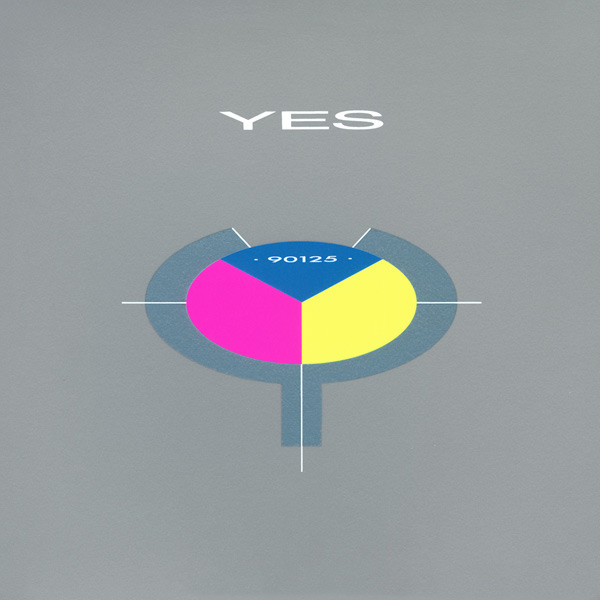
For whatever reason–and, frankly, I’m really not sure why–I’ve listened to Yes’s 90125 every Christmas Eve since Christmas 1983.
Here I am, 34 years later, sitting in my home office, getting last minute Christmas gifts together and, sure enough, listening to 90125.
There’s absolutely nothing about 90125 that should be Christmas-y, but it is and always will be a Christmas album to me.
Drowning in stylistic audacity. . . when we reach, we believe in eternity. . .
Thank you Jon, Chris, Trevor, Tony, Alan, and Trevor. 34 years later, still Holding On.
For every Charley Patton putting songs to record in the South in the early decades of the last century, there were dozens who influenced the course of music without ever seeing a recording studio or microphone. One such country blues guitarist was Arnold Schultz, whose dynamic, syncopated thumb/index picking made an impact on musicians in western Kentucky, particularly Kennedy Jones, Mose Rager, Ike Everly, and Merle Travis. This Muhlenberg County sound, along with Maybelle Carter’s “scratch,” recast country music guitar playing, giving it a slick swing, a jazz potential, and directly shaped the music of Chet Atkins. As country music hit its sophisticated stride in the 1950s and 60s, Atkins was behind much of its transformation, his instrumental prowess, coupled with his skills as a producer, advancing an ethic of musicianship in country music that continues to hold sway. To this day much of the world’s guitar talent resides in Nashville.
And in England…
When Steve Howe joined Yes in 1970, he was able to up their game by bringing to it a music — channeling Travis and Atkins — that went deep to the roots of blues and country. He connected the dots with some hints of irony, for how could such classical posturing of the kind Yes exhibited (successfully) live tooth-by-jowl with such self-styled provincialism? That it works so well is one of the primary reasons Yes was Yes, and why Steve Howe is such a special guitarist. Like John Fahey, Howe was essentially a classical guitarist with a passion for the complex picking styles emerging from the American South decades prior. And ultimately this is what made progressive rock’s first wave what it was and gave it a freedom that could roam stylistically, because it could do justice to the styles that in their own rights were already a musical gumbo. Prog rock was and is about musicianship and musical literacy but, more importantly, it’s about creative synthesis, world music back to the source, and putting together the puzzle pieces in ways that make sense and that rock. And nothing, NOTHING, rocks like the kind of right hand action Merle Travis and Chet Atkins could bring to country swing.
Howe’s impact on Yes is is up front on 1971’s The Yes Album (his first with the group). The band was impressed enough with their new guitarist that they tucked a live instrumental, Howe’s “Clap,” in the middle of the first side of the album, setting up the “Disillusion” sequence in the next track, the prog epic “Starship Trooper.” In retrospect this was a radical move, and pushed Cream’s blues homages (“Spoonful,” “Sitting on Top of the World,” etc.), and Zeppelin’s folk tributes (thinking their reading of “Black Mountainside” and “Gallows Pole”) into new terrain. Put them in the cosmos, a space pastoral, conjuring the kind of world suggesting the LP covers Roger Dean would soon be painting for the group. Set the controls for the heart of the Delta.
soundstreamsunday presents one song or live set by an artist each week, and in theory wants to be an infinite linear mix tape where the songs relate and progress as a whole. For the complete playlist, go here:soundstreamsunday archive and playlist, or check related articles by clicking on”soundstreamsunday” in the tags section.
As promised, in addition to my TOP 10 PROG and TOP 10 METAL lists for 2017, here are my TOP TEN ROCK ALBUMS of 2017. I say “rock” but really this is the list where I include everything that is not so easily divvied up onto either my metal list or my prog list. So I guess it’s really ROCK/POP/OTHER, but that doesn’t sound as good in the title. In any case, I am sticking to the usual constraint of ten, but of course (as usual) I also abandon the metric system to make the list into an expanded imperial dozen:
Hobosexual Monolith is heavy and hilarious retro rock, so good that you will want to own it in its delicious gatefold LP edition. The lyrics will have you laughing at all the references, especially in wild songs like “VHS or Sharon Stone.”
U2 Songs of Experienceis an unexpected delight, being the best album they have released in eons. It incorporates all the best elements of each of their past musical periods. I have been with these guys since Boy and October, so my opinion carries credibility. Believe me, it’s so good it takes you back to those happy memories from the early days, when you heard something truly fresh and unique and infectious.
Weezer Pacific Daydream starts off with the archetypal Weezer sound on “Mexican Fender” (a killer single) but then suddenly morphs, around about track five, into an album that mines the sounds of the 1950s and 1960s for the rest of the disc. Unexpectedly, it works. Kudos to Weezer for not playing it safe, and for taking musical risks.
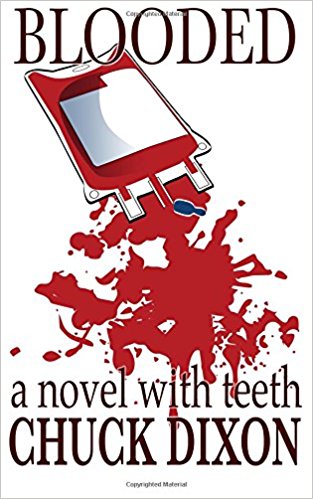
Blooded is a gripping, driving, and, at times, disturbing story of a real estate agent who becomes stupidly amorous with a hookup in a bar.
No sin goes unpunished.
The next morning, he finds that his “score” is really a vampiress, and she’s turned him into a vampire as well. Though we know next to nothing about the protagonist, we quickly and rather sympathetically follow his exploits as he has to figure out how to live this new life.
We learn of him—in a genius aspect of Dixon’s writing—only by the choices he makes from that fateful morning forward. Does he embrace the new lifestyle? Does he keep his old morality (which, from what little the reader knows, was already pretty shady)? Does he remain a human who now has supernatural powers (and limits)? Or, does he become the monster he must become to survive in this new form?


 I’m not sure that I’m the most non-proggy of the many esteemed Progarchist contributors, but I do tend to run a bit hot-and-cold when it comes to my prog listening. So much so, I am almost hesitant to offer up my Favorite Prog of 2017 (forthcoming!), but since it contains the all-important adjective “favorite,” I think I’m on safe ground. As usual, most of my listening this past year was in the realm of jazz and other instrumental music, but that list is also forthcoming. Between those two wide, general genres is my current list, which I think has a couple of interesting twists and turns. Here then are my Favorite Pop/Rock albums that cannot, in good conscience, be called “prog”.
 For every


 Review of
  Progarchy
