On May 27th of this year, Frost* returned from an eight-year hiatus to release their latest album, Falling Satellites (Progarchy review here). In conjunction with this release, Frost* … ‘s mastermind, Jem Godfrey, was willing to sit down with us for a chat (where do you put the apostrophe with the asterisk already there??). We discussed the new album, mused philosophically about life, talked more about his the formation of Frost* and his activities outside of the band … and asterisks. Those pesky asterisks.
Progarchy: What would you say is different in a musical sense relative to the two previous Frost* albums?
JG: We have a different bass player and drummer from the previous recorded album we did. I think that in and of itself adds a whole new sound to the band, because they are playing in a different sort of way than JJ [John Jowitt] and Andy [Edwards] did. That’s the first thing. The second thing is that John Mitchell was very keen on not doing classic John Mitchell on this, he was really up for taking his rule book and throwing it out the window, and that was brilliant. He was trying out new, different sort of effects and putting his guitar through all kinds of plug-ins and interesting sort of sounds, trying different guitars, so he was really up for experimenting. I think kind of also just that it’s eight years later that our sound palette is slightly different as technology has sort of moved on. So you know it’s the same band but it’s definitely sort of moved on, I think.
Progarchy: Now with John (Mitchell), you say he threw out his rule book, so how would he define his rule book?
JG: Well, he has got two settings, loud and quiet normally. He’s not normally one for heavily effecting his guitars, but he got some Valhalla plug-ins and stuff, and was running it through his laptop and doing all sorts of non-John things this time out, and it really worked.
Progarchy: So I guess his classic John Mitchell sound is what you hear more on Arena or Lonely Robot then?
JG: Yeah, I think so. There are a couple of bits where it’s obviously him doing that sound, because you have to have a bit of that in there, but he was very up for trying different things. There are a couple of bits in there that you wouldn’t know it’s guitar, but it’s actually guitar, he’s gone quite experimental in some places.
Progarchy: And what about you, how would you say your sound palette has changed?
JG: I’ve got sort of a lead sound I’ve developed over the years which has sort of become my signature sound, and which I didn’t really mean to do that back in the day. There are a couple of times I sort of “wheel it out.” I sort of liken it to how Tony Banks does his Pro Soloist … it’s quite nice to get a sound in there that you recognize. But again, I’m not wedded to any particular synth, I just use whatever is around at the time and put it through effects.
Progarchy: You also mentioned something about using a Chapman Railboard on this album, can you elaborate on that?
JG: It’s a kind of Chapman Stick, sort of a Tony Levin classic 10-string guitar thing. It’s basically one of those but it’s made out of solid aluminum, so it’s basically a single machined piece of metal. It looks like a Stick, but it’s a metal Stick. It’s got different tones, it’s quite tubular, it’s really nice. It’s really good for arpeggio stuff. You can hear it on Numbers and Closer to the Sun, there’s a lot of Railboard on those two tracks.
Progarchy: Can you delve into the concept behind this album a bit more?
Continue reading “Progarchy’s* Interview* with Jem* Godfrey* of Frost*. Seriously.*” →

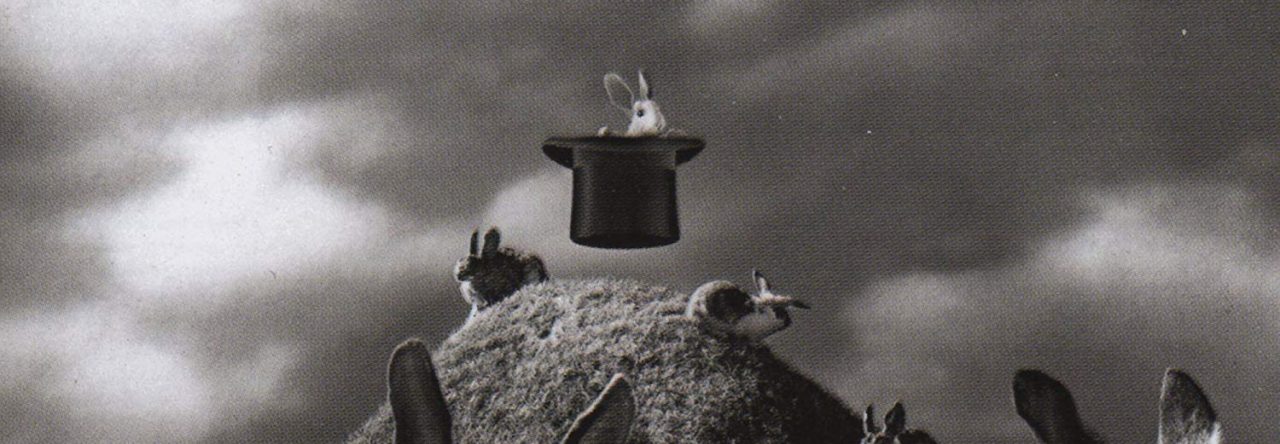
 If in May 1972 the


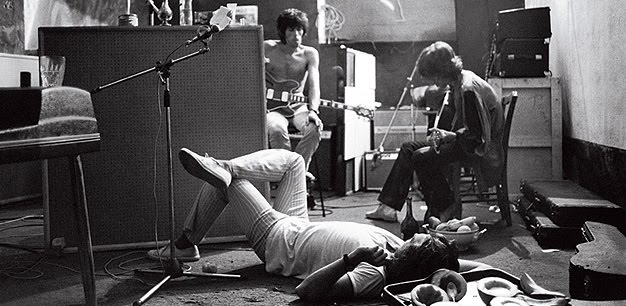 “Unlikely” is probably the right word, that the hairiest, grittiest, straight-uppenest American rock record of the 1970s, maybe ever, would be made by an English band in tax exile in the south of France lolling in sheer European decadence. That the Rolling Stones attained such a state of grace is only partly surprising, though, given the sheer will of their progress to the point of Exile on Main Street: with Beggars Banquet, Let It Bleed, and Sticky Fingers the writing was on the wall, but it was this double album that sealed their legend, where the channeling was complete, where without seams the Deep South blackness poured through their pasty, pale, drug-addled limey fingers in drums and basses and guitars and voxes and keys and horns. They hadn’t just gone to the crossroads, they’d set up the tent years before and waited it out, for the spirit to finally visit them. “Satisfaction”? “Get Off My Cloud”? Even “Honky Tonk Women,” with its perfect guitar? Those were killing time, chop builders, and the work they’ve done since has had high points too but has never been more than the downhill coast. Exile’s the big meet up, a meticulously made album with no contrivance, a blues turned over with a rock shovel, originals mixing with covers with barely a hint of borderline, as if this is their music as much as it is yours or mine or
 Progarchy