Review: Turbulence – Disequilibrium

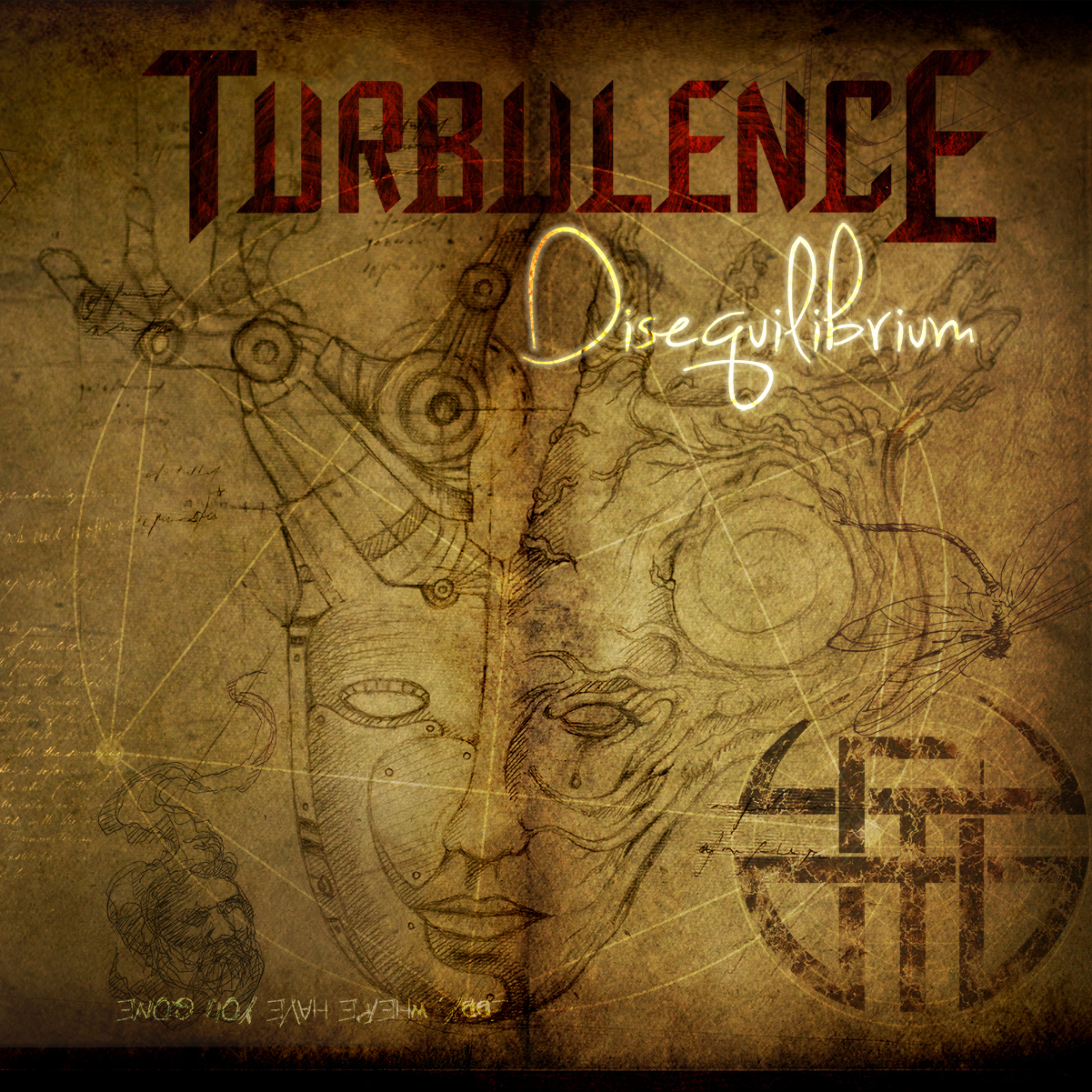
Turbulence - Disequilibrium

Founded in February 2013 in Lebanon, it took two years for Turbulence to complete the work on their full-length debut album “Disequilibrium.” The album is out now, and it includes six songs.

“Disequilibrium” vindicates the band for its hard work and the detailed music plans. Influenced by prog metal veterans such as Dream Theater and Symphony X mainly, Turbulence do not fear to play the game and present their own take on progressive music embellished by prog rock, atmospheric, power metal and melodic metal elements. Sometimes the band may remind you of a heavy/power melodic metal band, but Turbulence feel most comfortable in the prog metal music defined in the 90’s.

The band is doing better when they deliver longer tracks, and that’s the case with last three songs on the album. Of course, a prog metal band is obliged to have long tracks, but most of times it feels forced, what is not a case with this Lebanese band.

The six tracks that make up “Disequilibrium” range from the complex “Richardson’s Nightmare” and title song to the highly melodic “Never Le Me Go,” “Everlasting Retribution,” and “My Darkest Hour.” “Disequilibrium” (song) is almost fourteen minutes long and it comes with intricate time changes, spiralling guitars and emotion filled vocals. Vocals of Owmar El Hage, guitars of Alain Ibrahim and keyboards of Mood Yassin combine to drive this complicated yet rewarding song to its powerful conclusion.

If Turbulence can continue to write and perform as they have done on “Disequilibrium,” then their future could be a very bright one indeed.

“Disequilibrium” is out now and is available from iTunes and CD Baby. Follow the band on Facebook here.

Mandatory Listen: Mechanical Man’s self-titled full-length debut

MM

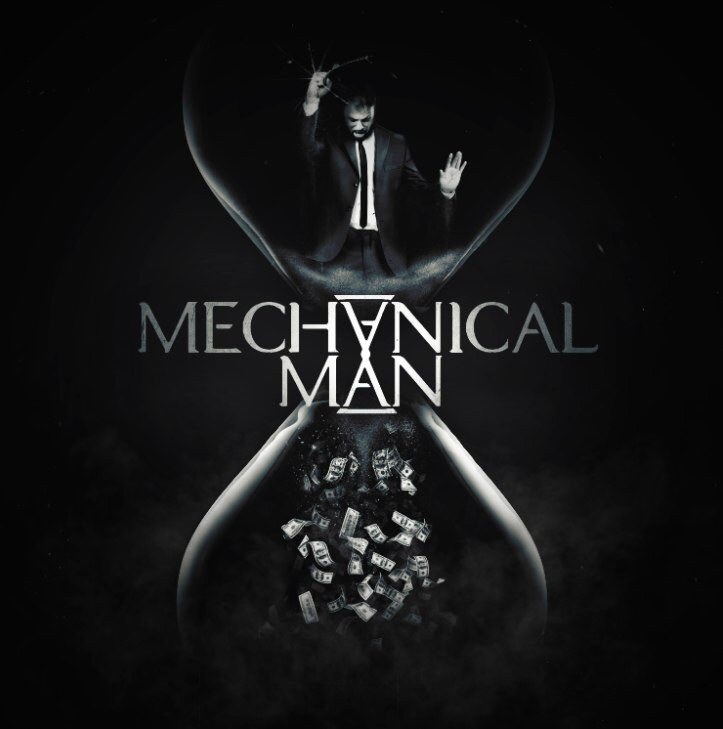
At the peak of musical proficiency, Moscow based progressive metal band Mechanical Man make a triumphant debut on the international prog scene. The band’s self-titled full-length release brings to life the sonically explosive heavy prog metal backdrop by way of singer Alexey Efimov, guitarist Sergey Danilov, bassist Alexander Litoshenko, keyboardist Evgeny Komarom, and drummer Vitaly Ostrov. “Mechanical Man” is an ambitious exhibit of power and emotion. No amount of focus detracts from the progressive and heavy metal influences, as both play fair part in providing equal stimulation for ears. A focused balance of both elements is crucial to an effective deliverance, and Mechanical Man do that.

Wrapped in a cinematic veil, Mechanical Man’s music has definitely a lot to offer. Opening track “Mechanical Man” really summarizes this album. The strange bits of music, the sudden changes of tempo, the magnificent performance, it prepares the listener of what’s to come. With an awfully tight performance by the full band, this album proves to be pure gold.

The band remains focused as the album passes by, by delivering more of greatness in the shape of wonderfully emotional “Wonderful World,” lively “Madhouse” and “Nightmare Master,” explosive “Queen of the Night,” balladic “Will of Fate,” and eclectic “Dr. Frankenstein.”

“Mechanical Man” by Mechanical Man deserves your attention, so without hesitation get this album from Bandcamp and dig deep into this amazing album. With an utterly brilliant performance by the band this album is one that has to be heard by every prog metal fan. These guys managed to make an incredible record.

Follow Mechanical Man on Facebook for all future updates.

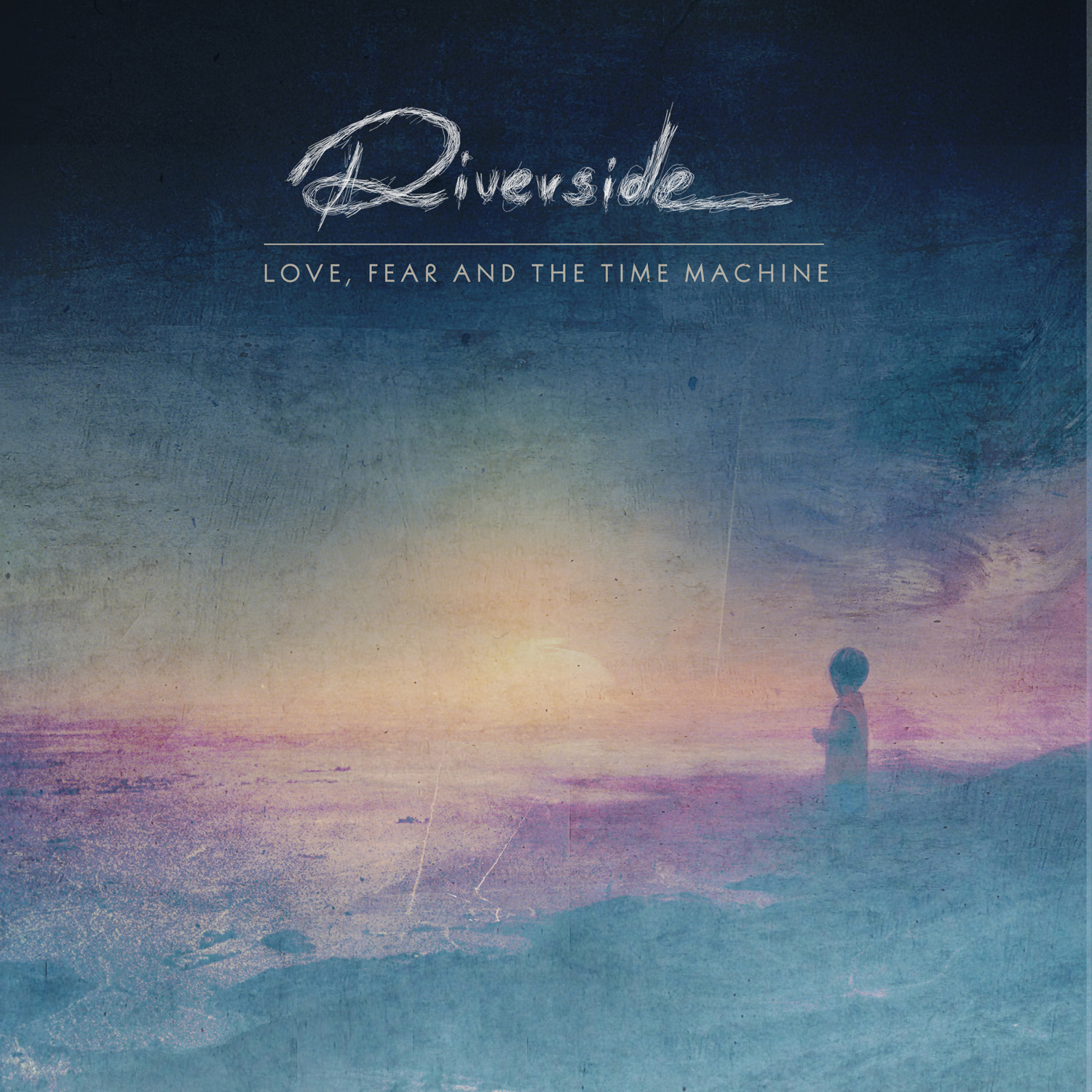
Album Spotlight: Riverside – “Love, Fear and the Time Machine”

Jason over at The Prog Mind has written an incredible Spotlight on Riverside’s latest album. As I told him in the comments, I already loved the album, he made me love it even more. A *must* read.

The Prog Mind's avatarThe PROG Mind

Press_Cover_01

1. Lost (Why Should I Be Frightened by a Hat)

“I dropped down again/ From a star/ On a desert island/ Full of skies/ And I saw a boy/ Looking up/ Dreaming of his future/ From my past”. So begins Riverside​’s latest album, not quite a concept album, but certainly wrapped around one massive theme: maturity.

The album begins with “Lost (Why Should I Be Frightened by a Hat)”, which would strike most as being a weird title, yet the inherent meaning here is astonishing. The song begins with our protagonist (Duda himself) having a dream or vision of himself as he lay dreaming as a child on the beach. He sees the wonder and excitement for the future in his young self’s eyes and he lays out his plans in the sand. There was no fear. There was no agitation. All that existed in his young mind were plans…

View original post 2,701 more words

Rush is Flying By Night with orange vinyl (and the coolest album cover)

Limited Edition – 500 Copies on Orange Vinyl

This is the historic record of Rush taking their first steps towards rock superstardom.
Fresh from their first US Tour and with Neil Peart having just joined the band, the new look Rush decamped to New York and set up their gear in the famous Electric Ladyland studios.
On 5th December 1974, before a tiny studio audience, Rush, as we have come to know them , made their first ever US live radio broadcast. Neil was yet to record with the band, but some of the material which would appear on Fly By Night was already being routined in the live arena. Featuring the earliest studio versions of Anthem, Best I Can and Fly By Night, this powerful record is essential listening for every Rush fan.

TRACK LIST
Side A
1. Finding My Way
2. Best I Can
3. In The Mood
4. Anthem
5. Fly By Night

Side B
1. Here Again
2. Working Man

Weather Report — “Birdland” from The Legendary Live Tapes: 1978-1981

Weather Report — The Legendary Live Tapes: 1978-1981 — is due Nov. 20 on Legacy Recordings.

I’m pretty excited about this. My favorite Weather Report album of all time is the underrated Night Passage.

I still get a chill when I hear the cheering on the live cut on Night Passage because it reminds me of the time when I first heard it and realized, “Holy crap! This is LIVE!”

Here’s “Birdland” from 1978:

http://cache.vevo.com/assets/html/embed.html?video=USSM21501568

Interview with PEARLY GATES

Pearly Gates

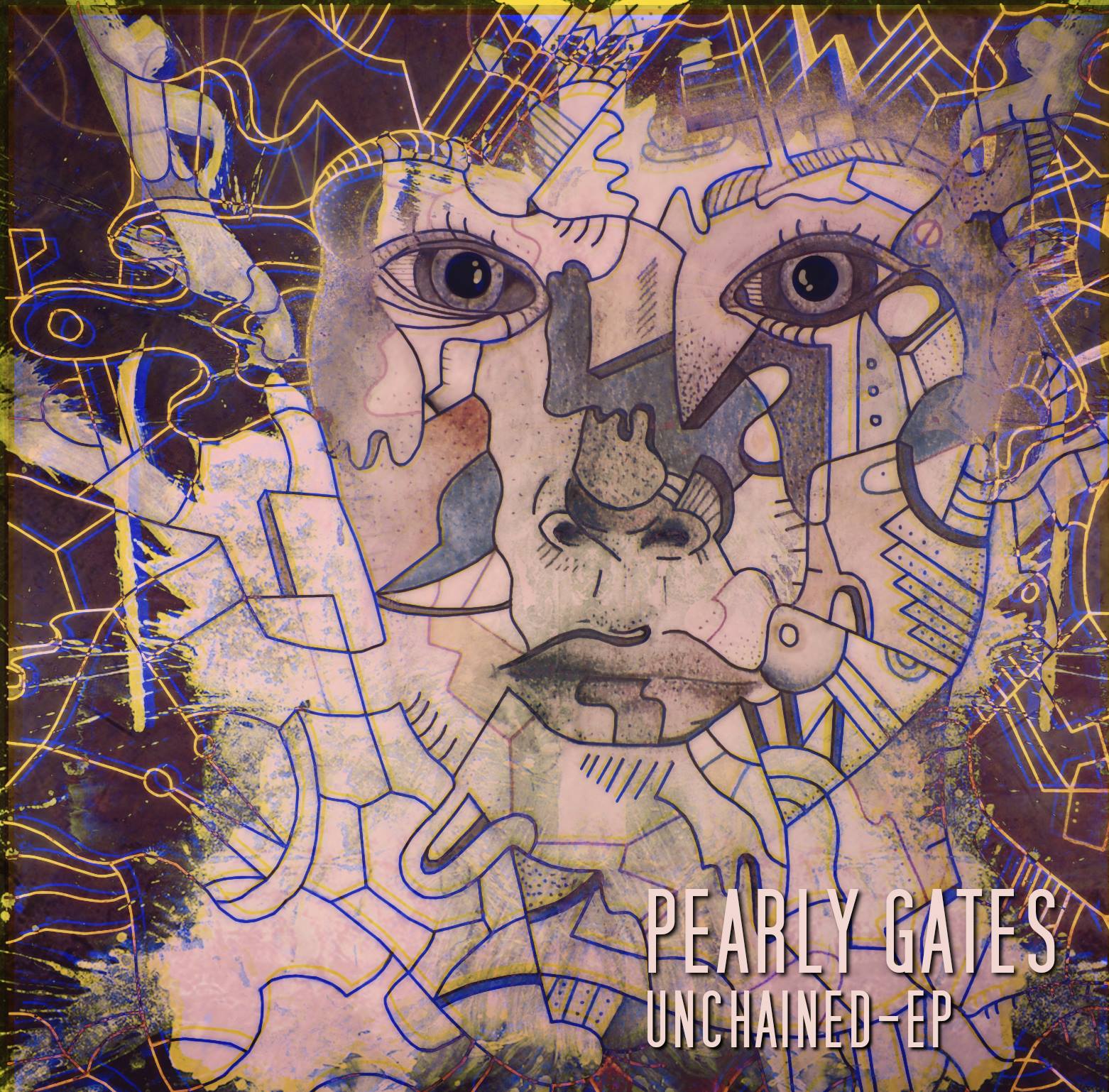
Finnish rockers Pearly Gates released their sixth EP recently. About “Unchained” and more the band talked for Progarchy. Read on!

You just release your new EP titled “Unchained.” Tell me about the creative process that informed the record.

Right from the start we had a feeling that we needed to release something that sounds professional and international. We also wanted to create something visual to show people the artistic abilities and different sides of our group and our music so we also made music videos for two of the songs.

First we chose the best songs from our live set and did a lot of work in the preproduction phase to get the most out of them. We added some catchy hooks and harmonies to the songs during the demo recordings and thought about all the details in the arrangements. Due to low budget the songs were recorded little by little over a two year period in multiple locations.

Original inspiration for individual songs came from different sources and all the music is written by our drummer Antti and singer Jonne separately and/or together.

Pearly Gates released six EP’s so far. Why that many EP’s, and why not a full-length record?

Before we haven’t really seen value in releasing a whole album without a record company backing it up but now we are planning to start demo sessions for a full-length record. It’s also worth to mention that most of the songs from our earlier releases are not in our live set. We feel that our songwriting is only now reaching the maturity needed to make an album that we’d be satisfied with.

All the releases before 2012 release “Spell Is Broken” are more like demo tapes that never really expressed the full potential of the songs or the band. “Unchained” feels like the first release that we can be truly proud of.

Unchained EP

Did your writing approach for “Unchained” change comparing with “Spell is Broken”?

On most of our earlier recordings majority of the music was primarily written by our drummer Antti. On Unchained our singer Jonne has chimed in on the song writing and that has obviously altered our sound a little bit. We also made pretty extensive demos of all the songs before actually going to studio. It really helped getting everything to sound nice and tight.

How does the EP title effect the material presented on the record? Give me a snapshot of the topics you explore on the new songs.

Since there are two different lyricists on the record we didn’t really plan on a theme beforehand but all of the songs do have this sort of existential tint to them. Glass Eyes is a depiction of a person who has this insatiable need to destroy everything good in his life and Sink Hole is about voluntarily staying in an abusive relationship… be it with substances or people.

Lyrics in Unchained and Free Fall explore the process of searching something illusive that could fill the void in yourself so hard that you end up losing who you really are.

What evolution do you feel “Unchained” represents comparing with your previous works?

We have definitely gone a bit darker and modern on Unchained than on our previous EPs. We have always had a soft spot for “Southern Rock” type stuff but on this EP those influences aren’t playing a very big role anymore. We all feel that this is the direction we want to keep exploring on future releases also.

What were the biggest challenges you faced when making “Unchained”?

As an unsigned band we pay everything from our own pockets so that has its own obvious complications. The ideal would be that we could lock our selves in some cabin in the woods somewhere and record the songs there. Unfortunately reality exists and we had to spread the recording process to multiple studios and living rooms around Finland.

Tell me about the technical side of “Unchained”.

We made all the demos using Logic Pro. For the recording and mixing in the studio environment we used Pro Tools and all the other tools available. We also made some home recordings using variety of softwares and recording techniques. While making the demos we had already decided what kind of sounds and performance we want for each track so there wasn’t really room for improvisation during the recording.

We learned a lot about producing the kind of soundscape that we were after and we came pretty close to all of our visions.

How do you go about channeling this inspiration into writing?

Jonne: For me and probably to Antti as well songwriting is mainly therapy and purging of the soul. I can’t really write anything good unless I’m in a state of absolute self-loathing. I don’t really have a technique on making music. Some mornings you just grab a guitar and a song comes out.

Antti: I see a new song as a big stone that has a sculpture inside it. I need to hit my head to it until the shapes start to appear. I jam with my guitar and get the spark of creativity from some beautiful chord or groovy rythmn and try to listen where the song wants to go. I can’t really write a song in a day or too. It’s usually pretty long process.

Where do you see Pearly Gates in 20 years from now?

Well statistically at least one of us has died of cancer or something so it’s kinda hard to say but probably we are still playing in some basement somewhere. Hopefully living off of royalties from our hit christmas album.

Buy “Unchained” now from Bandcamp and follow the band on Facebook.

RochaNews: Gazpacho’s Latest, MOLOK

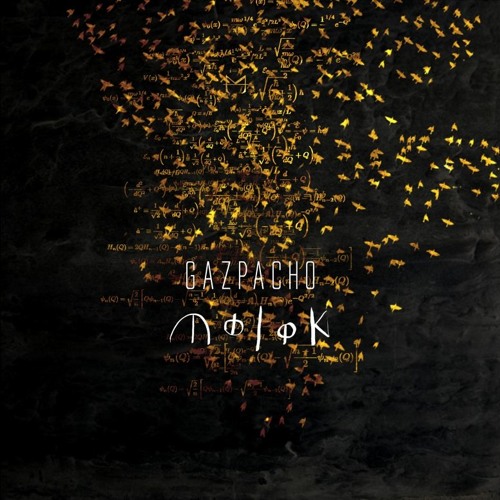
A review copy of the latest Gazpacho showed up about three or four days ago, and I’ve been listening to it, over and over again.  My first thought: what is this?  My second thought: wow, this is really subtle.  My third thought: there’s something really profound going on here.  My fourth (and most recent) thought: this is freaking incredible.  I still need to listen with headphones, but my thoughts (collectively) after about five listens–MOLOK is a thing of intense beauty, the best Gazpacho has made since MISSA ANTROPOS.  More to come. . . .

Molok.  In English, Moloch, a king who demands the sacrifice of children.
Molok. In English, Moloch, a king who demands the sacrifice of children.

GAZPACHO TO RELEASE NEW ALBUM “MOLOK” THIS WEEK ON KSCOPE

First single “Know Your Time” streaming online

NORWAY – Norwegian art-rock progressive outfit Gazpacho will release its brand new studio album Molok through Kscope this Friday, October 23. Molok can be pre-ordered on CD and LP via the Kscope web-store at: www.kscopemusic.com/store. The CD version will feature an additional instrumental track “Algorithm.”

The first single, “Know Your Time,” is streaming on Soundcloud at: https://soundcloud.com/kscopemusic/gazpacho-know-your-time-taken-from-new-studio-album-molok/s-dBSqz.

1. Park Bench

2. The Master’s Voice

3. Bela Kiss

4. Know Your Time

5. Choir of Ancestors

6. ABC

7. Algorithm

8. Alarm

9. Molok Rising

Molok, the follow up to the acclaimed 2014 album Demon, sees the band continue to push the boundaries for creating the most complicated and strangest concepts for a record while simultaneously becoming the first band ever to actively try to destroy the universe with an album. A small code that sounds like a strange noise at the end of the album will cause the correction software that runs in all CD players to generate a random number every time the CD is played. If that number should correspond to the actual position of all electrons in the universe then technically the universe could be destroyed.

Dr. Adam Washington from the University of Sheffield confirms that this is science fact rather than fiction: “The random signal produced by the end of the disk contains enough bits of information to express a measurement of the total number of fundamental particles present in the universe. If the noise actually contained such a measurement, and that measurement was performed rapidly enough, the universe’s total particle count could be fixed under the Quantum Zeno effect. Locking the total particle count would prevent the pair production that forms a fundamental part of the decay of black holes. Without such decay forces, black holes would remain stable forever, without the need for nearby matter or the cosmic microwave background to keep them fed. This would greatly hasten the practical end of the universe.”

The band further commented: “If it can be destroyed by such minute creatures within it, if it is just a chemical reaction, then does it have any spiritual value? In this scenario there is no good or bad, just an absence of meaning.”

Across the album there are religious themes going head to head with modern day new science ideas and theories, Gazpacho’s Thomas Andersen states, “the album itself is about a man that sometime around 1920 decides that wherever anyone worships a God they always seem to be worshipping stone in some form. Whether it is a grand cathedral, the stone in Mecca or Stonehenge. God seems to have been chased by his worshipers into stone never to return. This harkens back to Norwegian folk myths where if a troll was exposed to sunlight it would turn to stone but it also reflects the way God has been incommunicado for a very long time.”

The band goes on to say: “In a mechanistic view of the universe all events in the universe are a consequence of a previous event. This means that with enough information you should be able to calculate the past and the future and this is what he does. He names the machine ‘Molok’ after the biblical demon into whose jaws children were sacrificed because his machine crunches numbers. On solstice day he starts the machine and it quickly gains some form of intelligence as it races through history undergoing its own evolution.”

Throughout Molok Gazpacho focuses on the idea that without God/a god to guide us, humanity is unsure of the meaning of life, that while we attempt to fill the void with other things we’ve still not found the answer; without a master to lean on we are very much alone in this universe.

On the album Gazpacho makes a direct connection with history. Norwegian music archaeologist Gjermund Kolltveit appears on the song “Molok Rising,” playing his reconstruction of stone-age instruments with an educated guess at what the early songs of worship must have sounded like. This includes small stones, moose jaws and an assortment of flutes and stringed instruments. He also plays the Skåra stone, a singing stone which has a strong possibility of having been in use since the last ice age ended 10,000 years ago. Technically this means that the album uses the oldest original instrument ever recorded on an album.

The band is also joined by world-renowned Norwegian accordion player Stian Carstensen who is a central member of Balkan-jazz orchestra Farmers Market.

Stay tuned for more information on Gazpacho and Molok, out this week on Kscope.

-###-

Gazpacho online…

www.kscopemusic.com/gazpacho

www.gazpachoworld.com

https://www.facebook.com/Gazpacho.Official.BandPage

Coheed and Cambria: Beyond the Wars

Coheed and Cambria, THE COLOR BEFORE THE SUN (2015).

The Amory Wars have quieted into a cease fire with the latest album.

Granted, I can’t answer the perennial question so many of us ask: are they prog or not?  I really have no idea, and I’m not sure what they’d say about themselves.  Regardless, Coheed and Cambria are always artful, intense, and professional (at least in the music, if not necessarily in the lyrics).  Regardless, they produce very progressive rock, even if they don’t consider themselves apart of the prog fraternity.

The latest album—THE COLOR BEFORE THE SUN—is the band’s first full-length studio album not to fit into their larger mythology, THE AMORY WARS.  Of course, they’ve produced a number of songs not related to their larger story—such as songs about the U.S. Supreme Court (no, I’m not joking—it’s quite humorous) and about Batman (again, not joking—but this is the first album to dare not to continue their own science fiction epic.

The end result?  It’s quite good.  Definitely, the album rocks.  Imagine Smashing Pumpkins taken to 11, and you’d have Coheed and Cambria’s THE COLOR BEFORE THE SUN.  I must admit, I have a hard time judging the album, as I love their more tradition non-traditional approach to music.

Of the ten songs, “Atlas” (track six) is probably the best.

Still, strangely enough, my favorite part of the album is the title of it.  What a gorgeous title, full of promise and imagination.  Utterly Platonic and enticing.

Robin Armstrong on the Physical Art of Prog

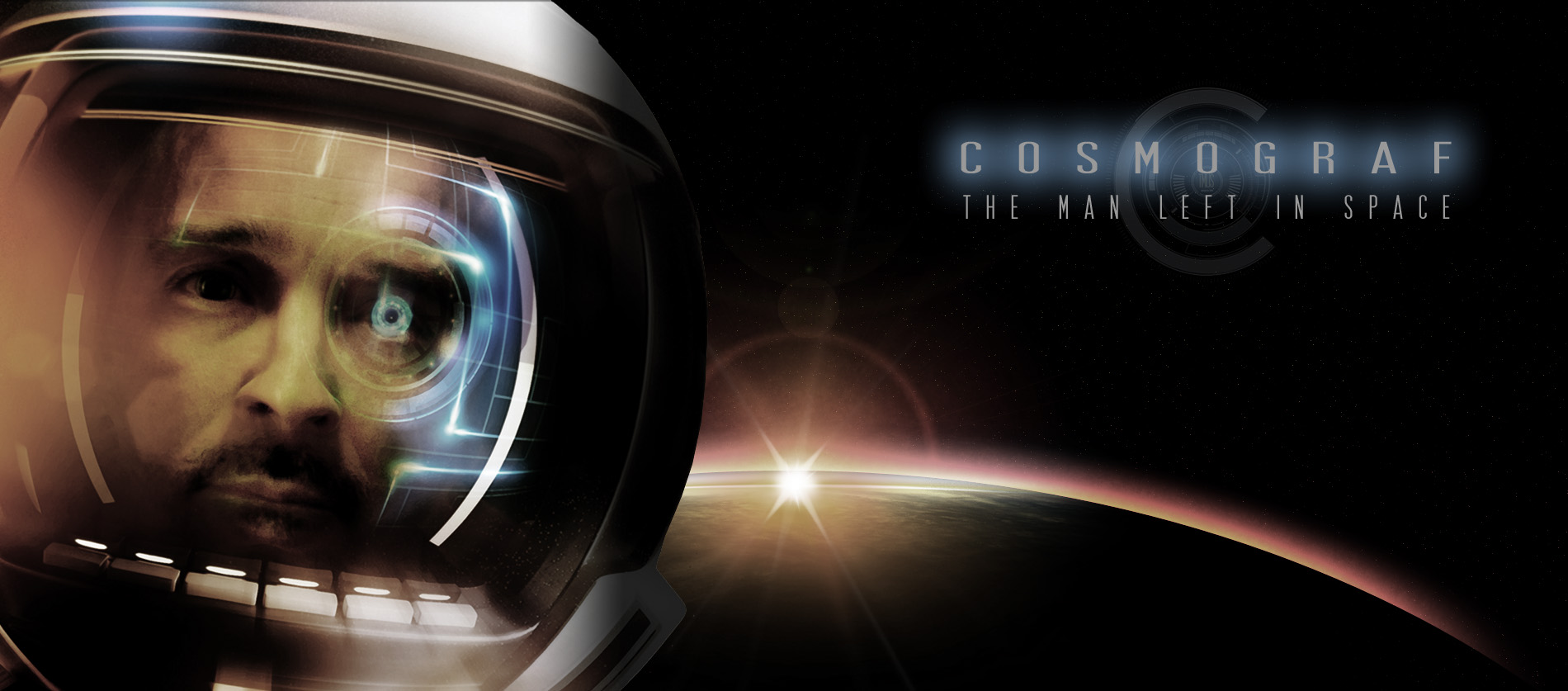
Not atypically stunning artwork from Cosmograf.

Robin Armstrong (Cosmograf) has some very important things to write about the actual, tangible, physical art of prog.

A few folk have been asking about the availability of lyrics for the Cosmograf Albums. We don’t provide these in any other form other than in the CD booklets. The reason for that is that we want to protect the remaining value of the physical product in a world where it is being increasingly marginalised alongside less and less available income streams for bands. A huge amount of work goes into our booklets with superb artwork and photography, which often never gets seen by those buying from digital platforms. When you buy a CD not only do you get a great audio experience you get the great artwork and the printed lyrics too.

Amen, Robin.  Amen.