Making Memories

rush2


You know we’re havin’ good days
And we hope they’re gonna last,
Our future still looks brighter than our past.
We feel no need to worry,
No reason to be sad.
Our memories remind us
Maybe road life’s not so bad.


Thank you, Alex, Geddy & Neil.

It’s been an immense pleasure and privilege to have you in my life for the last 35 of your 40 glorious years as rock’s greatest trio. On behalf of all Rush fans, let me wish you well and say that we are looking forward to more road life memories in 2015!

The Beginning of a Beautiful Friendship – Rush’s “Tom Sawyer” and “Moving Pictures”

mp

I don’t know how many people can actually point to a single moment that changed their lives forever and for the better.  Yes, many would point to traditional milestones such as a graduation, wedding day, the birth of their children, etc. All valid events and experiences, to be sure.

I’m talking about something different. Something that might be best termed, to quote Robert Fripp, a “point of seeing.” A singular experience that truly alters your life’s course, where you can look back on that point, that one moment in your life where “your earth” seemingly moved under you. Everything in your world, everything you know, the very lens in which you viewed the world forever changed because of that moment.

Many might cite a religious experience as fitting the bill described above. For me, it was a musical experience.

First, a little backstory…

As a pre-teen kid from around 1978 to 1980, my musical “sun” rose and set with KISS, a band I spent hours upon hours listening to, reading about and talking about. I drew their iconic logo on anything I could find, thumb-tacking any poster of them I could come across on my bedroom walls and ceiling, playing air guitar and drums to them, dressing up like one of them (Ace, circa “Dynasty”) for Halloween, and just staring at their album covers for hours on end. As a beginning drummer, I first picked up the basics of rhythmically separating both hands and feet playing along to “Strutter” while on a family vacation.

Despite this level of fandom, my level of music appreciation probably wasn’t too different from most kids growing up at that time. Having been born in the late 1960’s to parents who parents who kept a couple dozen albums  – “Meet the Beatles” and “Elvis: Aloha From Hawaii Via Satellite” among others – in the record bin of their furniture-sized record player/stereo (yet didn’t really use it), I cut my musical teeth on late-70’s pop, AOR and disco that came across AM radio. Artists such as Styx, Foreigner, The Bee Gees, Cheap Trick, AC/DC, and a couple others were among my first active musical experiences as opposed to passive ones.

That all changed In the spring of 1981 in a Northern California suburb, when a kid two doors down from me invited me over one afternoon following school to hear some music from a band called Rush. I knew nothing of Rush save for an entry in a late-70’s World Almanac that showed a number of their albums going gold or platinum. That was it.

I walked into my friend’s parents’ family room, sat cross-legged on an off-white, plush carpet floor as he took out an album, placed on the turntable and sat down near me.

The next 4 minutes and 33 seconds changed me forever.

rush-ts

It was “Tom Sawyer,” the leadoff track from Rush’s new album, “Moving Pictures.”

The blend of instruments, how every instrument fit perfectly into this new (to me) music, the spacey sound that triggers throughout and, of course, a level of drumming I hadn’t heard before. It was rock and roll, yes, but the sound that spilled out of the stereo speakers was on a level of which I had no prior knowledge.

Without knowing anything about Rush, without knowing anything about the genre of music I was experiencing for the first time, I was hooked on this music.

I hadn’t even begun to decipher what was sung, but no matter; to paraphrase another quote of Fripp’s, “…music leaned over and took me into its confidence. I honestly can’t remember if my neighbor played it again after the first listen or not; for all I know, I probably went home in a daze.

Whenever I “came to,” I’m certain my first order of business was to ask my parents for some money so I could go to my small town’s record shop and see if they had “Tom Sawyer.” Despite it not quite being a Top 40 single in the U.S., it had been released as a single and the store had a copy in stock.

So, for the next month or so, I proceeded to listen to my “Tom Sawyer” 7-inch single over and over (not so much the B-side, “Witch Hunt,” at the time), never tiring of it and surely wearing out my family who heard the same song from my bedroom every weeknight and weekend.

Later, with school out and with some half-decent grades, I was rewarded with the opportunity to buy a couple albums and “Moving Pictures” was, of course, the only album I really cared about owning. The rest of my summer was mostly spent holed up in my bedroom, playing one side of “Moving Pictures” and then the other, over and over, every day.

With what was possibly my first album lyric sheet, I first memorized the lyrics to the six songs with vocals and later began to draw mental pictures of what Neil Peart wrote (with Pye Dubois’ help on “Tom Sawyer”) and what Geddy Lee sang, most of those pictures still vivid all these years later, available simply by playing any of the songs on the album…the “repeatable experience” that Peart has commented on.

I’ve never been able to recreate that first-listen experience, no matter how many hundreds times I played it again that year and the (likely) thousands of times I’ve heard it in the last 33 years. It was almost like the Nexus in “Star Trek Generations,” where Guinan explained to Captain Picard that being in the Nexus was like “being inside joy,” prompting one to do ANYTHING to get back to that place.

“Tom Sawyer” gave me my first exposure to a philosophy put to music:

“No his mind is not for rent…to any god or government.” 

What a WAY of thinking for an impressionable teen! Only years of maturity keeps me from determinedly thrusting my fist into the air any time I hear that line sung.

“Red Barchetta” was the first telling of a short story put to music I had heard, “YYZ” was my first rock instrumental (rock bands PLAY instrumentals?) and “Limelight” seemed like the perfect side closer. Really, is there a better album side (of songs) in progressive rock? In all of rock?

“The Camera Eye” was the first epic I ever heard; the intro to it remains one of my all-time favorite intros. “Witch Hunt” initially served as a perfect soundtrack to drawing up AD&D adventures in my bedroom – yes, I was THAT kind of kid – and much later I came to really appreciate Alex Lifeson’s riffs on that track. Finally, while reggae was an unknown genre to me, I came to like “Vital Signs” as something different, more “digital” in the sequencers, shimmering chords and tight snare in the track – and boy, would we be treated to something different on their next album!

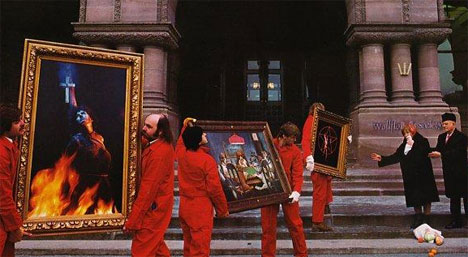
The front and back covers of “Moving Pictures” are legendary images to me, as are the sleeve notes, lyrics (down to the fonts) and the images of the band playing their instruments; until that point, the only pictures of them I saw were the ones from the “Tom Sawyer” single and I didn’t who played what!

Aside from being exposed to a couple Rush classics such as “Fly By Night” and “Working Man” – both doing almost nothing for me as they lacked the modern sounds and playing of “Moving Pictures,” my next Rush album was “Exit..Stage Left,” then I moved backwards to take in – in order – “2112,” “Permanent Waves,” “Hemispheres” and “A Farewell To Kings,” all before “Signals” came out in the fall of 1982.

“Moving Pictures” turned out to be the first of four albums that would define and dominate the soundtrack of my life: 1982 brought me “Asia,” in 1983, Yes’ “90125” was released and soon after I got my first listen to their previous masterwork, ‘Drama.” While these albums might not carry the same level of adoration for many that numerous progressive rock albums of the ’60’s and ’70’s do, they set me on a musical journey that continues today, pointing me towards a genre of music where MUSIC is valued above all else.

IMG_6080

However, I can trace my love of music in general – which, to me, is like breathing – as well as anything I do musically, back to those 4 minutes and 33 seconds on a spring day in 1981, when I experienced “Tom Sawyer” for the first time…

…because you never forget your first time.

All of 2014: Rush @ 40


rush at 40.001 - Version 2

Long to longish progarchist posts on Rush
Hold your Fire -Rush’s finest? by Tad Wert (*progarchy’s single most popular post ever)

https://progarchy.com/2014/04/24/rushs-finest-album-hold-your-fire-until-youve-read-my-analysis/

***

Erik Heter on Moving Pictures as Synergy

https://progarchy.com/2014/04/27/synergistic-perfection-first-and-lasting-impressions-of-moving-pictures/

***

Discovering Rush on their 40th anniversary by Eric Perry

https://progarchy.com/2014/04/25/discovering-rush-the-40-year-old-virgin/

***

The first Rush album reviewed by Craig Breaden

https://progarchy.com/2014/02/22/rushs-first/

***

A review of A Farewell to Kings by Kevin McCormick

https://progarchy.com/2013/01/21/rush-a-farewell-to-hemispheres-part-i/

***

A review of Power Windows by Brad Birzer

https://progarchy.com/2013/12/14/power-windows-rush-and-excellence-against-conformity/

***

Kevin Williams on Clockwork Angels Tour

https://progarchy.com/2013/11/24/rushs-clockwork-angels-tour-straddles-the-80s-and-the-now/

***

Brad Birzer on Clockwork Angels Tour

https://progarchy.com/2013/11/27/rush-2-0-clockwork-angels-tour-2013-review/

***

Erik Heter on Clockwork Angels Tour Concert in Texas

https://progarchy.com/2013/04/24/you-can-do-a-lot-in-a-lifetime-if-you-dont-burn-out-too-fast-rush-april-23-2013-at-the-frank-erwin-center-austin-texas/

***

A review of Vapor Trails Remixed by Birzer

https://progarchy.com/2013/10/05/resignated-joy-rush-and-vapor-trails-2013/

***

A review of Grace Under Pressure by Birzer

https://progarchy.com/2013/02/21/wind-blown-notes-rush-and-grace-under-pressure/


rush snakesAnd, our favorite Rush sites

(please support these incredible sites and the fine humans who run them!)

***

Power Windows: http://www.2112.net/powerwindows/main/Home.htm

***

Rush Vault: http://rushvault.com/

***

Rush is a Band: http://www.rushisaband.com/

***

Cygnus X-1: http://www.cygnus-x1.net/links/rush/index.php

Synergistic Perfection: First – and Lasting – Impressions of Moving Pictures

I. Blown Away

ImageIt was a beautiful spring day.

At least so it seemed. The calendar said it was still February, so officially we were still in winter. But Winter 1981 in Lexington, KY, was unseasonably warm.

On that fateful afternoon, I met up with my friend Greg Sims at the end of the school day. We hopped into his Chevy Monza (or, ‘The Monza-rati’ as we called it) and he drove me over to the K-Mart on New Circle Road. I went in, quickly located a copy of the new Rush album, Moving Pictures, made my purchase, and headed back out to the car. Greg gave me a ride home, and then took off, as he had to work while I had the night off from my job.

 I don’t remember the exact day it was when I made this purchase, but it likely was the same day the album was released. While that detail is fuzzy through the haze of thirty three years, I can say with confidence that I hadn’t heard so much as a single note of the record yet. At that time, listening to FM rock radio was a big part of my music consumption, and songs from Moving Pictures (especially Tom Sawyer) were in heavy rotation almost as soon as the album was released. Knowing that I had not heard any of the album before I listened to it on that fateful day tells me that it most likely was its release date.

 I opened the window in my bedroom to get in some of that nice spring-like air and then quickly removed the cellophane from the album cover. The vinyl record was removed from its sleeve, and put on the turntable. I set it in motion to start playing before quickly but comfortably implanting myself into an oversized beanbag chair I had in my room. As I pulled out the liner to look at the lyrics, I heard the needle make contact with vinyl, hearing the first few cracks and pops that were so common to music lovers of that era. And then …

 … the synthesizer intro to Tom Sawyer, the drums pacing things underneath. Oh my God.

 Right then and there I knew I was listening to a great album – Rush’s masterwork. To some, it might have seemed like I was jumping the gun. But there are some things you just know. And based on nothing more than the first few seconds of Tom Sawyer, I knew. Oh man. This is going to be a great album.

A modern day warrior

Mean, mean stride

Today’s Tom Sawyer

Mean, mean pride

Duh duh duh duh duuuuuuuuuuuuuuuuuuuunnnnnnnnnnnnhhhhhhhhhhhh

 (oh man, this is AWESOME!!)

Duh duh duh duh duuuuuuuuuuuuuuuuuuuunnnnnnnnnnnnhhhhhhhhhhhh

Duh duh duh duh DUUUUUUUUUUUUUNNNNNNNNHHHHHHHHH

I was soooooo hooked and I wasn’t even one minute into the first song. With every Alex Lifeson power chord, with every pluck of the Geddy Lee’s bass, every keyboard note, with every drum beat from Neil Peart, my conclusion of greatness was confirmed and reconfirmed.

 Today’s Tom Sawyer

He gets high on you

And the space he invades

He gets by on you

 And then came the synthesizer solo. There are no words that can describe my state of mind at this point. ‘Ecstatic’ … ‘thrilled’ … ‘mesmerized’ … all were inadequate. The rapture of a Rush fan.

Nevertheless, the rational part of my brain was still fully functioning. As I listened through the rest of Tom Sawyer, it was clear that Rush was in the process of making a quantum leap forward. This didn’t just sound like any other Rush album … it sounded like all the Rush albums. But I knew would have to distill that thought a bit to bring it into focus.

 Red Barchetta was up next. I loved it immediately. It was more guitar driven than the previous song, but still had a certain refinement not heard on some of their earlier guitar-heavy works. And it didn’t take long to recognize the lyrical themes of freedom vs. tyranny, the individual vs. the collective, and the free man vs. the state that I had first encountered on 2112 (discussed here). One of the things I had loved about Rush when I first heard them was all right here in one neat little package.

 Then came YYZ. Another instrumental, just as they had done on Hemispheres with La Villa Strangiato. However, this one was much more focused, much tighter. It certainly could not be called “an exercise in self-indulgence” as the band had referred to its previous instrumental. Full of great riffs and great playing, this one is still instantly recognizable all these years later, and still one of their live centerpieces.

 Side one drew to a close with Limelight, and again I knew I was listening to an instant classic. The music included some thick power chords from Lifeson’s guitar, not unlike some of their earliest works. Yet, it still seemed very fresh and new. The whole feel of this song was great. Something new and yet something familiar. The song ended and the needle returned to the resting position, but my state of euphoric shock continued.

 After flipping the vinyl record over and starting the turntable for side 2, I noticed that the first song, The Camera Eye, was a bit extended in length. Not a sidelong suite like 2112 or Hemispheres, but more comparable in length to the excellent Natural Science from their previous album, Permanent Waves.

 I kicked back again to the comfort of the beanbag and listened to the city noises that preceded some random synth buzzing before some proper keyboard lines made their appearance. Eventually, Lifeson joined the party, as the song moved forward with some heavy grace. A brief pause intervened, and then a more frantic keyboard line announced “here we go!” And just like that, Lee, Lifeson, and Peart were off to the races.

Duuuuuuuun dun dun DAAAAAN dun dun

Duuuuuuuun dun dun DAAAAAN dun dun

DAAAN dun dun

DAAAN dun dun

DAAAN dun dun

DAAAN dun dun

(Yeah, we are cruisin’ now, baby!!)

 It was as if we were being transported somewhere. We arrived when the instrumental section gave way to Geddy’s vocals. He delivered lyrical imagery of life in New York City from the point of a detached observer contemplating it all. I wasn’t sure what it all meant, but I loved it nonetheless.

 After that, the cycle repeated, and off we were transported to London for some images and observations of that city, and a contrast with New York.

 A more fantastic beginning to Side 2 would have been impossible. Five songs in, and my hastily drawn conclusion of the album’s greatness didn’t seem so hasty now. On the contrary, my initial gut feeling had been right on target.

 The mood of the music definitely took a shift with Witch Hunt. With this song, I followed the lyrics more closely than I had with any other. While I was never one to be particularly rebellious, I have long had a skepticism for authority and for others who “knew what was best” for me. Thus, when Geddy delivered the line “those who know what’s best for us must rise and save us from ourselves,” it hit home.

 I had some ideas of the particular intolerant a**holes to whom the lyrics referred at the time, but as I’ve learned over the years, the lyrics are broadly applicable to intolerance from all across the political spectrum.

 Six tracks up, six tracks down. Every damn one of them incredible. Only one left to go.

 Vital Signs made it seven for seven. A quirky synthesizer and guitar with a reggae beat? Who can pull that off? Well, Rush can. I laid back and enjoyed the music as the album I had dubbed a masterwork in its opening bar raced to its conclusion.

 The familiar cracks and pops returned for a few seconds before I heard the needle lift and the arm move to its resting spot. I sat there and contemplated what I had just experienced, and drew a few more conclusions.Image

 I knew this album was going to be huge. Every Rush fan and their grandmother was going to want a copy, and it would also bring in legions of new fans. While the hipster critics would hate it (but who cares about them, anyway?), the fans, both new and old, were going to love it. I knew Tom Sawyer would be their signature song. It was played at each of the four Rush concerts I witnessed subsequent to the release of Moving Pictures and appears on every video concert of Rush that I have watched. I knew that this would be the end of one era and the beginning of another for Rush. And I definitely knew that in my little bedroom on Marlboro Drive, on my modest stereo, this album was going to spend a lot of time on the turntable. Through the remainder of 1981, there was not another album that even came close.

 Rush albums generally take a few listens before they truly sink in with me. This is not necessarily a bad thing, and in fact, it’s something I like about Rush. Having the various layers revealed through multiple listens can be very rewarding it its own right. This album, on the other hand, did not. It strongly resonated with me right out of the gate. Just one listen, and I truly was blown away.


II. The Sum and The Whole

 Moving Pictures was many things. For one, it was an album that took the best of everything Rush had done before then, combined it, and distilled it into a whole that was greater than the sum of its parts. It was a culmination of their previous work in the same way that Close to the Edge was for Yes; it was the album that made the statement “we have arrived” the same way Dark Side of the Moon did for Pink Floyd.

 The music of the first few Rush albums were centered around heavy guitar. As the band honed their chops, they began writing extended pieces, first with The Fountain of Lamenth and then hitting big with 2112. In A Farewell to Kings and Hemispheres, the role of keyboards in Rush music changed from simply providing atmospheric background to a more prominent role in the melodic discourse, often times being a featured instrument for sections of songs. In the meantime, the band took a more experimental approach, both musically and lyrically. And on Permanent Waves, the band pared back some of the excesses of previous albums while tightening up their songwriting.
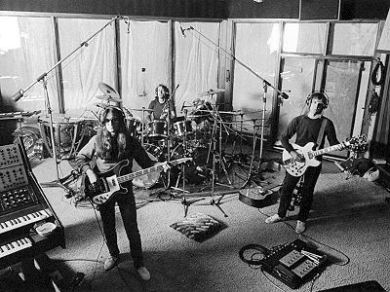
Image Moving Pictures takes something from all of the previous Rush albums and combines it into something new – and greater. Here, Rush took pieces from every one of their previous albums and put it together into something that sounded both fresh and familiar. On the outstanding documentary Beyond the Lighted Stage, Peart states “As I define it, that’s when be became us … I think Rush was born with Moving Pictures.” He further states “It represents so much that we learned up to that time about songwriting, about arrangement, that’s when we brought our band identity together.” Both statements – but especially the second – really hit home for me. Moving Pictures pulled it all together into one package that is both synergistic and perfect.

III. And Ending and a Beginning

 Given that Moving Pictures is a culmination of everything the band had produced up to that time, it represented (at least to me) an ending to the first phase of Rush music. But as much as it was an ending, it was also a beginning. Moving Pictures also served as a segue to and a launching pad for Rush’s output in the 1980’s. Particularly notable on Moving Pictures was the integration of the keyboards into the music. To be sure, most Rush albums prior to Moving Pictures had included at least some keyboards. However, keyboards seemed to be featured primarily when the other instruments stopped, most notably evident in keyboard solos that appears in songs such as Xanadu, Circumstances, and Jacob’s Ladder. This has been the source of a significant amount of controversy among Rush fans, with Moving Pictures being the dividing line. Nevertheless, anecdotally anyway, most Rush fans I have known like this album, irrespective of where they stand on their prior or subsequent work.

 For my money, Moving Pictures was the first in a sequence of four albums that marked a portion of Rush’s career that was creatively very fertile. Following with Signals, Grace Under Pressure, and Power Windows, the tighter integration of the keyboards that began with Moving Pictures continued even further, while the number of outside influences that made their way into the music continued to increased. This trend eventually played itself out in the late 1980’s and early 1990’s. Rush began to return to a more guitar-centric sound, with 1993’s Counterparts being most emblematic of that shift.   However, in the twelve years leading up to that album, the echoes of Moving Pictures could be heard in every intervening release.

 IV. Lasting Impact

 I’ve heard every album of original Rush music (I have not heard Feedback, their album of remakes … but I’ll get to it). None of them are bad, most of them are at least good, and a number of them are truly great. I’ve been astonished at their ability to produce so much good music over the course of their career. I’m even more astonished that they have been able to produce such excellent music so late in their career (Clockwork Angels, anybody?) at a time when other bands are typically doing nothing more than rehashing their glory days or producing sub-par output.

 Still, no Rush album has ever had an impact on me that is as lasting as Moving Pictures. If I had to choose only one Rush album to take to a desert island with me, this would be it and it wouldn’t even be a tough decision. Now as you can guess from what I’ve written above, that is not a criticism of any of their other albums. It’s just a simple recognition that not only did Moving Pictures have an immediate and powerful effect on me on that February day in 1981, it’s that the effect has never faded. Higher praise than that is simply not possible.


Discovering Rush – ‘The 40 year old virgin’

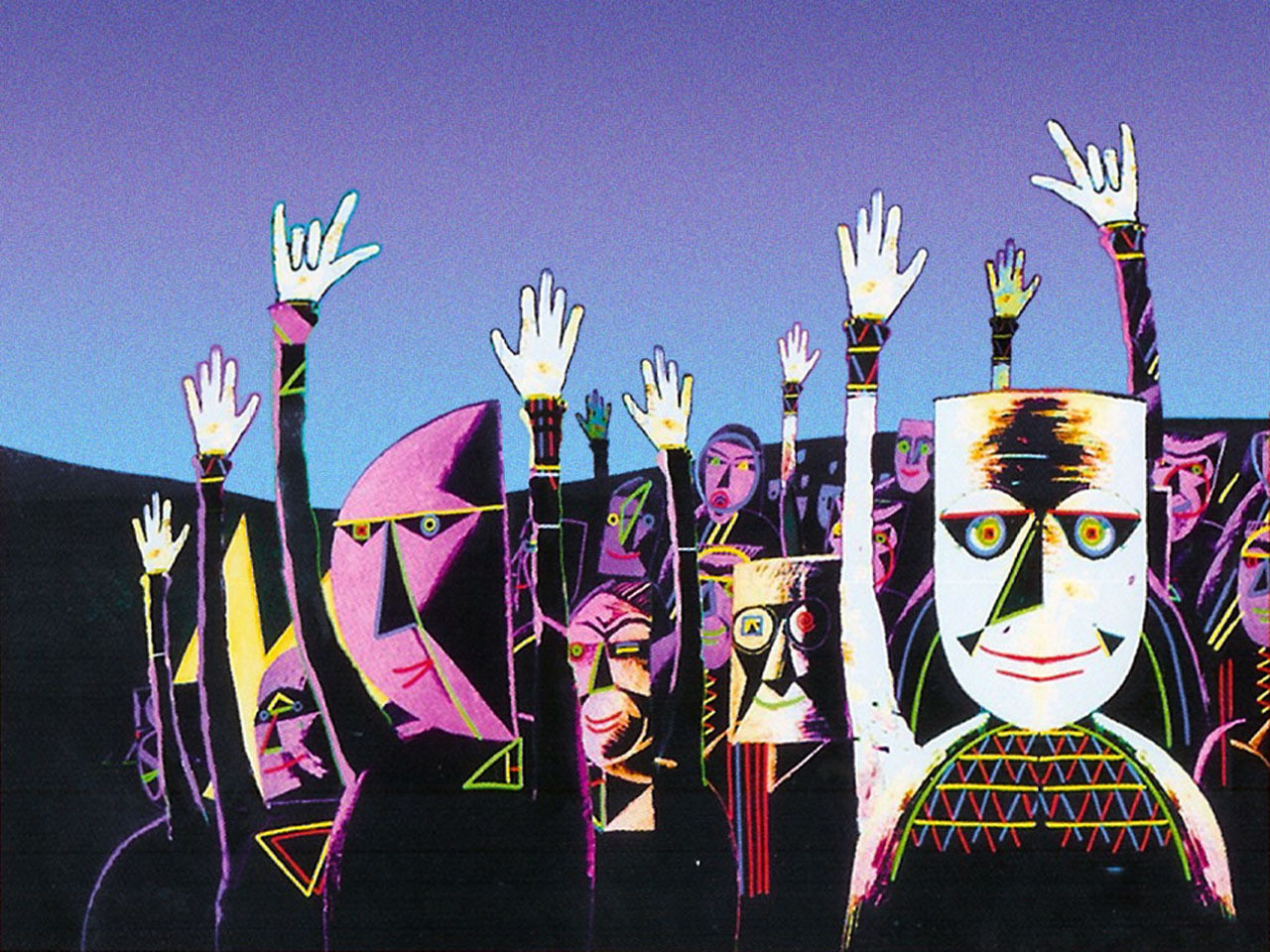
Hands up who’s a fan of Rush?

One, two, three….okay hands down, there’s too many of you.

Rush fans united...
Rush fans united…

For the last thirty-five, or more years of loving progressive Rock music there was never a day I would have ever considered myself a fan of Rush.
No… please, keep hold of your rotten fruit and hear me out….
There was always something about them I couldn’t get my head around. I used to think it was Geddy Lee’s voice. The ear-shattering pitch he could achieve made seemingly domesticated house cats turn Feral.

Yet there was something undeniably attractive about some of the musical dexterity in the instrumental bits. The amazing power of the combined rhythm section of Lee and Peart was sometimes so complex it defied belief, but every now and then it just seemed too overblown, too heavy metal for a whimsical English Genesis fan like myself.

At various points over the years  I continued to have a genuine dislike of what I heard at whatever moment I came across it. In the 1980’s it probably happened more so, because of their poppy-synth progression, and yet I’m told by the lifetime fans that this period also reflects some of their greatest moments too.
Even a couple of years back I had another listen and heard something from ‘Vapor Trails‘ and I didn’t like that much either. I was surprised at how heavy they sounded, but I know then that I was too set in my ways to open my eyes or ears and really listen objectively. I’m now told that the mix of the Vapor Trail’s album wasn’t very good either so I’m guessing that it didn’t help though.
It’s been a pattern all along.

My first real taste was when a school friend playing me side one of ‘2112‘ sometime in 1980. Like the cigarettes he also offered me to sample– I hated it. Yes, I know this sounds incredible to ‘you’–a fan of Rush. The many I have met over the years have rated this album as one of the best–a real epiphany moment–and beyond that they have been as fiercely loyal and devoted towards everything the band ever released, more so than probably any fan of any group I have known. At the time I heard ‘Temple of Syrinx‘, and as I have said earlier,  Geddy Lee’s voice made my hair stand on end and not in a good way. Described as being similar to ‘A Munchkin giving a sermon’ by one particularly rude American critic, I could see my dislike for his vocal range and unique sound was shared by others.

And now is the time?

My parents always told me, I needed to try something I didn’t like at least once every year in case I changed my mind…
It usually referred to some food that they knew one day I would like the taste of, when I was mature enough to appreciate it. Several years ago I gave up on this philosophy when I finally realised that there was no way in this lifetime, or the next, I would ever, ever like cottage cheese. It’s disgusting. It truly is the work of the devil.

No...please don't make me....
‘Devil’s food’…..

So with Rush I honestly believed they were the cottage cheese of Progressive Rock. Not devils work,  but as likable as the revolting, inedible lumpy stuff….with extra pineapple. I was convinced it would never happen, despite the regular gushing recommendations. When it comes to fans, you Rush types can really gush…however in recent years since I have become part of the social media revolution, I have found the voices harder and harder to ignore.
I even toyed with the idea now and then of going into the attic and looking for that dusty old copy of A farewell to Kings.’ It’s been up there for many a year like a pair of crazy, multi-coloured socks that sit in the bottom of your sock drawer. An unwanted gift (that has been with me since 1986) which I would never enjoy even though I did once try…just a little.

One other item of Rush’s catalogue that I owned which I inadvertently bought was a shaped picture disk from 1982 –the single ‘New World Man’. I was a NUT for the space shuttle in the early eighties—and bought the single purely on the basis of the Columbia shuttle-shaped record. I never played it! I pinned the plastic sleeve to my bedroom wall with the record inside and it stayed there pretty much for the rest of the decade, even after I left home for college.

So fast forward to now and here I am… happy in the world of new Prog, minding my own business. There was no need to revisit the past when there was so many amazing bands to be enjoyed in the 21st century. Moreover where would I even start when it came to delving into the forty odd year history of a prolific band? It’s like signing up to do the New York Marathon having never run anywhere beyond a jog to the bus stop. Where do you start?

The niggling feeling that I was missing out on something just wouldn’t go away so I felt it was time to ask you, the fans and friends to help. Yet that was like asking all the salesmen at the sports shop which shoes I should buy to go running the marathon in. Everyone has a favourite and they all seem to be the best–the most definitive.

So one evening it all started with a series of questions which gave me the first album I needed to start with:

Facebook–‘There are a number of ‘different stages’ to Rush, depends on your listening tastes…’
me–Well I don’t know really. I’m not a big fan of eighties rock music.
Facebook–‘Do you like keyboards, widdly prog, more guitar driven …’
me–Well I’m not a fan of metal and widdy is good. I like synth too as long as it’s not too over the top. Not really helping am I?
Facebook–‘Moving Pictures’ – Go for it!’

So that was that. I jumped onto itunes and bought myself a Rush album…
AND WOW! that’s all I can say.

Catch the mystery, catch the drift

Time to break my duck...
Time to break my duck…

So the beginning was ‘Tom Sawyer‘. I realised straight away that this was a track of real familiarity. It’s impossible to go through thirty something years of Prog without coming across this song. It’s a classic tune that has obviously played in many a rock club in my youth and although I wasn’t paying attention I knew the song pretty well.
The first play was the opening of a door to my subconscious and lurking there was this music.
Immediately I can see why it is so loved by the fans. It’s not especially epic or technically challenging, and yet that’s its charm. It’s simple yet amazingly clever and radio friendly, (something Rush seem very capable off) and it was the right choice to start as it’s definitely an easy ride into a new world. Aside from the vocal at the lyric… ‘The River’ reaching some very high note, it  was less high pitched than I expected, in fact it all seemed a lot less glass-shattering than I remembered…

I’m doing my best to avoid the obvious Ayn Rand elements to the song and yet the track hits you squarely on the chin in this regard. Using the Rand philosophy of man as the hero, (Tom in this case) the song plays to the central theme of a modern day individualist free to grow when only supported by a limited government, it’s all there in the song in black and white.  It’s here at this point I wished I HAD listened to this track when I was younger. My middle-aged mind can’t help but pour over the meaning of songs and it’s not something I can switch off. If I had played this when I was twelve, I would have just enjoyed the way the words sounded instead of their message.
It’s the same going into the next track ‘Red Barchetta’, yet more Rand Pseudo-philosophy with an anti-government message. I’m sure when the ideas that went to form this song were presented, the belief was that we would now be living some Orwellian (1984) nightmare when the government had taken control–2112 as I understand it. Still aside from this, it’s a DAMN FINE catchy song and I find myself tapping my foot along to it.

It’s when we get to ‘YYZ’ that things really do start to sparkle for me, the tightness of the arrangements in those Morse code moments are mind-blowing, and that rhythm section I mentioned earlier shows its amazing strength. The rhythmically strummed guitar of Alex Lifeson is sublime and shows how much he is a versatile player–without doubt the one member who impresses me the most. My guitar tutor was always one who extolled his virtues particularly the flamenco-like way he would hit the strings, a kind of brush technique that raked the strings with a flick. Of course it’s one of many techniques he uses. Looking back, I think it was at those guitar lessons where I started to wonder if I should give Rush a chance.

With ‘Limelight‘ I get the subject more than most. The intensely private man that Peart is obviously is at odds with the success of the band. His own social awkwardness (is there a hint of ASD to him?) is the key to the song and that’s the level I am happy to leave it. The synths are good on this track too, they just seem to strike the right balance for me.

Something lost on me as the dazzling  ‘The Camera eye’ opens is that this would have been the start of side two. As this is my Ipod it’s just track five instead. It has the feeling of a song that nicely starts a second side and this thought and inspiration by the artist is lost in the digital age. The song also impresses me and I feel the album is beginning to grow on me as it goes along. I like the Steinbeck quote and the viewpoint of the Camera eye as a stream of consciousness. It’s a tale of two cities and romantic in it’s delivery.

‘Witch hunt’ has the subtitle ‘Part III of Fear’. What is this about? a quick look on the internet reveals that this is part of a four part series that was released in reverse order. I realise at this point how confused my daughter Annika felt when she asked me about Star Wars.
A–“But it’s part four daddy, we need to start with part one…”
Me–“Sweetie, it’s supposed to start with part four and then it goes forwards to six before it goes backwards to one and then goes forwards again to three.”
How can ‘Witch Hunt‘ start with part III in 1981 and then progress to Part II in ‘Signals’ in 1982 before part I in ‘Grace Under Pressure’ in 1983.
Ouch my brain hurts. Am I supposed to listen to the three albums in reverse order to their release? Apparently the three songs were performed on the ‘Grace Under Pressure’ tour in the right order so maybe that’s the answer? Is there a live album of that tour? It’s a cynical song as it goes, the track really points to the choices we make based on fear that something bad is going to happen to us.

The last track on the album, ‘Vital Signs’ is a very different style from the rest of the album. I am told that this piece lays the ground work for the later albums such as ‘Grace’ and ‘Sub Divisions’. So maybe that’s where I need to go soon. It’s a lot more synth than the rest of the songs on Moving Pictures and I can see that Alex Lifeson has been relegated to a rhythm player more so. It’s a very short track and completes what feels like a short album, but 40 mins was typical for the time.

Touched for the very first time…

So there you have it. I popped my cherry!
In the space of a few tracks I have been set on a course towards understanding Rush and dare I say, I have liked what I have heard.

It’s just a little off-putting for me that Ayn Rand was the basis for some of the early work and I feel I will probably approach it at some point, but with caution. Rather refreshingly though, I see that Peart has recently tried to put some distance between him and the Rand right-wing ideologies.
“I know where I fall politically. And I define it better now: I’m a libertarian, but a bleeding-heart libertarian.”
More clearly he says:
“It’s enlightened self-interest. Free will.”

Whatever ‘enlightened self-interest’ is, I am guessing that Peart wants to shift slightly away from an ideology based entirely on self-interest with capitalist values that empower’s the individual at the expense of a healthy, government supported society as a whole.

I never really noticed before, but politically there was maybe a blockage towards me liking Rush because of my dislike for Rand and the fact that Peart was very much invested in it. As I said, I should have listened to it all much earlier–as a young teen, unaffected by theme and lyrics , instead feeling the pure energy and the power of the music and those iconic sleeve covers.

In short, I may never like everything they ever wrote, but there’s 40 years worth of music to have a go at so I should find something more to enjoy. It’s time for me to fast forward to the 21st century now and start on my second Rush album, ‘Snakes and Arrows’

I’ll be back to let you know…..

Other great reads on Progarchy…

A new review from Thaddeus Wert
Hold your Fire -Rush’s finest?

Rush’s Finest Album? (Hold Your Fire until you’ve read my analysis!)

The first Rush album reviewed by Craig Breaden

https://progarchy.com/2014/02/22/rushs-first/

A review of A Farewell to Kings by Kevin McCormick

https://progarchy.com/2013/01/21/rush-a-farewell-to-hemispheres-part-i/

A review of Power Windows by Brad Birzer

https://progarchy.com/2013/12/14/power-windows-rush-and-excellence-against-conformity/

Kevin Williams on Clockwork Angels Tour

https://progarchy.com/2013/11/24/rushs-clockwork-angels-tour-straddles-the-80s-and-the-now/

Brad Birzer on Clockwork Angels Tour

https://progarchy.com/2013/11/27/rush-2-0-clockwork-angels-tour-2013-review/

Erik Heter on Clockwork Angels Tour Concert in Texas

https://progarchy.com/2013/04/24/you-can-do-a-lot-in-a-lifetime-if-you-dont-burn-out-too-fast-rush-april-23-2013-at-the-frank-erwin-center-austin-texas/

A review of Vapor Trails Remixed by Birzer

https://progarchy.com/2013/10/05/resignated-joy-rush-and-vapor-trails-2013/

A review of Grace Under Pressure by Birzer

https://progarchy.com/2013/02/21/wind-blown-notes-rush-and-grace-under-pressure/

Rush’s Finest Album? (Hold Your Fire until you’ve read my analysis!)

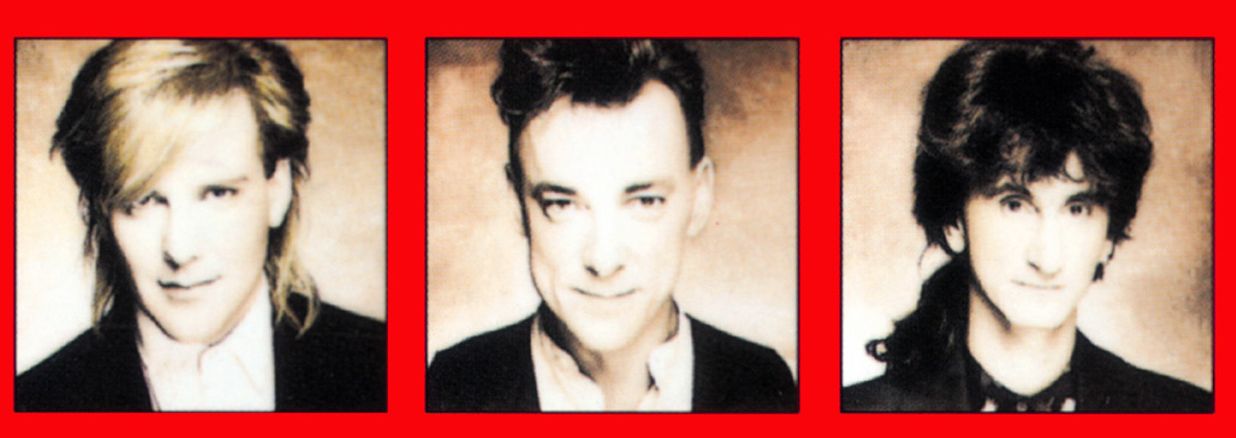
The boys were most stylish in 1987.

The first Rush album I bought was A Farewell To Kings – it was a cutout*, and I had heard they were a pretty good progressive rock trio. Geddy’s vocals turned me off initially, but Neil’s lyrics were very intriguing. The next album I acquired was Permanent Waves, because “Spirit of Radio” was all over the radio, and Geddy’s voice had mellowed a bit. That album remained in permanent rotation on my dorm room’s turntable for months, and I still listen to it often. Moving Pictures upped the ante even more, and Rush were becoming one of my all-time favorite bands. However, to my ears Signals was a letdown – the pervasive whoosh of synthesizers seemed to overwhelm Alex’s guitars, and the melodies weren’t as memorable as those in Moving Pictures. So I skipped Grace Under Pressure, convinced that Rush’s best days were behind them in the Permanent Waves/ Moving Pictures era. (In case you’re inclined to quit reading, in disgust at my ignorance of the greatness of Grace Under Pressure, I did eventually get it!)

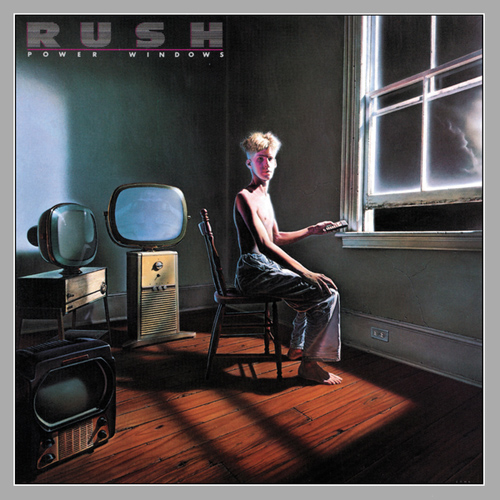
In the mid-‘80s, I worked in record store, and we prided ourselves on listening to the cutting edge of everything new wave and postpunk: Cocteau Twins, The The, Simple Minds, The Smiths, R.E.M., The Cure, Talk Talk, etc. One day, our import buyer (who was the hippest employee in the store) was very excited, because it was the release date for Rush’s new album, Power Windows. I was surprised, to say the least, because Rush was not cool, like a 4AD band automatically was. But when he put it on the store’s sound system, and those glorious “Big Money” power chords poured out of the speakers, I was hooked. Rush was back! I played the cassette in my car constantly, and when the compact disc came out, I immediately got a copy. Power Windows was the first and only album of which I owned the cassette, the Lp, and the CD.

Which is my long-winded way of setting the stage for when I first encountered Hold Your Fire. The day before the official release date, I unpacked the box in which our store’s copies were packed, and gazed in admiration at the cover:

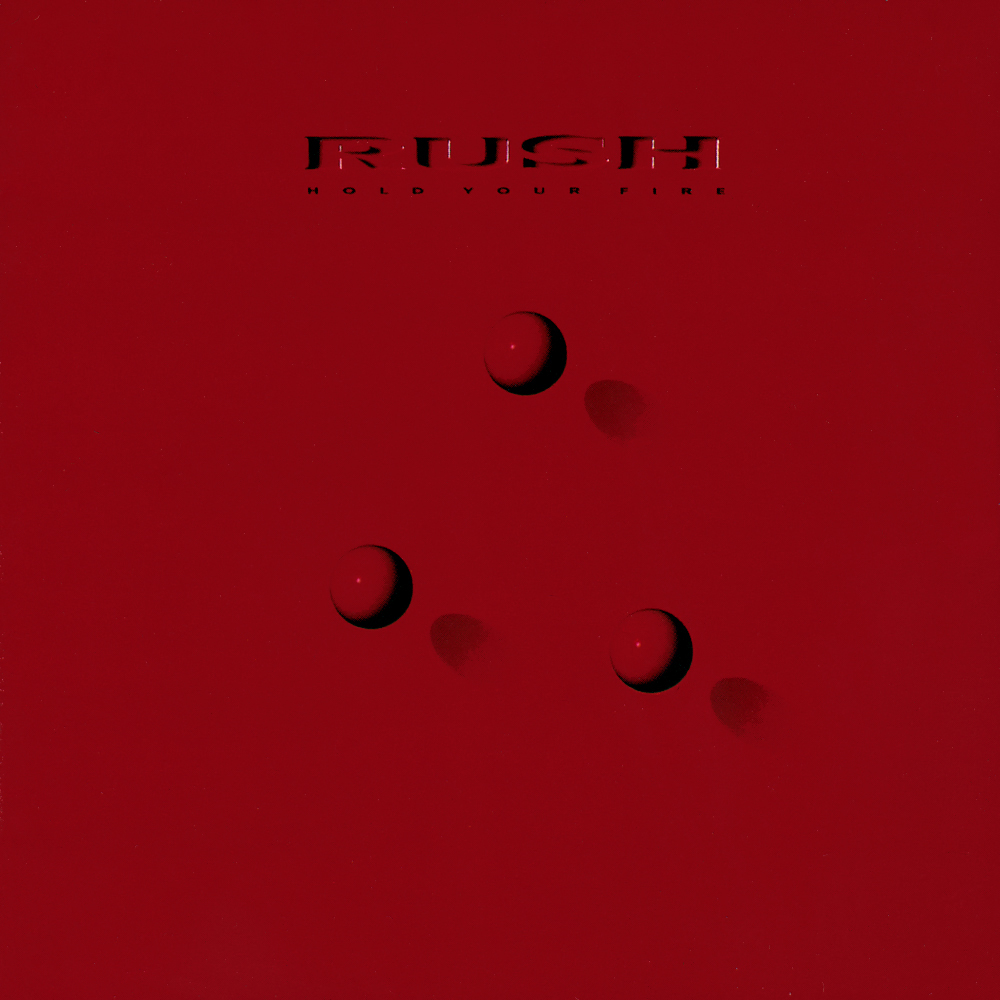
rush-holdyo_07 This was something unprecedented in Rush album cover art – instead of a meticulously detailed Hugh Syme painting containing visual puns, there were just three red spheres suspended over a red background. The obvious conclusion was that Alex, Geddy, and Neil were now reduced to the simplest, most perfect solid in geometry – polished and ready to bounce off of each other like billiard balls. Visually, at least, Hold Your Fire was sleek and minimalist. Peter Collins, who produced Power Windows, was back in the saddle, which boded well. I couldn’t wait to hear the music.


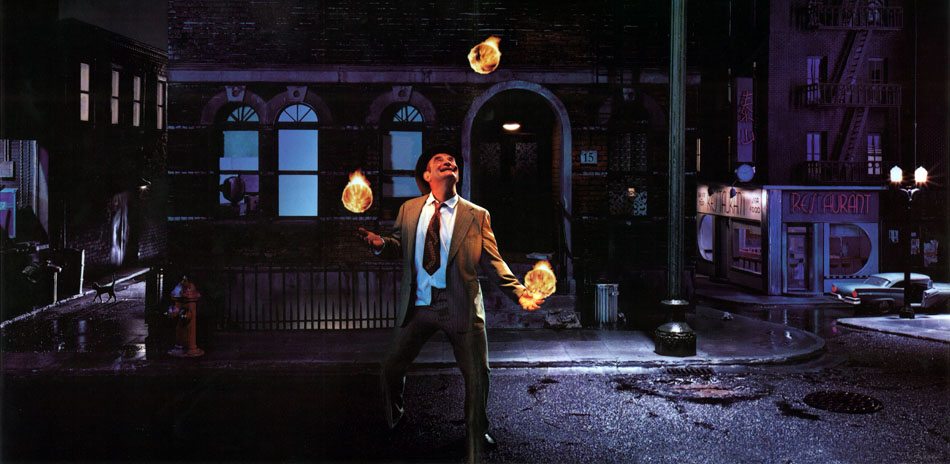
Inside the booklet, there was a spread that was more like what Rush fans expected: a man juggled three flaming balls (hold your fire, indeed), the building behind him vaguely resembled the façade in the Moving Pictures cover, in one of the windows you could make out the three vintage television sets from Power Windows, on the sidewalk stood the red fire hydrant from Signals, and the Chinese restaurant’s clock read 21:12 in military time (it turns out the restaurant’s sign reads Tai Shan, as well).

holdyourfire-1-s The first track, “Force Ten”, opens with a bone-rattling jackhammer and sampled choir, quickly followed by a straight-ahead drumbeat while the bassline leaps and bounds. Alex’s guitar is punk-like in its simplistic riffing – this is one of the most aggressive songs Rush has written up to this point in their career. Which makes the second track such a surprise. “Time Stand Still” features Aimee Mann, leader of the pop group ‘Til Tuesday, on vocals. Aimee Mann?? Once the shock of hearing someone besides Geddy sing on a Rush song, it’s clear this is actually a nicely constructed, interesting tune. Alex’s arpeggiated, brittle guitar sound is great in this context, and “Time Stand Still” stands the test of time as one of Rush’s most radio-friendly tunes. Neil’s wistful lyrics are very touching:

“Summer’s going fast- Nights growing colder Children growing up- Old friends growing older Experience slips away…”

“Open Secrets” is a bass/synthesizer dominated song with Alex providing some tasteful guitar filigrees as Geddy sings about how true communication is difficult between two people, due to their reluctance to be open and honest. As a matter of fact, the entire album’s theme is one of restraint. Where Power Windows was about power and the use of it, Hold Your Fire is about controlling that power – exercising restraint, in other words.

“Second Nature” begins with a nice keyboard riff, and slowly builds in intensity. Neil’s drums are excellent on this track, as he lends a touch of exotic rhythm to it. The song has a laconic pace to it, with lots of swirling synthesizer washes throughout.

Things definitely pick up in “Prime Mover”, which features some of Geddy’s finest bass work ever. In the same way New Order’s bassist Peter Hook often plays lead, Geddy carries this tune while Neil and Alex play over, under, and around him. This one of the strongest tracks on the album, and it benefits from a nice balance of keyboards vs. guitar/bass/drums.

“Lock and Key” was the first single off the album, and it’s a very good track. [Update: a Progarchy reader has informed me that “Force Ten” is actually the first single off of HYF. Thanks, Will!] Alex gets to rock out with some fat power chords and a fine solo, while Neil really shines on drums. This track will give your subwoofer a workout! The lyrics deal with how everyone keeps their “real” feelings under lock and key, in order to maintain civility:

“We don’t want to be victims On that we all agree So we lock up the killer instinct And throw away the key”

“Mission” contains the album title: “Hold your fire/Keep it burning bright/Hold the flame/’Til the flame ignites/A spirit with a vision/Is a dream with a mission.” Not one of my favorite tracks, but it is still an enjoyable listen.

“Turn the Page” is a whole ‘nother matter, though! This song is one of the best Alex, Geddy, and Neil have ever recorded. An unaccompanied bass riff starts things off, until Alex enters with some slashing guitar, and Neil lays down a rapid pulse. When the chorus begins, there is an atmosphere of time being suspended as Neil hits every other beat, then suddenly kicks it into overdrive with his patented bass pedal and cross-rhythmic work. After Alex’s solo, a stomach-churning bass synth explodes (at the 3:43 mark), and there is a mad dash to the end.

“Tai Shan” is an oddity – it has a too-obvious Asian influence musically, and the lyrics concern a fabled mountain in China where supposedly you are granted long life if you reach the top and raise your arms. It doesn’t exactly fit the tone of the rest of the album, though.

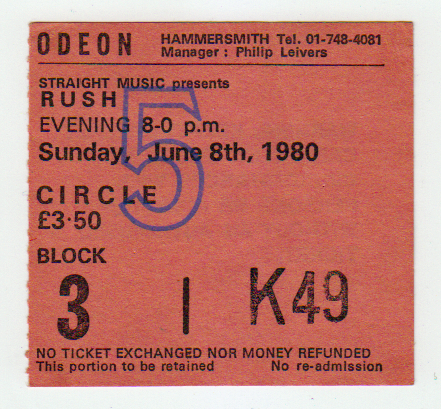
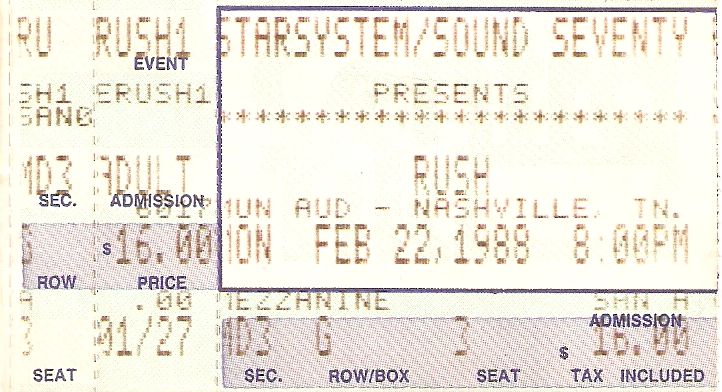
“High Water” closes things out on a relatively subdued note. A fitting conclusion to an album full of dynamic contrasts. By 1987, compact discs had become popular enough that Geddy, Alex, and Neil no longer felt constrained by vinyl’s time limitations. Hence, Hold Your Fire clocks in at a generous 50:30 minutes. It was followed by their third live album, A Show Of Hands. The DVD of that album is available as part of the Replay set, and it is an excellent summary of Rush’s “Synthesizer Period”. The Hold Your Fire tour was the first time I saw Rush live, so it holds a special place in my journey with Rush.RushTicket After A Show Of Hands, Rush left their longtime label, Mercury, and signed to Atlantic. They eventually scaled back the keyboards, and returned to a more guitar-based sound. Hold Your Fire was the culmination of elements they had been developing since Signals, and they wisely stepped back from going down a synth-heavy pop/rock path.

Do I believe Hold Your Fire to be Rush’s finest album? No, I give that honor to Permanent Waves. However, I don’t think Hold Your Fire has ever gotten the respect it deserves. Rush plays relatively few songs from it on their tours, and it peaked at #13 on the charts when it was released. If listened to in conjunction with Power Windows, it completes what that album began. Enough time has passed to listen to it with fresh ears, and we can appreciate it for what it is: a successful attempt to craft a radio-friendly album filled with accessible songs. Sometimes you just have to have some fun!

* For our younger readers, a cutout was an Lp that the label deeply discounted because the title was overstocked. The label would cut a notch in the cover, and stores would sell it for 70% – 80% off the retail price.

“Turn The Page”, from A Show Of Hands:


[Ed. note–Tad’s is the first in a series of posts celebrating the fortieth anniversary of our beloved Rush]


For more from Progarchy on Rush

The first Rush album reviewed by Craig Breaden

https://progarchy.com/2014/02/22/rushs-first/

A review of A Farewell to Kings by Kevin McCormick

https://progarchy.com/2013/01/21/rush-a-farewell-to-hemispheres-part-i/

A review of Power Windows by Brad Birzer

https://progarchy.com/2013/12/14/power-windows-rush-and-excellence-against-conformity/

Kevin Williams on Clockwork Angels Tour

https://progarchy.com/2013/11/24/rushs-clockwork-angels-tour-straddles-the-80s-and-the-now/

Brad Birzer on Clockwork Angels Tour

https://progarchy.com/2013/11/27/rush-2-0-clockwork-angels-tour-2013-review/

Erik Heter on Clockwork Angels Tour Concert in Texas

https://progarchy.com/2013/04/24/you-can-do-a-lot-in-a-lifetime-if-you-dont-burn-out-too-fast-rush-april-23-2013-at-the-frank-erwin-center-austin-texas/

A review of Vapor Trails Remixed by Birzer

https://progarchy.com/2013/10/05/resignated-joy-rush-and-vapor-trails-2013/

A review of Grace Under Pressure by Birzer

https://progarchy.com/2013/02/21/wind-blown-notes-rush-and-grace-under-pressure/

Rush, Libertarianism, and Integrity

My good friend Steve Horwitz just sent me a link to this article from the American libertarian magazine, REASON.  Enjoy.

In 1977, I bought my first Rush album. I was 13. The title of the disc was 2112, and the foldout jacket had a very cool and ominous red star on the cover. As soon as I got it home from the store, I carefully placed that vinyl record onto the felt-padded turntable of my parents’ old Motorola console stereo.

The moment I dropped that stylus, and that needle caught the groove, I became obsessed with Rush like only thirteen-year-old boys can get obsessed. I turned up the volume as loud as I thought I could get away with, and I rocked.

To keep reading, please go here: http://reason.com/archives/2014/04/22/matt-kibbe-book-excerpt-rush-and-aynrand

It’s Time to Connect With John Wesley

Disconnect-coverInsideOut Music  recently signed John Wesley to its label, and his new album, Disconnect, will be available March 31 in Europe and April 1 in the U.S.  I’m not pulling an April Fools’ joke when I say that it is my favorite album of 2014 so far (despite stiff competition from  the likes of John “KingBathmat” Bassett, Gazpacho, and Transatlantic).

Who is John Wesley? Hailing from Tampa, Florida, he’s an enormously talented guitarist and vocalist who has toured with Porcupine Tree, Fish, and Steven Wilson. Check out Porcupine Tree’s DVD, Anesthetize, to see how integral he was to their live show. As a matter of fact, after watching that DVD, I wondered why Steven Wilson didn’t go ahead and make Wesley an official member. His guitar playing and vocals added a new and exciting dimension to Wilson’s songs.

Approaching Wesley’s new solo work, I had low expectations – sidemen often fail to carry the load of an entire album. (Tony Levin is my all-time favorite bassist, but his solo stuff just doesn’t do anything for me.) Suffice it to say, from the opening chords of the first track, “Disconnect”, to the spacey fadeout of “Satellite”, this is a jaw-dropping collection of songs. There isn’t a weak track in the whole bunch as Wesley runs through a wide range of styles, all the while rocking like a maniac.

I hear hints of Pink Floyd in the aforementioned “Satellite”, Rush (none other than Alex Lifeson lends a hand on “Once a Warrior”), and Lindsey Buckingham in “Windows”. “Gets You Every Time” is an aural blast of pure joy in the vein of classic Cheap Trick.

The highlight has to be the transcendent and chiming “Mary Will”. In it, Wesley sings like a desperate man clinging to his last hope:

“In the cleansing rain, you stand by her.

In the roses, miracles will occur.

Never to forgive, never yourself,

Not even Mary’s son dared to offer help,

But maybe Mary will stand for you.

Maybe Mary will stand for you.

Maybe Mary will have a word for you”.

A spiraling, yearning, yet perfectly restrained guitar solo brings this brief masterpiece to a close.

John Wesley is a major talent in rock, both as a performer and a songwriter. Kudos to InsideOut Music for making his music available to a larger audience. Disconnect is a must-have if you value passion, brilliance, and depth in your music.

Here’s the official video to “Mary Will”:

A Little Neil Peart Every Now and Then. . .

Rush_Permanent_Waves. . . is healthy for the soul.

In their own image

Their world is fashioned

No wonder they don’t understand

—Neil Peart, 1980

***

Rush-SignalsSome will sell their dreams for small desires

Or lose the race to rats

Get caught in ticking traps

—Neil Peart,1982

***

power windowsYou can do a lot in a lifetime

If you don’t burn out too fast

You can make the most of the distance

—Neil Peart, 1985

***

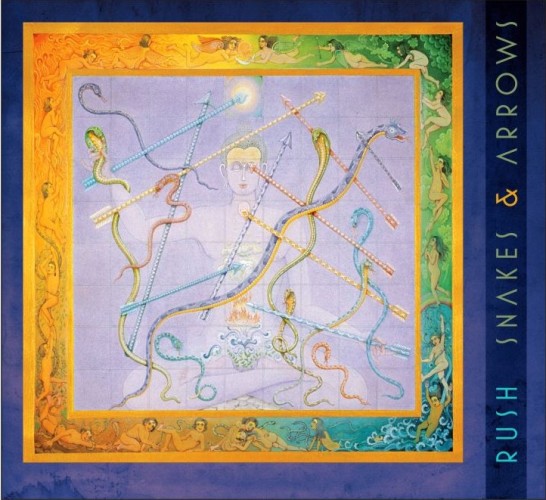
rush snakes arrowsNow it’s come to this

It’s like we’re back in the Dark Ages

From the Middle East to the Middle West

It’s a world of superstition

—Neil Peart, 2007

***

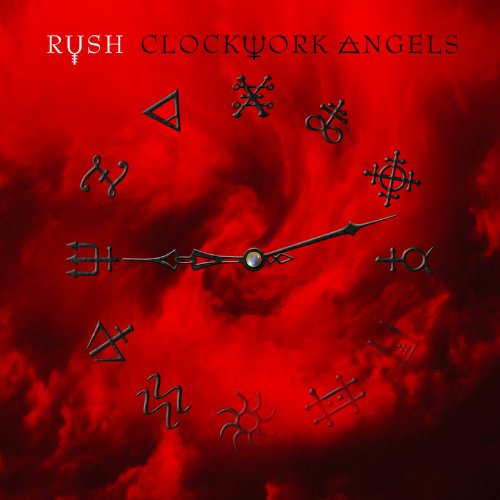
rush clockwork angelsThe future disappears into memory

With only a moment between.

Forever dwells in that moment,

Hope is what remains to be seen.

Forever dwells in that moment,

Hope is what remains to be seen.

—Neil Peart, 2012

Integrity’s Minstrel: John Bassett. Unearth (2014)

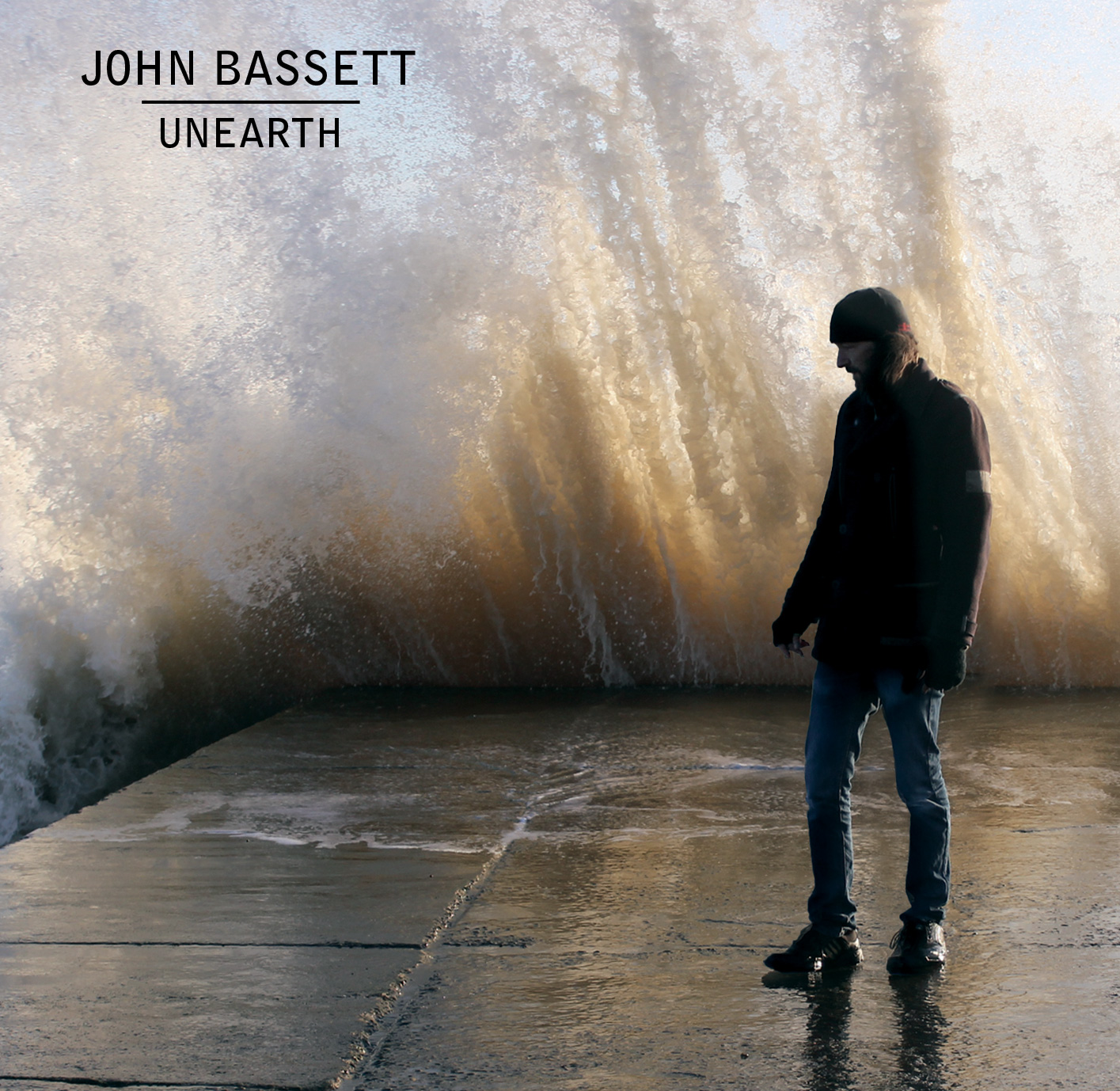
Unearth-Album-CoverA review of John Bassett, Unearth (Stereohead Records; release date: March 31, 2014).

I’m honestly not sure if my admiration for John Bassett knows many—if any—bounds.

When we first announced progarchy’s birth in the fall of 2012, Kingbathmat’s label reached out to us immediately.  As objective as I’m trained to be in my own actual day-to-day profession (though, I’ve become firmly convinced that so-called objectivity is highly overrated), it’s hard not to be grateful when someone, some band, or some label contacts us.  After all, it’s automatically a profound sign of trust, though always based on a leap of faith.

As reviewers and lovers of music, we’re, of course, not for sale.  Still, we are rather human.  Kindness and relationships make a difference in the ways we perceive artists.  In no genre of music is this more true than in prog, as the audience matters so deeply to the music—its creation and its longevity.  Whatever my many faults, disloyalty isn’t one of them.  As it turned out, though, I didn’t have to worry about any false motives on my part.  I was not only grateful to Kingbathmat for trusting us, but I also, thank the Good Lord, really liked their music as well as their trust!

I also immediately came to like—personally—two of its members, John Bassett and Bernardo Smirnoff (who goes by many aliases and seems to be one of rock’s greatest men of mystery).

Perhaps, all four members of the band are wonderful.  I wouldn’t be surprised in the least if this proved true.  But, I’ve not had the pleasure to meet the other two.  I do know, however, John and Bernardo—at least electronically—and they’re both truly great guys.  Really truly great guys.  The kind of guys I would love to spend some time with—maybe over a beer and discussing a meaningful book.

John Bassett Promo 3So, when I heard that John was releasing a solo album, I couldn’t help but be thrilled.  I was immediately curious as to what it would sound like.  Another Kingbathmat album?  I imagined the solo album to stand in relation to Kingbathmat’s other releases much as I think of Chris Squire’s solo album from 1975, Fish Out of Water.  It’s a critical piece of Yes history.  The same, I assumed, would prove true of John’s solo album.

As early reviews have come out regarding the forthcoming release, a number of reviewers have compared Unearth to much of David Gilmour’s work with Pink Floyd.  I’m sure that Bassett has listened to lots of Floyd, as we all have.  And though Gilmour’s work is so iconic, Bassett is simply better and more nuanced than even the best of Gilmour.  Gilmour is certainly amazing, and he always has that trademark sound, recognized anywhere.  But, frankly, Bassett has a better voice, more diverse talents with the guitar, and better lyrics.  This isn’t meant to be a knock against Gilmour.  The guy is brilliant.  Bassett is just better.

I’m not sure this comparison is worthwhile or fair, though.

As I’ve had the opportunity to listen to a review copy of the album over the past several weeks—and, I’ve absolutely fallen in love with it, listening to it at what one might call an addictive level—I’ve thought of many comparisons.  This might be Dan Fogelberg without the sappiness.  It might be Storm Corrosion without the pretension (as the ubercool David Elliott has argued, Storm Corrosion might be one of the biggest hoaxes on the prog community in years; Bassett is no hoax).  It might be Opal or Mazzy Star with a male voice.  It might be. . . well, we could keep going with this.

It’s worth stating this as directly as possible, though: John Bassett is his own man and his own artist.  He’s the kind of guy who would, I assume, take criticism very seriously for about an hour or two.  He might even feel a bit down if a truly negative review of his work came out.  The next morning, though, Bassett would’ve totally forgotten whatever was written about him, and he’d do his own thing any way, whether he remembered what had been written or not.

harry the anarchistAgain, Bassett is very much his own man.  It’s part of his immense charm.  And, the fact he doesn’t even realize—at any level—how charming, interesting, and charismatic he is, makes him even more interesting.  When I tried to tell him several months ago how important he was in the prog community (yes, I’m rather blunt and obnoxious at times—I’m sure you’re shocked), he just blew it off.  “Brad, I’m just a Muppet,” he wrote me.  Well, John, you are far more than a Muppet (though, I really like the Muppets, especially Animal, Sam the Eagle, and Harry the Anarchist).

So, the sum of it all?  This album, Unearth, is a manifesto for being your own person, just as John is his.  My best comparisons?  Imagine the lyrics of a young Neil Peart without the overtly Nietzschean strain.  Or imagine the lyrics of a middle-aged Neil Young, but anti-political rather than merely anti-rightest.  Or imagine the social justice of Andy Tillison (a man of equally brilliant integrity).  Put all of this together, and you have a John Bassett.  The lyrics are not only well written, they are sung with absolute belief and integrity.  Indeed, this entire album just exudes integrity.  As I’ve written elsewhere, Kingbathmat “reeks of integrity.”  The same, of course, is true for this solo album.  Lyrically, Bassett justly rails against injustice, superficiality, betrayal, and every single form of conformism.  This is a most confident and non-navel gazing individualism.  The individualism of a Keats or a Thoreau.

Musically, the songs range from the sublime (this word seems to fit more than does “beauty” for Bassett’s music) and the delicate to the clever and the intricate.  And, frankly, though I’m no musician, I’m as impressed with the keyboards as I am with the guitar.  In the ability to pull every thing together, Bassett is a master.

I must state a dream of mine.  If Kingbathmat ever released an album, a concept to be sure, that combined the drive of Kingbathmat and the pauses and reflections of Unearth, ably giving it an organic flow, the band would make an album that would not be just a great release of third-wave prog, but a worthy masterwork, an equal to the best of Genesis or Pink Floyd of Yes from the 1970s.

Please John and Bernard, think about it.  I’m already eager with anticipation, just imagining what could be. . . .

***

To order, go here.