Rick’s Quick Takes: Gotta Lotta Live If You Want It

With apologies to The Rolling Stones and Neil Young (and of course, Nicolette Larson) . . .

A good chunk of early 2025’s prog action has been concentrated “in the arena”: new releases and reissues of concert recordings, whether of decades-old vintage or just yesteryear, unplugged or fully electrified. Purchase and streaming links are provided below where available. (One relatively new challenge: physical media is selling out faster than ever these days; some of what’s below ran out of stock even before the official release! Bookmark the appropriate page and hope for restocks, I guess?)

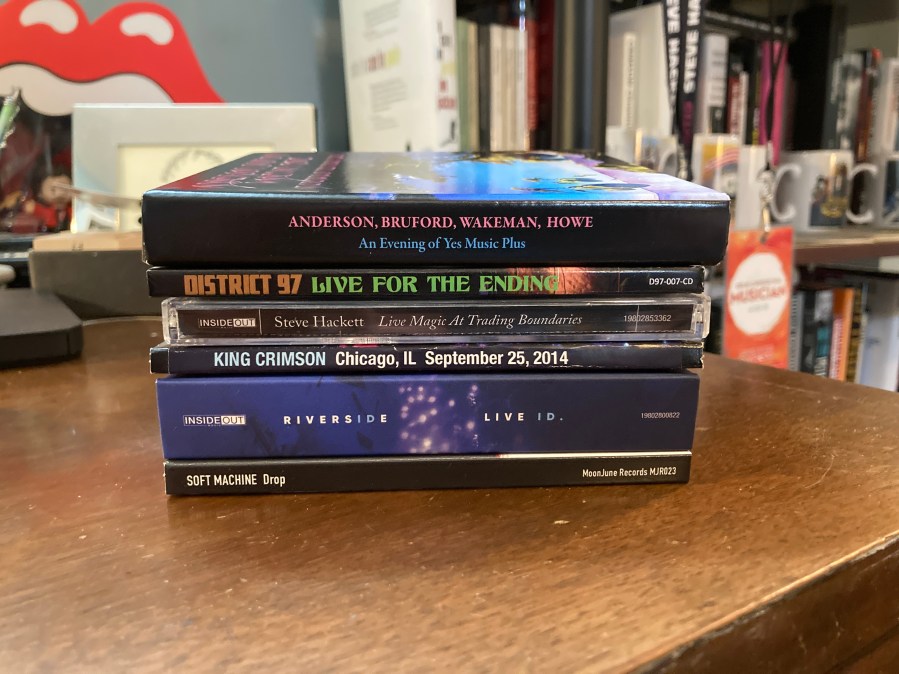
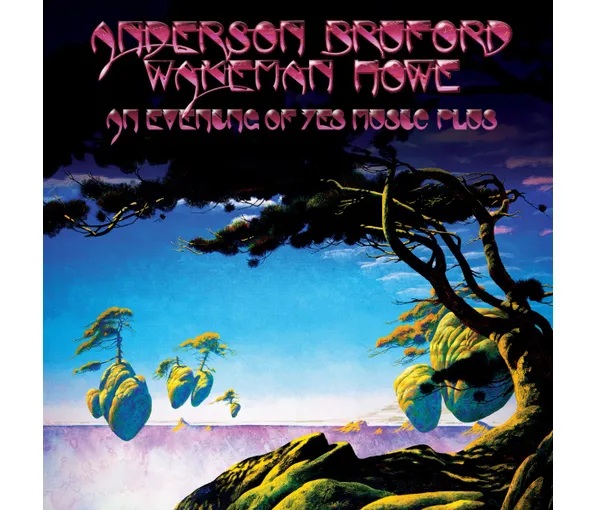
Anderson Bruford Wakeman Howe, An Evening of Yes Music Plus: One of the odder detours in Yes history, as Jon Anderson left the more commercial mothership of the 1980s and gathered 3/5th of the band’s breakthrough line-up for an album/tour cycle that proved equal parts throwback and reboot. As on ABWH’s 1989 studio album, the freshest moments of this 2 CD/2 DVD concert set occur when Howe’s plangent guitar and Wakeman’s graceful piano vault over Bruford’s syndrum clatter on new tracks “Birthright”, “Brother of Mine” and “Order of the Universe”. (Meanwhile, Anderson’s melodic volleys of New Age word salad remain consistent. Never change, Jon!) Potent, precise takes on classics like “Close to the Edge” and “Heart of the Sunrise”, along with plenty of solo space, make for an enjoyable show that proved there was life in these middle-aged dogs yet — even if Trevor Rabin and Chris Squire wouldn’t share the original group’s name. Thanks to Action Records of Preston, UK for their prompt service when preorders sold out!

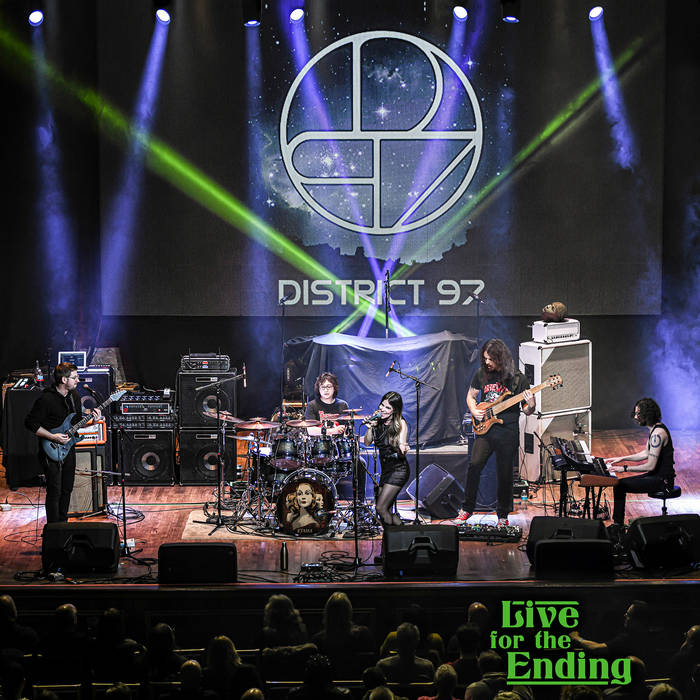
District 97, Live for the Ending: Chicago’s finest proggers play the entirety of their latest album live, at home and overseas. D97’s reading of the complete Stay for the Ending is a straight-up recital with few variations from the recording; what impresses here is the consistent commitment and energy on display. It’s evident how fiendishly difficult this stuff is, how the now-long-time lineup of Andrew Lawrence, Jim Tashjian, Tim Seisser and Jonathan Schang sink their teeth into the harmonic and melodic extremes of each track — and how consistently Leslie Hunt rises to the occasion, riding every chunky guitar/bass lick, synth blast and time-warping drum fill with her expressive, acrobatic singing. Given the constant hairpin turns and switchbacks of this music, the occasional rough edges slot right in; this is a band playing right up to the limits of their considerable skills, then going above and beyond! Longtime fans like me won’t be disappointed, and newbies will get a solid sense of how gutsy and thrilling District 97 are in concert.

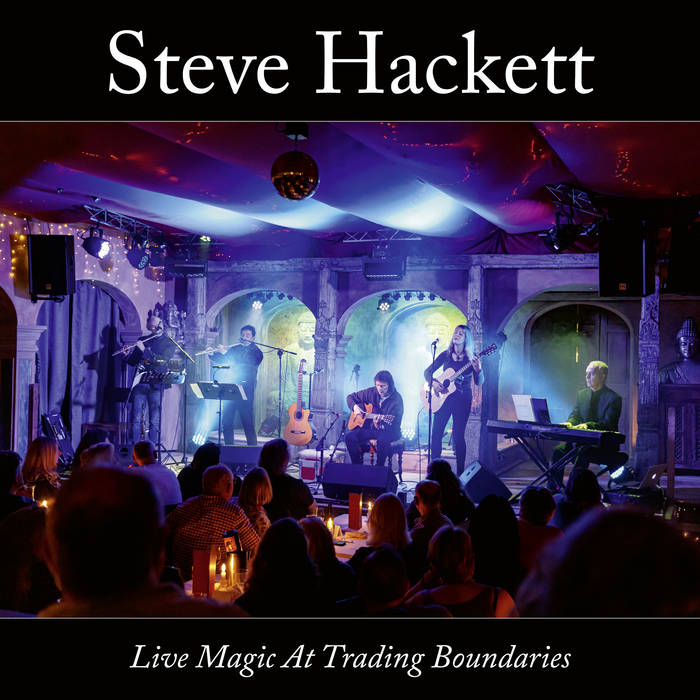
Steve Hackett, Live Magic at Trading Boundaries: The ninth live album of Hackett’s Genesis Revisited era, this unplugged set compiled from multiple year-end performances at an art gallery/performance space/boutique hotel in the British countryside, is genuine surprise and a refreshing change of pace. With Hackett focusing on nylon-string acoustic guitar, there’s plenty of old-school Genesis (the medley of an excerpt from “Supper’s Ready” and “After the Ordeal” is a masterstroke), an eclectic range of solo material (with Hackett’s brother John and Rob Townsend on woodwinds), lovely original songs from sidekick Amanda Lehmann (with Steve on harmonica!) — even a blast of digital keys from Roger King, waking everyone up with a bit of Francis Poulenc’s organ concerto! Delicate, luscious and immediately appealing , Live Magic also proves a worthwhile appetizer for recently reissued “special editions” of Hackett’s acoustic back catalog (1983’s Bay of Kings, 1988’s Momentum, 2005’s Metamorpheus and 2008’s Tribute) — which seem to be selling out even as I type . . .

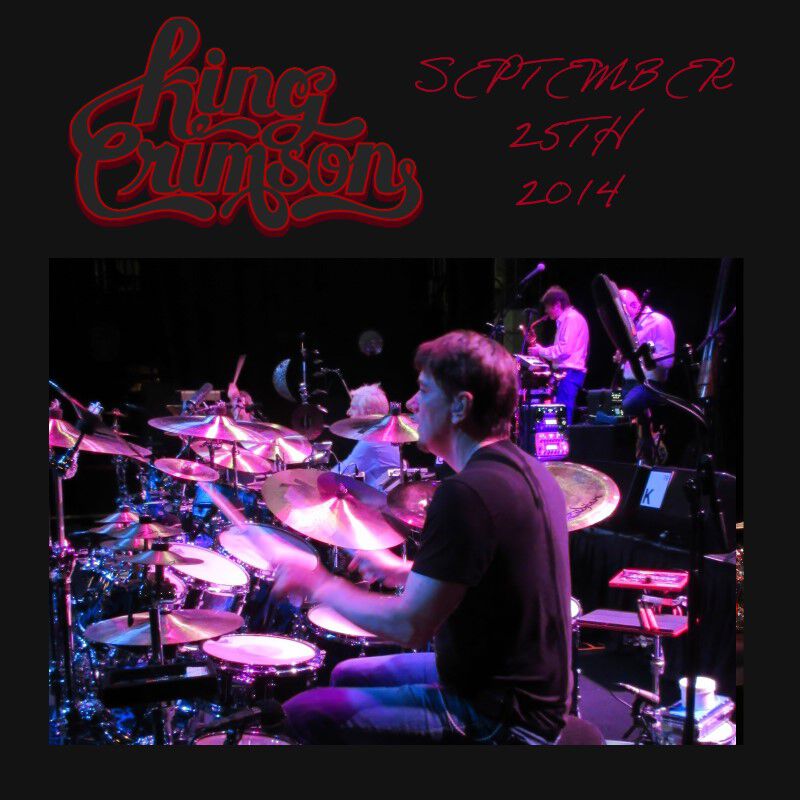
King Crimson at nugs.net: Partnering with the premiere online concert specialists (whose clientele range from superstars Bruce Springsteen and Jack White to up-and-coming jammers Billy Strings and Goose), Robert Fripp’s Discipline Global Mobile has already made 44 Crimson shows (26 from 1996’s Double Trio outings, 18 from the 2014 Elements of KC tour) available for streaming with paid subscription, or for purchase as downloads or CDs. I picked up the CD of the night I attended the 2014 tour in Chicago (September 25th at the Vic Theater); after six years away from the concert stage, this edition of The Mighty Crim blew away the audience with its triple-drummer frontline, Mel Collins’ visceral attack on multiple saxes, Jakko Jakszyk’s mellifluous vocals, and a wide-ranging setlist stretching from 1969 psychedelia to the wide-open soundscapes of 2011’s A Scarcity of Miracles. With more tour bundles from across the decades promised for the future, nugs.net now seems the go-to source for archival Crimson concertizing. Bring on the 2019 and 2021 tours, please!

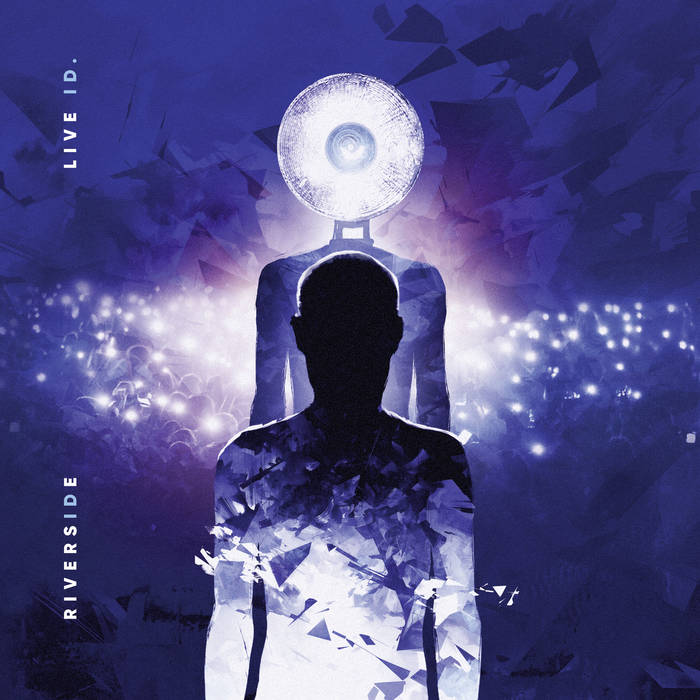
Riverside, Live.ID: The Polish quartet comes out smoking hot for the final gig of their 2023 ID.Entity tour on this 2 CD/BluRay set. Michal Lapaj’s ebullient keyboards grab hold with sizzling synth and organ hooks; Maciej Miller’s gruff power chords and earthy leads anchor the driving hard-rock sound; Piotr Dozieradzki’s pounding drums push the music forward. And at center stage, Mariusz Duda holds down one busy bass groove after another, all the while launching compelling, dystopian narratives of isolation in an overconnected age. With a setlist split evenly between their last album and their back catalog, these guys prove looser, yet more ferocious than on their fine studio albums, never letting up on the intensity. And the audience respond in kind, matching Duda’s request for them to be “the fifth member of Riverside” with enthusiasm to spare. More than a concert, this feels like an event — a great intro for neophytes, a rewarding summary of Riverside’s career to date for longtime fans. (Note that the CD/BluRay version is already hard to find!)

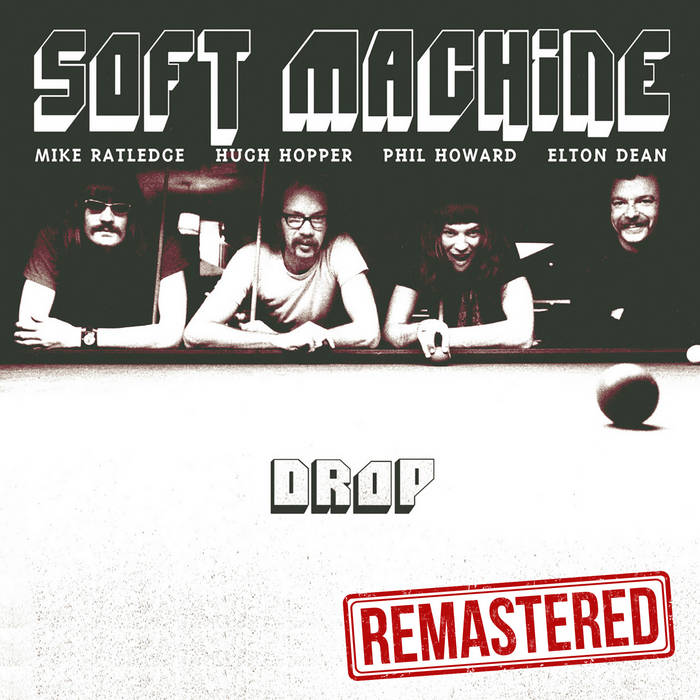
Soft Machine, Drop & Floating World: Only four years separate these two sets from the pioneering British jazz-rockers, freshly remastered by guitarist Mark Wingfield — but what a difference those years make! Recorded live on a 1971 German tour, Drop unveiled a quartet speeding headlong for the outer limits of music itself; riding cascading waves of Phil Howard’s manic, loose-limbed drumming, saxophonist Elton Dean screams and howls into the ether, while bassist Hugh Hopper and keyboardist Mike Ratledge hang on for dear life. It’s a breathtaking whirlwind of sound, shaped more by free rhythm than discernible melody — exhilarating, but not for the squeamish.

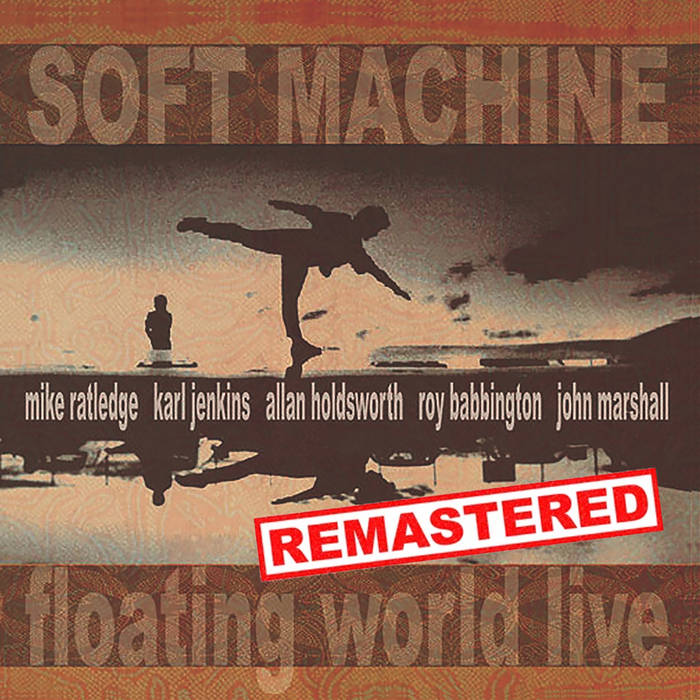
By 1975, Dean, Hopper and Howard were out; in their place, Karl Jenkins (later to earn a knighthood for his classical crossover project Adiemus), Roy Babbington and John Marshall were laying down a more fusion-oriented, arguably more sedate vibe. Enter fledgling guitar hero Allan Holdsworth to fire things up on another German tour; his lightning-quick runs and ear-catching chord work energize Floating World Live, inspiring his bandmates to fresh heights of invention and interplay on pieces from the first-rate studio effort Bundles. Awash with echoes of Mahavishnu Orchestra and Return to Forever filtered through a genial, sardonic English sensibility, this is required listening for fans of the genre and Holdsworth heads. (A manufacturing error has held up the release of the Floating World Live CD, but MoonJune Records mainman Leonardo Pavkovic is on the case!)

— Rick Krueger

Rick’s Quick Takes: Come On, Feel the Noise!

This time around, a cross-section of mostly new, mostly instrumental albums that may start in one genre but willfully refuse to stay there — with frequently bracing results. Purchase links are embedded in the artist/title listings, with any additional purchase links for physical media at the end of a review and streaming access following.

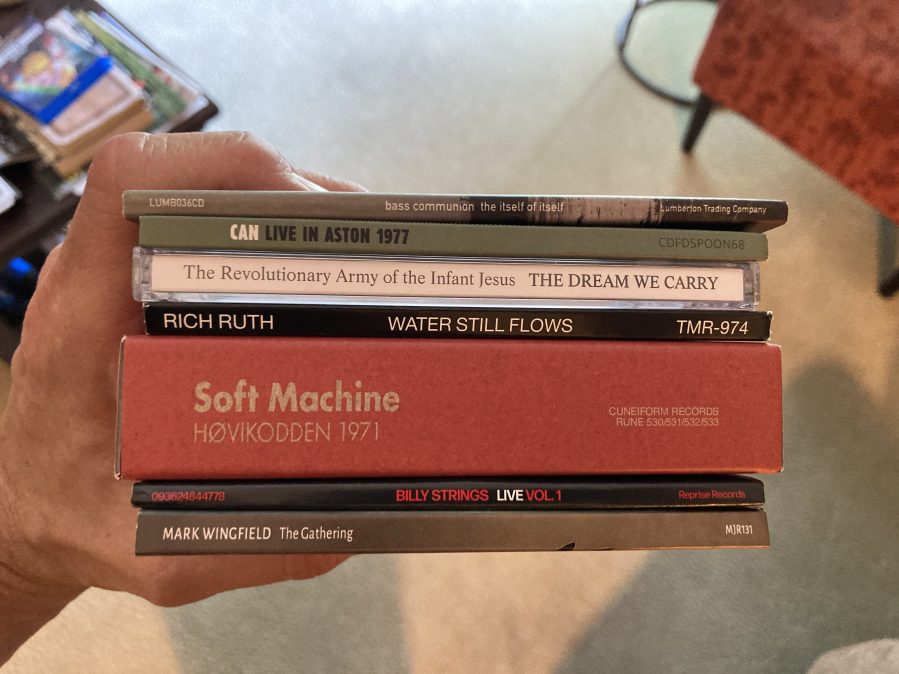
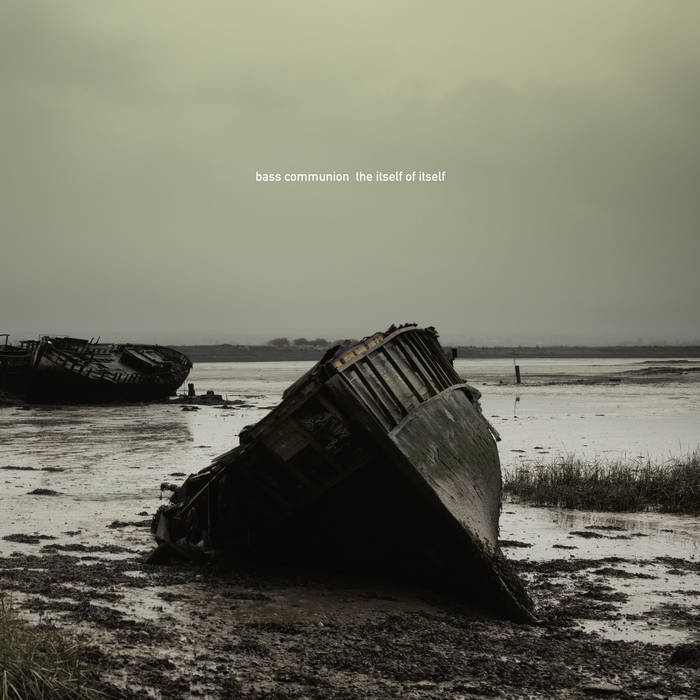
Bass Communion, The Itself of Itself: We can’t say Steven Wilson doesn’t warn us on the album sleeve: “audio artefacts and noise such as tape hiss, wow and flutter, vinyl crackle, distortion and earth hum are (probably) deliberate.” Delving into his longstanding experimental/electronic doom-drone persona, Wilson once again abandons melody and rhythm to slap down raw sonic textures and grind them together across extended time spans. The results range from arresting (the relentless build of horror-soundtrack opener “Unperson”, the uneasy, alarming stasis of the title piece) to utterly forgettable (when my dehumidifier kicked in during “Study for Tape Hiss and Other Artefacts”, I really thought it was part of the track). Am I finally sussing out (as some have theorized) Wilson’s extended con of the prog world? Getting a sneak peek of his 2025 solo album The Overview? Or hearing the latest from an artist who just does whatever he wants and doesn’t particularly care how possessive fans get about him? I’m a diehard Wilson fan, but when it comes to Bass Communion, your guess as to his motivation is probably as good as mine. (Order the CD from Burning Shed here.)

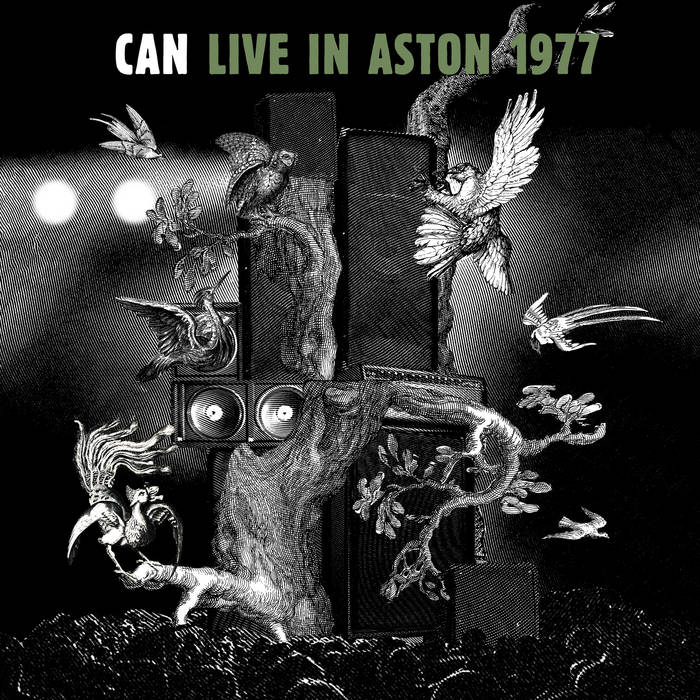
Can, Live in Aston 1977: Krautrock’s most thoroughly improvisational outfit got thoroughly funky in the late ’70s, courtesy of Rosko Gee, Jamaican bassist of no mean ability. With Gee powering the beat and previous bassist Holger Czukay dialing up snippets from shortwave radio and tape libraries, this version of Can is rhythmically tighter and tonally looser at the same time. That means Michael Karoli has more room to howl on guitar, Irmin Schmidt can conjure thicker clouds and launch edgier thunderbolts from his keyboards, and drummer Jaki Liebezeit can drill down into his unstoppable, drily metronomic groove. The clangorous solo section of “Drei” (enticing in its ambiguity – who’s playing this crazy thing that sounds like a bell choir in hyperdrive?) and the insistent, stonking, organ-led groove of “Vier” are high points. A solid addition to this fine archival series of vintage concerts.

The Revolutionary Army of the Infant Jesus, The Dream We Carry: RAIJ’s 2020 effort Songs of Yearning was my Top Favorite album of that strange year; I called it “a sacramental transmission from, then to, the heart of creation.” The Liverpool “experimental arthouse collective” has reduced its core personnel and pared back its weirdness ever so slightly, but their inviting mélange of reflection and insistence, sacred and profane persist. Jesse Main’s vocals and Eliza Carew’s cello gracefully arc over Paul Boyce and Leslie Hampson’s lush instrumental backing; on multi-track suites like “Les Fils des Etoiles” through “Object of Desire”, fragments of multilingual poems, songs and spoken word rise from nowhere, become incarnate, declare their tidings, then disappear into a wistful bed of chamber and orchestral tone color. Like RAIJ’s entire catalog, The Dream We Carry testifies to mystery tucked within the mundane, exemplified by album ender “The Song of Wandering Aengus”; it’s an eloquent yet elusive invitation to encounter the Spirit active at the heart of the fields we know.

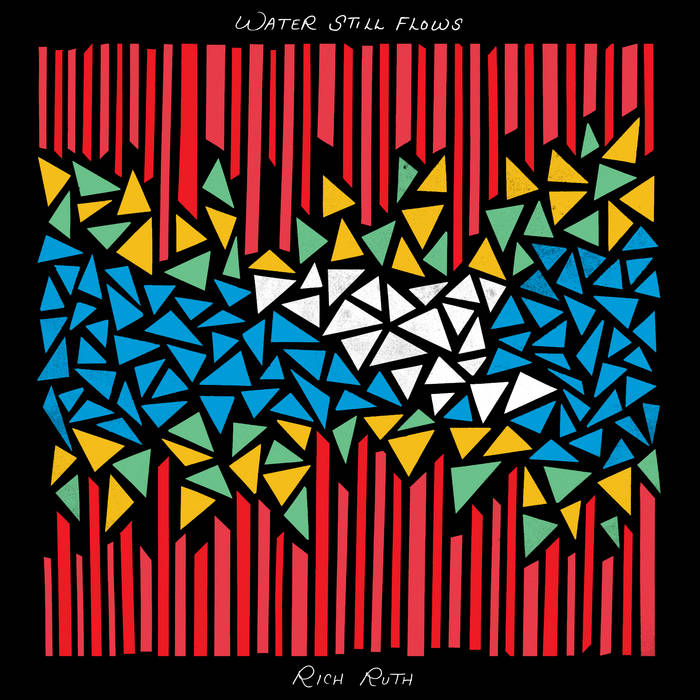
Rich Ruth, Water Still Flows: Reviewing 2022’s I Survived, It’s Over, my thumbnail sketch of Nashville guitarist Rich Ruth pointed to him as RAIJ’s American counterpart — but on the evidence of his latest, that assessment sells him short. For Water Still Flows, Ruth adds massive slabs of dark metal riffage to his already potent mix of cosmic ambience, celebratory spiritual jazz, and slow-crawling post-rock. Opener “Action at a Distance” feels like a heftier “Won’t Get Fooled Again”; marauding power chords choke off the luxuriant strings of “God Won’t Speak”; the blissful comedown of “Somewhere in Time” sticks a soft landing after the devastating climax of “Aspiring to the Sky”. With an eclectic ensemble of sax, harp, and pedal steel plus Ruth’s frenetic axework anchored by Reuben Gingrich’s crashing drums, this album is a mighty, impeccably shaped tone poem that once again journeys through pain and catastrophe to refreshment and renewal. (Order the LP or CD from Third Man Records here.)

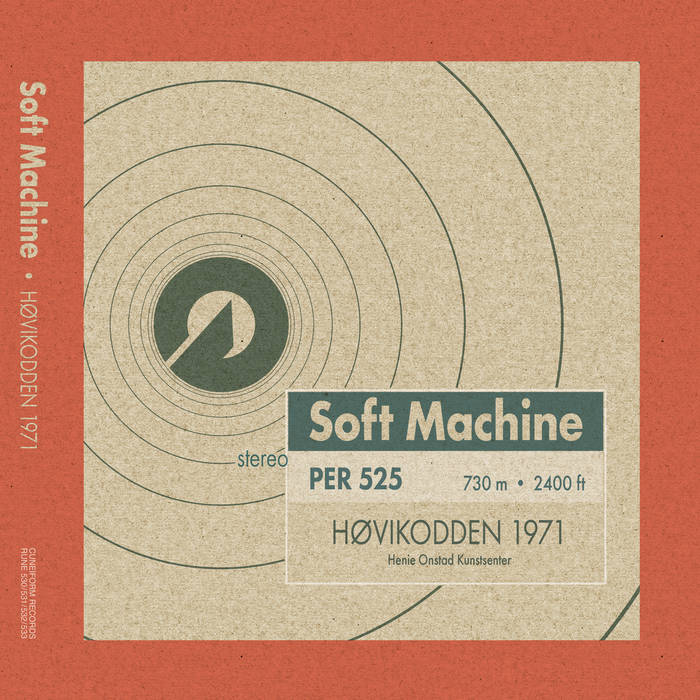
Soft Machine, H​ø​vikodden 1971: The seminal British jazz-rock band at its creative peak, recorded over two nights at a Norwegian arts center. At each show, Mike Ratledge’s inimitable fuzz organ takes command; multi-saxist Elton Dean lets loose with an unending stream of raucous Coltrane licks; Hugh Hopper’s bass swarms, clambers and climbs, refusing to stay on the low end; Robert Wyatt’s limber drumming seethes, weaving through the tonal murk at will. Sometimes locking together in breathtaking unison, sometimes scattering to widely separated corners, the Softs approach classic material like “Facelift”, “Fletcher’s Blend” and “Out-Bloody-Rageous” from vastly different perspectives at different shows; the first night is a anarchic fireworks display, gobsmacking in its sweep, while the second night channels the quartet’s energy into a thrilling, thrusting sense of unified drive (albeit with laid back interludes). There’s tons of live Soft Machine available, but this newly released box set is a genuine high point of their already formidable discography.

Billy Strings, Live Vol. 1: I’ve gotta admit, I’m late to the party here; before a recent sojourn in Nashville and a resulting reacquaintance with all things Americana, I had missed out on the mightiest musician to hail from Michigan in a long, long time. Strings is, without a doubt, the real deal: a virtuoso guitarist, a first-rate singer and a songwriter who’s already shown signs of true, durable greatness. On his first live release, he and his band turn gritty evocations of small-town vice (“Dust in a Baggie,” “Turmoil and Tinfoil”) and poetic contemplations of the bigger picture (“Long Forgotten Dream”, “Fire Line/Reuben’s Train”) into unabashed, dynamic bluegrass brilliance, stirring in proggy interplay and psychedelic seasoning, stretching out their jams for maximum tension and impact, but with nary a wasted note or a thoughtless lick. This is an absolutely smashing major label debut, a snapshot of a phenomenon in perpetual motion, the music grounded in Strings’ heart as well as his fearsome chops, and already on my Favorites list for this year. (Strings’ next studio album, Highway Prayers, has just been announced for a September 27 release.)

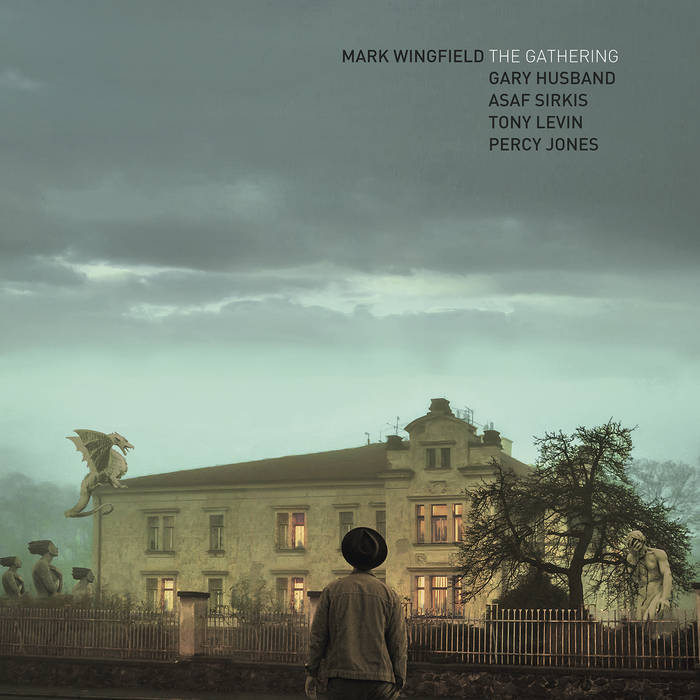
Mark Wingfield, The Gathering: Nightmarish complications severely curtailed MoonJune Records’ ability to sell this beauty on CD — which is a shame, because it may be British fusionist Wingfield’s most accomplished and focused effort to date. Languorous, enticing compositions like “Apparition in the Vaults”, “A Fleeting Glance” and “Cinnamon Bird” consistently take flight here: Wingfield’s guitar traces ecstatic melodic parabolas and sparse changes; Gary Husband colors the soundscape with juicy pads, inspired atmospheres and choice accents on piano and synth; Asaf Sirkis lays down a spacious, unshakeable polyrhythmic grid to propel things forward. What makes this even more of a killer session is the overdubbed bass contributions of King Crimson’s Tony Levin (focusing on active, rich-toned counterpoint) and Brand X’s Percy Jones (bubbling under with his unique tone and angular comping). It’s daring and delightful from start to finish, as an all-star lineup of truly great players work with total concentration and dedication, and make this sophisticated yet accessible music their own.

— Rick Krueger
Rick’s Quick Takes: Summer, Part Two

Unless otherwise noted, title links are typically to Bandcamp for streaming and purchasing, or to Spotify/YouTube for streaming with a additional purchase link following the review.

First off, the triple-disc elephant in the room: the Neal Morse Band’s An Evening of Innocence & Danger: Live in Hamburg. Morse, Eric Gillette, Bill Hubauer, Randy George and Mike Portnoy deliver exactly what the title says, plowing through the NMB’s most recent conceptual opus with the added excitement of rougher vocal edges and elongated opportunities for face-melting solos. Welcome deep cuts at the end of each set plus the heady mashup encore “The Great Similitude” heat things up nicely. The band’s delight in being back in front of a transatlantic audience comes through with (sorry not sorry) flying colors. Order from Radiant Records here.

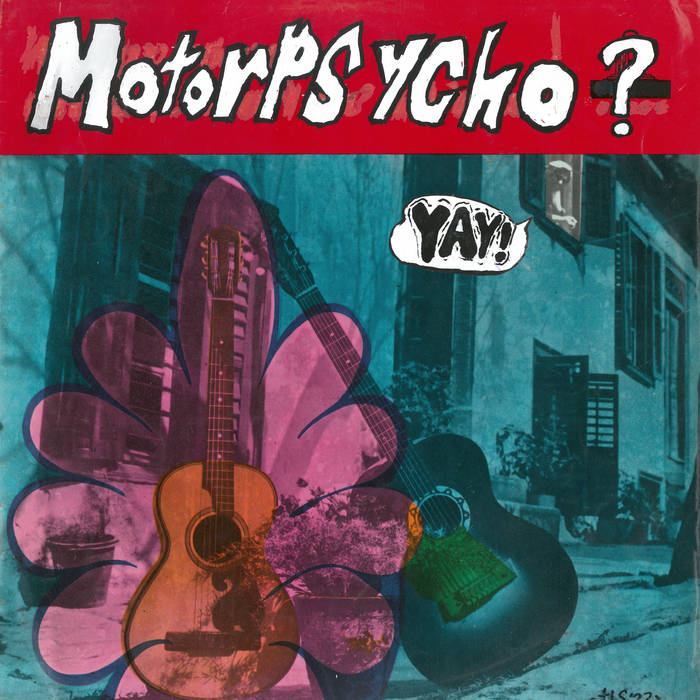
Motorpsycho, on the other hand, cools things down on their new, palindromically titled Yay! This time around, Bent Sæther, Magnus “Snah” Ryan and Tomas Järmyr back off the booming drones, steering into light acoustic textures and Laurel Canyon vocal harmonies for a fresh, intimate variation on their spiraling neopsychedelia. Even with titles like “Cold & Bored” and “Dank State (Jan ’21)”, the results are inviting and exhilarating. (And don’t worry — the band’s penchant for the long jam is alive and well on more expansive tracks like “Hotel Daedelus” and closer “The Rapture”) My favorite from this crew since 2017’s The Tower.

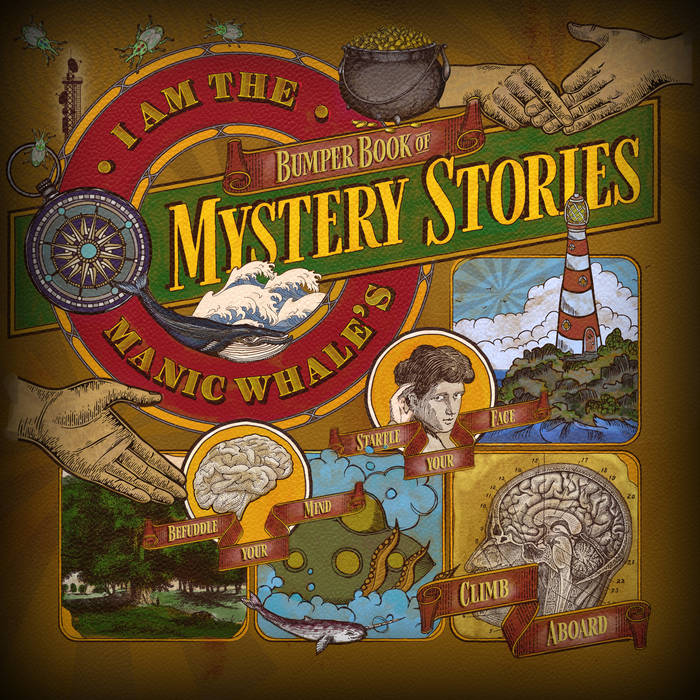
And, seconding Russell Clarke, I heartily recommend I Am the Manic Whale’s Bumper Book of Mystery Stories. Dialing down the snark of previous albums and turning up the atmospherics, it’s a thematically linked suite of veddy veddy British melodic prog vignettes engineered to thrill and disturb. Michael Whiteman and his jolly compatriots seem absolutely delighted to creep you out on “Ghost Train”, send your head spinning on “Erno’s Magic Cube”, and drag you into headlong adventure on land (“Secret Passage”), sea (“Nautilus”) and outer space (“We Interrupt This Broadcast . . .”). I felt like a kid again!

Meanwhile, Greta Van Fleet come slamming back with Starcatcher. With the polished studio sound of 2021’s The Battle of Garden’s Gate well and truly ditched, Frankenmuth, Michigan’s finest get down and dirty here, launching one ferocious rocker after another and mounting a stairway to . . . somewhere? on the trippy single “Meeting the Master.” Yeah, GVF still wear their influences on their capacious sleeves, and sometimes feel a bit inside the box for all the Kiszka brothers’ ecstatic caterwauling. But getting the Led out to Generation Z still strikes me as a worthwhile mission, and to see these young’uns keep the flame alight is all an aging rocker could ask for. Order from GVF’s webstore here.

Continue reading “Rick’s Quick Takes: Summer, Part Two”

Kruekutt’s 2022 Favorites

A few notes before I dive in: items I’ve reviewed here are linked to the relevant Progarchy article via the artist/album title; If I didn’t review an item here or elsewhere, it’s marked with an asterisk (*) — but I hope the capsule description and listening/order links will encourage you to check it out!

My favorite new music of 2022:

  • Dave Bainbridge, To The Far Away: A thrilling, ravishingly beautiful album about love, longing, hope and a future. Lyrics of rich simplicity cradled in a lush orchestral blend of rock, prog and Celtic folk. My interview with Bainbridge is here.
  • Big Big Train, Welcome to the Planet: what turned out to be BBT’s final effort with the late David Longdon consolidates the widened horizons of Grand Tour and the intimate subjects of Common Ground, casting an epic light on the everyday glory of family, community, joy and loss.
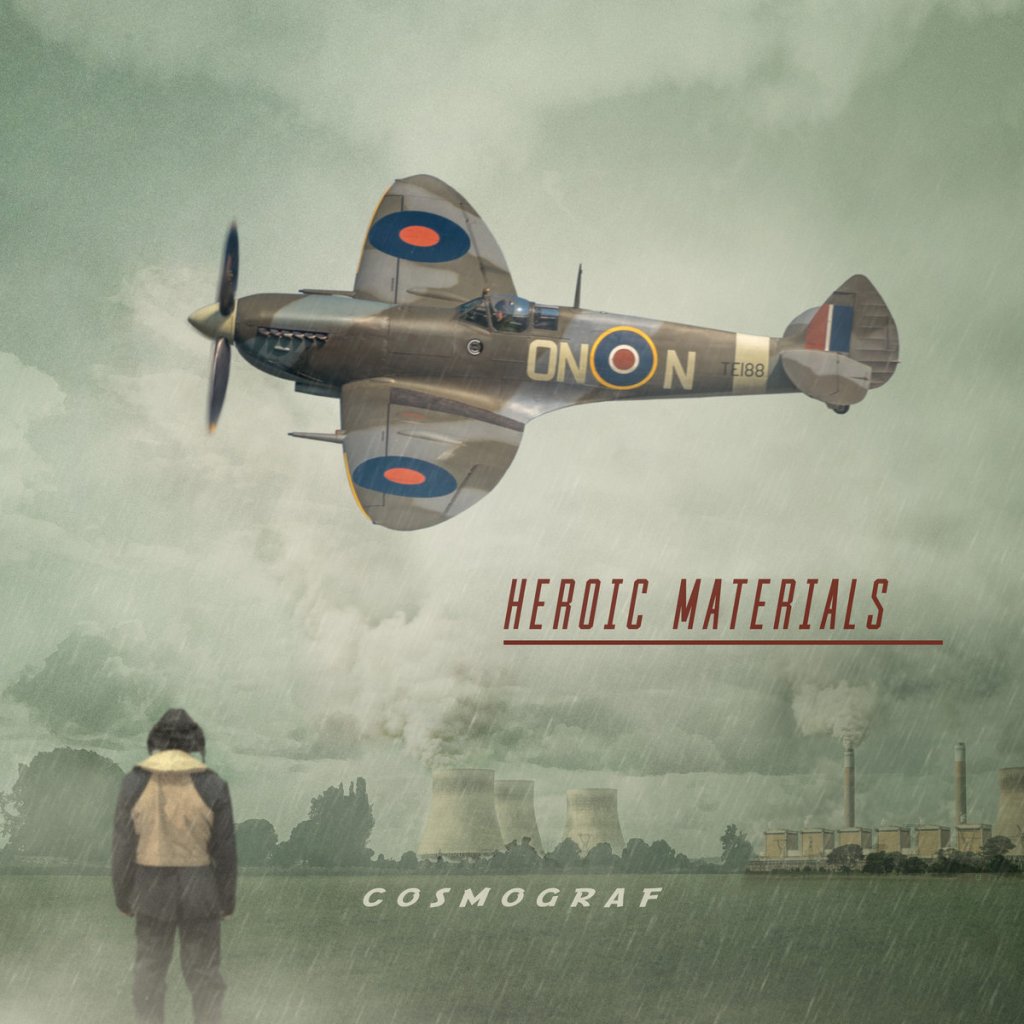
  • Cosmograf, Heroic Materials: Elegiac in its evocation of past achievements, urgent in its contemporary call to action, breathtaking in its poised blend of fragility and strength, Robin Armstrong’s latest is a riveting listen.
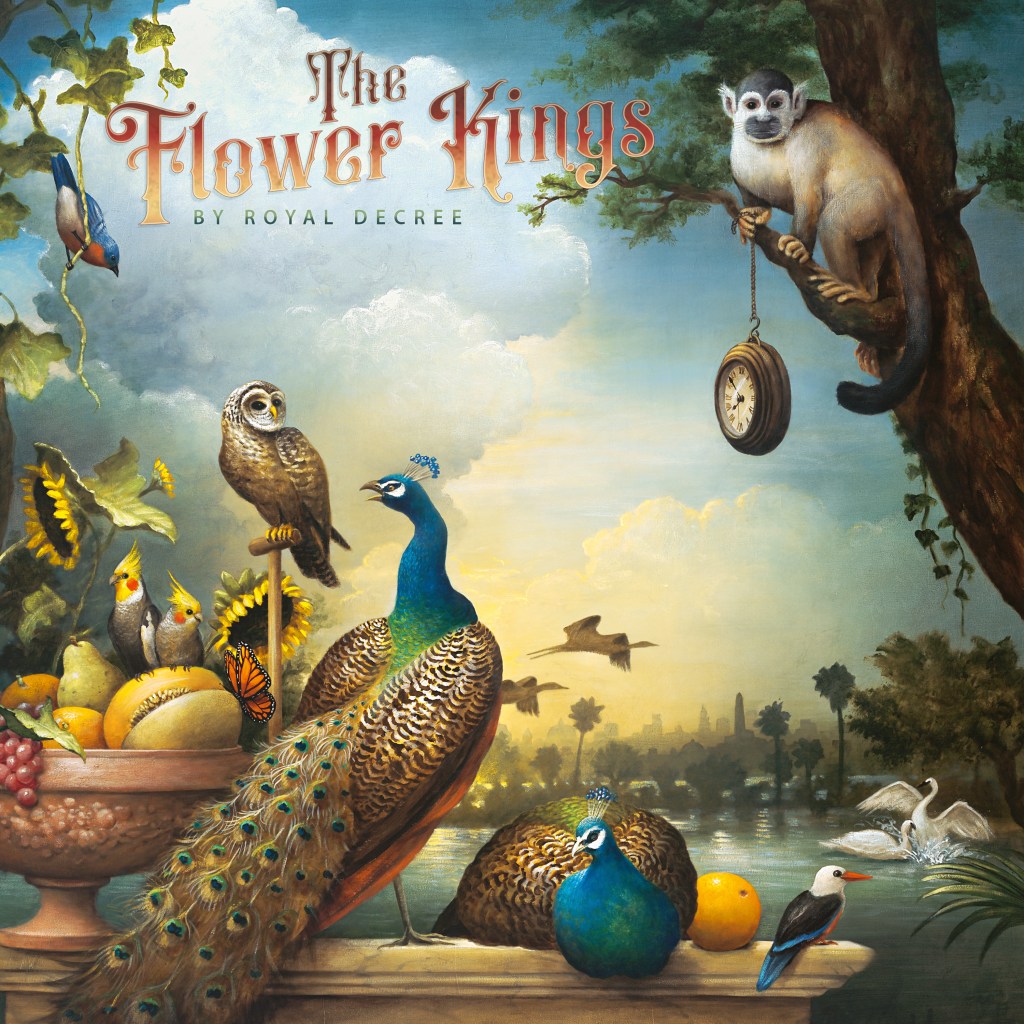
  • The Flower Kings, By Royal Decree: TFK’s third double album in a row, this is the sound of Roine Stolt and company refreshed and revisiting their optimistic roots, soaring on the wings of one marvelous melody after another. As much a joy to hear as it must have been to create.
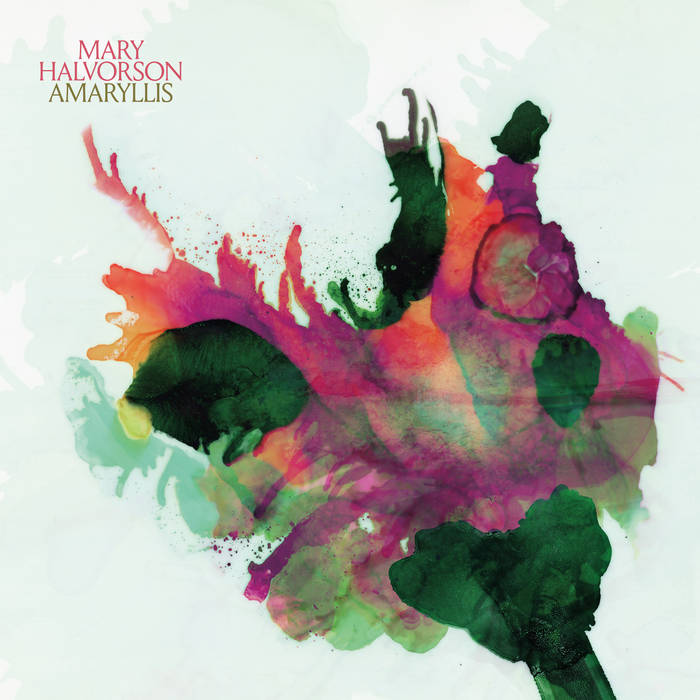
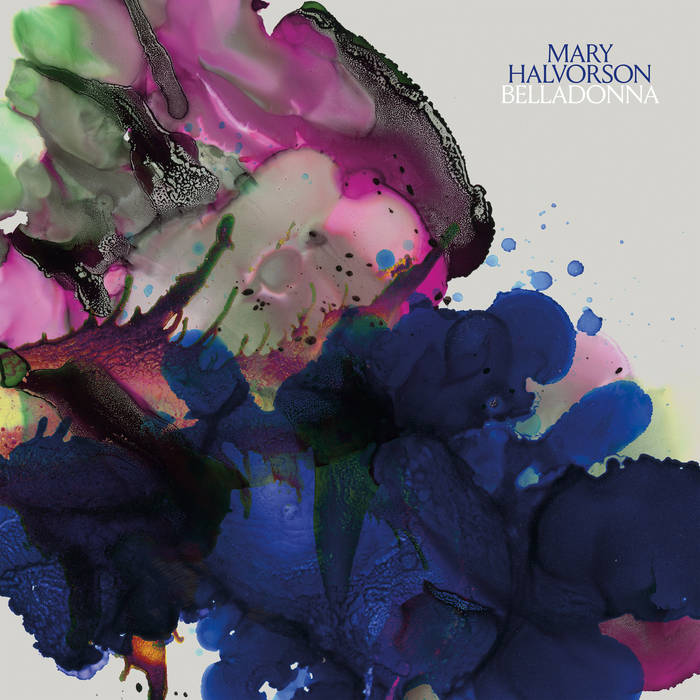
  • Mary Halvorson, Amaryllis & Belladonna: free jazz guitarist Halvorson hits a major label with two albums — teaming with a boisterously simpatico sextet on Amaryllis, then dancing atop and around modern classical textures from the Mivos Quartet on Belladonna. Audacious and engrossing, this music will open your ears real good!
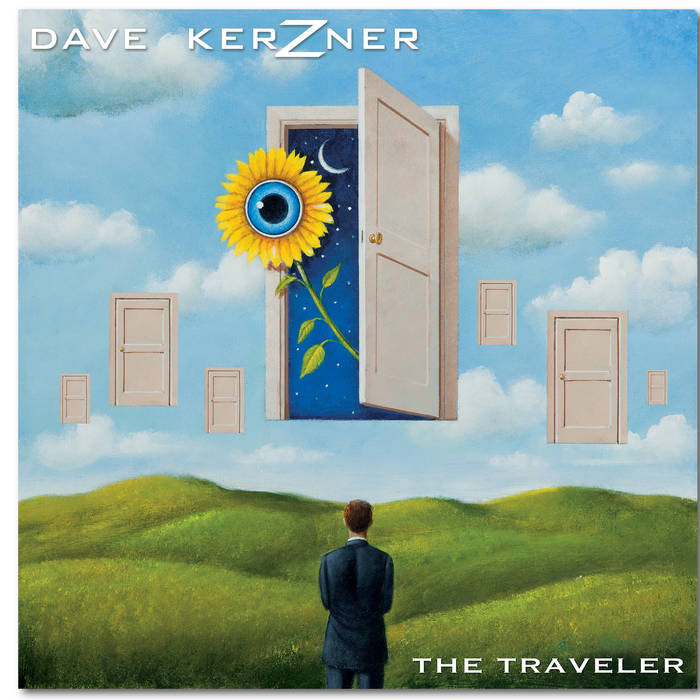
  • Dave Kerzner, The Traveller: confident, appealing songwriting with hooky yet sophisticated melodies and structures, Kerzner’s best, widest ranging vocals to date and perfectly judged contributions from a stellar guest list. Letting his new songs sell themselves and keeping proceedings to the point, he both satisfies us and leaves us wanting more. 
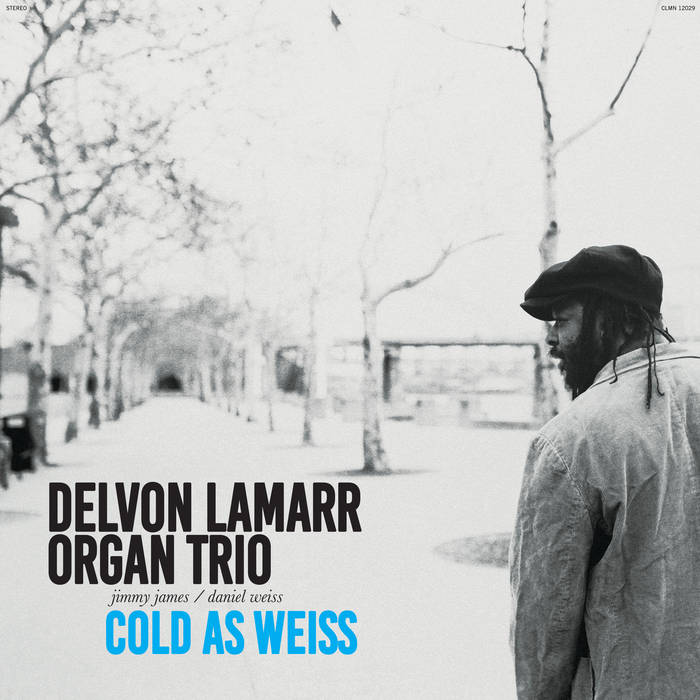
  • The Delvon Lamarr Organ Trio, Cold As Weiss: An immediately accessible reboot of a classic jazz trio format. Organist Lamarr, guitarist Jimmy James and drummer Daniel Weiss are thrilling players who never fail to make their instruments sing. Funky, catchy bite-size tracks with great individual playing and razor sharp ensemble. 
  • Marillion, An Hour Before It’s Dark: The front half of Los Marillos’ latest has more swagger than they’ve mustered in a while; the back half’s meditative downshift climaxes with the sweeping smashcut finale “Care,” as power chords and massed choirs climb heavenward. Unique as anything in their catalog, and another thoroughbred winner.
  • Pure Reason Revolution, Above Cirrus: this fifth album reveals PRR at their best, consistently upping their game to the next level. For every moment of blissful harmonies and glidepath atmospherics, there’s an equal and opposite moment of feral guitar/drum slammin’ — and when they layer the two together, look out! Well worth buckling up for the ride.
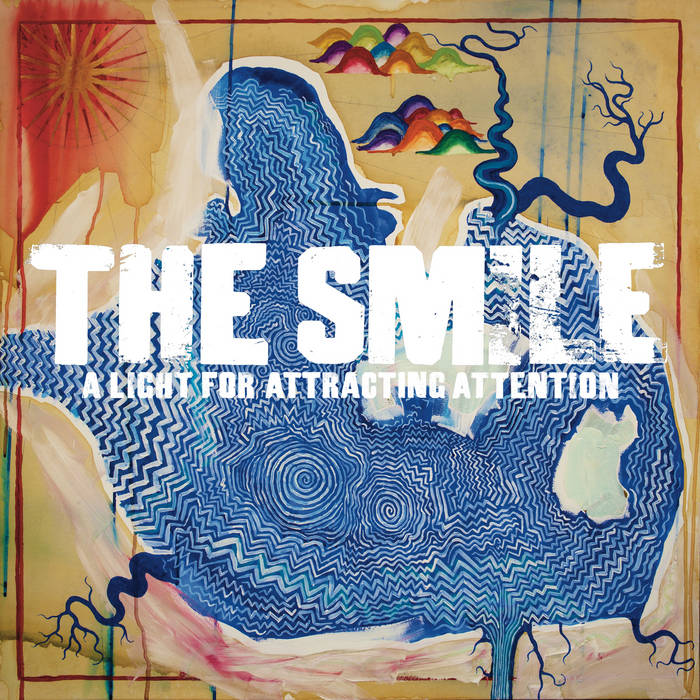
  • The Smile, A Light For Attracting Attention: A Radiohead side project worth your while. Thom Yorke overflows with apocalyptic dread; Jonny Greenwood’s off-kilter instrumental instincts are keener than ever; Tom Skinner’s skittering beats relentlessly drive the grim, lush soundscapes forward. Music for our contemporary dystopia, irresistibly sucking you in.
  • Tears For Fears, The Tipping Point: Roland Orzbaal & Curtis Smith’s catchy-as-always comeback goes for catharsis via unstoppable rhythms, unforgettable choruses and naked vulnerability on every single track, Devastatingly gorgeous, uncompromising art-pop that will haunt you long after every listen.
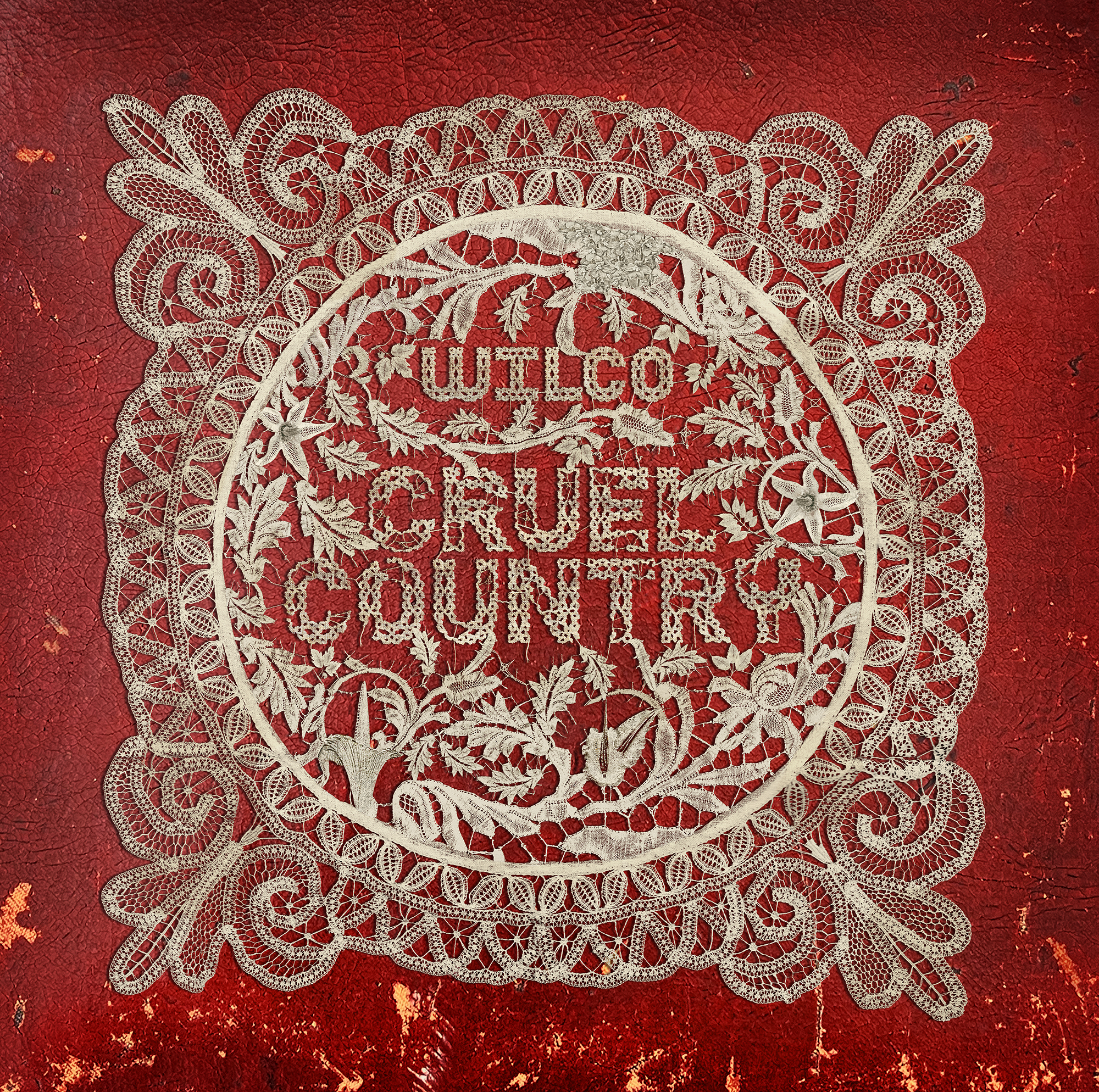
  • And my Top Favorite of the year — Wilco, Cruel Country. A double set that detours from Jeff Tweedy’s thoughtful dad-rock toward Nashville and Bakersfield, the tactile interplay of the band and Tweedy’s quizzical, empathetic probes of societal alienation elevate this to an album of genuine tenderness and subtlety, gathering strength and heart as it unrolls. After a digital-only release this year, it’s finally coming out on LP and CD January 20!

My favorite reissues of 2022:

  • The Beatles, Revolver Special Edition*: No Revolver, no Sergeant Pepper — no prog? Regardless of what ifs, the Fabs’ great leap forward of 1966 was brilliant in its own right, dragging pop headlong toward the avant-garde. Here it gets a subtle yet effective remix, with fascinating studio outtakes framing the cutting-edge results.
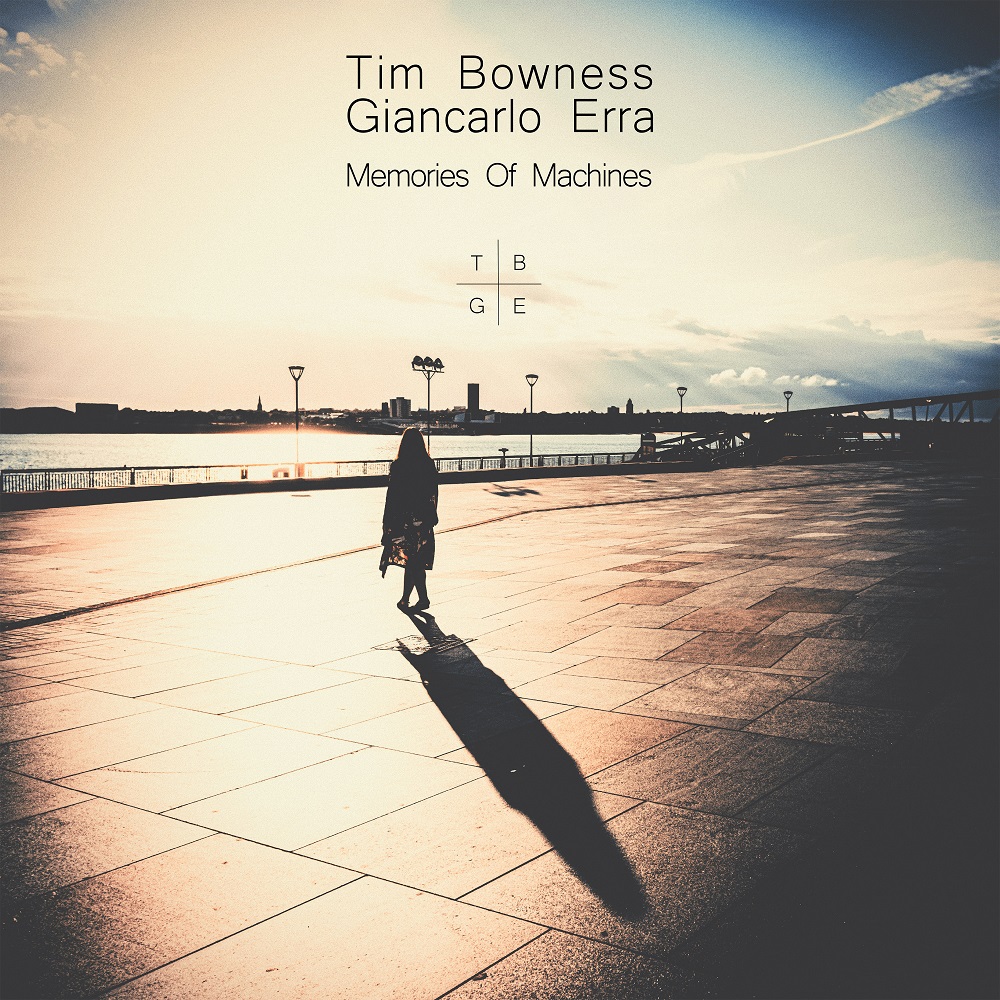
  • Tim Bowness & Giancarlo Erra, Memories of Machines: an irresistible mix of unflinchingly intimate art-rock and lowering ambient backdrops. Ten years on, original arrangements and track lengths are restored, Erra’s textural work is inched forward — and as always, Bowness breaks your heart with his ringing couplets and his stoic voice.
  • My Top Favorite Reissue of the year: Robert Fripp, Exposure/Exposures. The guitarist’s 1979 return to active duty after a post-King Crimson sabbatical, binding together a disparate set of songs and guest artists with his innovative ambient Frippertronics. Whether by itself or as part of a gargantuan box set that chronicles Fripp’s entire “Drive to 1981,” it’s a wild, worthwhile listen in and of itself, while providing distinctive previews of coming attractions.
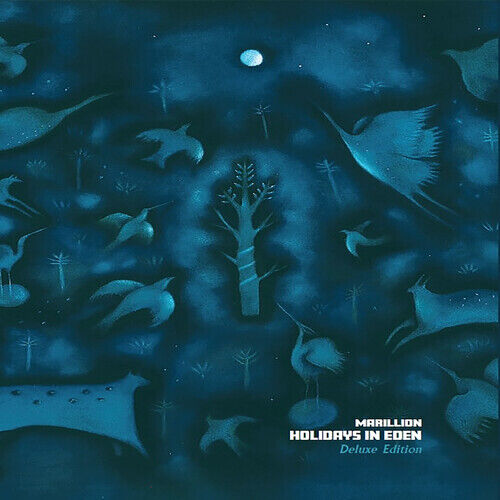
  • Marillion, Holidays in Eden Deluxe Edition*: my introduction to the band (I first saw them live on the US tour promoting the album), Holidays was partially a product of record company pressure for hit singles, but it also has plenty of Marillion’s trademark ambition, power and lyricism. A fresh remix complemented by exciting live shows on both audio and video.
  • Soft Machine, Bundles*: Add blazing young guitarist Allan Holdsworth to one of the pioneering British jazz-rock bands, stir in quirky compositions by keyboardists Karl Jenkins and Mike Ratledge, and stand by for fireworks! This fresh reissue also includes a hot live set featuring Holdsworth’s successor John Ethridge (still active with the Softs today).
  • Wilco, Yankee Hotel Foxtrot Super Deluxe Edition*: The album that put Wilco on the map (after they were dropped by their label), YHF mutated from Americana through dream-pop to electronica-tinged folk-rock as band members and producers came and went. Eight discs that copiously chronicle the recording process, plus blistering two live sets.

My favorite (re)discoveries of 2022:

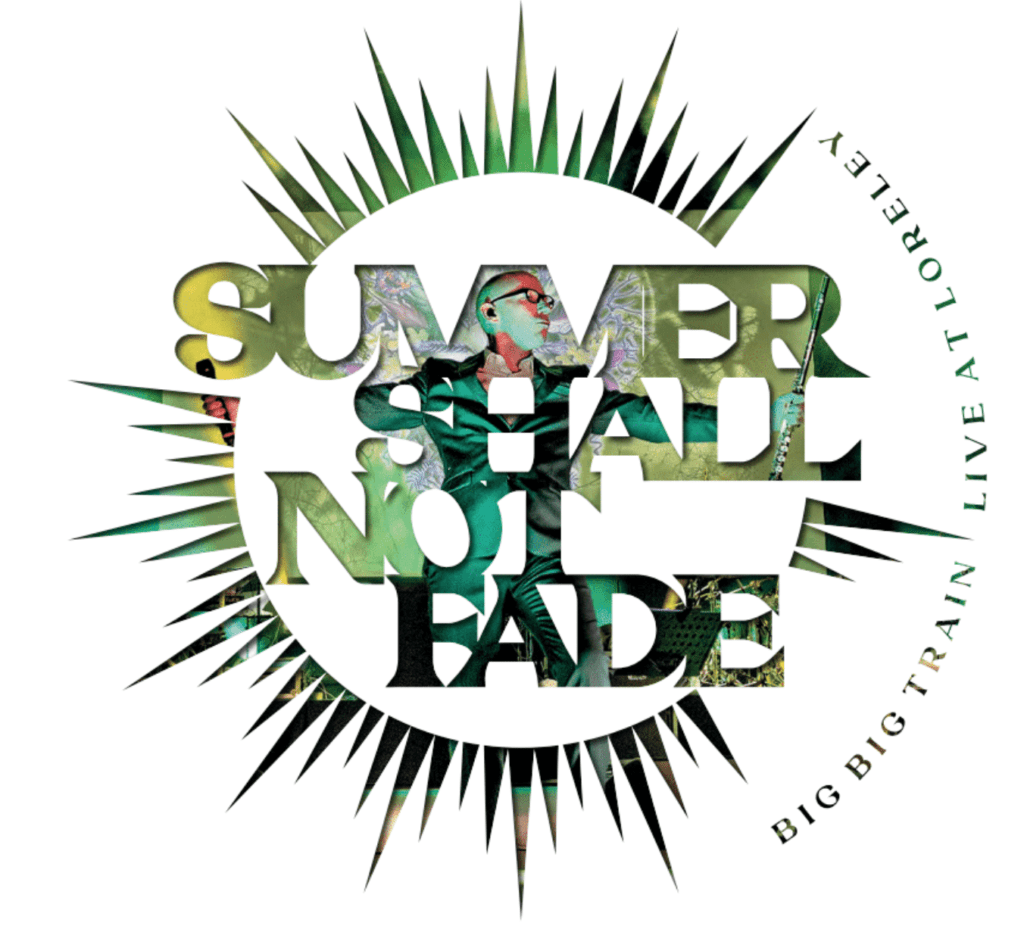
My favorite live album of 2022: Big Big Train, Summer Shall Not Fade*. Equal parts power and grace, BBT’s 2018 headlining gig at Germany’s Night of the Prog may be their best live release yet. Playing to their largest crowd ever, David Longdon commands the stage; Greg Spawton and Nick D’Virgilio provide a muscular foundation; Dave Gregory, Rikard Sjobom, Danny Manners and Rachel Hall serve up one delightful moment after another. Bryan Morey’s review nails it; this is indispensable.

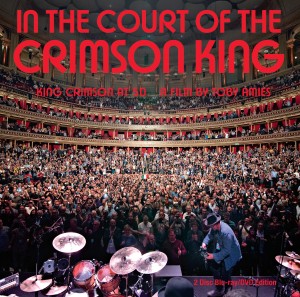
My favorite rock documentary of 2022: In The Court of the Crimson King: King Crimson at 50*. The most unconventional band of the last five decades gets the most unconventional documentary possible. Crims past and present weigh in on “living, dying, laughing, playing and rocking out”, with Robert Fripp providing the ever-present focal point in a particularly puckish fashion. There’s also a deluxe edition with live Crimson video (both in the studio and at 2019’s Rock in Rio festival) and four bonus CDs of soundtrack cuts, rarities, etc.

My favorite books about music of 2022:

  • Vashti Bunyan, Wayward: Just Another Life to Live. Singer-songwriter Bunyan’s unlikely late-60s odyssey from Swinging London to the Hebrides forms the heart of this evocative narrative. Laboriously traversing the heart of England, she gains understanding of the natural world, of human kindness and cruelty — and of her own sturdy inner core.
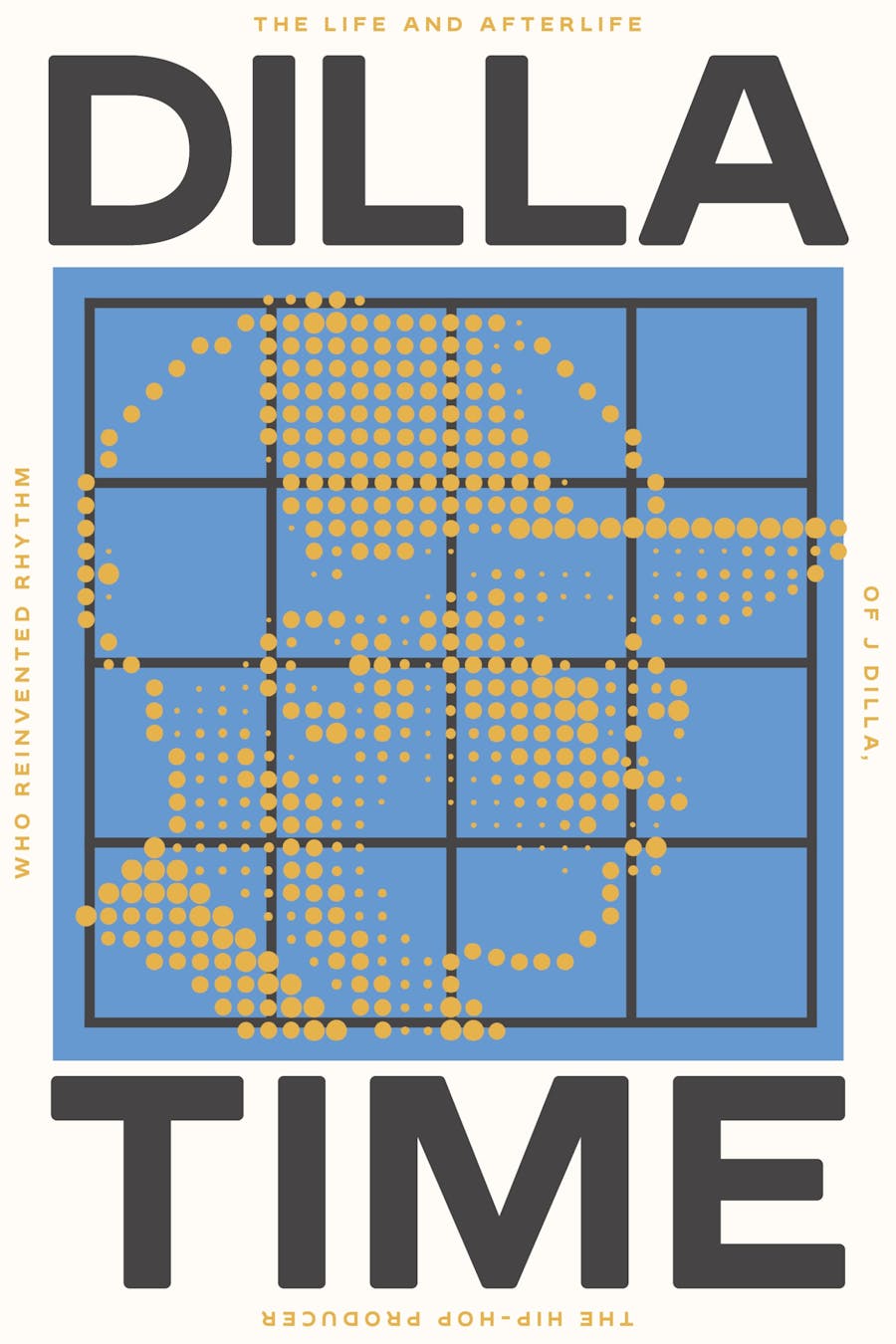
  • Dan Charnas (with musical analysis by Jeff Peretz), Dilla Time: The Life And Afterlife Of J Dilla, The Hip-Hop Producer Who Reinvented Rhythm*. In Charnas’ telling, Dilla emerges as an innovator who laid down new paths for neo-soul and conceptual hip-hop, via his subtle yet unsettling variations on previously straight-up rhythms. Peretz’s equally innovative graphic depictions of rhythmic innovations across the decades buttress the page-turning narrative.
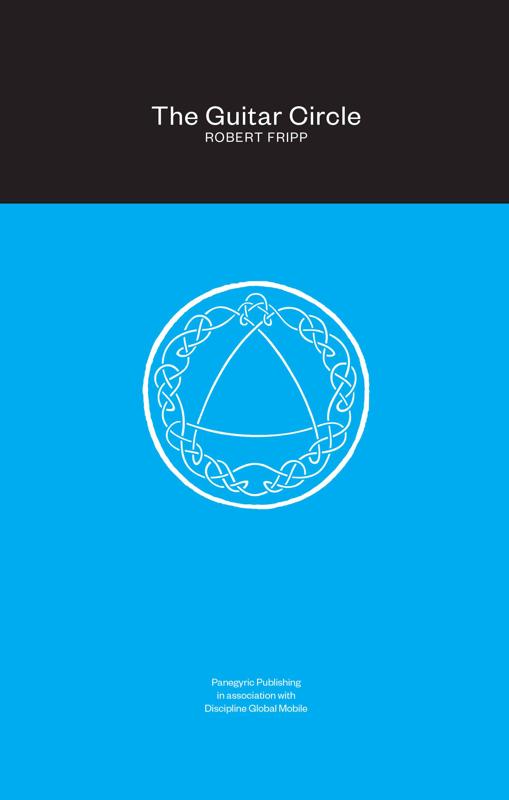
  • Robert Fripp, The Guitar Circle*. More a philosophical tome than a how-to book, though still remarkably practical, Fripp’s highly conceptual explanation of his process (as unfolded in Guitar Craft courses and Guitar Circles) won’t be for everyone. But those who dig in will grasp where this eternally questing musician is coming from better than ever before.
  • David Leaf, God Only Knows: The Story of Brian Wilson, The Beach Boys And The California Myth*. The third edition of Leaf’s lifework chronicles The Beach Boys’ journey from surf-rock through eccentric art-pop to the dead end of nostalgia, then sidesteps to Wilson’s solo comeback, culminating in the completion of his masterwork Smile. Not in the least objective, but comprehensive, even-handed toward the rest of The Beach Boys, and heartfelt.
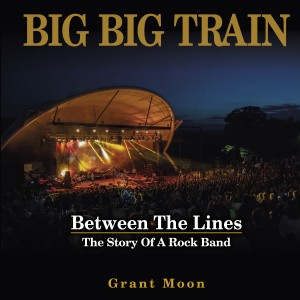
  • Grant Moon, Big Big Train – Between The Lines: The Story Of A Rock Band. How BBT became a prog powerhouse — through sheer bloody-mindedness, growth in craft and a keen ear for musical contributors — is the tale told in this richly detailed bio/coffee table tome. Both a celebration of the music made and an unflinching look at the price paid for a dream.

And in closing . . .

If you’re interested, check out these recordings I played or sang on that were released in 2022:

— Rick Krueger
The Best Prog Bands You’ve Never Heard Of (Part Fourteen): Circus

This Circus closed after a brief tour in 1969 – our loss, in my humble opinion. Formed by Mel Collins (of King Crimson fame) in the late ’60s, Circus produced only one eponymous album in their brief existence, but it’s a gem. Collins takes centerstage here on sax and flute, but fellow bandmates Ian Jelfs (vocals and guitar), Kirk Riddle (bass), and Chris Burrows (drums) more than hold their own.

The majority of the songs (five out of eight, to be exact) are covers – but dull and uninspired they are not. And the three original songs (all penned by Collins) would be worthy additions to an early Soft Machine or Giles, Giles, and Fripp album. Here are (more than) a few highlights:

Circus opens up with a cover of the Beatles’ classic “Norwegian Wood,” and it is one of the better interpretations of any Beatles song I have ever heard. Rather than relying on melodic vocals (although Jelfs does sound somewhat Beatle-esque in his singing), the band members allow their instruments to do most of the work for them. Collins is absolutely superb on the sax, and the middle of this lengthy cover includes some fun interplay between the drums and guitar.

“Pleasures of a Lifetime” – Collins’s first contribution to the album – opens with a gentle acoustic melody, but picks up the pace about halfway through thanks to Burrows’s deft handling of the sticks.

The cover of Henry Rollins’s “St. Thomas” is a great upbeat tune, featuring top notch work from Jelfs on guitar and Collins on flute.

“Goodnight John Morgan” is another original tune and, alas, an all too brief one. I suggest listening to this one as you sit at a smoky bar late at night with a scotch in your hand while the rain pelts the roof above you. Collins’s sax will put you into that kind of mood.

“II B. S.” (a cover of a Charlie Mingus classic) opens with a funky bass riff that doesn’t let up. Percussion anchors this tune, but Collins once again shines through on the saxophone.

The last two songs – a cover of The Mamas & the Papas’ “Monday Monday” and a cover of Tim Hardin’s “Don’t Make Promises” – feature masterful work on the flute courtesy of Collins.

Sadly, Circus couldn’t deliver the same quality of material for a second album, and they split up, Collins going on to replace Ian McDonald in King Crimson. But at least we can enjoy this hidden gem, which sounds as fresh and as lively as it did when it was released over fifty years ago. For those who enjoy jazz fusion mixed with a healthy dose of psychedelic rock, you will not want to miss this under-appreciated effort.

Stay tuned for number fifteen!

The Best Prog Bands You’ve Never Heard Of (Part Thirteen): Samurai

Originally known as Web, Samurai were another one of those unfortunate What if? bands that were lost in the shuffle of the early days of progressive rock.

Web released three albums in the late 1960s and early 1970s, including the well-received but commercially unsuccessful I Spider (which is on my list of future reviews). By 1971, however, band leader and keyboardist Dave Lawson (later of Greenslade fame) changed the name to Samurai, hoping, perhaps, that the change of name might result in a change of fortune. Alas, that was not to be. Yet we do have their sole eponymous album as a result of that name change, and it’s a true hidden gem. Samurai features the talents of Lawson on vocals and keyboards, Don Fay and Tony Roberts on winds, Lennie Wright and Kenny Beveridge on percussion, Tony Edwards on guitars, and John Eaton on bass. Part of the Canterbury/jazz-fusion movement of the early ’70s, Samurai relied on drums and woodwinds to drive their unique sound, although the keys and guitars are given their chances to shine. Here are a few of the highlights from the album:

“Saving It Up For So Long,” the first track, could have made a good single. It opens with a jazzy guitar riff and drum beat, making it as close to radio-friendly as a progressive band was likely to get. The saxes, courtesy of Fay and Roberts, are also a nice touch.

Edwards is given another chance to showcase his talents on the fifth track, “Give a Little Love.” His riff is both catchy and distorted, giving the song an early King Crimson feel (think Lizard-era).

Lawson, whose nimble fingers on the keys anchor the sound of every song on the album, really shines forth on the last and longest track, “As I Dried the Tears Away.” His Hammond organ solo in the middle is especially satisfying to the ear.

If you are the type of fellow who enjoys a daily or weekly pilgrimage to the Canterbury sound, in particular to Soft Machine (Robert Wyatt era in particular), early King Crimson, or Caravan, this album will be a pleasant surprise for your wandering ears. Even those less inclined to walk that path will nevertheless appreciate the top-notch musicianship of this solid but under-appreciated album.

Stay tuned for number fourteen!

New and Noteworthy on Bandcamp!

Nearly six months into the worldwide coronavirus epidemic, Bandcamp continues to be a lifeline for musicians.  Since March, fans have purchased more than $75 million worth of music and merchandise there  — including more than $20 million from four Bandcamp Fridays, when the website has waived its fees for artists and labels.  Last week, the announcement was made that Bandcamp Fridays will continue for the rest of 2020.

So (as your pocketbook permits), what’s worth your hard-earned cash on August 7, September 4, October 2, November 6, or December 4?  From my Bandcamp collection and wishlist, a few suggestions:

iatmw things unseenI Am the Manic Whale, Things Unseen:  I’m blown away by the energy, humor and sheer delight these young British proggers bring to their story-songs; this third album could be their best yet, with crystal clear production by Rob Aubrey.  There’s wickedly cheery satire in “Billionaire” and “Celebrity”, an atmospheric trip to Narnia in “The Deplorable Word” and unbounded joy at the gift of children in “Smile” and “Halcyon Days”.  Not to mention IAtMW’s very own train song, “Valenta Scream”, challenging Big Big Train with (in my opinion) the best lyrical simile of 2020: “Making it look so very easy/Eating up the distance like a cheese sandwich.”  Really.


mcstine minnemannMcStine and Minnemann: left-field, shreddy art-pop to get your adrenalin flowing. Randy McStine (guitars, vocals, other stuff) and Marco Minnemann (drums, vocals, other stuff) prove steady hands on the steering wheel for wild rides like “Your Offenses” and “Activate”, as well as the stark ballad “The Closer”.  Sure, the songs are short; they’re also stuffed to the gills with ethereal melodies and harmonies, woozily evocative lyrics, ear-grabbing riffs, impossible  drum fills, freaky collages of sound and radical mood shifts.  Don’t expect to focus on anything else while you’re listening to this — just hold on tight and have fun.


sancious eyes wide openDavid Sancious, Eyes Wide Open:  a charter member of Bruce Springsteen’s E Street Band, Sancious led the critically acclaimed trio Tone before tackling wingman duties for Peter Gabriel and Sting.  The focus of Eyes Wide Open (finished before lockdowns and protests swallowed news feeds whole) on today’s cultural unrest proves eerily prescient; the vocal tracks “Urban Psalm #3” and “If” and the instrumental “War in Heaven” are ambitious statements on universal human dignity that can lay claim to the moody, magnificent heights of Marvin Gaye’s What’s Going On.  Sancious sings on half the tracks and plays burning guitar and keys throughout, fusing jazz, rock and gospel into winning combinations, atop unbelievably funky drumming by Vinnie Colaiuta, Will Calhoun (Living Colour) and Michael Bland (Prince).  


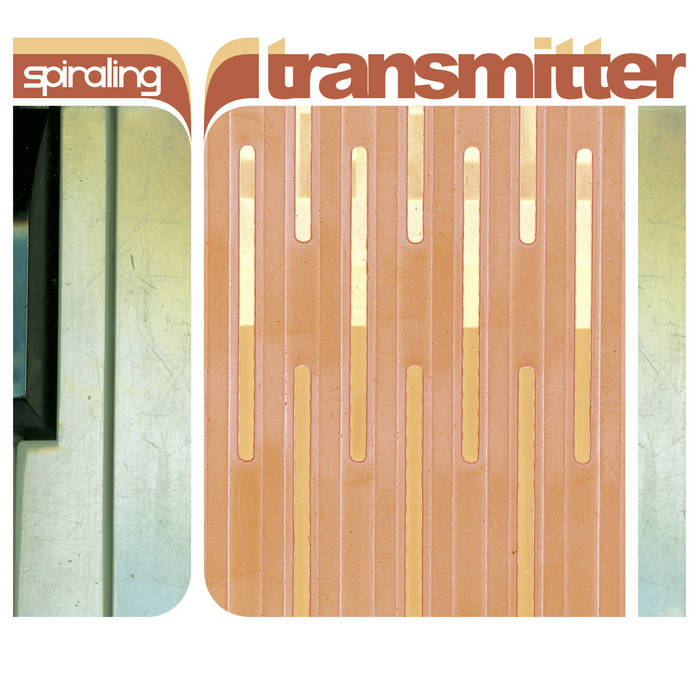
spiraling transmitterSpiraling, Transmitter:  Back in the early 2000s, Tom Brislin (now tearing up the keys in Kansas) led this obscure, wonderful power-pop band in between side gigs with Meat Loaf, Yes and Camel.   On this re-release from 2002, Brislin’s sardonic, appealing vocal delivery perfectly matches the bone-dry wit of “The Girl on Top (Of the Piano)”, “The L Word III” and “(Get Your Own) Holy Grail”.  And the music is built to match: irresistible hooks, propulsive rhythms and riffs that take unexpected detours, every sonic crevice crammed full of nifty synth riffs, effects and solos.  This is unbelievably catchy, unbelievably sharp stuff.   (Check out Brislin’s new, punky public service announcement too!)


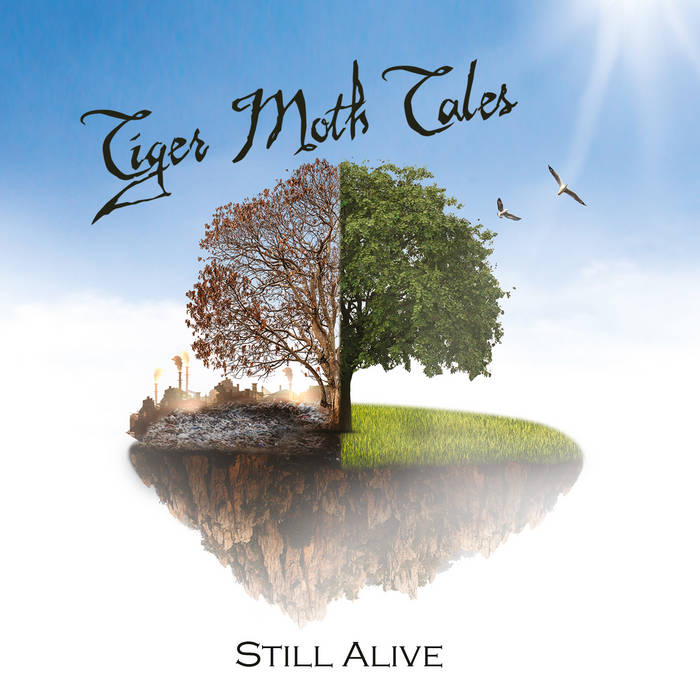
tmt still aliveTiger Moth Tales, Still Alive/A Visit to Rockfield:  This isn’t the Tiger Moth Tales album Peter Jones planned to release this year — but it’s definitely one that fits the moment.  His gift for melody and innate hopefulness gives these six new tracks (well, five plus a reprise) an effervescence and a glow that can warm the coldest heart.  There’s a beautiful, broad range of expression here, from the optimistic fortitude of the title track and the epic sweep of “The Mighty Fallen” to the rhythm box-laden goofiness of “Whistle Along.”   The bonus DVD features Jones and TMT in session at the legendary Rockfield Studios.  Enjoy this love letter to the world from deepest Nottinghamshire.


soft machine baked potatoMoonJune Records: Soft Machine’s Live at the Baked Potato is the latest release from global impresario Leonardo Pavkovic.  On this beauty, the Softs’ explorations are every bit as daring and delectable as when I heard them live in 2018.  Plus, there are plenty of other face-melting instrumental jazz/rock/avant/ethno albums coming soon from Stick Men, touch guitarist Markus Reuter, guitarist Mark Wingfield and a host of other international talents!  Watch for more news at the MoonJune Bandcamp page, or do what I did; subscribe and get everything MoonJune releases for a year!


— Rick Krueger
In Concert: Progtoberfest 4, Part 2

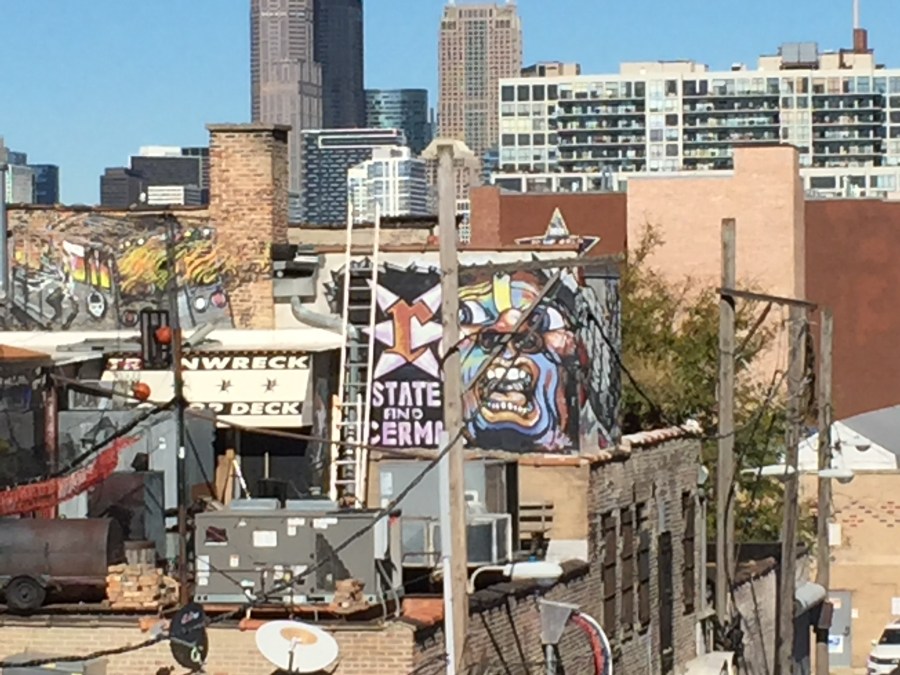
As I exited the CTA Green Line on a crisp, clear Chicago Sunday, Reggie’s Rock Club and Music Joint beckoned with the promise of Progtoberfest’s final day: twelve hours of sixteen bands on two stages. Constantly unfolding delight or endless endurance test? Only one way to find out.

(Notes for after the jump: links are provided to bands’ online presence — website, Facebook or Bandcamp pages — wherever possible.  An asterisk [*] by a band’s name means I bought one or more of their CDs at the event; A cross [+] means the band didn’t have CDs for sale — but their music is now on my want list.  Here we go …)

IMG_5867

Continue reading “In Concert: Progtoberfest 4, Part 2”

Soft Machine: Hidden Details

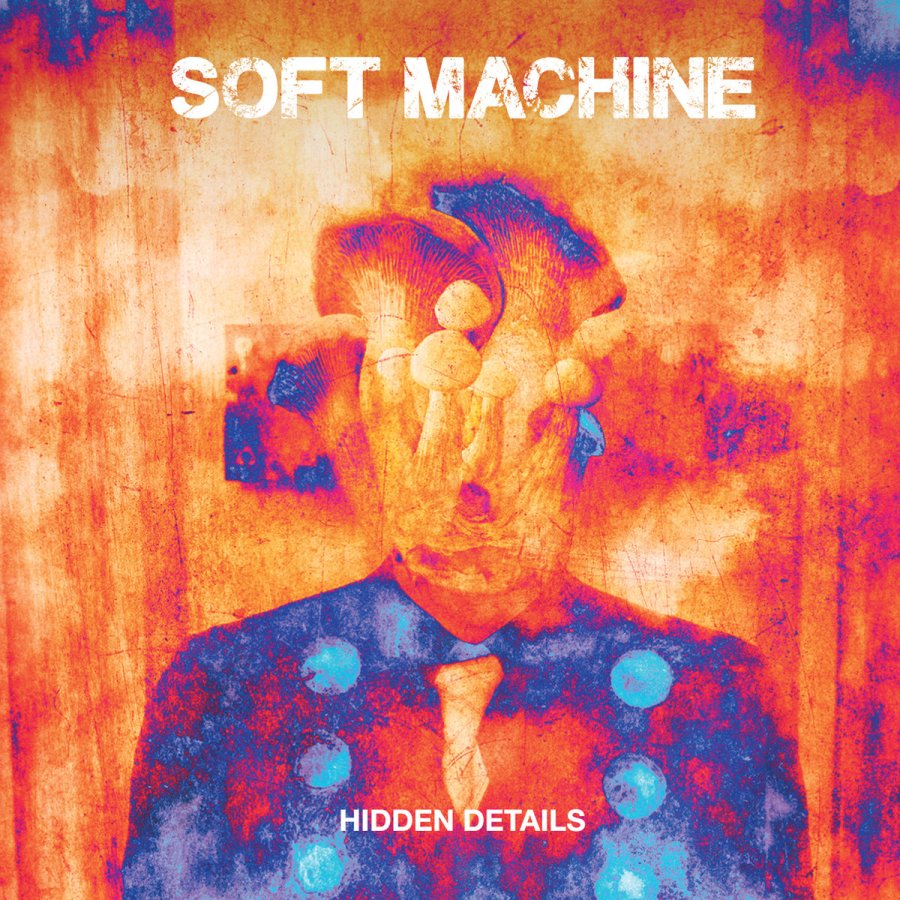
From its formation in the heady days of the 1960s to its final dissolution about 15 years later, Soft Machine rarely stayed in one place for long.  The British band’s journey through technicolor psychedelia, meaty jazz-rock and idiosyncratic jazz fusion (equal parts Mahavishnu Orchestra, Terry Riley and Jimmy Webb) took shape on the fly, in a blur of live gigs and album sessions — along with multiple personnel changes following founding drummer Robert Wyatt’s departure.  At the end, changes came so fast that the final album of the original discography, 1981’s Land of Cockayne, was Soft Machine in name only — effectively the first solo effort by composer/keyboardist Karl Jenkins, foreshadowing his eventual emergence as a classical crossover star (and a knight of the British Empire).

But starting in 2002, the persistence, dedication and improvisational spirit of MoonJune Records impresario Leonardo Pavkovic accomplished the extraordinary — bringing together Soft Machine alumni from across multiple incarnations, first as Soft Works, then in a long-running series of tours and albums as Soft Machine Legacy.  2015 brought about the resumption of the original band name, with the group consisting of 1970s Softs John Etheridge (guitar), Roy Babbington (bass) and John Marshall (drums), joined since 2006 by prolific saxist/flutist/keyboardist Theo Travis.  Hidden Details is their sterling new album, released to coincide with a worldwide 50th anniversary tour.  It’s an impressive addition to the Soft Machine canon; there’s fresh, exploratory depth throughout, coupled with the immediate appeal of fine players enjoying both each other’s company and the exquisite music they’re making.

soft machine band shot

The tracks on Hidden Details span a broad range of genre and style: there’s driving slowburn riff rock (Travis’ title track), thick chunky funk (Etheridge’s “One Glove”), even a sprightly pop groove with a psychedelic lilt (Travis’ “Fourteen Hour Dream,” complete with 1968 title reference).  True to previous Legacy efforts, the band revisits vintage Softs classics, too; Mike Ratledge’s “Out-Bloody-Rageous” from Third features exuberant soloing by Travis, one-man horn section licks from Etheridge and plenty of steam in the engine room courtesy of Babbington and Marshall.  Also present and correct: Ratledge’s “The Man Who Waved at Trains” from Bundles, updating original elements like Babbington’s hypnotic, cyclical bass and Travis’ reimagined take on Ratledge’s electric piano ‘cosmic tinkles’.

Even more exciting than the great tunes is the way the band works together throughout this album; tight but loose, the Softs listen to and play off each other in unexpected, delightful ways.  Travis is equally at ease trading thick piano stabs with snarling Etheridge guitar on “Broken Hill,” saxing it up over a stutterstep Babbington riff during “Ground Lift,” and weaving flute-based loops punctuated by Marshall for the closing duet “Breathe.”  Etheridge runs a gamut of sounds and styles as well, from the lyrical semi-acoustic arpeggios on “Heart Off Guard” and “Drifting White” to the full-on electrified power of “Flight of the Jett” and “Hidden Details” (complemented by Babbington’s nods to Hugh Hopper’s ground-shaking fuzz bass). And when the quartet builds music from silence — joining in one at a time on “Ground Lift” or engaging each other simultaneously on the epic free blow “Life on Bridges” — the results are extraordinary.

So the 2018 incarnation of Soft Machine has nothing to prove; for all with ears to hear, they bring their experience, confidence and musicality to bear on Hidden Details, and the results really are superb.  It’s a winning album, great material for these Softs to bring to North American and British audiences this fall — in the US, for the first time in more than forty years!  Check out the new album on Bandcamp for yourself, and don’t hesitate to catch them live.

— Rick Krueger


Soft Machine: The Jazz-Rock Years

Continuing the saga of Soft Machine, who’ve already kicked off a 50th anniversary world tour (coming to North America this fall), and whose new album Hidden Details can be ordered at Bandcamp.  Click here for Part One of this series, covering the band’s psychedelic years of 1966-69.

When last we left our heroes, quoting their website,

The base trio [of Mike Ratledge on organ, Hugh Hopper on bass and Robert Wyatt on drums and vocals] was, later in 1969, expanded to a septet with the addition of four horn players, though only saxophonist Elton Dean remained beyond a few months …
Cuneiform’s archive release Noisette reveals Soft Machine shaping a new sound onstage.  Recorded live at Croydon in January 1970, this quintet set is dominated by Dean’s and saxophonist/flutist Lyn Dobson’s uninhibited blowing.  The psychedelic song suites have nearly vanished; Wyatt only sings on “Hibou, Anemone and Bear,” where he’s given a completely solo moment, and material from the first two albums is exiled to the end of the show.

With Dobson out, the remaining quartet pulled together live recordings, studio inserts and tape experimentation to produce the four suites (one per side) on 1970’s double album Third — their first for Columbia Records.   Hopper’s “Facelift” and Ratledge’s “Out-Bloody-Rageous” sandwich upbeat jazz workouts (asymmetric rhythms, harmonized sax sections, fired-up, skittery solos from Ratledge, Dean and guests) between Wyatt-less intros and codas — avant-garde improvs, classical fanfares, minimalist cycling keyboard riffs.  Wyatt’s vulnerable, stream of consciousness epic “Moon in June” was the only vocal piece — and he played most of it (drums and keys) himself, with Ratledge and Hopper tacked on for the playout.  Ratledge’s “Slightly All the Time” is the most integrated piece here, with the core group and guests swinging over appealing grooves and ratcheting up the excitement via Ratledge and Dean’s solo work.

Rough-edged it may have been, but Third was perfectly timed; with Miles Davis’ Bitches Brew pulling jazz toward rock, Soft Machine was heading for the same destination from the opposite direction.  The album gained attention, kudos and sales across Europe and the US, and the Softs became the first band to play at the Royal Albert Hall’s classical Promenade Concerts.

Continue reading “Soft Machine: The Jazz-Rock Years”