My Proggy Vacation

How does a two-week vacation circling the Great Lakes wind up being this . . . proggy?

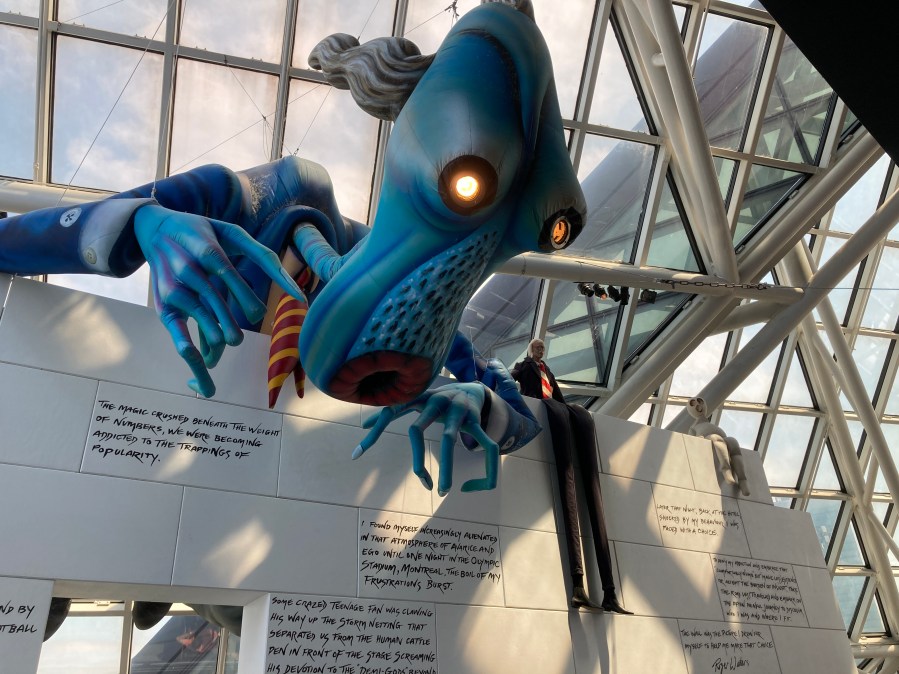
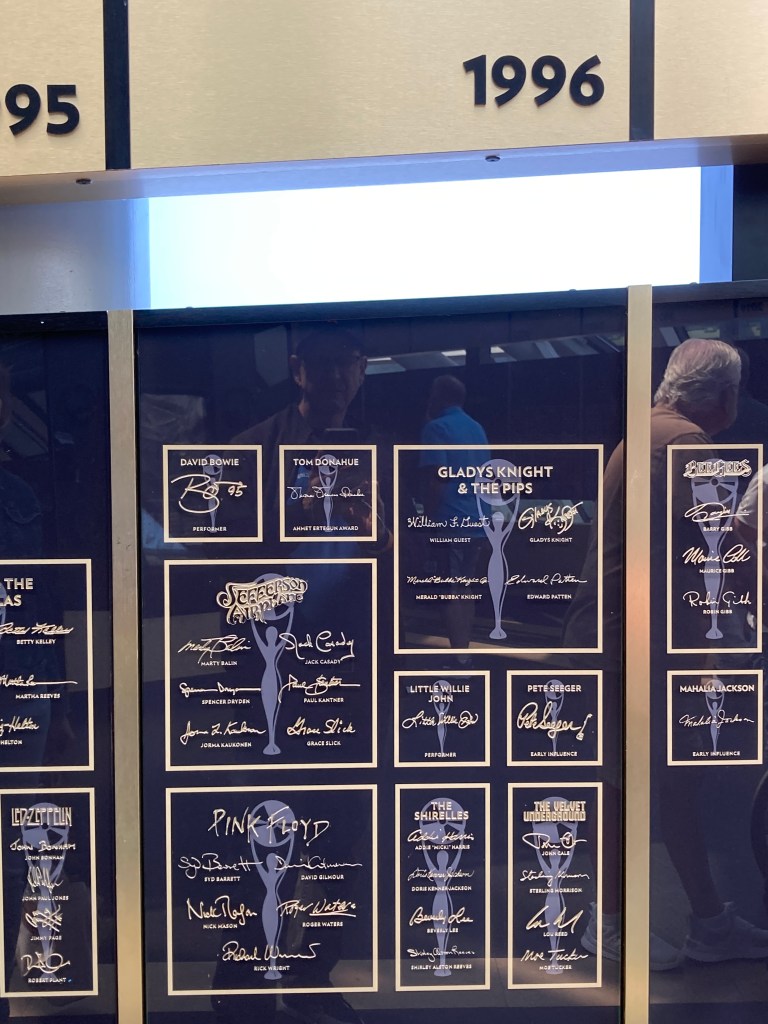
Well, starting out with a few days in Cleveland made a visit to The Rock and Roll Hall of Fame inevitable; it’s been almost thirty years since I set foot in its controversial precincts. (In fact, I’d argue that any hall of fame, no matter its subject, is about controversy — who’s in, who’s not, who should and shouldn’t be there. On such foundations are sports talk radio and the seething hatred of prog fans for Rolling Stone magazine built.) Has the R&RHoF improved in welcoming progressive rock since its fledgling days in 1997, when gigantic props from Roger Waters’ version of The Wall glowering from the top of its atrium (see above) were about the only evidence prog was even on its radar?

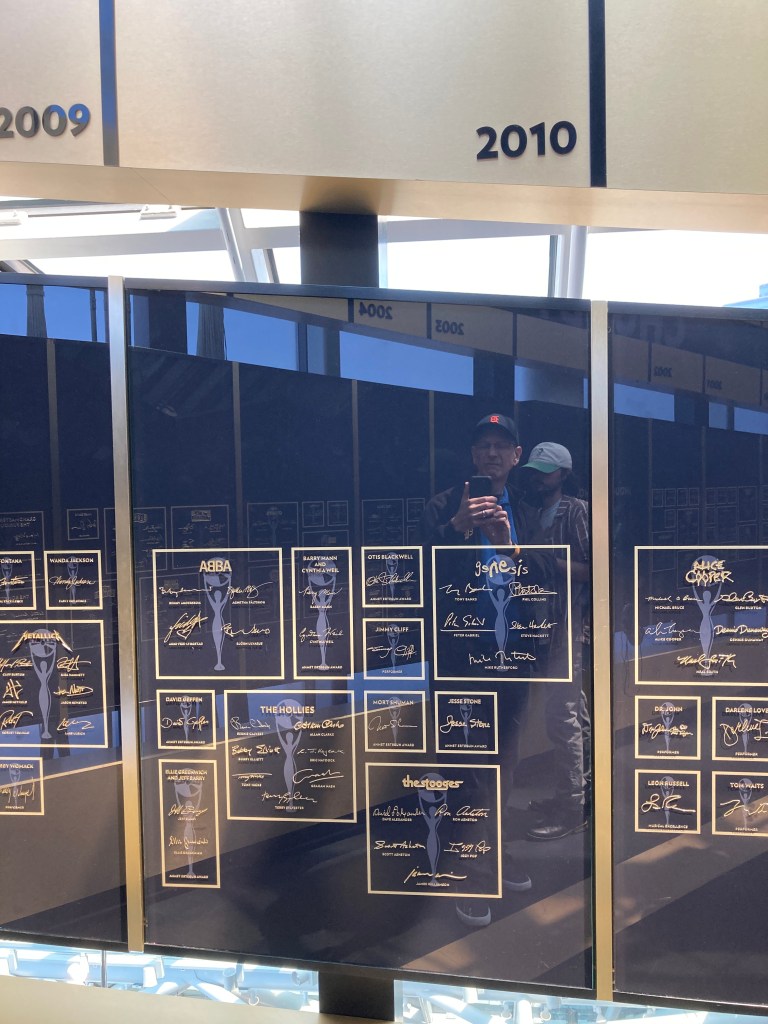
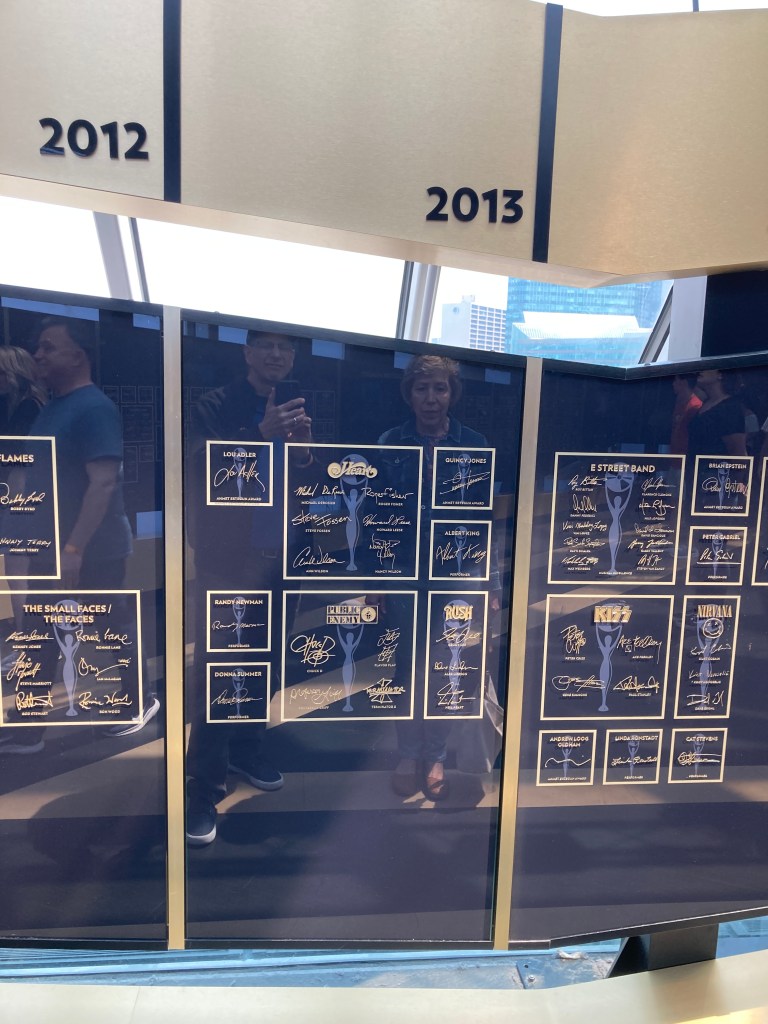
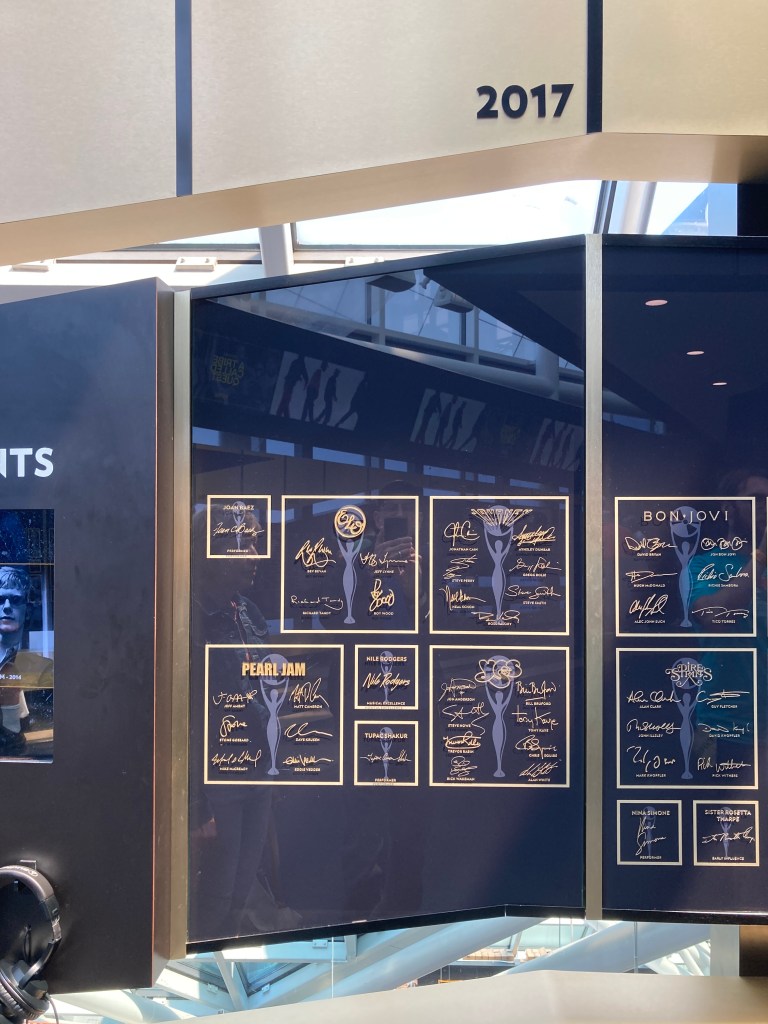
Honestly, omissions are still painfully plentiful; the otherwise comprehensive rock history displays on the first two floors blank out prog entirely, hopping from psychedelia and singer-songwriters to punk with only the barest nod to heavy metal. On the other hand, there has been movement in the last 30 years, with three of Britprog’s Big Six — Pink Floyd (1996), Genesis (2010) and Yes (2017) — plus Rush (2013) inducted into the Hall proper, currently housed on the third floor.

(By the way, you can watch highlights from any artist’s HoF induction on video displays stationed in the Hall. Of course I dialed up that marvelously manic night when Rush was honored — the highlight reel included a full minute of Alex Lifeson’s inspired “Blah blah blah” speech.)

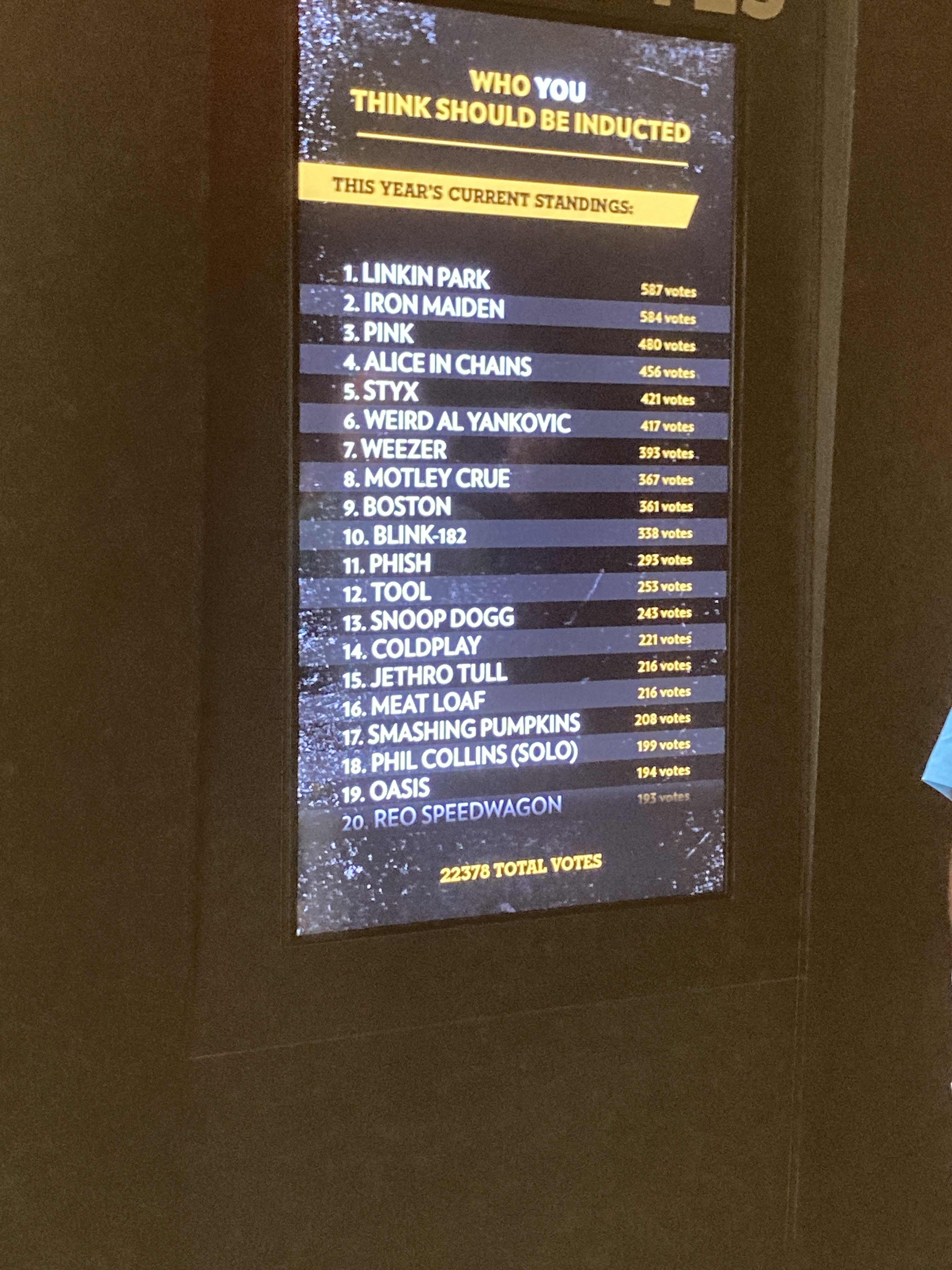
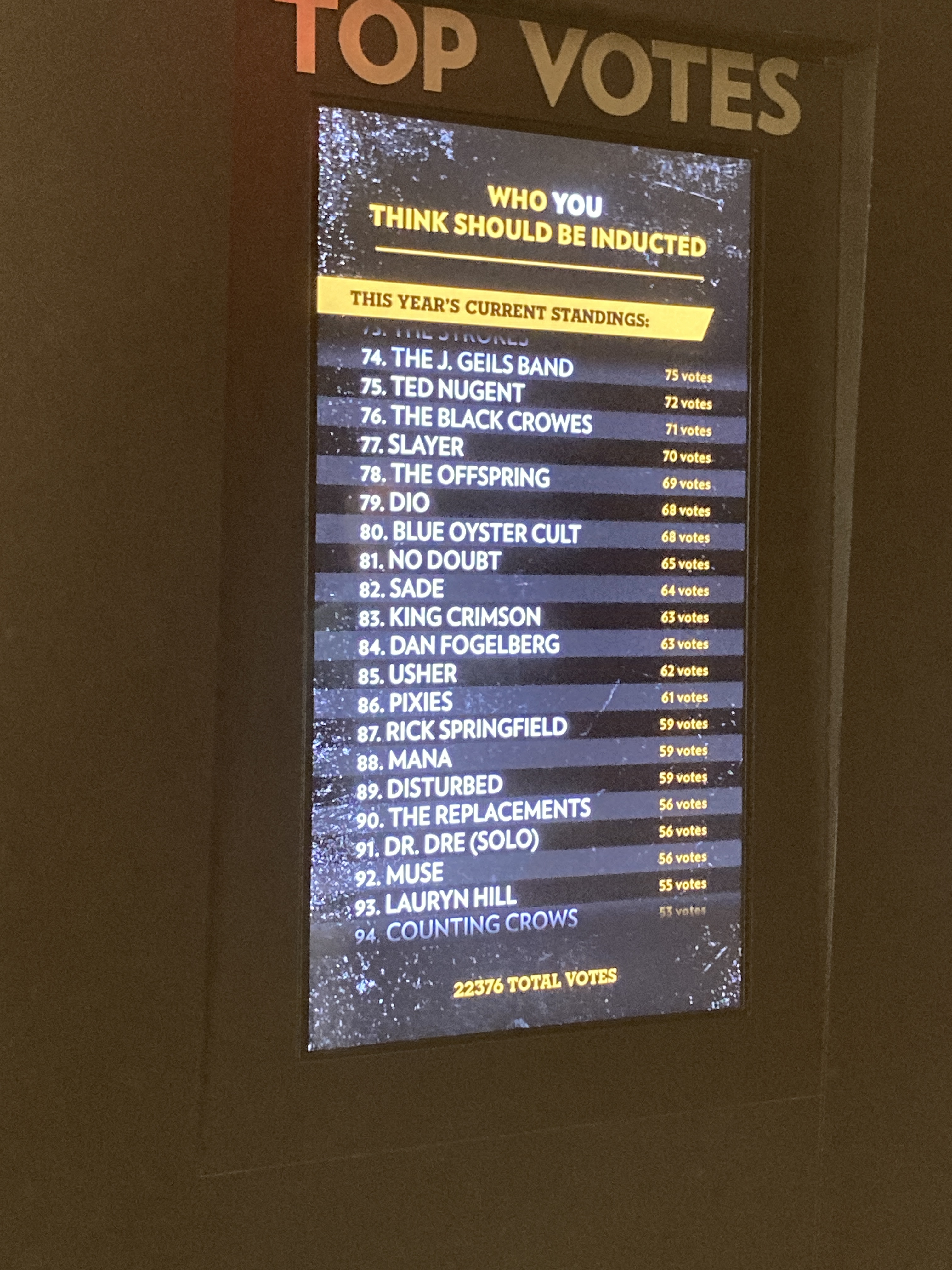
And, doubtless more to harvest email addresses than anything else, you can also vote on who you think should be in the Hall on adjacent video screens. Having done my civic duty by casting a vote for King Crimson, it was heartening to see them at #83 in the Top 100 of this year’s fan poll, though in a lower position than Styx (#5, just in front of Weird Al Yankovic), Tool (#12), Jethro Tull (#15), and Kansas (#35, not pictured). (And sad to say, Emerson Lake & Palmer were nowhere in sight.)

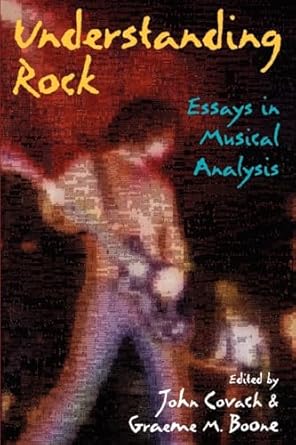
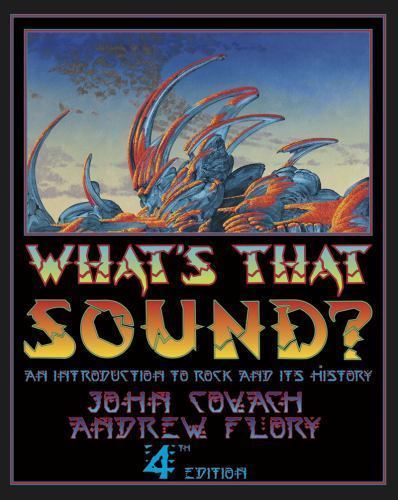
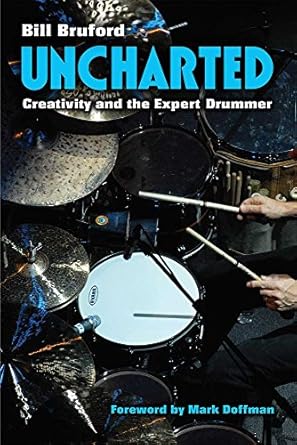
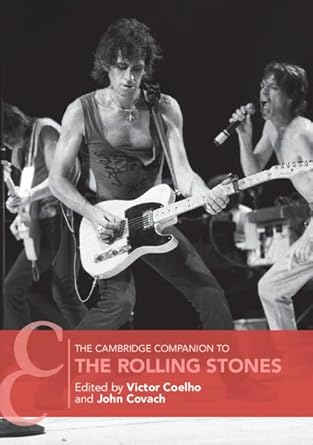
Then it was on to upstate New York, where I spent a delightful hour over coffee with noted music theory scholar and killer guitarist (and acquaintance from my grad school days) John Covach. One of the vanguard academics who pioneered rigorous analytical study of rock in general and prog in particular, John overflowed with good vibes as he waxed eloquent on the delights and challenges of shepherding books like Understanding Rock, What’s That Sound? and The Cambridge Companion to the Rolling Stones through the university press publication process; setting up a lecture tour of U.S. music schools for legendary drummer Bill Bruford (fresh from gaining his own Ph.D at the time); and getting gigs in a Yes tribute band when the post-Anderson version of the group still toured North America every summer! It was a blast to reconnect with John, who in addition to teaching and researching at the Eastman School of Music, is hard at work editing The Cambridge Companion to Progressive Rock (still in pre-publication, hopefully to be officially announced in 2026).

From there, it was a short border hop to an overnight stay in St. Catherine’s, Ontario — in a subdivision:

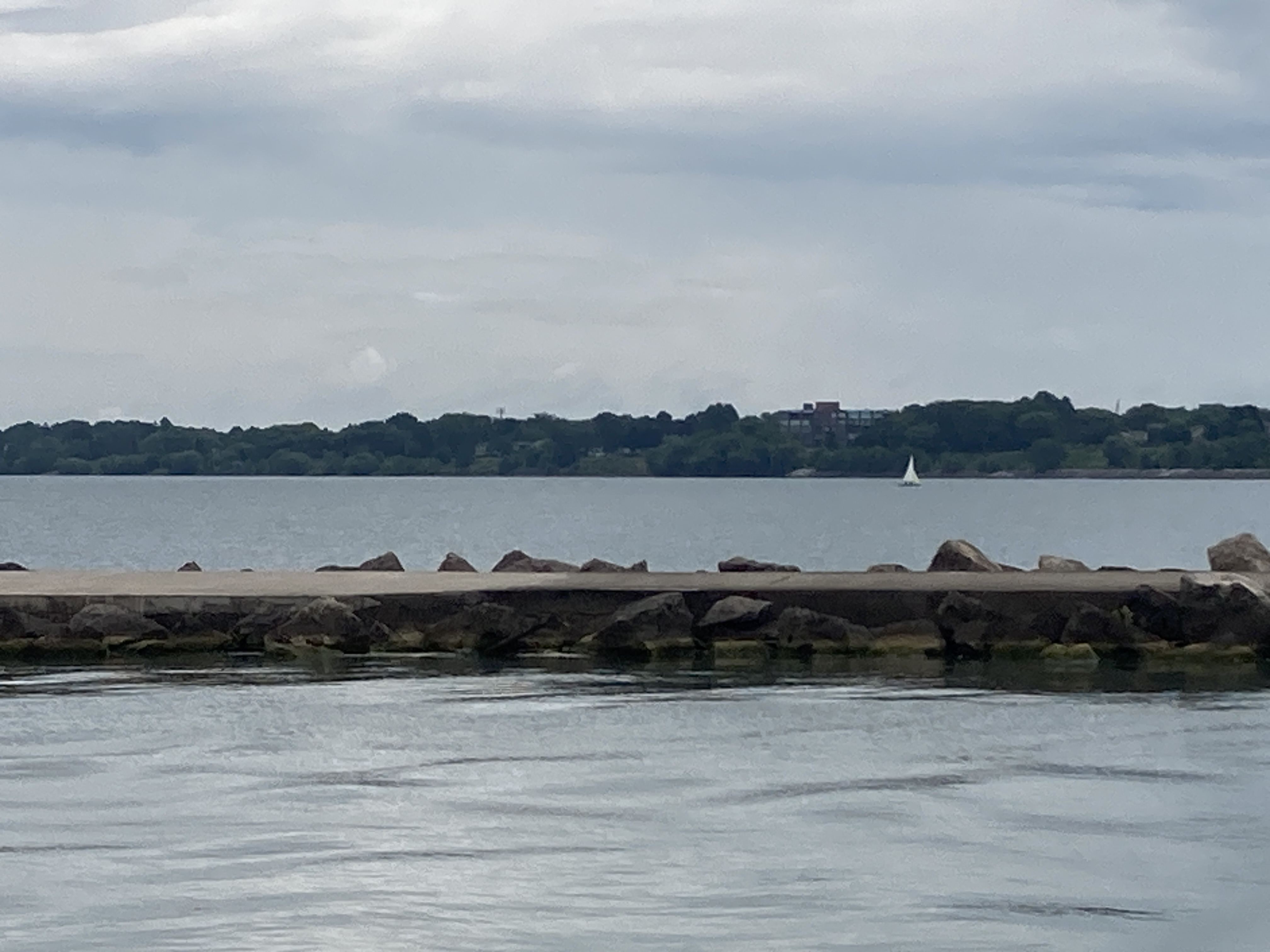
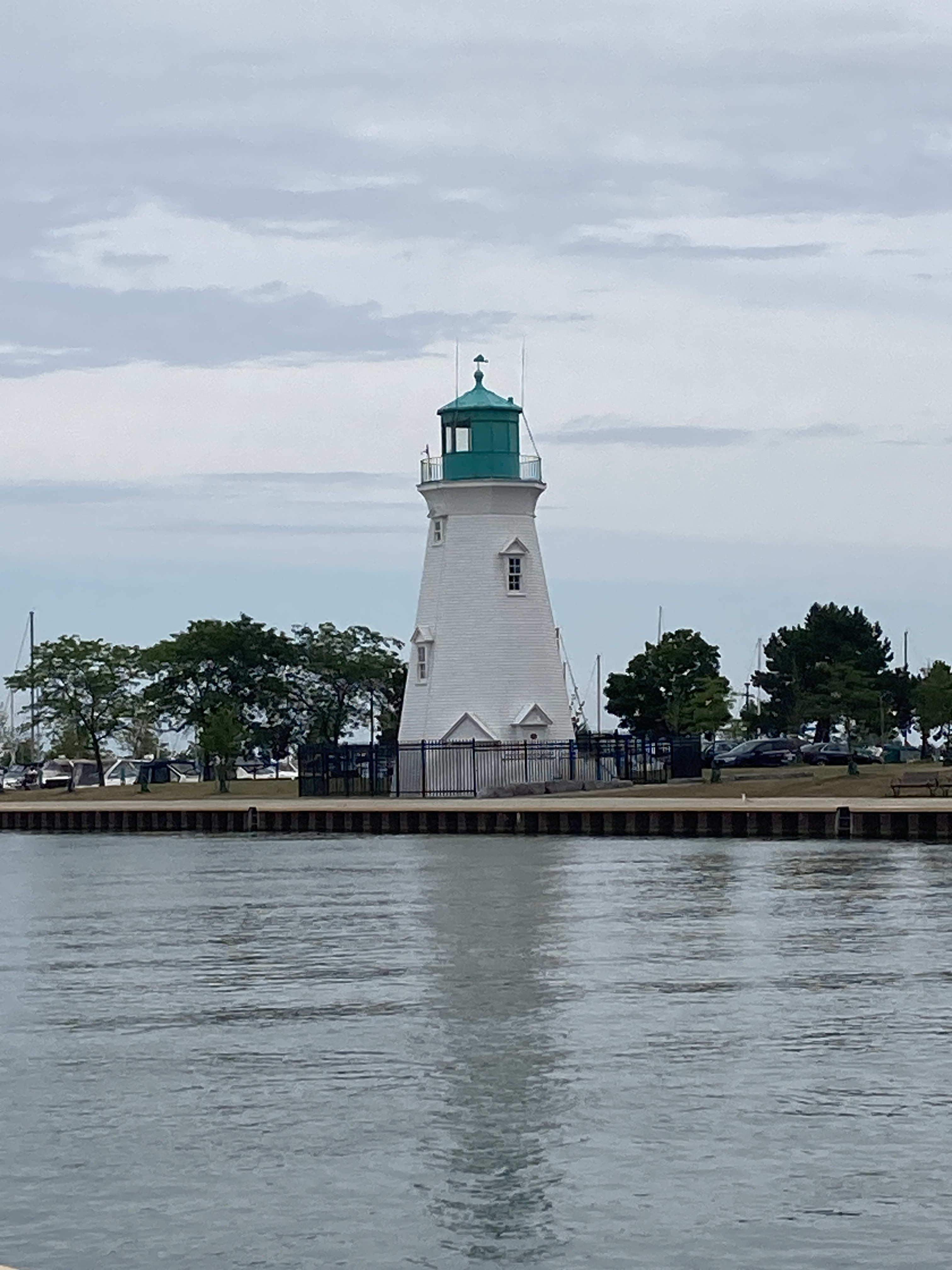
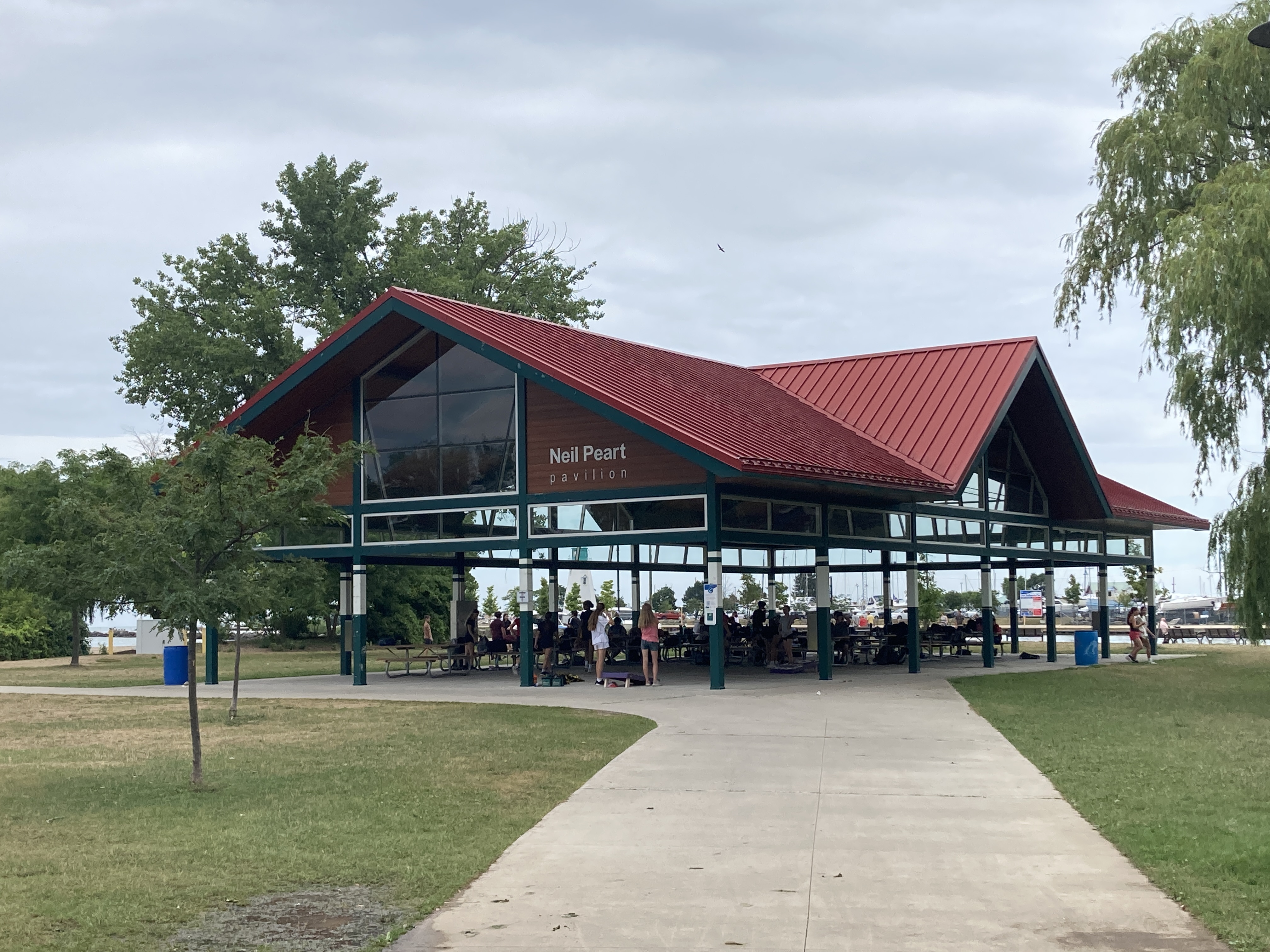
And yes, landing in the hometown of prog-metal’s finest drummer/lyricist was no coincidence; an outing to the town’s Lakeside Park (gorgeous even on an overcast day), complete with a picnic lunch in the shadow of the Neil Peart Pavilion brought the early Rush song of that name to vibrant life. (Fundraising for a memorial sculpture of Peart to be installed in the park has been in progress since last fall; click here for more information.)

If there’s a lesson, I suppose it’s this: a proggy vacation does not just happen; it must be carefully planned. So, fellow Progarchists: what’s your dream itinerary?

— Rick Krueger

P.S. Yes, all of the above is pretty retro; but new prog and more cool music piled up in my inbox while I was gone, so the appropriate Quick Takes are coming . . .

Rick’s Quick Takes: Box Set Report, Q1

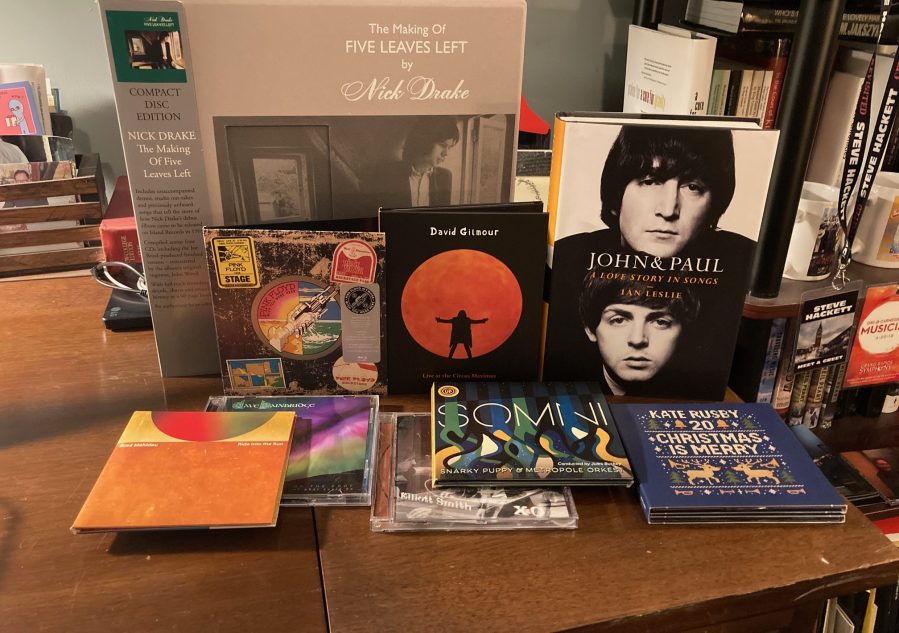
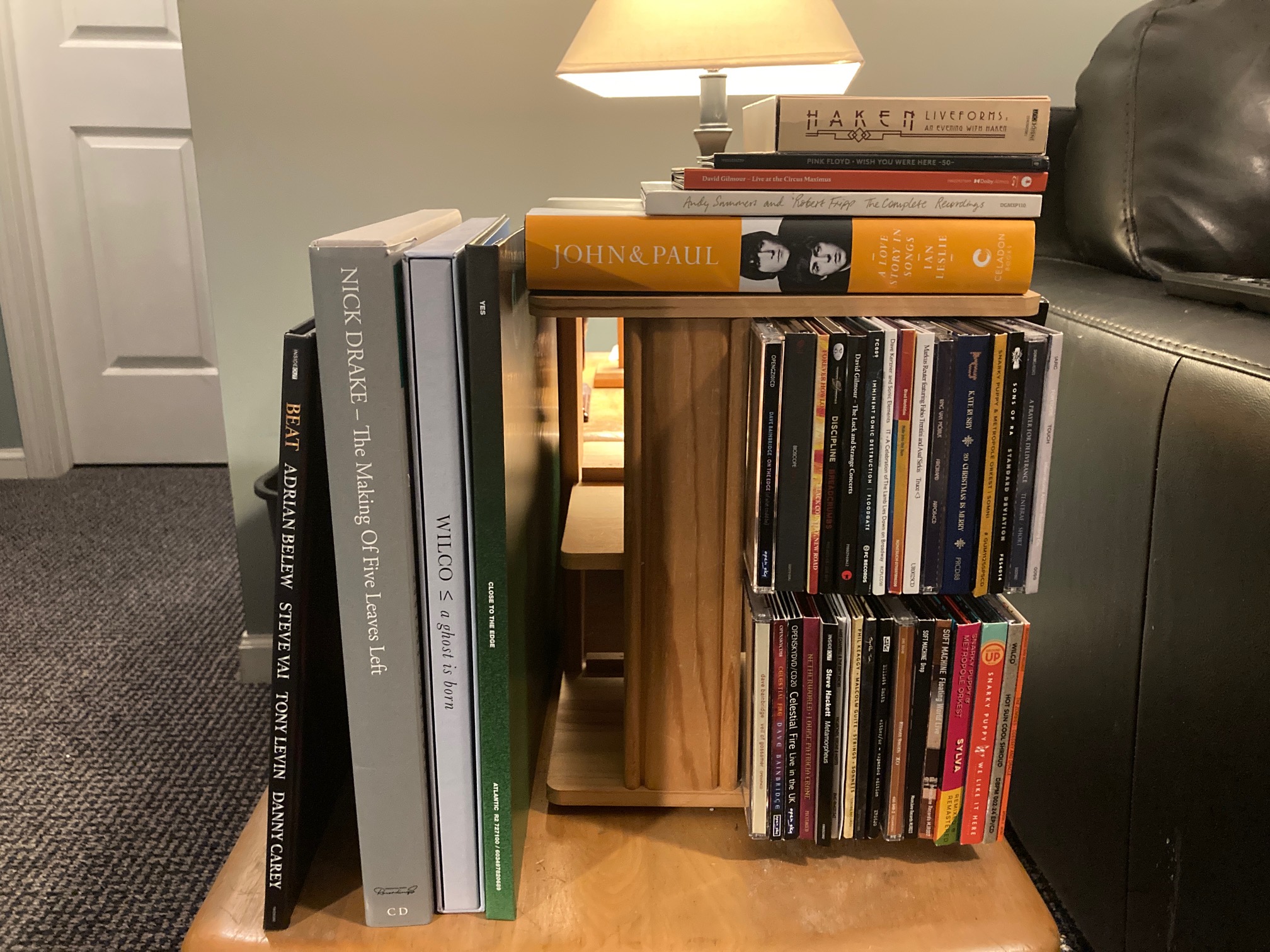
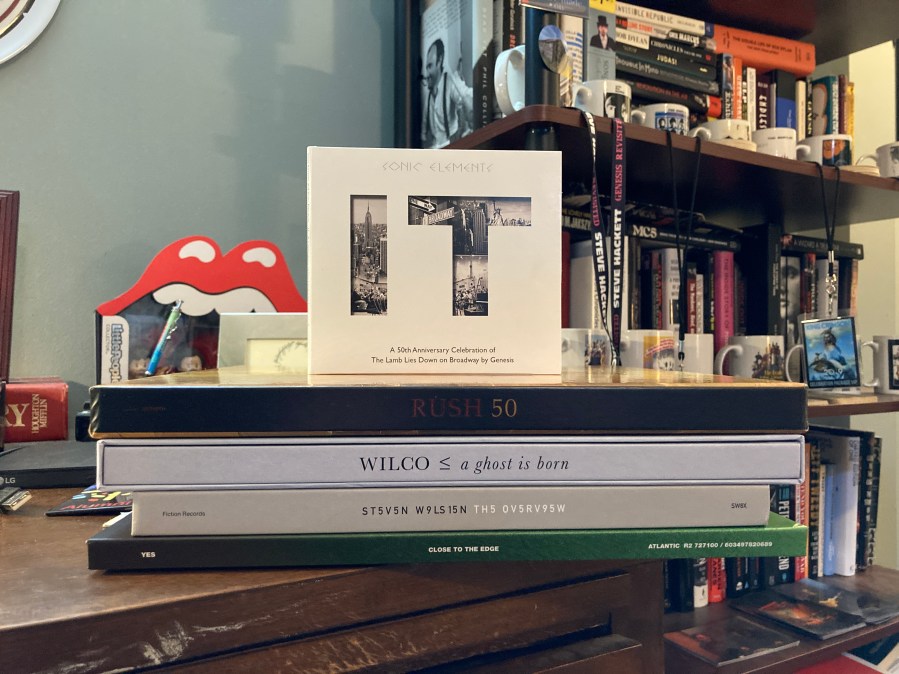
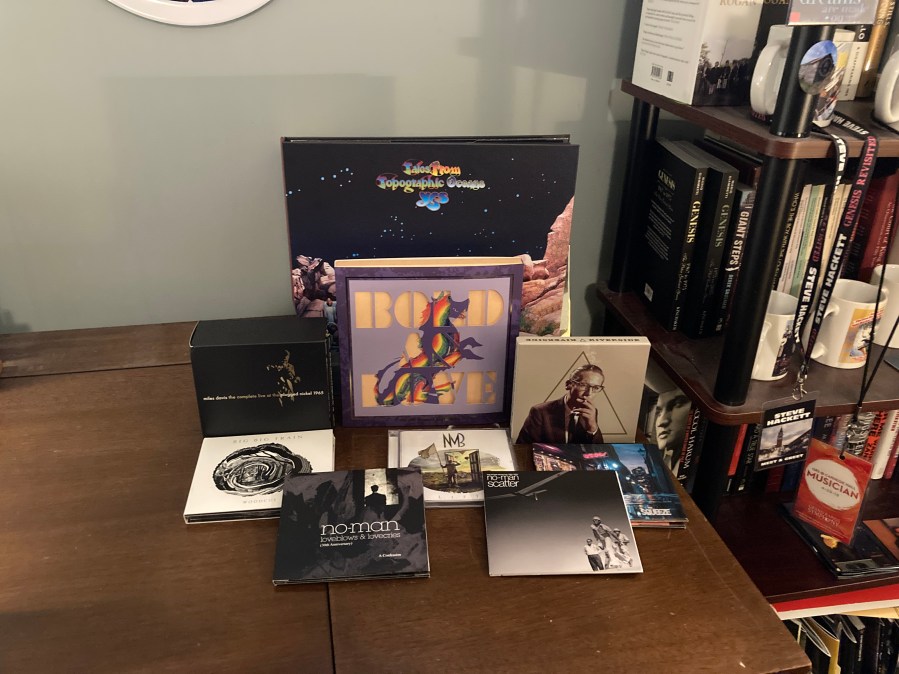
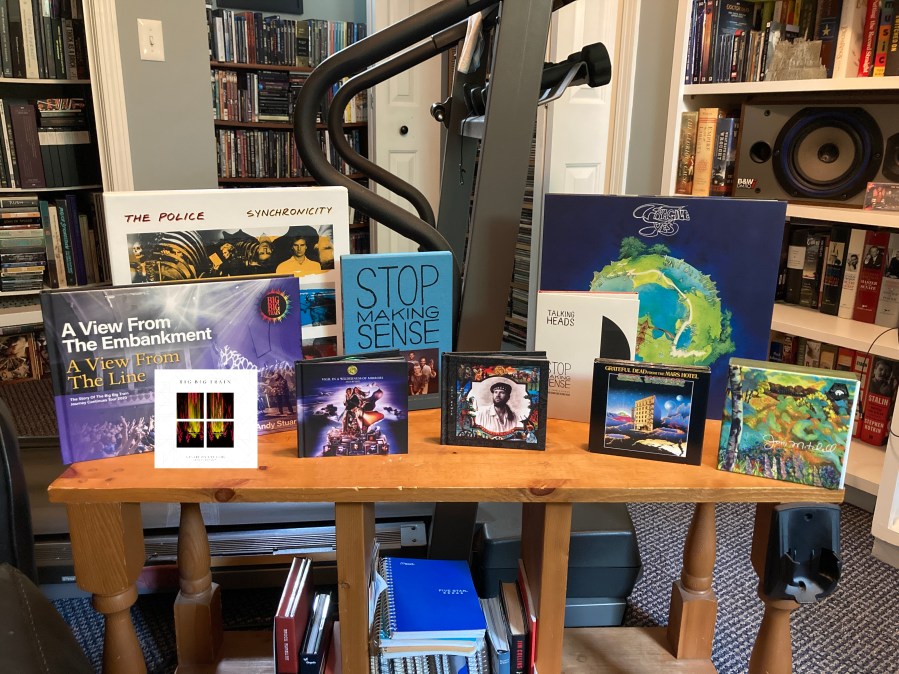
By January 31st of this year, I had already ordered a ridiculous number of multiple-CD box sets since Christmas. With three delayed in the production process, five have already landed on my doorstep (OK, one was small enough to fit in the mailbox). Reviews follow in the order that I tripped over them on the porch coming home from work. As usual, order links are embedded in the Artist/Title listing and streaming options follow whenever available.

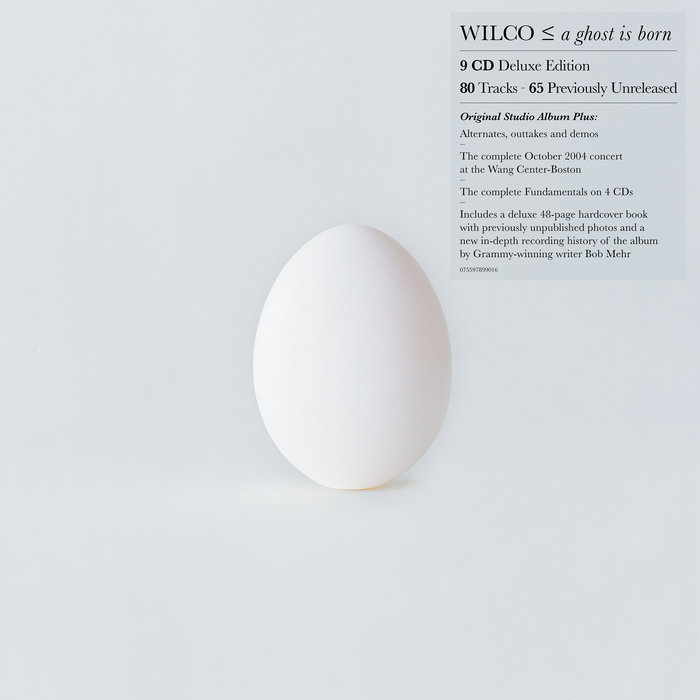
Wilco, A Ghost Is Born Deluxe Edition: springing from entangled hardcore and Americana roots, Jeff Tweedy had steered Wilco through band tumult and record company rejection to plant a left-field cultural marker with 2001’s freak-folk classic Yankee Hotel Foxtrot. The band’s 2004 follow-up A Ghost Is Born went to further extremes, a sputtering tornado of punky guitar thrash, electronic noise, avant-garde improvisational systems and lyrical grapplings with personal vulnerability, mental dysfunction and substance abuse. Heavy? Yep. But never offputting or boring; Glenn Kotche and John Stirratt lay down lateral yet accessible beats that float (“Muzzle of Bees”, “Wishful Thinking”) crackle (the hypnotic “Spiders (Kidsmoke)”) shuffle (“Handshake Drugs”, “Theologians”, “I’m A Wheel”) and stomp (“At Least That’s What You Said”, “The Late Greats”) while Leroy Bach and Mikael Jorgenson add spicy, soulful accents and colors. All the while Tweedy waxes deadpan yet primal, ripping holes in the fabric of his personal time and space, searching out both tender and torturous byways to catharsis and healing. If that kind of quest sounds up your alley, this reissue gives it up in excelsis: the finished album plus 4 discs of jammed “Fundamentals”, 2 discs of outtakes and alternates, and a double-disc live show with then-new members Pat Sansone and Nels Cline fleshing out Tweedy’s unique, unlikely Hero’s Journey. Great, extensive liner notes by Replacements biographer Bob Mehr as well. Already on my Favorites list for the year.

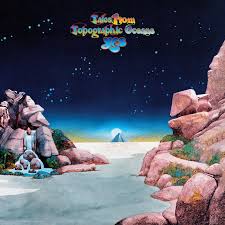
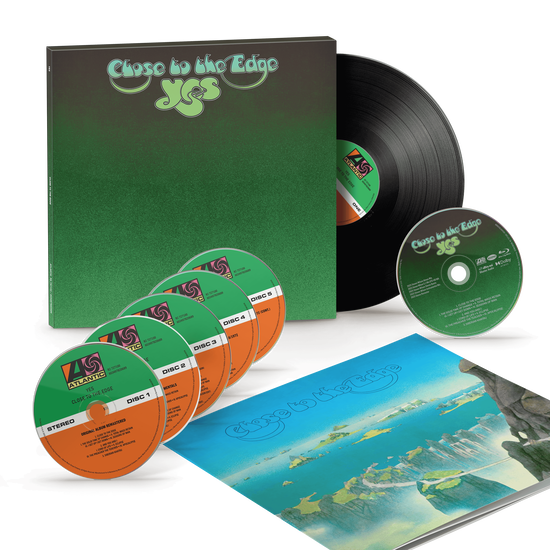
Yes, Close to the Edge Super Deluxe Edition: Well, I did ask for this — and Rhino delivered! The third in the series of SD Yes reissues, this captures what might be the quintessential prog band’s quintessential album in pristine, high-impact sound (both the original mix remastered and Steven Wilson’s latest remixes). It all comes down to the three original tunes from 1972 — the side-long title track, the majestic “And You and I” and the remarkably funky “Siberian Khatru” — with Jon Anderson’s wailing word games, Steve Howe’s lacerating guitar licks, Rick Wakeman’s extravagantly classical keys, and the simmering, bubbling rhythm work of Chris Squire and Bill Bruford all battling for space yet somehow fusing into a triumphant whole. Bonuses include plenty of rarities and alternates (including both versions of Yes’ classic take on Paul Simon’s “America”) and a complete live show from the tour that followed, with Alan White’s beefy thwack on drums replacing Bruford’s loose, limber dance. Well worth hearing and picking up, even if you have previous reissues; another instant Favorite.

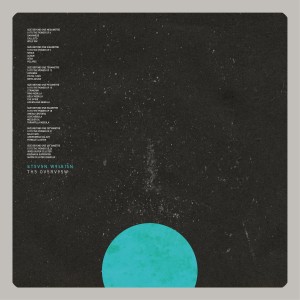
Steven Wilson, The Overview: If Wilson has never realized his dream of broad pop stardom, he’s entranced the mainstream rock press this time around — both usual (Prog Magazine) and unusual (MOJO named it album of the month) suspects have hailed The Overview as a return to prog that doubles as a conceptual tour de force. For once, though, I’m underwhelmed; while intermittently galvanizing, the two-track album stubbornly refuses to coalesce in my ears. Is Wilson’s musical material stretched too thin? (Side One’s 23-minute suite “Objects Outlive Us” is ultimately a set of variations on one six-chord sequence.) Are his influences, for once, undigested? (The Dark Side of the Moon, Tangerine Dream and “Space Oddity” are practically italicized and bracketed on Side Two’s title suite.) Or is it more likely that I’m bouncing off Wilson’s main conceit (admittedly snarky paraphrase: “the universe is big, cold, and dead, so loosen up in your petty day-to-day lives and find your own existential purpose in the face of meaninglessness”)? As stunning as its high points can be, for me The Overview feels like Wilson’s chilliest, least empathetic effort since his 2008 solo debut Insurgentes. Still, I wouldn’t be surprised if hearing SW live this fall, backed by the players responsible for the instrumental highlights here (Randy McStine and Adam Holzman absolutely bring the goods) shifts my perspective. After all, I wound up advocating for The Future Bites . . . Bonuses of the sold-out deluxe edition include an orchestrated version of Side One and the complete take of album closer “Permanence”, with saxophonist Theo Travis lighting up Wilson’s ambient aural nebulas.

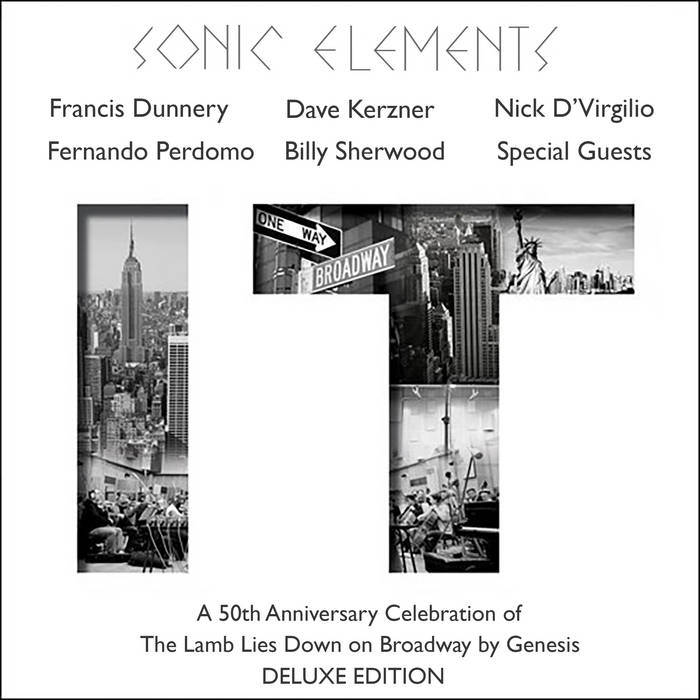
Sonic Elements, IT – A 50th Anniversary Celebration of The Lamb Lies Down on Broadway by Genesis: Genesis’ first entry into the superdeluxe marketplace, a 50th-anniversary remaster of their 1974 rock opera, wound up being delayed until June. In meantime, we have to content ourselves with this remake, masterminded by keyboardist/conceptualist extraordinaire Dave Kerzner. But never fear; there’s contentment — indeed, satisfaction — aplenty to be found! An all-star team of contemporary American giants (Kerzner, Fernando Perdomo on guitar, Billy Sherwood on bass) have the time of their lives rewiring The Lamb as a lushly upholstered, dynamic film score, complete with Nick D’Virgilio’s drums and orchestrations repurposed from a similar 2009 project. But the secret sauce here is vocalist Francis Dunnery (whose credits range from original lead singer for Brit neo-proggers It Bites to guitarist for Robert Plant); his magnificent, dramatic singing echoes Peter Gabriel’s originals while avoiding the safety of imitation. Dunnery absolutely inhabits Genesis’ Puerto Rican punk pilgrim Rael on his journey from the streets of New York through realms of embodied myth to absorption into Jung’s collective unconscious (I think). It’s all done with love, gusto and plenty of polish, and it’s absolutely thrilling. Available as a basic double-disc set, a Deluxe triple set with alternate versions of multiple tracks, or a hi-res download with even more alternate takes. Well worth every penny, whichever version you opt for, and in the running for the Favorites list.

Rush 50, Deluxe Edition: So how do you put together yet another Rush anniversary compilation — especially the first since the passing of Neil Peart? Rush 50 turns out to be a pretty ingenious solution to the problem — not just one of marketing, but of producing genuine value. Yes, it’s organized around the career arc of everyone’s favorite Canadian hard-prog power trio as usual; yes, there’s at least one song from every album, with career high points from Fly By Night to Clockwork Angels given extra representation. But more than half the 50 tracks are live versions — spanning the decades from an early TV appearance recorded at an Ontario secondary school to the encore from the final gig of the R40 tour, taken from the canonical All the World’s A Stage, the bonus concerts on recent 40th-anniversary reissues, later live video/audio packages, and the vaults. If some of the fledgling band’s material seems woefully unfashionable now — the Beatles’ “Bad Boy” spun into a psychedelic workout a la Cream, for example — we still get the privilege of eavesdropping as Alex Lifeson, Geddy Lee and Peart grow in muscularity, depth and confidence, building an audience with their audacity and prowess, while time stands still before our ears. The mouthwatering physical package, with sympathetic, well-reported overviews of the band’s first and final decades plus mouthwatering new art by the stalwart Hugh Syme, is the icing on the cake here. Even if most of this material is familiar to longtime fans, having it all in one box turns out to be a genuine pleasure.

— Rick Krueger

Rick’s Quick Takes: Gotta Lotta Live If You Want It

With apologies to The Rolling Stones and Neil Young (and of course, Nicolette Larson) . . .

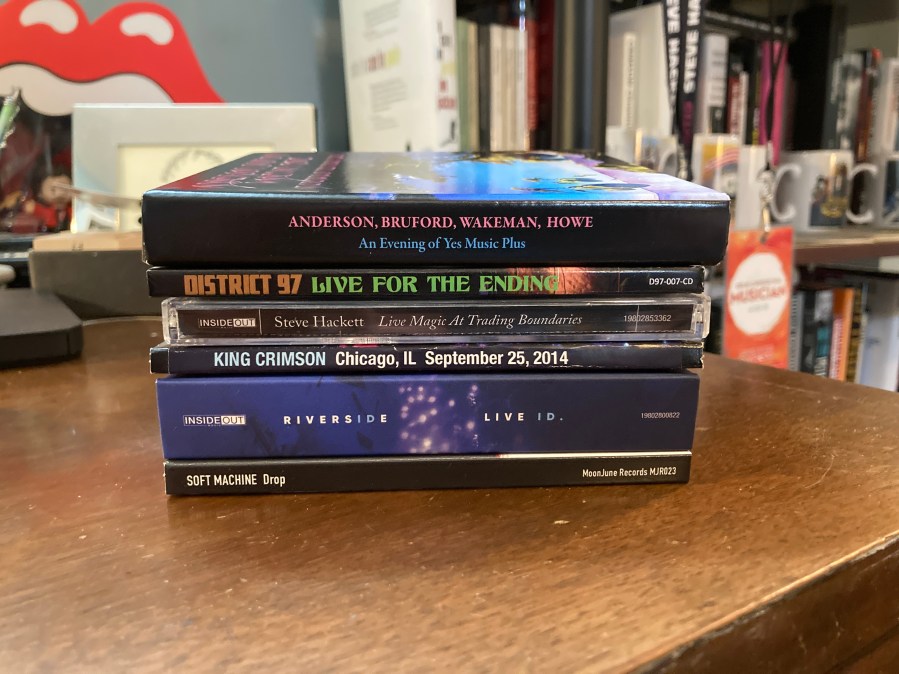
A good chunk of early 2025’s prog action has been concentrated “in the arena”: new releases and reissues of concert recordings, whether of decades-old vintage or just yesteryear, unplugged or fully electrified. Purchase and streaming links are provided below where available. (One relatively new challenge: physical media is selling out faster than ever these days; some of what’s below ran out of stock even before the official release! Bookmark the appropriate page and hope for restocks, I guess?)

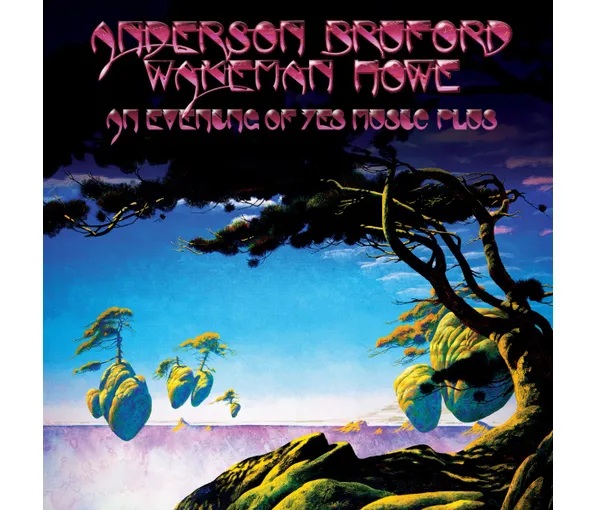
Anderson Bruford Wakeman Howe, An Evening of Yes Music Plus: One of the odder detours in Yes history, as Jon Anderson left the more commercial mothership of the 1980s and gathered 3/5th of the band’s breakthrough line-up for an album/tour cycle that proved equal parts throwback and reboot. As on ABWH’s 1989 studio album, the freshest moments of this 2 CD/2 DVD concert set occur when Howe’s plangent guitar and Wakeman’s graceful piano vault over Bruford’s syndrum clatter on new tracks “Birthright”, “Brother of Mine” and “Order of the Universe”. (Meanwhile, Anderson’s melodic volleys of New Age word salad remain consistent. Never change, Jon!) Potent, precise takes on classics like “Close to the Edge” and “Heart of the Sunrise”, along with plenty of solo space, make for an enjoyable show that proved there was life in these middle-aged dogs yet — even if Trevor Rabin and Chris Squire wouldn’t share the original group’s name. Thanks to Action Records of Preston, UK for their prompt service when preorders sold out!

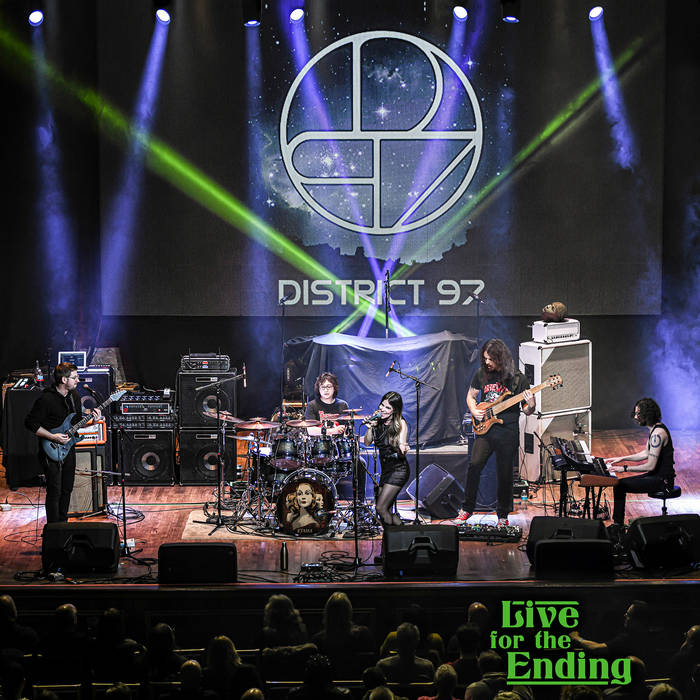
District 97, Live for the Ending: Chicago’s finest proggers play the entirety of their latest album live, at home and overseas. D97’s reading of the complete Stay for the Ending is a straight-up recital with few variations from the recording; what impresses here is the consistent commitment and energy on display. It’s evident how fiendishly difficult this stuff is, how the now-long-time lineup of Andrew Lawrence, Jim Tashjian, Tim Seisser and Jonathan Schang sink their teeth into the harmonic and melodic extremes of each track — and how consistently Leslie Hunt rises to the occasion, riding every chunky guitar/bass lick, synth blast and time-warping drum fill with her expressive, acrobatic singing. Given the constant hairpin turns and switchbacks of this music, the occasional rough edges slot right in; this is a band playing right up to the limits of their considerable skills, then going above and beyond! Longtime fans like me won’t be disappointed, and newbies will get a solid sense of how gutsy and thrilling District 97 are in concert.

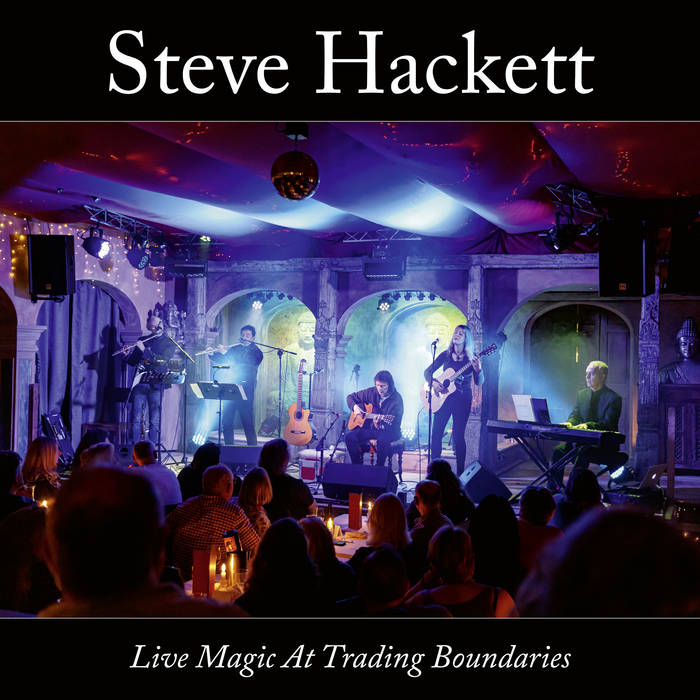
Steve Hackett, Live Magic at Trading Boundaries: The ninth live album of Hackett’s Genesis Revisited era, this unplugged set compiled from multiple year-end performances at an art gallery/performance space/boutique hotel in the British countryside, is genuine surprise and a refreshing change of pace. With Hackett focusing on nylon-string acoustic guitar, there’s plenty of old-school Genesis (the medley of an excerpt from “Supper’s Ready” and “After the Ordeal” is a masterstroke), an eclectic range of solo material (with Hackett’s brother John and Rob Townsend on woodwinds), lovely original songs from sidekick Amanda Lehmann (with Steve on harmonica!) — even a blast of digital keys from Roger King, waking everyone up with a bit of Francis Poulenc’s organ concerto! Delicate, luscious and immediately appealing , Live Magic also proves a worthwhile appetizer for recently reissued “special editions” of Hackett’s acoustic back catalog (1983’s Bay of Kings, 1988’s Momentum, 2005’s Metamorpheus and 2008’s Tribute) — which seem to be selling out even as I type . . .

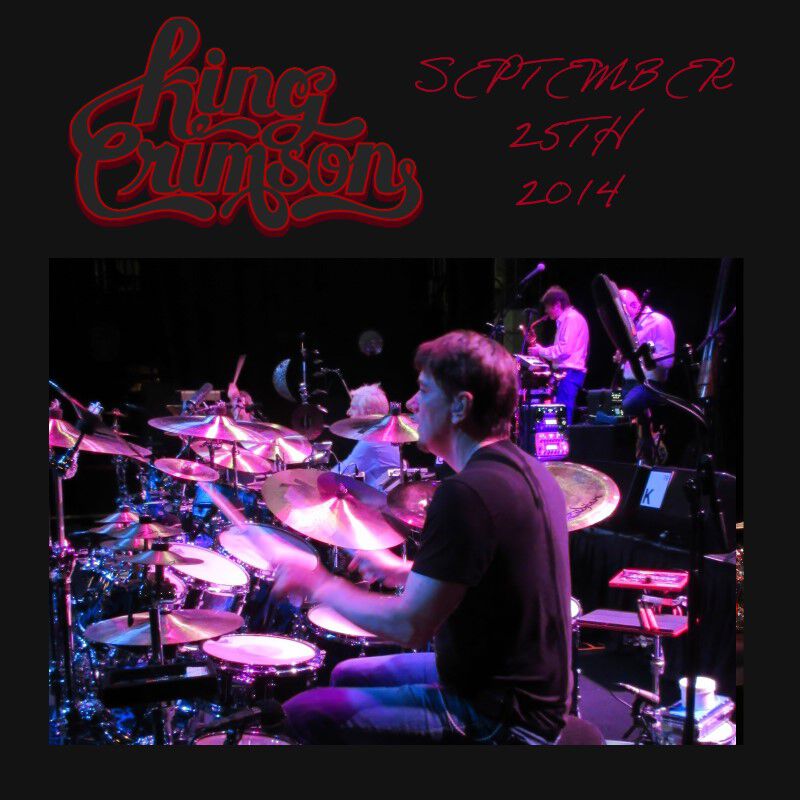
King Crimson at nugs.net: Partnering with the premiere online concert specialists (whose clientele range from superstars Bruce Springsteen and Jack White to up-and-coming jammers Billy Strings and Goose), Robert Fripp’s Discipline Global Mobile has already made 44 Crimson shows (26 from 1996’s Double Trio outings, 18 from the 2014 Elements of KC tour) available for streaming with paid subscription, or for purchase as downloads or CDs. I picked up the CD of the night I attended the 2014 tour in Chicago (September 25th at the Vic Theater); after six years away from the concert stage, this edition of The Mighty Crim blew away the audience with its triple-drummer frontline, Mel Collins’ visceral attack on multiple saxes, Jakko Jakszyk’s mellifluous vocals, and a wide-ranging setlist stretching from 1969 psychedelia to the wide-open soundscapes of 2011’s A Scarcity of Miracles. With more tour bundles from across the decades promised for the future, nugs.net now seems the go-to source for archival Crimson concertizing. Bring on the 2019 and 2021 tours, please!

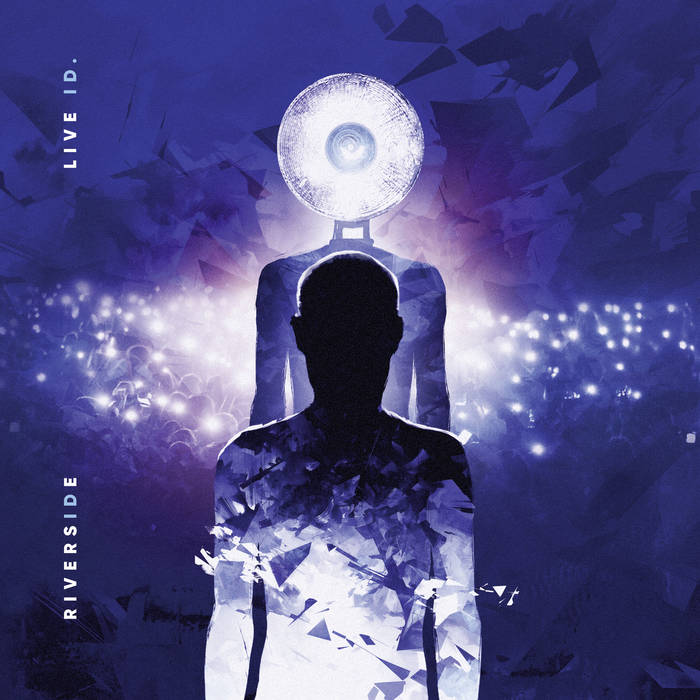
Riverside, Live.ID: The Polish quartet comes out smoking hot for the final gig of their 2023 ID.Entity tour on this 2 CD/BluRay set. Michal Lapaj’s ebullient keyboards grab hold with sizzling synth and organ hooks; Maciej Miller’s gruff power chords and earthy leads anchor the driving hard-rock sound; Piotr Dozieradzki’s pounding drums push the music forward. And at center stage, Mariusz Duda holds down one busy bass groove after another, all the while launching compelling, dystopian narratives of isolation in an overconnected age. With a setlist split evenly between their last album and their back catalog, these guys prove looser, yet more ferocious than on their fine studio albums, never letting up on the intensity. And the audience respond in kind, matching Duda’s request for them to be “the fifth member of Riverside” with enthusiasm to spare. More than a concert, this feels like an event — a great intro for neophytes, a rewarding summary of Riverside’s career to date for longtime fans. (Note that the CD/BluRay version is already hard to find!)

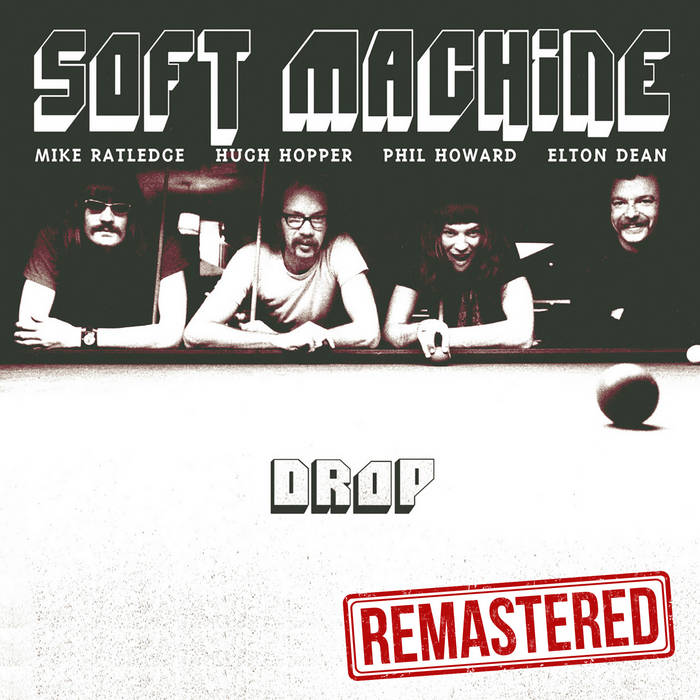
Soft Machine, Drop & Floating World: Only four years separate these two sets from the pioneering British jazz-rockers, freshly remastered by guitarist Mark Wingfield — but what a difference those years make! Recorded live on a 1971 German tour, Drop unveiled a quartet speeding headlong for the outer limits of music itself; riding cascading waves of Phil Howard’s manic, loose-limbed drumming, saxophonist Elton Dean screams and howls into the ether, while bassist Hugh Hopper and keyboardist Mike Ratledge hang on for dear life. It’s a breathtaking whirlwind of sound, shaped more by free rhythm than discernible melody — exhilarating, but not for the squeamish.

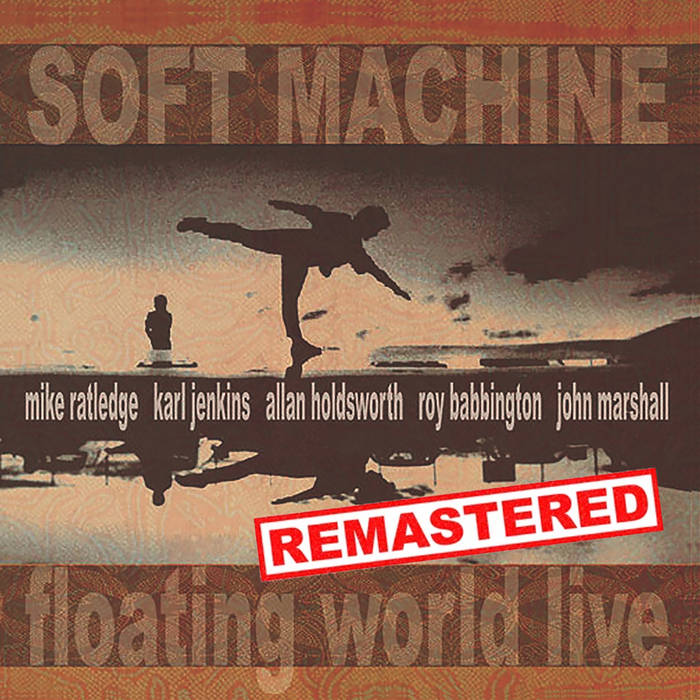
By 1975, Dean, Hopper and Howard were out; in their place, Karl Jenkins (later to earn a knighthood for his classical crossover project Adiemus), Roy Babbington and John Marshall were laying down a more fusion-oriented, arguably more sedate vibe. Enter fledgling guitar hero Allan Holdsworth to fire things up on another German tour; his lightning-quick runs and ear-catching chord work energize Floating World Live, inspiring his bandmates to fresh heights of invention and interplay on pieces from the first-rate studio effort Bundles. Awash with echoes of Mahavishnu Orchestra and Return to Forever filtered through a genial, sardonic English sensibility, this is required listening for fans of the genre and Holdsworth heads. (A manufacturing error has held up the release of the Floating World Live CD, but MoonJune Records mainman Leonardo Pavkovic is on the case!)

— Rick Krueger
Rick’s Quick Takes: Across the Great Divide

This month’s connecting thread: grizzled veterans connect with high-powered talent from younger generations; the chemistry fizzes, fuses and pops — and some excellent new music is the result! (Of course, there’s an outlier or two in this month’s stack as well.) Let’s get down to it, shall we? Purchase links are embedded in the artist/title listing, with album streams or samples following the review.

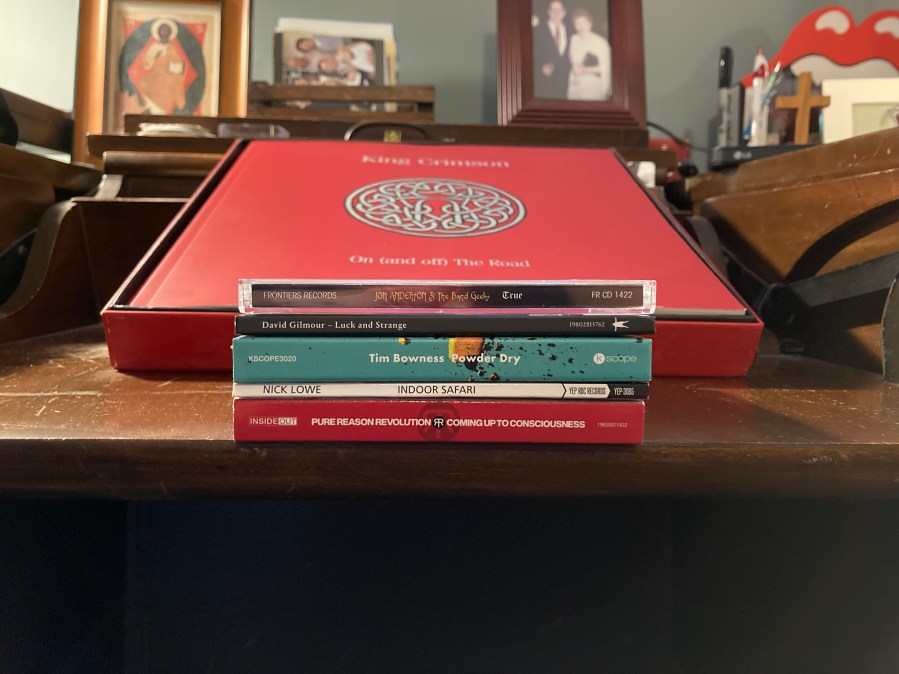
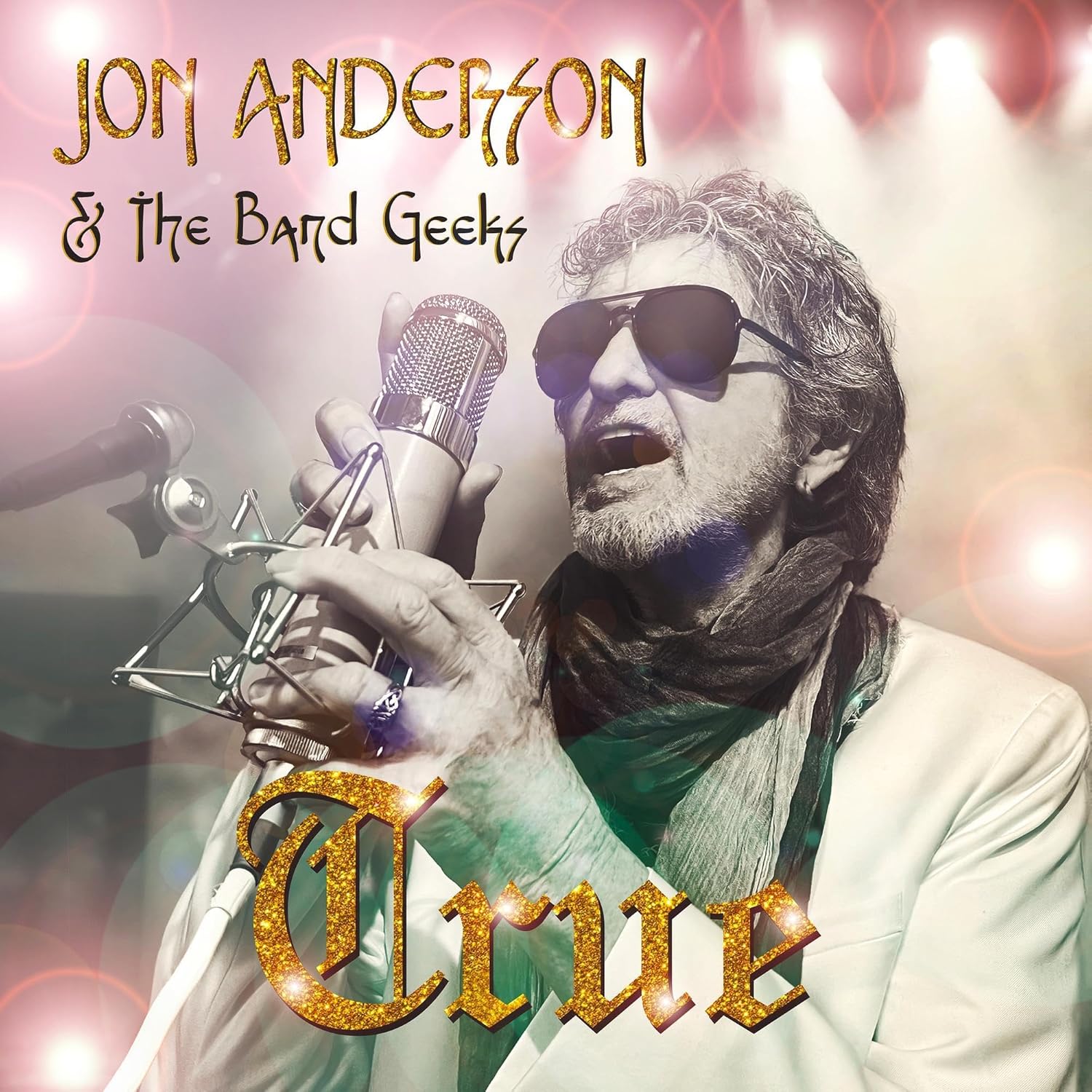
Jon Anderson and The Band Geeks, True: Anderson (going on 80, and as seemingly immortal as Keith Richards) has consistently worked with little-known yet impeccable virtuosos since his abrupt exit from Yes; watching him front a high-impact big band from the 10th row in 2019 was a thrilling experience. Now, teaming with a quintet of killer players half his age, he delivers the album fans have desired for decades. Sure, there are times when The Band Geeks (bassist Richie Castellano, guitarist Andy Graziano, keyboardists Christopher Clark and Robert Kipp and drummer Andy Ascolese) seem a little too eager to ape their counterparts in the classic Yes lineup, but overall they lean into epics like “Counties and Countries” or “Once Upon a Dream” and shorter romps like “True Messenger”, “Shine On” and “Still a Friend” with full commitment, fresh creativity and chops galore. Then there’s Anderson, still soaring into sub-orbit with that unmistakable voice, still preaching peace, love and understanding with his trademark New Age word salads. (Is there no way this man could run for U.S. President? At this point, he’d get my vote.) At first, I thought Time Lord’s full review was a bit over the top — but repeated hearings are bringing me around. Most hardcore Yes-heads will flip over this, and casual listeners will find plenty to lure them in.

Tim Bowness, Powder Dry: the exception to this month’s rule, Bowness’ first-ever “solo solo project” hits the speakers like a cold slap in the face. Instead of the languorous widescreen ruminations of previous albums, we get brusque, sparse song sketches (rarely more than 3 minutes); a disorienting mix of natural tones, machine rhythms, bracing industrial grit and gnarled lo-fi samples yields shocks, disturbances and wake-up calls aplenty across these 16 tracks. Well practiced in the dark arts of ineffable yearning and melancholy, here Bowness hones and refines his lyrics to bare-knuckled, highly charged haikus, whether staring down decadent cultures (opener “Rock Hudson”), devolving psyches (“This Way Now”, the title track), disintegrating connections (“Heartbreak Notes”) or the unholy conjunction of all three (“Summer Turned”, “Built to Last”). With his stoic vocals bearing the brunt of this emotional tangle, Bowness’ voice plumbs fresh depths, flickering in desperate hope one moment, driven to sublimated fury and fear the next. If you’re already a Bowness fan, stow your expectations — but whether he’s familiar or brand new to you, don’t hesitate to strap in for a compelling, cathartic ride.

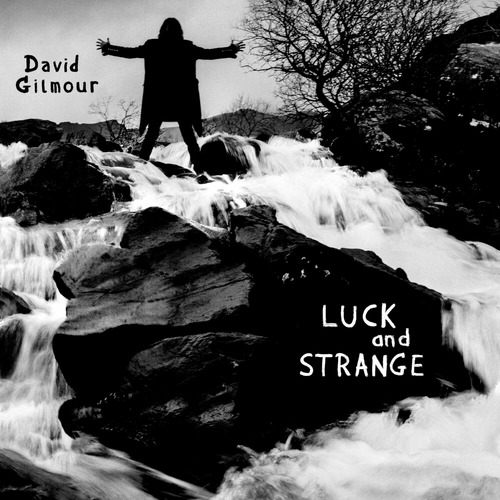
David Gilmour, Luck and Strange: another prog legend who can sound like nobody but himself cranks up one more time. But the canvass Gilmour paints on here accents different tones and tints, with youthful co-producer Charlie Andrew shaking up instrumental backgrounds and song formats to good effect. There’s a sense of lightness, air and space this time around, a less obviously Floydian palette that both complements and contrasts with Gilmour’s craggy singing and singular take on blues guitar. Polly Samson’s lyrics level up as well, tackling well-worn topics (nostalgia on “Luck and Strange”, spirituality on “A Single Spark”, love as refuge on “Dark and Velvet Nights” and “Sings”) from newly contemplative angles, sounding absolutely right coming out of Gilmour’s mouth. (Oh, and daughter Romany Gilmour totally enthralls in her vocal turn on The Montgolfier Brothers’ “Between Two Points”.) By the time Gilmour hearkens back to which one’s Pink, firing off a final round of Stratocaster fireworks on orchestral closer “Scattered”, he’s taken us on the most varied – and I’d argue, most sheerly enjoyable – ride of his solo career; this one’s already a 2024 Favorite.

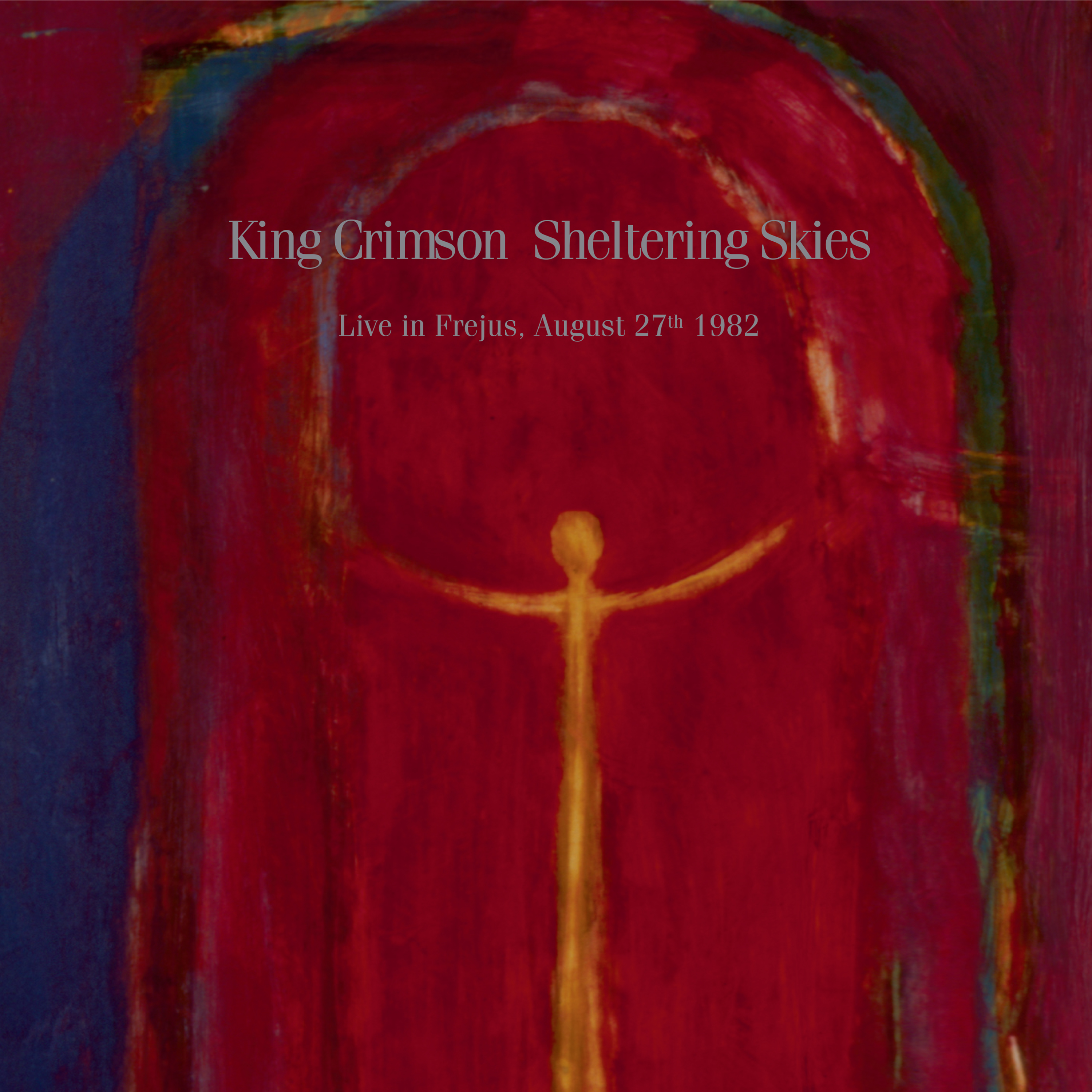
King Crimson, Sheltering Skies: OK, so this one isn’t “new” new. But when Crimson sherpas Robert Fripp and Bill Bruford teamed with American upstarts Adrian Belew and Tony Levin back in the 1980s, the result was a revitalized second reign for the King, swapping out trademark Mellotrons and prodigious pomp for raucous noise, limber polyrhythms and surging, seething energy. With Belew and Levin now touring this music again as BEAT, this issue of a 1982 show previously released on video couldn’t come at a better time; opening for Roxy Music on the French Riviera, Crimson pulls the unsuspecting audience right into the clinches for the hottest of hot dates. From the subdued intensity of “Matte Kudasai” and “The Sheltering Sky” through the dynamic clatter of “Indiscipline” and the hypnotic guitar weave of “Neal and Jack and Me” to Bruford and Belew’s ecstatic percussion duet that kicks off “Waiting Man”, this is that rare live album of nothing but highlights. Banter, bicker, balderdash, brouhaha, ballyhoo — whatever their desired flavor of elephant talk (including some 70s throwbacks), Crim devotees will find it here.

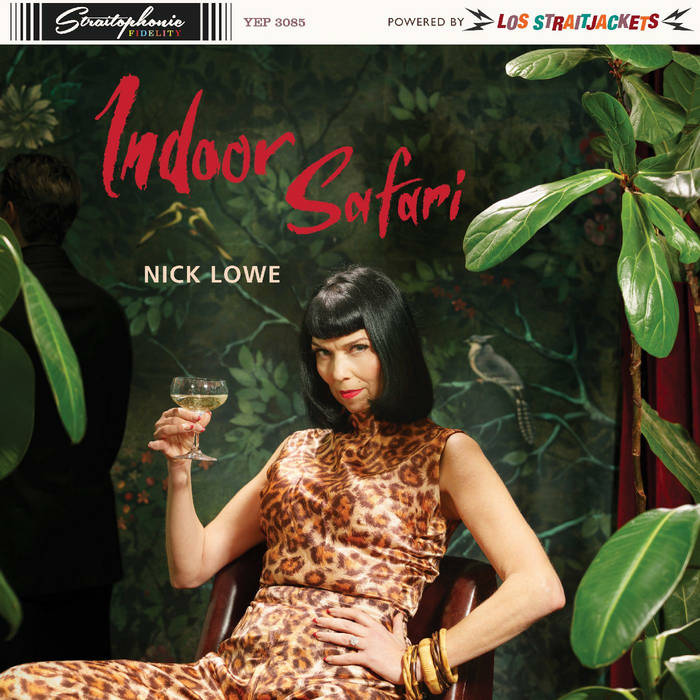
Nick Lowe, Indoor Safari: almost 50 years on from his solo debut at the crest of the New Wave, Lowe’s pure pop for now people remains pin-sharp and on point. Who else can still pump out breezy rockers like “Went to A Party” and “Jet Pac Boomerang” (the latter complete with high-culture similes and a Fab easter egg), ring wry changes on the battle of the sexes in “Blue on Blue” (“You’re like a mill, you run me through”) and “Don’t Be Nice to Me”, then capture the emotional devastation of the quietly crooned “A Different Kind of Blue”? Masked surf-rockers Los Straitjackets (currently celebrating their 30th anniversary) prove crucial here, laying down swinging retro grooves for Lowe’s originals and hoisting just the right backdrops as he nails the blue-collar aspiration of Garnet Mimms “A Quiet Place” and the innocent romance of Ricky Nelson’s “Raincoat in the River”. Lowe’s smart-aleck satire has always entertained, but his later embrace of pre-rock stylings deepened his songwriting and singing; now, even at his jauntiest, his aim for the heart is true. This is a real charmer that’s gone straight onto my 2024 Favorites list.

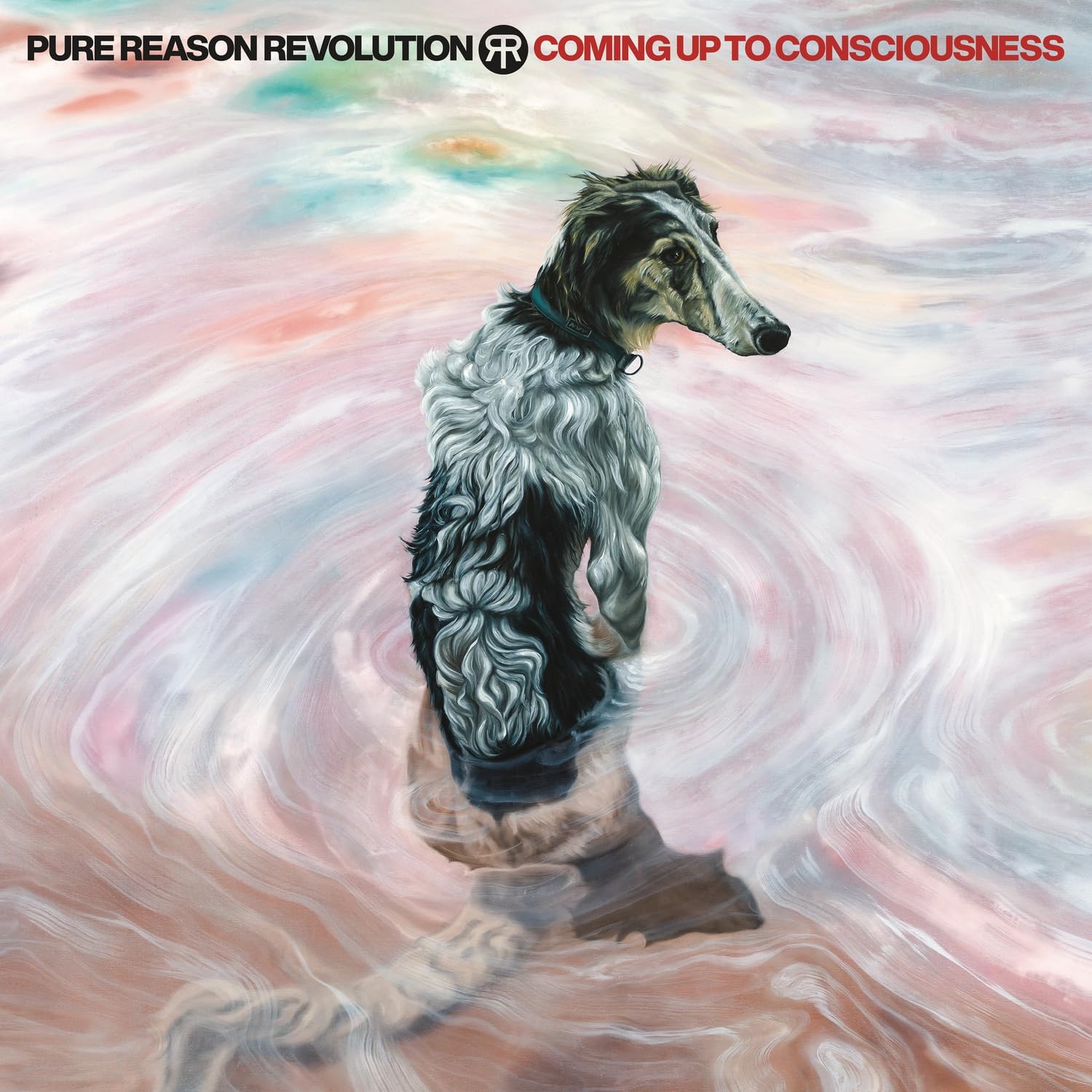
Pure Reason Revolution, Coming Up to Consciousness: a variation in reverse of this month’s theme, as long-time Pink Floyd/Gilmour bassist Guy Pratt brings extra low-end oomph to the latest from Jon Courtney, Greg Jong and their fellow electroproggers. As Time Lord ably spells out in his full review, once again PRR relies on the proven recipe of previous high points like 2006 debut The Dark Third and 2022’s Above Cirrus: float in on low-key ambience, keep the verses chilled out, ramp up on the bridge, kick hard into the chorus! (While seasoning to taste with lush harmonies, towering guitar riffs and slamming club beats, whipping up maximum tension and release before serving.) Here the results are consistently yummy, not least because the soundscapes’ ebb and flow echo Courtney’s perennial lyrical themes. As Courtney, Jong and Annicke Shireen’s voices entwine, splinter, and reunite, there’s a serene insistence on transfiguration, on something more than material, beyond the harsh realities of eros (“Dig til You Die”, “Betrayal”), fear (“The Gallows”), and death itself (“Useless Animal”, “As We Disappear”). Pure Reason Revolution isn’t giving us answers, but Coming Up to Consciousness points us toward the mystery they’ve pursued all along.

— Rick Krueger
Rick’s Quick Takes: Box ‘Em Up!

Like a man named Will said, summer’s lease hath all too short a date – so I decided it was time for a lightning roundup of the season’s box sets! Purchasing links are included in the artist/title listings below, with streaming and video samples following each review.

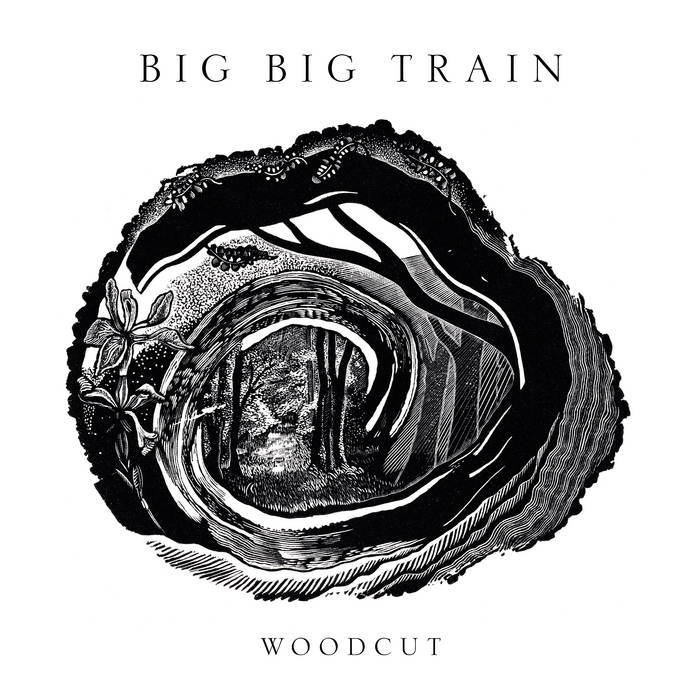
Big Big Train, A Flare on the Lens: Officially released on September 13th, only promotional audio was available for review, so I can’t tell you how the closing night of BBT’s 2023 European tour looks on BluRay – but it sure sounds like dynamite! With all the animation and verve they displayed on this year’s first American jaunt, Greg Spawton’s mighty crew (joined by guest guitarist Maria Barbara and the obligatory brass quartet) tear into a similar setlist packed full of drama and pathos. New vocalist Alberto Bravin is particularly impressive, getting right to the heart of fan favorites like “Curator of Butterflies” and “A Boy in Darkness” along with epic standbys “East Coast Racer” and “Victorian Brickwork”. But everyone’s at the top of their game, culminating when Nick D’Virgilio and Rikard Sjöblom join Bravin up front for a devastating yet joyous medley of “Leopards”, “Meadowland” and “Wassail” in honor of the late David Longdon. Amply documented here as well as in Andy Stuart’s mouth-watering tour diary/photobook A View from the Embankment, A View from the Line, and on new album The Likes of Us, BBT’s rebirth is a genuine cause for celebration.

Fish, Vigil in a Wilderness of Mirrors and Internal Exile: In the wake of his stormy departure from Marillion, lead singer/lyricist Fish (AKA Derek Dick, rock star and Scottish nationalist) was unsurprisingly eager to prove his worth as a solo act. 1990’s debut Vigil In a Wilderness of Mirrors was as emotionally direct and lyrically convoluted as ever, built around the charged concept of climbing “The Hill” of success — a goal unrelentingly pursued despite the Stateside seductions of “Big Wedge”, the obsessions holding “The Voyeur” captive, the damage documented in “The Company” and “Family Business”. Internal Exile, released the following year after legal troubles and a label change, steers toward individual songs; highlights include delicate ballad “Just Good Friends”, comfortably numb polemic “Credo” and the Highland-inflected title track. Fish’s dramatic declamation is the focus throughout; it’s as riveting as always, though the music (mostly by sidekick Mickey Simmonds) can be a bit pedestrian, lacking the organic interplay and inspired unconventionality that marked Marillion’s response to his heady, hearty words. Each album is available as 2-LP Vinyl Editions, 3-CD Standard Editions (with bonus demos and live versions) and Deluxe Editions (with another disc of live versions and surround mixes on BluRay).

Grateful Dead, From the Mars Hotel: It took a looong time, but somehow I’ve finally tuned into the Grateful Dead’s wavelength (and without the use of illegal substances, mannnnn). Having zeroed in on the band’s “stoned electric bluegrass” period of the early 1970s, this latest 50th anniversary reissue is right up my alley – and it has more appeal even now than you might expect. Made in the midst of the Dead’s doomed attempt at running their own record label, there’s a delicacy instilled in the music, a humble yet unflinchingly honest cast to the lyrics. The social commentary of Jerry Garcia and Robert Hunter’s “U.S. Blues” and “Ship of Fools” is more bemused than bitter; tinged with Keith Godchaux’s harpsichord, “China Doll” is an exceptional ballad, and the awestruck love song “Scarlet Begonias” stayed in the band’s onstage repertory for decades. Plus, there’s Phil Lesh’s extended workout “Unbroken Chain”, one of the few Dead songs of that vintage to feature the bassist’s charmingly down-home vocals. Add a live set that handily covers the group’s career to that date, featuring well-chosen country covers and mesmerizing jams, all blasted through the band’s Wall of Sound to a University of Nevada audience the year of From the Mars Hotel’s release, and you have an exemplary package. 1971’s Skull and Roses (first encountered in my older brother’s record collection) and Europe ’72 remain the quintessential Dead in my book, but this isn’t far behind.

Joni Mitchell, The Asylum Albums (1976-1980): Let the record show that Mitchell carried a torch for jazz for decades, ranking Miles Davis right up there with Beethoven long before her music slid into the smoothly swinging grooves of 1974’s Court and Spark. With Hejira (1976), haunting meditations on love and wandering like “Coyote”, “Amelia” and the title track lit out for more expansive territory, simultaneously anchored and uplifted by fusion genius Jaco Pastorius’ free-floating bass work. 1978’s Don Juan’s Reckless Daughter stretched further into abstraction, with the side-long tone poem “Paprika Plains” swathed in rich orchestral colors, instrumental “The Tenth World” and the grooving “Dreamland” enveloped in Latin percussion, and Pastorius’ Weather Report compatriot Wayne Shorter swooping in with unmistakably lateral sax work. And in collaboration with a dying genius, 1979’s Mingus (instigated by composer/bassist Charles Mingus himself) saw Mitchell pay tribute to the era epitomized in the closing “Goodbye Pork Pie Hat”, with words as inspiringly bopping as the tunes. Add the live double album Shadows and Light, with Mitchell backed by then-young guns like Pat Metheny on guitar and Michael Brecker on sax, and you have a remarkably unified overview of her farthest out, yet most eccentrically open period. (Volume 4 of Mitchell’s Archives series, focusing on unreleased and live music from these years, is released October 4th.)

Continue reading “Rick’s Quick Takes: Box ‘Em Up!”

Rick’s Quick Takes: Progging and Jamming and Twanging, Oh My!

Due to circumstances beyond my control — thanks to everybody who helped out! — this edition of Quick Takes is playing catch-up. This time around, purchase links are embedded in the release title, with any additional sample/streaming links labelled (LISTEN HERE).

The last few months’ progressive rock releases have skewed heavily toward reissues — for example, Keith Emerson and Greg Lake’s mid-1980s reunion with hard-rocker Cozy Powell in the drummer’s chair. Triple-cd box Emerson, Lake & Powell: The Complete Collection (LISTEN HERE) is a compact, yet worthy appendix to the ELP canon. The main album, ranging from extended throwbacks “The Score” and “The Miracle” through jazzy diversion “Step Aside” to souped-up classical gas like the single “Touch and Go” and Holst’s “Mars, the Bringer of War” is big, brash, widescreen stuff; both in the studio and on the two live discs included, Emerson’s thrusting digital synthesizer upgrades, Lake’s full-throated bravura vocals and Powell’s sleek percussive drive come on like gangbusters on new material and vintage classics such as “Pictures at an Exhibition” and “Pirates”. ELP’s mass appeal remained in the rear view mirror, but Emerson, Lake and Powell was a game try at reinvention for a different time.

Carl Palmer was playing drums for Asia during ELPowell’s flare and fade, but he’s remained engaged with his biggest band’s work, stepping up as legacy guardian after Emerson and Lake’s passing. Disc 1 of Palmer’s solo box Fanfare for the Common Man (a reissue/expansion of 2001’s Do You Wanna Play, Carl?) shows how he emerged from his bandmates’ shadows in the later 1970s, asserting himself in spellbinding trio jams, big band blowouts and a stylish, eclectic percussion concerto; disc 2 covers his roots in British R&B and psychedelia plus his later collaborations with Asia and others, while a new 3rd disc documents live work reinventing the ELP repertoire for guitar-based power trio. The accompanying BluRay video and biography are revealing, though scattered and even self-contradictory. But that’s a minor blemish: Palmer remains rightly admired and respected by musical peers and fans, and still on the road in his 70s, he retains the rhythmic fire and momentum that this set amply demonstrates.

ELP weren’t the only proggers trying to reinvent themselves after the mid-70s; on side one of 1977’s The Missing Piece (LISTEN HERE), the manic British sextet Gentle Giant made ever so coy feints at co-opting the energy of punk and New Wave (especially on the self-conscious spoof “Betcha Thought We Couldn’t Do It”). Side two was more relaxed; reaching for the soul-inflected art-pop that Genesis and Yes later rode to the top of the charts, the Shulman brothers & company still stirred in Baroque cross-rhythms (“As Old As You’re Young”), stately balladry (“Memories of Old Days”) and breakneck instrumental and vocal twists and turns (“Winning”). With Steven Wilson providing fresh stereo and spatial audio remixes, this is another delightful installment in the Giant’s ongoing series of album upgrades.

English folk-classicalists Renaissance kept plugging through the decades, with operatic lead singer Annie Haslam at the helm. 2000’s Tuscany (LISTEN HERE) was Haslam’s last go-round with key members guitarist Michael Dunford and drummer Terence Sullivan (plus limpid guest piano work from former keyboardist Jon Tout). Not as urgent as their 1970s work, it’s still a lovely, impressionistic album, gently meditating on the nexus of art (“Lady from Tuscany”, “Dear Landseer”), nature (“Pearls of Wisdom,” “Dolphin’ s Prayer”) and love (“In the Sunshine”, “One Thousand Roses”). A complete live show from Renaissance’s 2001 tour of Japan included as a bonus mixes new tunes with career standbys such as “Carpet of the Sun,” “Northern Lights” and “Mother Russia”, showing off Haslam and company’s musicality and consistency. As usual, Esoteric Recordings’ latest Renaissance reissue provides the context to better assess the work of this underrated band.

And in the wake of its new reissue, I now consider Yes’ 1994 album Talk the most unified effort of their post-prog decade. (It was also the least well-known, due to grunge taking over rock radio and Yes’ record company collapsing.) The only full-blown songwriting team-up of hippie muse Jon Anderson and guitarist/keyboardist/composer Trevor Rabin, Talk’s tunes ooze out-there ambition and hi-gloss appeal; the choral kick of “The Calling” and “Walls”, “Real Love’ jangle-pop/heavy metal synergy, the skip-hopping “State of Play” and the closing multi-part epic “Endless Dream” are stunningly remastered to devastating impact. Rhythm section Chris Squire and Alan White are at their most down and dirty; Tony Kaye leans in with expressive, gnarly organ work. And a bonus live set (from the soundboard at a 1994s tour stop) showed that this lineup could conjure a fairly close approximation of the classic sound on standbys like “Heart of the Sunrise” and “I’ve Seen All Good People”. If you loved Yes but wrote them off between 90125 and Union, I’m serious; give Talk a shot.

There have also been plenty of ear-opening new releases, mostly rooted in improvisation rather than composition. The latest posthumous set from piano legend Chick Corea has its source in a 2019 tour and follow-up sessions with eclectic banjo virtuoso Bela Fleck; the aptly-titled Remembrance (LISTEN HERE) covers an incredible range of sonic possibilities, with the duo wailing on Thelonious Monk’s “Bemsha Swing”, Scarlatti sonatas, brand new compositions and impromptus pulled from thin air. Impeccably tasty and always in the moment, Corea and Fleck spark off each other constantly, caught up in an unending sense of play and delight. Fans of either player will love this, and folks who dig acoustic jazz, bluegrass or both will find themselves smiling again and again when they hear it.

While Brad Mehldau is one of the numerous young lions who followed in Corea’s wake on piano, his sound and vision are uniquely his own, as a fresh pair of solo discs make clear. On After Bach II, Mehldau brings his love for the classical piano tradition and his improvisational chops to bear on a second set of J.S. Bach’s richly poised keyboard works, mingling preludes and fugues played straight with jazzier extrapolations (“Between Bach”) and superimposed twists of rhythm and counterpoint based on one of Bach’s pinnacles, the Goldberg Variations. Apres Fauré brings a similar freedom to the music of Gabriel Fauré, the French composer who became a unique bridge between the late Romantic and Impressionist schools; Mehldau responds to Fauré’s sense of adventure with sweeping repetitious bass lines, long-spun singing melodies, and thick two-handed harmonies. Plenty of rigorous development to chew on, plenty of knotty invention and lush sound to bask in on both of these!

On their new EP Tropic of Cancer, Chicago’s heavy-prog-jazzers Sons of Ra show how they can unspool variations on a theme with staggering impact. Setting a nimble, dancing idea with roots in fusion’s golden age into motion, multi-instrumentalists Erik Oldman and Keith Wakefield and drummer Michael Rataj put it through exhilarating paces over 23 minutes: you get wah-wah electric piano extrapolations, a sax/bass duet over a bed of guitar/sax noise; a wonderfully idiomatic folk/Celtic throwdown (complete with guests on violin, flute and pipa); a Santanesque guitar jam that spirals up dizzingly before it goes off like a fireworks display; and a gargantuan finish with hypnotic sax wailing over a shuddering guitar army. No jive; this is great stuff, and Sons of Ra are a band to which attention must be paid!

King Crimson-adjacent power trio Markus Reuter, Trey Gunn and Pat Mastelotto are also back with the ironically titled Tu-Ner for Lovers, another heaping helping of rich, doomy thrash. Sculpted from improvs recorded on their 2023 tour, the trio scrape, scratch and scrawl from the get-go, with Mastelotto laying down off-kilter tribal beats, Gunn rattling listeners’ innards with sludgy bass lines and Reuter slapping down arresting leads and color clusters on touch guitar. Stalking the abstract sublime, the music coalesces as the album progresses, locking in to galvanizing effect on closing stompers “They Call Him Threnody” and “Transistor Valentine”, wispily floater “I Put a Crush on You” and skittering finale “Combat and Courtship”. You may need to be in the right mood for this to grab you — alienation? Righteous anger? — but when you are, boy, does it hit home!

Kamasi Washington’s long-awaited double album Fearless Movement is every bit as kickass and sprawling as previous spectaculars The Epic and Heaven and Earth (the latter my 2018 Album of the Year), but somehow settles in a gentler, more welcoming vein. It kicks off with “Lesanu”, an Egyptian Orthodox chant of Psalm 96 riding first a free-jazz slam, then a finger-snapping, hand-clapping vamp and ends with “Prologue”, an Astor Piazzolla tango that morphs into a blaxploitation movie theme; at all points within and between, Washington on tenor sax, keyboardists Cameron Graves and Brandon Coleman, Ryan Porter and Dontae Winslow on brass, and a platoon of guests play and sing up a storm. But slower burning tracks like “Asha the First” and “Together” provide respite from the intensity of Washington’s sweep and surge, and a looser, relaxed sense of momentum on the Zapp cover “Computer Love” and the extended workout “Road to Self (KO)” helps you catch your breath. Washington and his friends are still making audacious spiritual jazz, building from whispers to screams again and again and dancing across barlines like they don’t exist; but somehow this set feels more like a place to make a home than a monument to visit. And yes, this one’s gonna be on my Favorites list this time around, too . . .

And sometimes, you just need some down-home picking and singing. On the heels of selling out the Ryman Auditorium (documented on record to great effect last year) and duetting with Willie Nelson, Charley Crockett pitches a passel of new songs our way on $10 Cowboy (LISTEN HERE) As with much of Crockett’s recent work, this album leans into soul nearly as much as country; the choogling brass and choral vocals of “America”, the piano-with-strings heartbreaker “Gettin’ Tired Again” and the funky “Diamond in the Rough” can’t help but call Motown and Memphis to mind. But there’s plenty of Nashville/Austin classicism too, in the steel guitar-laced single “Hard Luck and Circumstances”, the Latin-flavored acoustic revenge ballad “Spade” and the honky tonk shuffle “Ain’t Done Losing It” Whether this is the long-predicted breakthrough for Crockett or not, $10 Cowboy is a thoroughly satisfying album, capturing sharply defined snapshots of a nation wondering when things will get better.

And (thanks to the copious music collection found at the main branch of the Grand Rapids Public Library), I discovered that Sierra Ferrell’s 2021 debut Long Time Coming is every bit as good as her new one (Trail of Flowers, reviewed last time). My entire notes for this one consisted of the word “WOW!!”, so I’ll just point you in the direction of this review (from my go-to site for genre news and reviews, Saving Country Music), add Long Time Coming to my 2024 Favorites list and look forward to hearing her live in September!

— Rick Krueger
Rick’s Quick Takes for May

As always, purchase links are embedded in each artist/title listing; playlists/videos/samples follow the review.

Artemis, In Real Time: This second album delivers on the promise and potential of Artemis’ 2020 debut. As I recently discovered in concert, here’s a jazz sextet with a forceful front line (Nicole Glover and Alexa Tarantino on woodwinds, Ingrid Jensen on trumpet) and an assertive rhythm section (founder Renee Rosnes on piano, Noriko Ueda on bass, Allison Miller on drums) that revels in both challenging and collaborating with each other. Whether hurtling through the post-bop twists of Miller’s “Bow and Arrow” and Jensen’s “Timber”, reaching for the skies on Ueda’s open-hearted “Lights Away From Home” or tenderly exploring Rosnes’ spacious ballads “Balance Of Time” and “Empress Afternoon” — not to mention their unique spins on tunes by departed giants Lyle Mays and Wayne Shorter — this is a group of top-rank players that mesh marvelously as an ensemble, delivering a whole lot of serious, elegant fun.

Brian Dunne, Loser on the Ropes: It’s true that I wouldn’t have come across this New Jersey-born, Brooklyn-based singer-songwriter if my nephew hadn’t played drums for his recent tour. But I’m glad I did! Dunne’s vivid lyrics — questing, skeptical, bemused, and poignant all at once — hitch a ride on his insistent verbal rhythms, catchy melodies and tightly constructed tunes, sung with his direct, inviting voice to impressive effect. He rocks out on “Stand Clear of the Closing Doors” and “Bad Luck” and whips up midtempo singalongs on “It’s A Miracle” and “Optimist,” slowing down for more reflective efforts like the title track and the closer “Something to Live For”. There are sonic echoes of mid-period Dire Straits and (inevitably?) 1980s Springsteen, but this is fresh, thoughtful music with both forthright appeal and subtle intensity, well worth hearing.

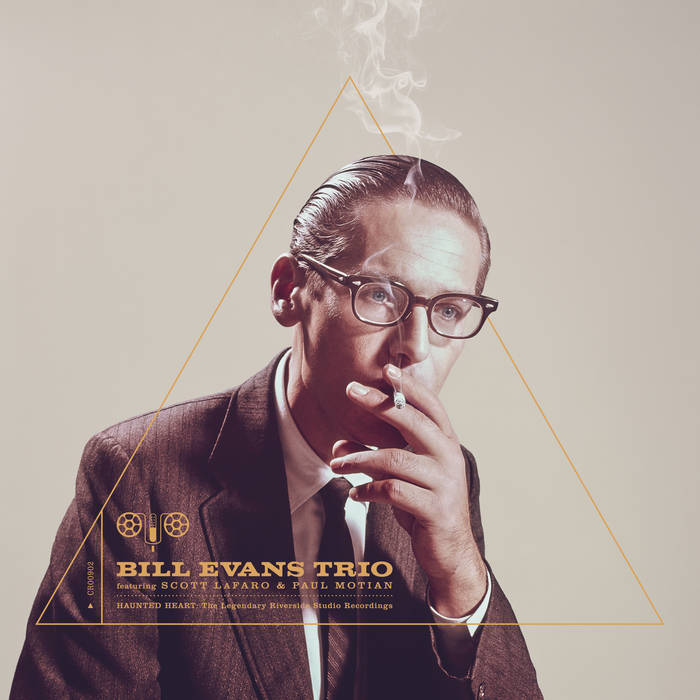
Bill Evans, Treasures: from the late 1950s to his premature demise in 1980, Bill Evans changed jazz piano forever with what Miles Davis called his “quiet fire”, reshaping the piano trio format as a conversation of equals in the process. The latest in a rich harvest of archival discoveries from jazz detective Zev Feldman and his compatriots, Treasures captures Evans’ steady, probing artistic growth in the late 1960s via a series of visits to Denmark. Whether captured solo, in full flight with various bassists and drummers, or even at a heart of a suite for big band and orchestra, Evans is consistently engaged, shaping jazz standards, rarified pop tunes and his own compositions into things of sheer beauty with his intense lyricism and sense of swing. As good an introduction to this titan of the genre as any!

Guardians of the Galaxy, Awesome Mix, Vol. 3: Fair warning: this semi-soundtrack to the latest Marvel Cinematic Universe blockbuster probably won’t give children of 1970s radio like me the same nostalgia buzz as the first two volumes of Awesome Mix. Sure, there are still great throwbacks from Heart, Rainbow, Earth Wind & Fire, Alice Cooper and Bruuuce; but this time around they share playlist space with the American slacker punk (X, The Replacements) rock-rap (Beastie Boys, Faith No More), and post-indie dream pop (Florence and the Machine) that followed over the decades. So it’s a more diffuse experience, with tracks that are actually eminently forgettable (Spacehog? The Mowgli’s?) — not to mention a missed opportunity for a prog shout-out. On the other hand, any compilation that includes The Flaming Lips’ hospice anthem “Do You Realize?” and EHAMIC’s “Koinu No Carnival” — Chopin filtered through an electronica mixmaster! — deserves at least a listen, and possibly space on your shelf or hard drive.

Marillion, Seasons End Deluxe Edition: The final reissue in the set of Los Marillos’ eight EMI albums, boxed up in typically comprehensive fashion. Layering his and John Helmer’s words atop the veteran band’s latest soundscapes (often repurposed from a futile final effort at working with original vocalist Fish), new boy Steve Hogarth brought it all back home with melodies that tacked closer to folksong than operatic recitative and scenarios that evoked slice-of-life drama as well as existential soliloquies. In retrospect, Seasons End was just the start of H-era Marillion’s evolution, but the end result still rocks hard, smart and sharp after all these years, from the atmospheric intro of “The King of Sunset Town” to the unnerving claustrophobia of closer “The Space”. In addition to a remix of the 1989 original, we get b-sides, demos and early versions of multiple album tracks — plus three high-energy live sets (audio and video from 1990, plus 2022’s British Marillion Weekend) and two documentaries on the CD Blu-Ray version. Like the entire series, this re-release is great listening and great value for money. (And deluxe boxes of post-EMI albums have been promised by manager Lucy Jordache. Stay tuned …)

Paul Simon, Seven Psalms: Designed as a unified song-cycle to be heard in its entirety (it’s one 33-minute track on CD and streaming audio), Simon’s new work is a dreamlike meditation unlike anything else in his catalog. His subdued voice and acoustic guitar carry the musical weight, hinting at gospel, folk and blues as the suite unfurls, with ambience courtesy of composer Harry Partch’s “cloud chamber bowls”, British choir Voces8 and full orchestra. Anything but orthodox, metaphor-packed portraits of “The Lord” — who Simon compares to, among other things, a virus, a virgin forest and a record producer — become a recurring theme, punctuating scattered thoughts on life past and present. Scattered, that is, until the finale “Wait” (“I’m not ready/I’m just packing my gear”), where Simon abruptly, delicately drills down to our common endpoint. Ruminating on what’s been becomes a stoic stock-taking of what we’ve become, a bracing reminder of what awaits us all — and, just possibly, a call to hope in what might lie beyond. Subtle and devastatingly effective, Seven Psalms is a momento mori for the Boomer generation — and for anybody else with ears to hear.

U.K., Curtain Call: When keyboardist/violinist Eddie Jobson locked in with guitar genius Allan Holdsworth and the then-defunct King Crimson’s rhythm section — John Wetton on bass & vocals, Bill Bruford drumming — sparks flew thick and fast. U.K.’s 1978 debut album was a sleek, captivating blend of progressive rock and jazz fusion; 1979’s Danger Money slimmed down to a more focused power trio as Zappa drummer Terry Bozzio replaced Bruford and Wetton’s writing veered toward proto-Asia pomp-rock. The inevitable semi-reunion happened in the 2010s, with Jobson coming off a productive career in film and TV scoring and Wetton rebounding from a hard-fought battle with substance abuse for a extraordinary final run. Joined here in 2013 by hot young virtuosos Alex Machacek (guitar) and Marco Minnemann (drums), the duo triumphantly roar through U.K.’s complete repertoire to an enthusiastic Tokyo crowd. From the crash/bash technoflash of “In the Dead of Night”, “Alaska/Time To Kill” and “Carrying No Cross” to the glowering, tasty tension of “Thirty Years” and Rendezvous 6:02″, this foursome whips up a level of excitement and energy that was unstoppable on the night and remains irresistible on disc. Now remastered and reissued by Jobson in tribute to his late partner, this reasonably priced video (on BluRay & DVD with a bonus audio Blu-Ray) is an immensely satisfying summation for long-time fans, and a glimpse of what the fuss was all about for curious newbies.

Yes, Mirror to the Sky: After the stodgy fiasco that was Heaven & Earth and the modest charm of The Quest, Steve Howe and the rest of Yes’ current line-up actually raise a ruckus this time around. Large helpings of vocal and instrumental interplay in the grand tradition, plenty of fresh, arresting guitar licks by Howe, and lots of splendidly evocative harmonies from Jon Davison and Billy Sherwood make Mirror to the Sky a real pleasure to hear. If you expect the peak inspiration and combustible drive of Yes’ classic era, you’ll be disappointed, but this release is a convincing mix of extended epics like the title track and proggy pop like the singles “Cut from the Stars” and “All Connected”, with only the bonus disc’s “Magic Potion” sounding like a dud to my ears. For me, the most enjoyable new Yes album since 1999’s The Ladder. Check out Time Lord’s review here.

— Rick Krueger
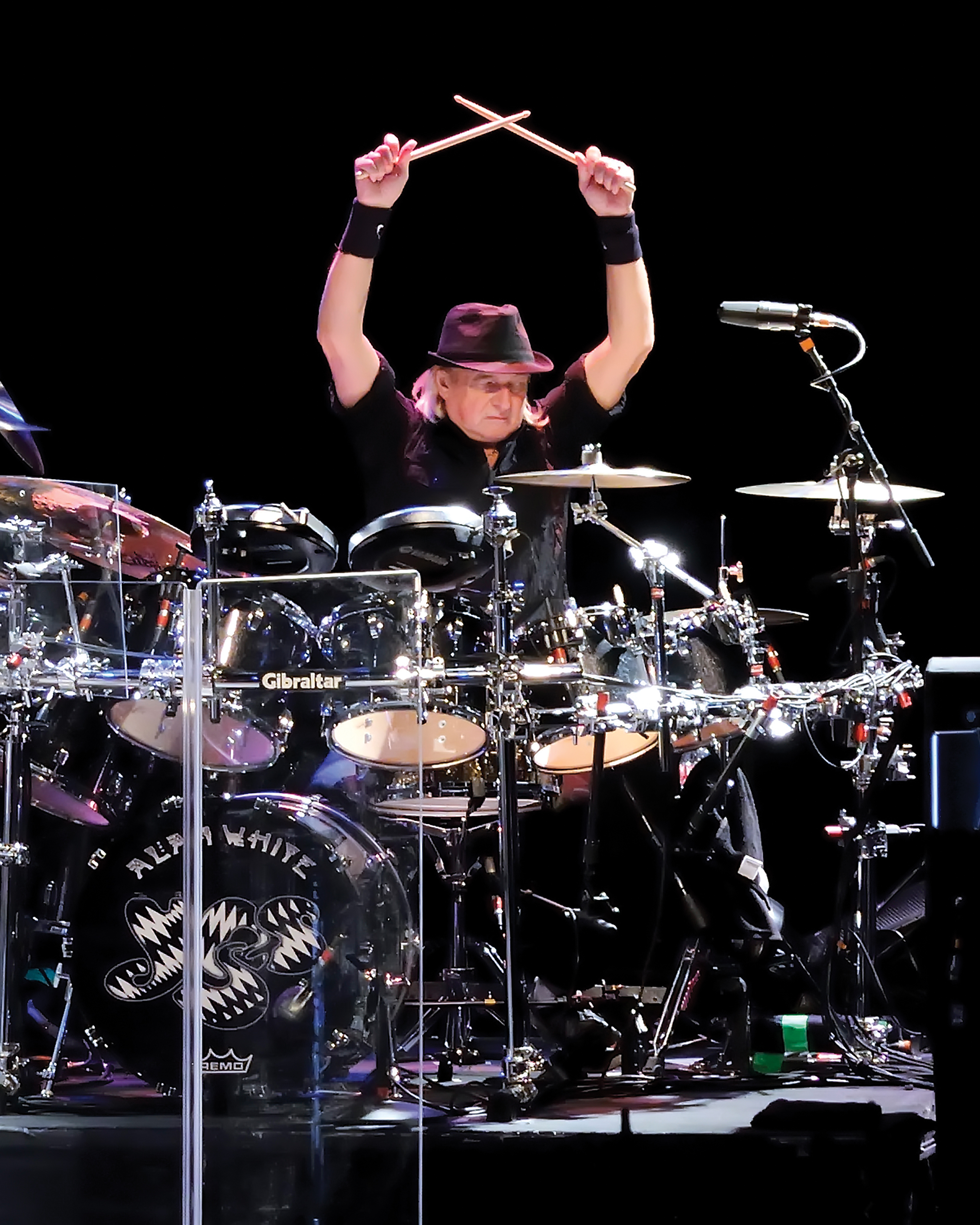
RIP Alan White

YES Alan White-photo by Gottlieb Bros 152 ap copy 2
© Jerry and Lois Photography All rights reserved 

Just days after Yes announced that Alan White wouldn’t be able to play on the band’s upcoming tour due to health concerns, today the band announced that he has passed away at age 72. White has been a mainstay behind the drum kit for Yes since 1972. In an interview for Progarchy back in 2015, White commented on playing with the band for so long, “When I joined the band I said, ‘I’ll give you guys three months and see if I enjoy it and you give me three months and see if you enjoy it as a band.’  And I’m still here forty-three years later, so there must be something working.”

Health issues the past several years have limited how much Alan played with the band, with Jay Schellen filling in, but that still hadn’t stopped him from coming out towards the end of the concerts and showing the audience he still had it. I saw Yes on their 50th anniversary tour a few years ago, and they were phenomenal.

RIP Alan.

Here’s the full press release from the band:

It is with deep sadness that YES announce Alan White, their much-loved drummer and friend of 50 years, has passed away, aged 72, after a short illness. The news has shocked and stunned the entire YES family. 

Alan had been looking forward to the forthcoming UK Tour, to celebrating his 50th Anniversary with YES and their iconic Close To The Edge album, where Alan’s journey with YES began in July 1972. 

He recently celebrated the 40th Anniversary of his marriage to his loving wife Gigi.   Alan passed away, peacefully at home. 

Alan  was born in 1949 in County Durham. A number of health setbacks, since 2016, had restricted Alan’s time on stage with YES on recent tours with Jay Schellen filling in and Alan joining the band, to great applause, towards the end of each set.  

Alan was considered to be one of the greatest rock drummers of all time and joined YES in 1972 for the Close to the Edge Tour. He had previously worked with John Lennon’s Plastic Ono band after a call, in 1969, to play at the Toronto Rock Festival. Alan continued working with Lennon including on the Imagine album and with George Harrison on All Things Must Pass. He also worked with several other musicians, over the years, including Ginger Baker’s Air Force, Joe Cocker, Gary Wright, Doris Troy and Billy Preston to name but a few. Alan White was inducted into the Rock and Roll Hall of Fame as a member of YES in 2017.  

YES will dedicate their 50th Anniversary Close to the Edge UK Tour in June to White.    

Rick’s Quick Takes for October

Glass Hammer, Skallagrim – Into the Breach: Fred Schendel, Steve Babb and company return with the second installment of their multi-part “sword and sorcery” epic, begun on 2020’s Dreaming City. The music rocks hard and heavy, evoking everyone from Deep Purple to Mastodon (and yes, a fair amount of Rush), with just enough moody, ambient keyboard work to cleanse your aural palate before the next round of crunchy power chords. All this marvelously matches the grimdark vibe of the titular hero’s melodramatic quest for his lost love. (And a surprise lyrical callback to an earlier GH album sets up tantalizing possibilities regarding just who that lost love is.) To top it all off, new vocalist Hannah Pryor proves a major discovery, surfing Schendel and Babb’s gargantuan riffs with zest, grace and power to spare. Every bit as involving as Dreaming City, this fine album is a blast in every sense of the term. Order signed CDs, downloads and merch direct from Glass Hammer’s webstore.

Steve Hackett, Surrender of Silence: enter one legendary guitarist, shredding! Hackett lets himself off the leash here, laying down both his wildest compositions and his most hardcore playing in quite some time. The tunes can actually be a bit undercooked, their influences not always fully assimilated (‘Hmm, Prokofiev . . . wait, Brubeck’s “Blue Rondo A La Turk”!?! . . . good grief, is that lick really “Theme from Exodus”???’). Nonetheless, Hackett’s swashbuckling solos atop Roger King’s widescreen orchestrations are irresistible as always; he and wife Jo serve up fresh sonic travelogues such as “Wingbeats” and “Shanghai to Samarkand”; and full-on burners like “Relaxation Music for Sharks” and “The Devil’s Cathedral” (featuring Hackett’s full band, including Nad Sylvan on vocals) never fail to thrill. Perhaps it’s not up to the towering heights of At the Edge of Light and Under A Mediterranean Sky, but Hackett’s latest is well worth your while. Order signed albums (CD, CD+BluRay combo, LP or LP+CD combo) direct from his webstore.

Isildur’s Bane & Peter Hammill, In Disequilbrium: Mats Johansen’s expandable international ensemble (including King Crimson’s Pat Mastelotto on drums this time) reconnects with Van der Graaf Generator visionary Hammill; two sprawling multi-movement suites result. The three-part title piece careens between hard-driving rock, off-kilter electronica, spastic percussion interludes and haunting chamber textures, as Hammill decries a post-pandemic world that was already primed for chaos. (“There’s no choreography, dance the Tarantella./In disequilibrium round and round forever we’ll go.”) In the four-part “Gently (Step by Step)”, Hammill supplies winningly vulnerable encouragement to face whatever the future holds; the band drapes his incantatory vocals in dizzying sonic collages that somehow always sound forlorn, no matter the timbre or tempo at a particular moment. This one definitely requires multiple plays to unfold its secrets, but it’s well worth the effort; the way IB’s devastatingly precise, multilayered processes track with the unpredictable contours of Hammill’s apocalyptic meditations must be heard to be believed. Order CDs and LPs (plus previous collaborations with Hammill and Marillion’s Steve Hogarth)at Burning Shed’s Isildur’s Bane store.

Tillison Reingold Tiranti, Allium – Una Storia: Perhaps Andy Tillison’s most light-hearted effort ever. Back in 1976, a teenage Tillison encountered (and sat in with) the obscure Albanian prog group of the album’s title at an Italian holiday camp — and it changed his life for the better. This lockdown-inspired “homage to a band whose day never came” easily goes beyond a mere tribute to Seventies Europrog, capturing the sheer joy and the heady freedom both Allium and the fledgling Tillison must have felt in those moments. Collaborating with Jonas Reingold (bass and guitars), Roberto Tiranti (vocals) and Antonio DeSarno (Italian lyrics), Tillison contributes some of his best, boldest keyboard work ever on three long, appealingly involved, frequently funky tracks — and plays all the drums! And you get both Tillison’s “Original Mix” (effortlessly conjuring up the period — I was roughly his age at the time) and Reingold’s “Respectful Remix” (which, bourgeois Philistine that I now am, I actually prefer). If you’re interesting in hearing the Tangent’s mainman just having fun, this is your ticket. Order CDs from Reingold Records.

Yes, The Quest: I’d argue that Yes, in any formation, hasn’t made an essential album since 90125. I’d also argue that, when Geoff Downes’ keys and Steve Howe’s sublime guitar really lock together, as on the opening “The Ice Bridge”, the results sound more like upper-mid-level Asia than the band they’re supposed to be in here. But if Yes fans can get past these discontents (as well as the numerous others they’ve accumulated over the decades), they may enjoy The Quest’s estimable (though not overwhelming) charms. Singer Jon Davison brings the requisite lyrical themes of self-actualization and environmental issues to the party; Billy Sherwood does his manful best to channel the spirit of Chris Squire on bass and vocals; and in the studio Alan White can still summon his classic drive, if not the power he had in his prime. The FAMES Orchestra add a dash of Time and A Word/Symphonic Tour luxury to the proceedings as well. While everything’s downshifted multiple gears from Yes’ most rambunctious, energetic — and it has to be said, creative — years this is an unquestionable step up from the appallingly bland Heaven and Earth, with its own modest appeal. I can see a track or two from this fitting nicely into the setlist when Yes finally can bring their long-promised Relayer tour to the Western Hemisphere. Order the album (in CDs, red LPs + CDs, CDs + BluRay combo, and CDs+LPs+BluRay deluxe boxset formats) from Burning Shed.

— Rick Krueger
The Big Prog (Plus) Preview for Fall 2021!

What new music and archival finds are heading our way in the next couple of months? Check out the representative sampling of promised progressive goodies — along with a few other personal priorities — below. (Box sets based on reissues will follow in a separate article!) Pre-order links are embedded in the artist/title listings below.
Out now:

Amanda Lehmann, Innocence and Illusion: “a fusion of prog, rock, ballads, and elements of jazz-blues” from the British guitarist/vocalist best known as Steve Hackett’s recurring sidekick. Available direct from Lehmann’s webstore as CD or digital download.

Terence Blanchard featuring the E-Collective and the Turtle Island Quartet, Absence: trumpeter/film composer Blanchard dives into music both written and inspired by jazz legend Wayne Shorter. His E-Collective supplies cutting edge fusion grooves, and the Turtle Island String Quartet adds orchestral depth to the heady sonic concoctions. Available from Blue Note Records as CD or digital download.

The Neal Morse Band, Innocence and Danger: another double album from Neal, Mike Portnoy, Randy George, Bill Hubauer and Eric Gillette. No overarching concept this time — just everything and the kitchen sink, ranging from a cover of Simon and Garfunkel’s “Bridge Over Troubled Water” to brand-new half-hour epics. Available from Inside Out as 2CD, 2CD/DVD or 3 LPs/2 CDs

Trifecta, Fragments: what happens when Steven Wilson’s rhythm section turns his pre-show sound checks into “jazz club”? Short, sharp tracks that mix the undeniable chops and musicality of Adam Holzman on keys, Nick Beggs on Stick and Craig Blundell on drums with droll unpredictability and loopy titles like “Clean Up on Aisle Five” and “Pavlov’s Dog Killed Schrodinger’s Cat”. Available from Burning Shed as CD or LP (black or neon orange).

Upcoming releases after the jump!

Continue reading “The Big Prog (Plus) Preview for Fall 2021!”