I get into trouble and I hit the wall No place to turn – no place at all I pick a number between one and two And I ask myself what would Julius Caesar do?
Bob Dylan, “My Own Version of You”
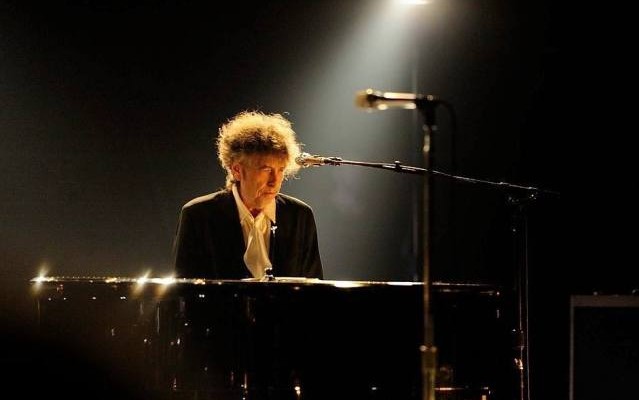
Shortly after Bob Dylan barked out those couplets to the audience at Grand Rapids’ DeVos Performance Hall, he answered his rhetorical question with another recent tune: “I prayed to the cross and I kissed the girls and I crossed the Rubicon”. So it was no surprise that, on a night where the 82-year-old icon genially lorded it over his band and a capacity crowd, another historical JC crept into the setlist too . . .
But let’s rewind. Hitting the stage in a black sequined suit and white hat, Dylan planted himself behind a baby grand piano and promptly dispelled any expectations of a by-the-numbers night of bygone hits. The opener was recognizable as the 1970s deep track “Watching the River Flow” — but only just. Words were stretched out, scrunched together and slurred, melodies recast on the very edge of speech, the original flowing folk song juiced up by jumpin’ R&B from the backup quintet. To top it off, Dylan took all the solos — ranging from inspired rhythmic riffs to maddeningly repeated three-note licks (the kind you played in grade-school piano duets) that occasionally locked in with the band’s chords. The message was clear: “I’m doing whatever I want with these songs tonight. Keep up.”
To their credit, Dylan’s crew did just that, with style to spare. Whether on electric or stand-up bass, long-time musical director Tony Garnier’s pulse was always squarely in the pocket; guitarists Bob Britt and Doug Lancio’s sturdy strumming kept the songs plowing forward, even when their boss pulled back on the melodies and rhythms. With the vehicle in motion, utility player Donnie Herron piled on the colorful trim — floating pedal steel guitar, countrified fiddle, sprightly mandolin. And drummer Jesse Pentecost, the newest band member, gave it all a kick in the pants, changing and chopping the grooves of every tune from Dylan’s latest album of new material, Rough and Rowdy Ways. Nothing was straight off the record: slow blues spread out into shuffles; crawling ballads shifted up a gear to more fluid tempos; the whimsical meditation “Key West (Philosopher Pirate)” turned into film noir, darkening on a dime during an ominous, reharmonized refrain. If details got lost in the roar of the journey, it proved an exhilarating ride. (And Dylan was digging it — late in the set, he introduced the band members by name, which apparently only happens when he’s in a good mood.)
Dylan proved equally daring on a relatively obscure selection of vintage tunes, taking the reinventions of this year’s live-in-studio Shadow Kingdom even farther. “I’ll Be Your Baby Tonight” careened from free-tempo intro to Little Richard stomper (complete with Jerry Lee Lewis piano glisses) to a hard-braked burlesque finale. “To Be Alone With You” got the full honky-tonk treatment, courtesy of Pentecost’s loping backbeat and Herron’s cry-in-your-beer filigree. Given the nature of the night, the biggest surprise wasn’t that Dylan’s fundamentalist calling card “Gotta Serve Somebody” cropped up as a rockabilly-flavored rhumba; it was that the only cover of the set, Chuck Berry’s “Nadine”, was played and sung absolutely straight (and garnered as much applause as anything else)!
Though I’ve gotta say the biggest kick for me was the relaxed finale: “Every Grain of Sand”, one of Dylan’s numerous farewells to whoever or whatever threatened to cramp his style over the decades. A final fruit of his evangelizing years, it proved a graceful closer for the evening, a benediction of sorts on the rapt audience, complete with Bob’s only harmonica solo of the night after the final lyrics:
I hear the ancient footsteps like the motion of the sea Sometimes I turn, there’s someone there, other times it’s only me I am hanging in the balance of the reality of man Like every sparrow falling, like every grain of sand.
At which point, Bob Dylan carefully hobbled to center stage, stood there bathed in applause, smiled, and — the very embodiment of Boomer noblesse oblige — took leave of the 2,000 mere mortals before him, off to future stops on his latest imperial progress.
Unless otherwise noted, title links are typically to Bandcamp for streaming and purchasing, or to Spotify for streaming with a additional purchase link where available.
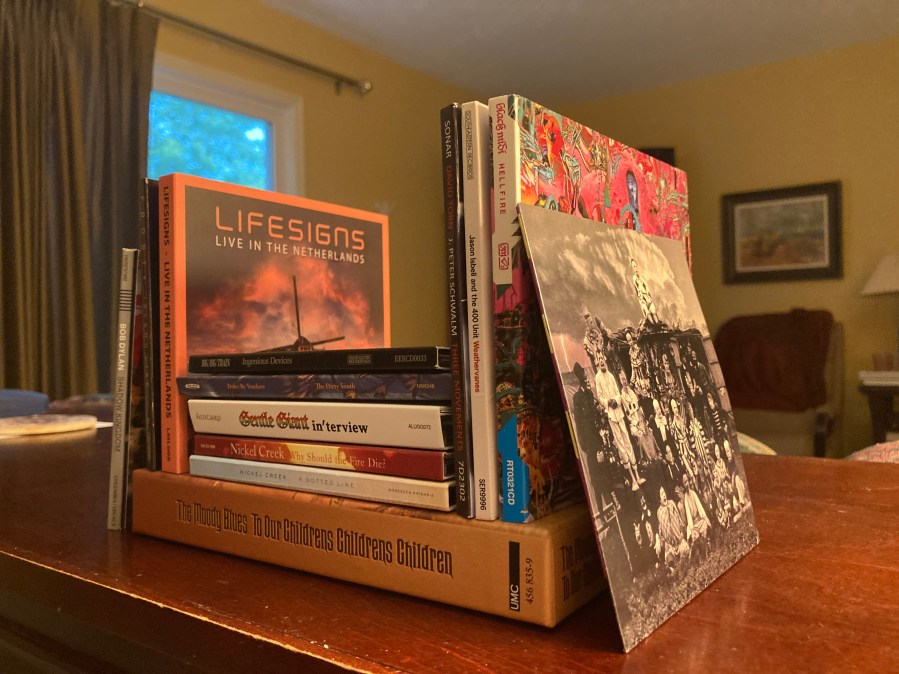
Starting with an obvious choice around these parts: Ingenious Devices proves a winning Big Big Train compilation, featuring Greg Spawton’s life-enhancing explorations of humanity’s drive to expand its reach. Vividly orchestrated reworkings of “East Coast Racer” and “Brooklands” join a remix of Grand Tour’s “Voyager” and a stirring live take of “Atlantic Cable” featuring new lead singer Alberto Bravin; the result is a fresh, vital, thoroughly moving suite of prog epics. Recommended without hesitation!
Southern rockers Drive-By Truckers have also reached back — fleshing out their classic 2004 effort as The Complete Dirty South, the double album they originally conceived. Triple-threat guitarist/songwriters Patterson Hood, Mike Cooley and Jason Isbell reel off tale after compelling tale of characters caught in desperate circumstances, torn between bad choices, clinging to vagrant hopes. Their rampaging hard-rock energy, seasoned with delicate country soul balladry, is what elevates the whole concept beyond haunted fatalism to an intense meditation on courage in the face of overwhelming odds. (Having left the DBTs in 2007, Jason Isbell continues to go from strength to strength. His brand-new effort with The 400 Unit, Weathervanes, brings tons of sharp writing and fiery playing to a clutch of deeply empathetic Americana narratives, topped with irresistible choruses and just a pinch of classic rock a la Bruce, The Byrds and Neil Young. Whatever your take on country music, you really shouldn’t miss either of these.)
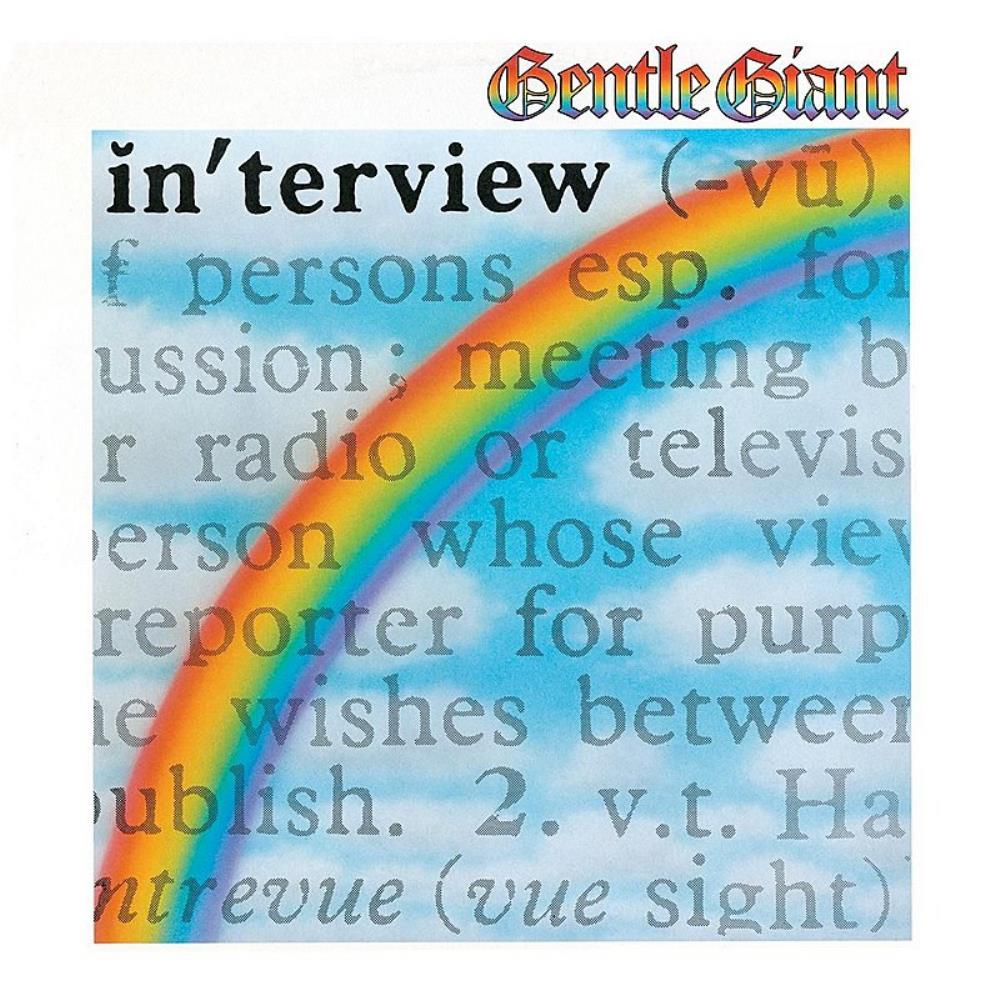
Also on the reissue front, Gentle Giant’s 1976 effort Interview now has a spruced-up, punchy remix from Steven Wilson (available here) that breezily clarifies the British quintet’s counterpoint vocals (“Design”), interweaving instrumental lines (the title track, frenetically funky closer “I Lost My Head”) and multistylistic hijinks (the unanticipated reggae chorus of “Give It Back”). The Moody Blues’ second release of 1969, To Our Children’s Children’s Children, becomes their third vintage set to get the multi-disc box treatment – though it’s only available digitally in the US. While the album proper leans toward studio psychedelia laced with wispy slow-dance tunes and the odd cabaret flourish, the bonus live tracks (including a complete set from the Royal Albert Hall) reveal the Moodies as quite the stomping rock outfit, slipping the leash on the album’s single “Gypsy,” the encore “Ride My Seesaw” and core tracks from Days of Future Passed.
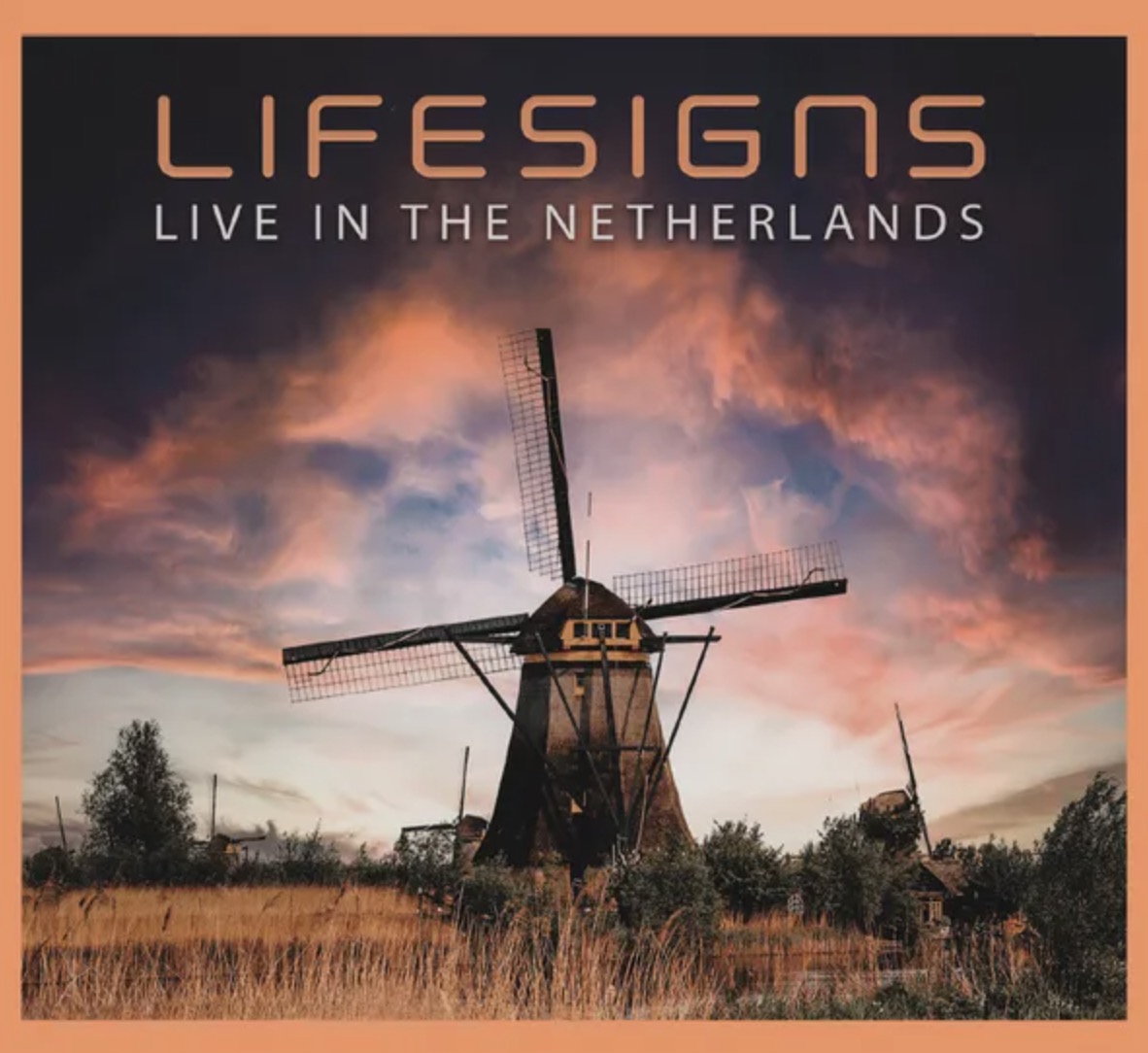
Live releases have picked up again as well. For their concert video debut Island Live (available through Magenta’s Tigermoth label), Jem Godfrey’s tech-forward quartet Frost* reap a whirlwind harvest of monumentally proportioned prog. With bassist Nathan King and drummer Craig Blundell anchoring the jumpy polyrhythms, guitarist John Mitchell and keyboardist Godfrey eagerly splatter as many unhinged solos as possible across devilishly ingenious harmonic structures, singing their hearts out all the while. (Check out a video sample here.) Prefer calmer (though no less extended) sonic voyages? Lifesigns’ Live in the Netherlands should be just the ticket. Leaning on the music from 2021’s Altitude, keyboardist/composer John Young and guitarist Dave Bainbridge prove steady hands on the wheel, soothing the soul as they scale the majestic heights of “Open Skies,” “Ivory Tower” and “Last One Home”. (One other winner from outside the genre: for a 2021 COVID-time video, Bob Dylan fused his recent rummagings amongst the blues and pre-rock vocal stylings to revitalize his vintage repertoire. The unplugged sorta-soundtrack Shadow Kingdom is the winning result; order it here.)
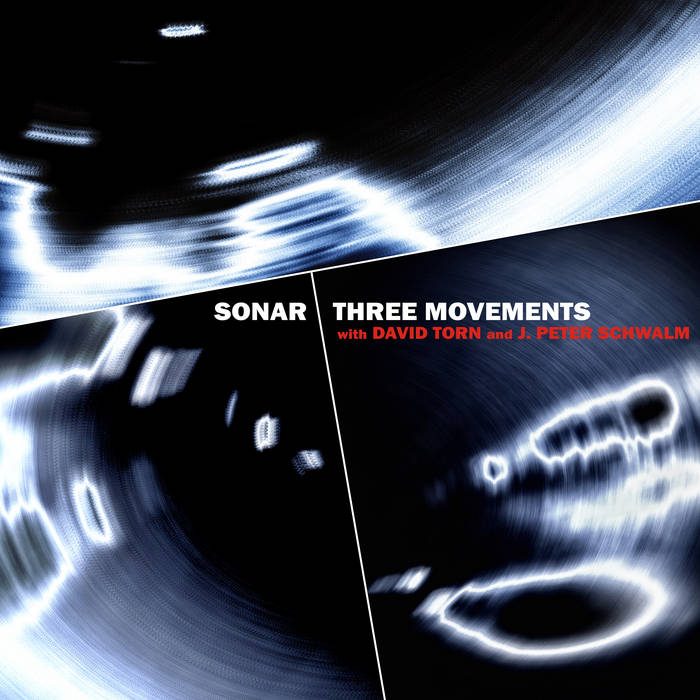
Speaking of concerts, my prep for a recent show by British “post-Brexitcore” bashers black midi included their latest album Hellfire, which hit plenty of 2022 best-of lists in and out of the prog world. A detailed live review is forthcoming; suffice to say that on record, bm’s dense, anarchic musical interaction tracks all too well with their jaundiced first-person lyrical vignettes — it’s postmodern life as absurd, unstoppable apocalypse. A welcome bonus from that concert was meeting Mike Potter, Renaissance man of the Eastern Seaboard — astrophysicist, former recording studio owner and a whiz on keys, woodwinds and vocals too! Potter’s band Alakazam has just released their fourth disc, Carnival Dawn; it’s a heady conceptual effort that stirs equal parts Ray Bradbury and Stephen King into a bubbling stew garnished with ominous Mellotron, creepy clarinet and saxophone, and the wondrously deranged verbal musings of sundry evil clowns. By the pricking of my thumbs, it’s worth a listen — if you dare. And for a coolly energizing dose of order to chase the above chaos, you won’t do better than Sonar’s new Three Movements. Here Stephen Thelen and company harness a genuinely symphonic tension, building up towering rhythmic edifices that reach dizzying heights; at the climaxes, as guests David Torn on guitar and J. Peter Schwalm on electronics launch volley after volley of improvised ambience, the tension breaks, the clouds clear, and you might just hear the music of the spheres!
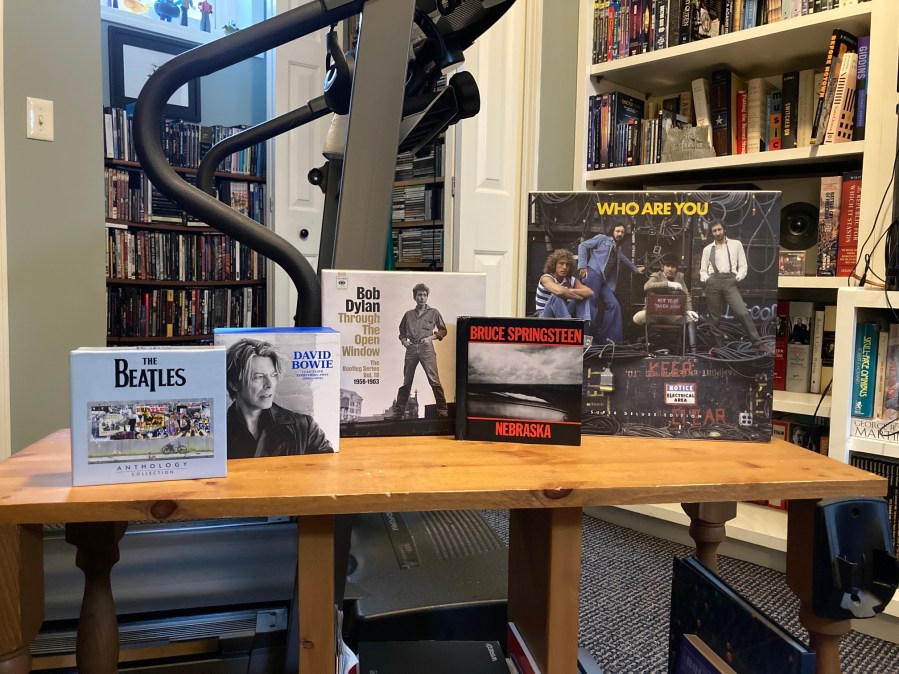
As previously promised, a look at the big reissues landing in the next few months — especially those available in one or more box set formats. Ordering links are embedded in the artist/title listings below.
Out Now:
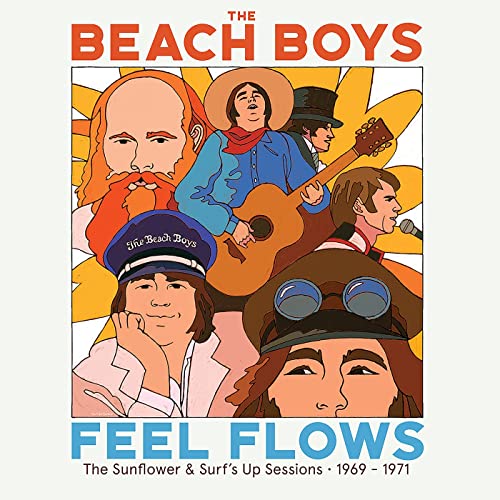
The Beach Boys, Feel Flows – TheSunflower and Surf’s Up Sessions, 1969-1971: between their initial impact and their imperial phase as timeless purveyors of fun fun fun, Brian Wilson and his family pursued heaviness and relevance in a market that thought it had outgrown them — at least for the moment. This slice of the Boys’ catalog features less slick, more homespun takes on their timeless concerns (the same amount of girls, less cars, more daily life), with Wilson brothers Dennis (on Sunflower) and Carl (on Surf’s Up) taking the lead. The brilliant moments — “This Whole World,” “Forever,” “Long Promised Road,” “Til I Die” for starters — outweigh the embarrassingly dated ones, and music to make you smile is never too long in coming. Available from The Beach Boys’ webstore as 2 CDs, 5 CDs, 2 LPs or 4 LPs (colored vinyl).
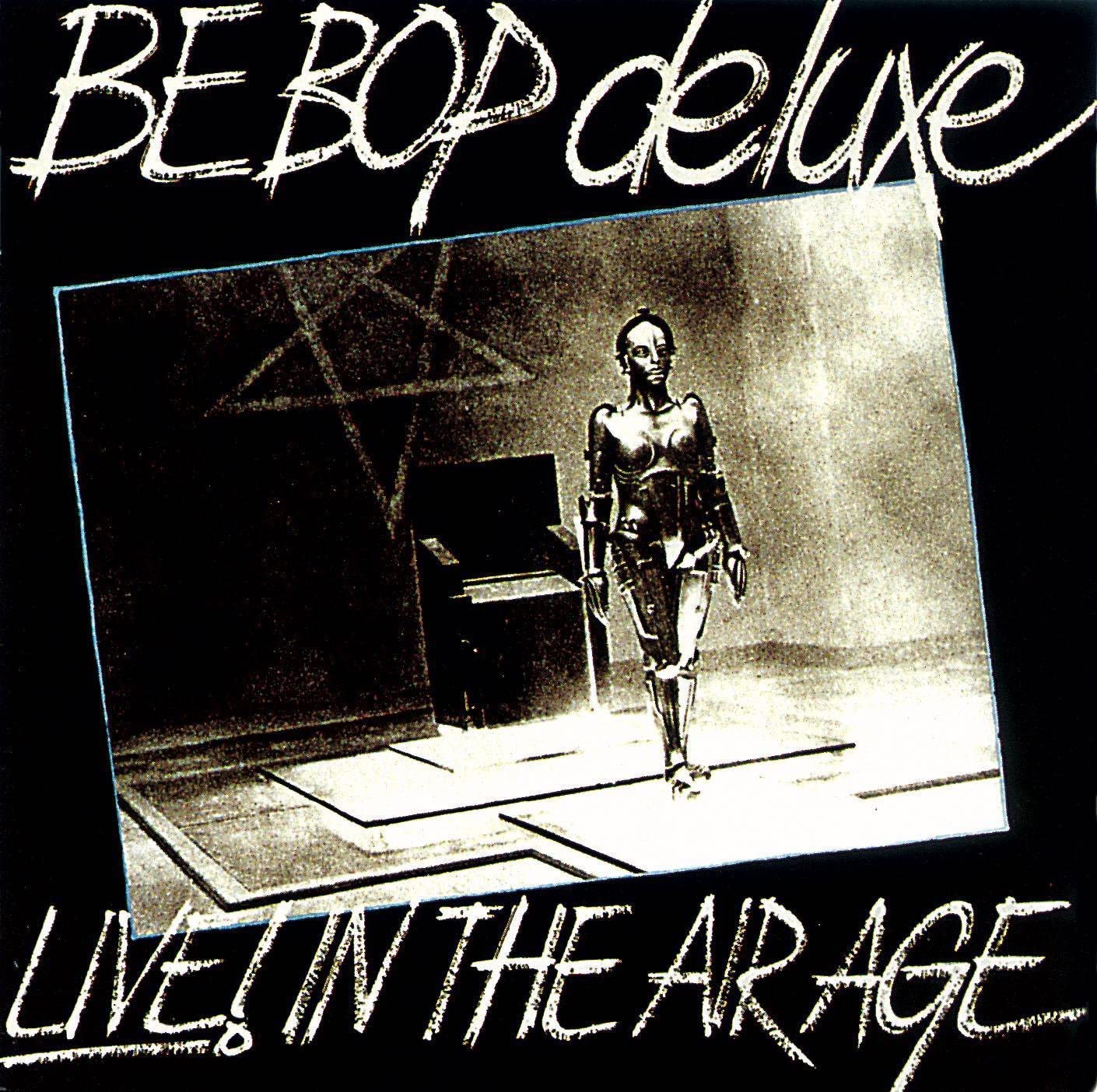
BeBop Deluxe, Live in the Air Age:when Bill Nelson’s avant-glam guitar heroics didn’t generate bigger record sales, a live album was the next obvious move for this sterling British quartet. Better chart positions weren’t forthcoming, but 1977’s Live in the Air Age is an exquisite slab of BBD at work — Chuck Berry updated for the Apollo era, with a bit of Bowie/Mercury panache in Nelson’s vocals and blazing solos aplenty. Available from Esoteric Recordings as 3 CDs (adding the complete 1977 London concert) or 15 CDs/1 DVD (adding all surviving recordings from the 1977 British tour and a live television special).
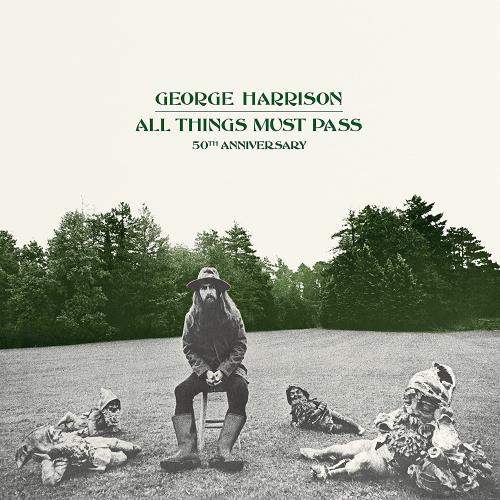
George Harrison, All Things Must Pass: the quiet Beatle exploded on his first album after the Fabs’ breakup, immersing his radiant devotional compositions in Phil Spector’s patented Wall of Sound and drafting Ringo, Badfinger and the embryonic Derek and the Dominoes as his rock orchestra. The new remix scales back the symphonic swirl, brings forward George’s vocals, and gives the rhythm section a kick in the pants; just right to these ears. A serious contender for the single best solo Beatle album, well worth an immersion course. Available from the Harrison webstore in Standard (2 CDs or 3 LPs — limited colored vinyl available as well), Deluxe (3 CDs or 5 LPs), Super Deluxe (5 CDs/BluRay or 8 LPs) and Uber Deluxe (5 CDs/BluRay/8 LPs/various bespoke gimcracks/”artisan wooden crate” — you don’t wanna know what it costs) editions.
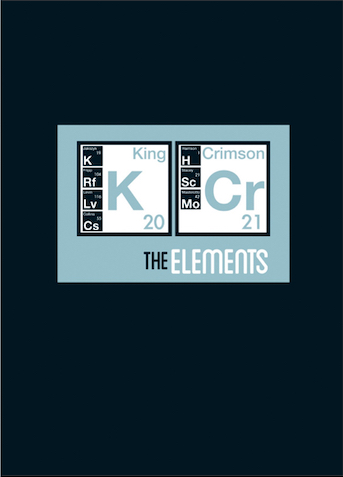
The Elements of King Crimson – 2021 Tour Box: the 7th annual compilation of tidbits from the Discipline Global Mobile archives, doubling as a concert program. This year’s selection of rarities focuses on the nine drummers that have called King Crimson their musical home (sometimes two or three of them at once). Studio snippets – like the one with Fripp, John Wetton on bass and Phil Collins on drums – live tracks, oddities, previews of coming attractions, and more. Available from Burning Shed or on Crimson’s current USA tour.
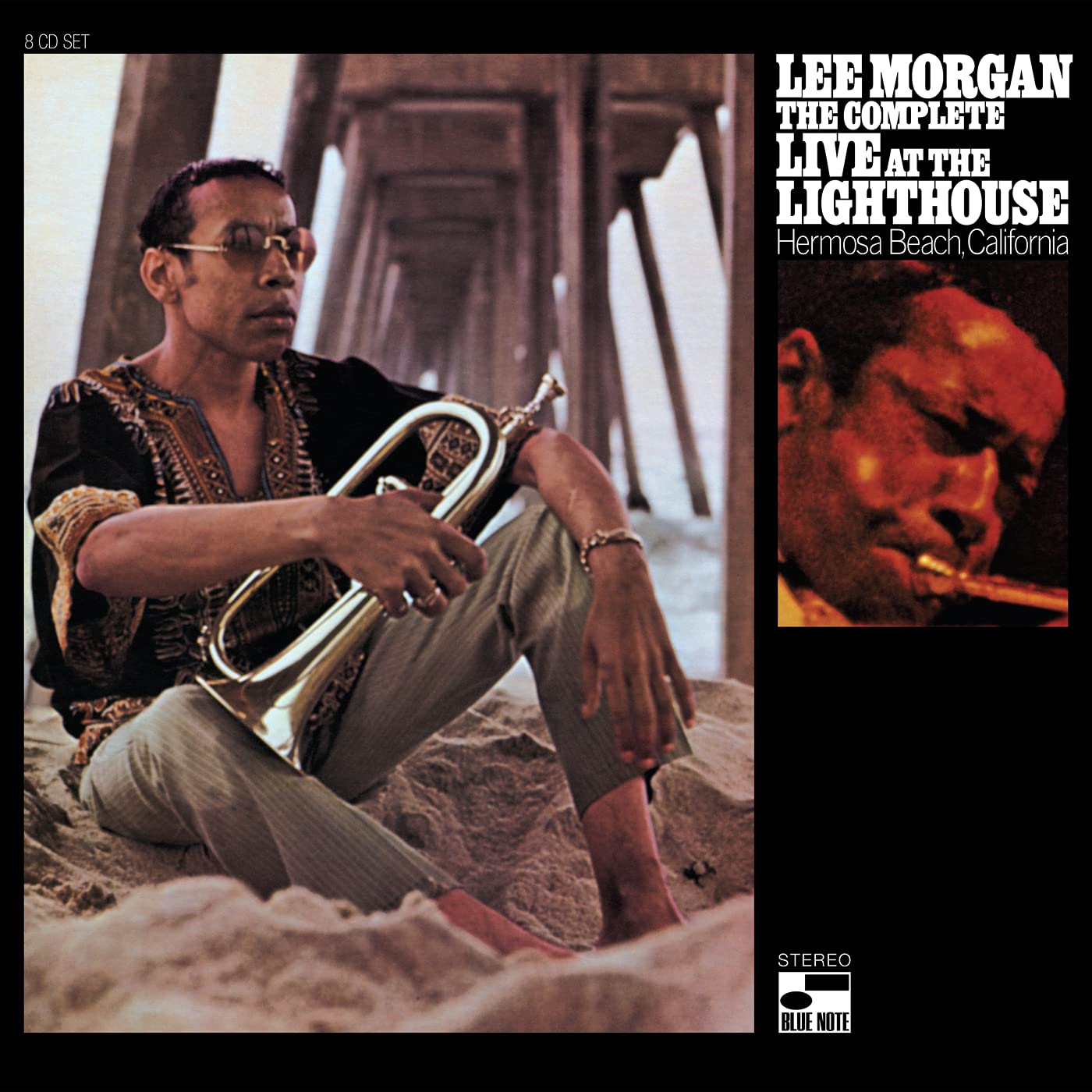
Lee Morgan, The Complete Live at the Lighthouse: never a mass media superstar, Morgan was nonetheless a jazz icon — one of the finest trumpeters of his day who played with heroes of the music like Art Blakey and John Coltrane, recorded more than 20 albums as a leader for Blue Note Records, and even managed to score a Top 25 pop hit with his funky “The Sidewinder.” This box (another product of jazz archivist Zev Feldman’s boundless energy) sets forth an entire weekend’s worth of recordings by Morgan and his dedicated, powerful 1970 band. Bennie Maupin on reeds, Harold Mabern on piano, Jymie Merritt on bass and Mickey Roker on drums bring the sophisticated, challenging compositions and spirited solos and backing; Morgan takes it from there, lyrical and fiery in turn. This is a great potential entry point if you want to explore jazz as a newbie, and a serious desert island possiblility for those already into the music. Available from Blue Note’s webstore as 8 CDs or 12 LPs.
Clive Nolan and Rick Wakeman, Tales by Gaslight: keyboardists Nolan (Pendragon, Arena) and Wakeman (Yes, Strawbs) box up their out-of-print concept albums Jabberwocky (with dad Rick W. reciting Lewis Carroll’s nonsense verse) and The Hound of the Baskervilles, adding a bonus disc collecting rough drafts of a 3rd album based on Frankenstein. Separate booklets and art prints for each of the 3 CDs included. Theatrical as all get out, and surprisingly good fun if you’re in the mood for Victorian-flavored melodrama. Available from Burning Shed.
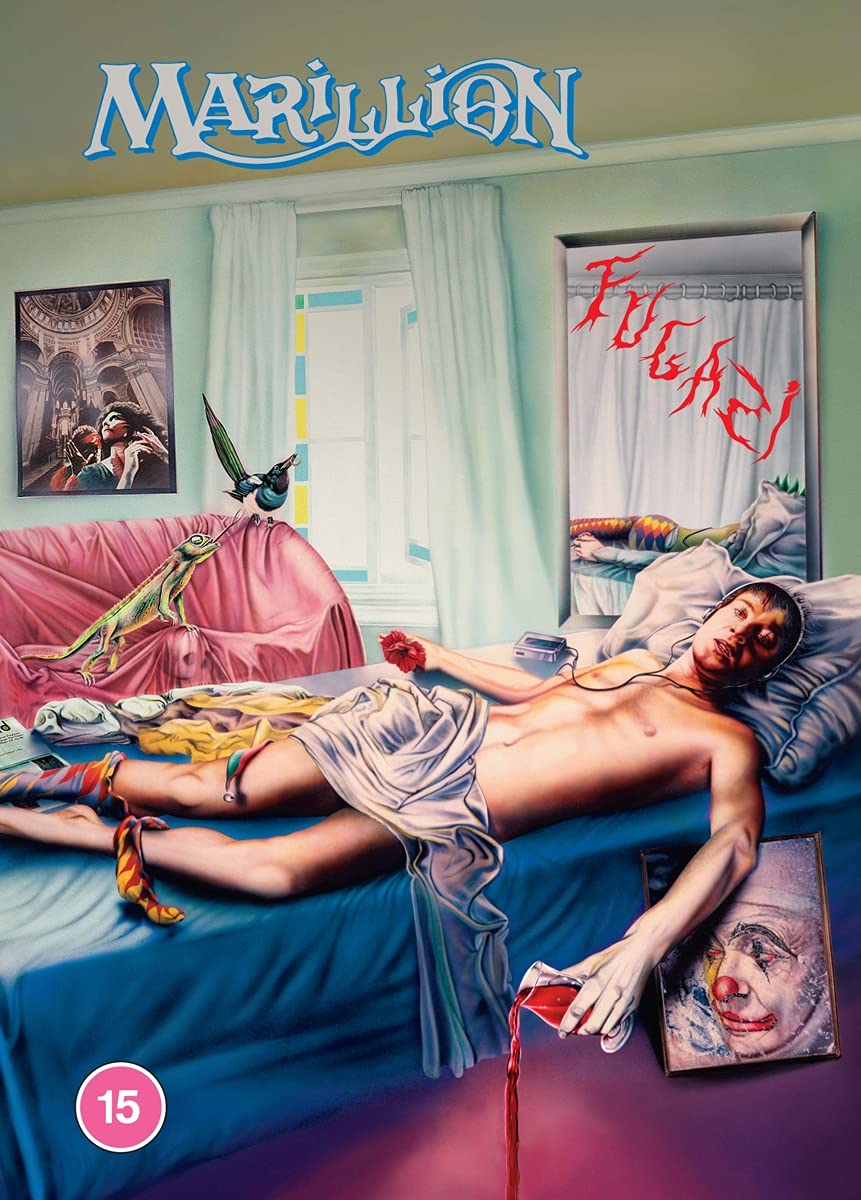
Marillion, Fugazi: the band’s 1984 album, perceived as a “sophomore slump” at the time, is much more than a bridge between the feral debut Script for A Jester’s Tear and the early masterwork Misplaced Childhood, with plenty of gripping moments to recommend it. A new remix by Andy Bradfield and Avril Mackintosh compensates handily for the production nightmares recounted in this deluxe edition’s copious notes. Also includes a complete live set from Montreal; the CD/BluRay version adds bonus tracks, documentaries, and a Swiss television concert. Out September 10; pre-order from Marillion’s webstore as 4 CDs/BluRay or 4 LPs.
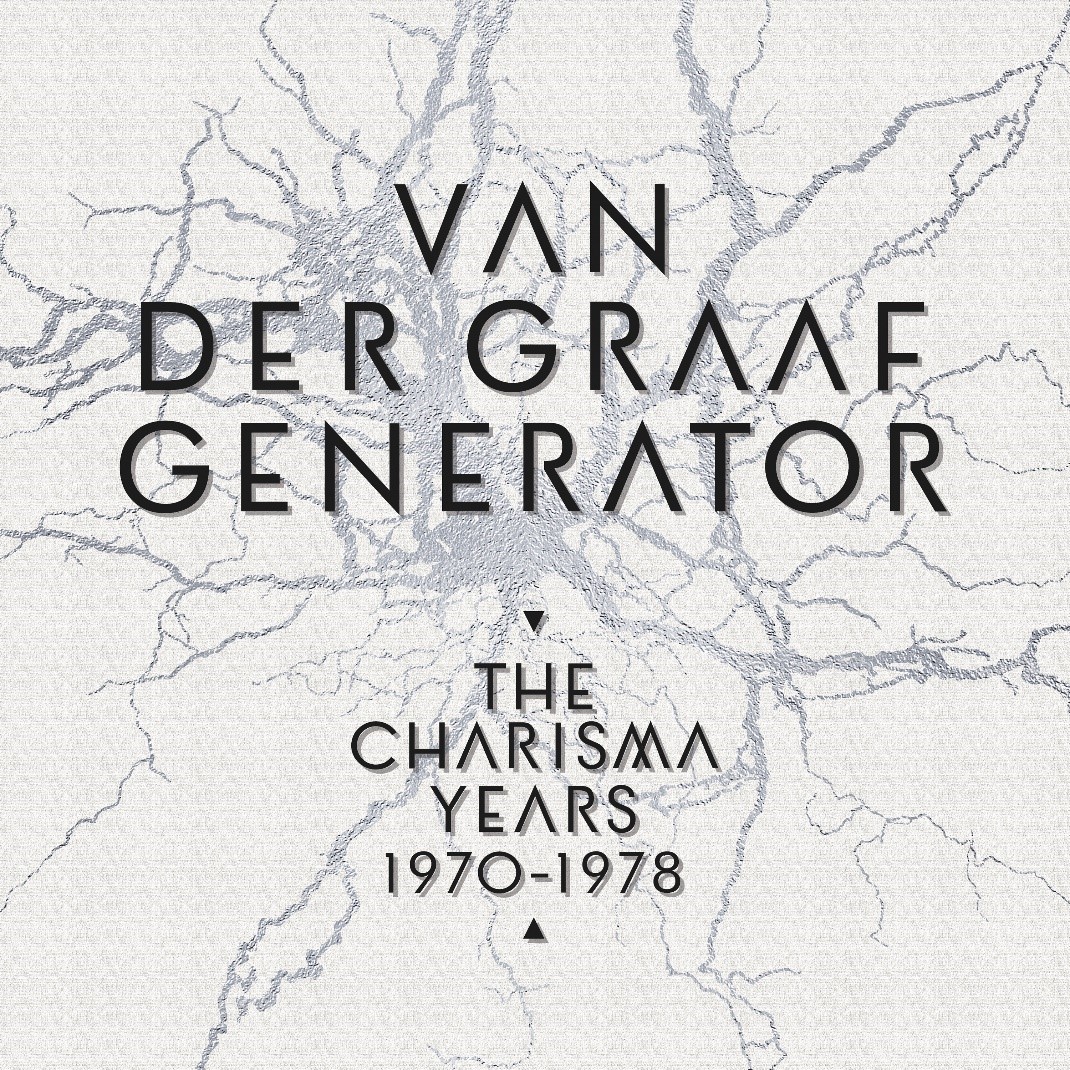
Van der Graaf Generator, The Charisma Years, 1970-1978: VDGG may have shared the stage with Genesis in each band’s formative years, but they were a thoroughly different beast. Peter Hammill’s desperate existential narratives and the wigged out instrumental web woven by David Jackson, Hugh Banton and Guy Evans made for a unique, highly combustible chemistry — bonkers dystopian sci-fi narrative over free jazz one moment, raggedly soaring hymns to human potential the next. This 17 CD/3 BluRay set collects the band’s 8 studio albums from the Seventies, adding extensive BBC sessions, a live show from Paris, all surviving television appearances “and more.” Now available from Burning Shed; the four newly remastered albums in this box (H to He Who Am the Only One, Pawn Hearts, Godbluffand Still Life) are available as separate CD/DVD sets for those wanting a lower priced introduction to this underrated band’s indescribably stirring music.
October:
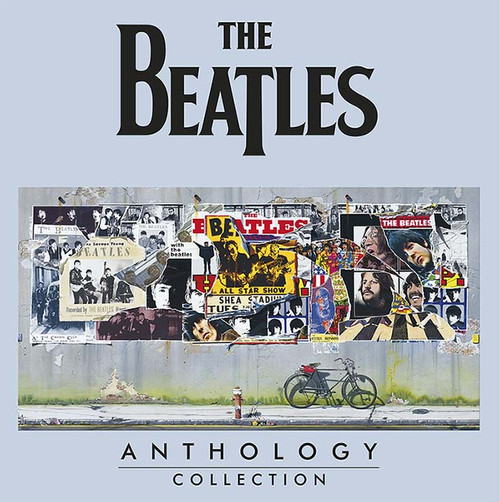
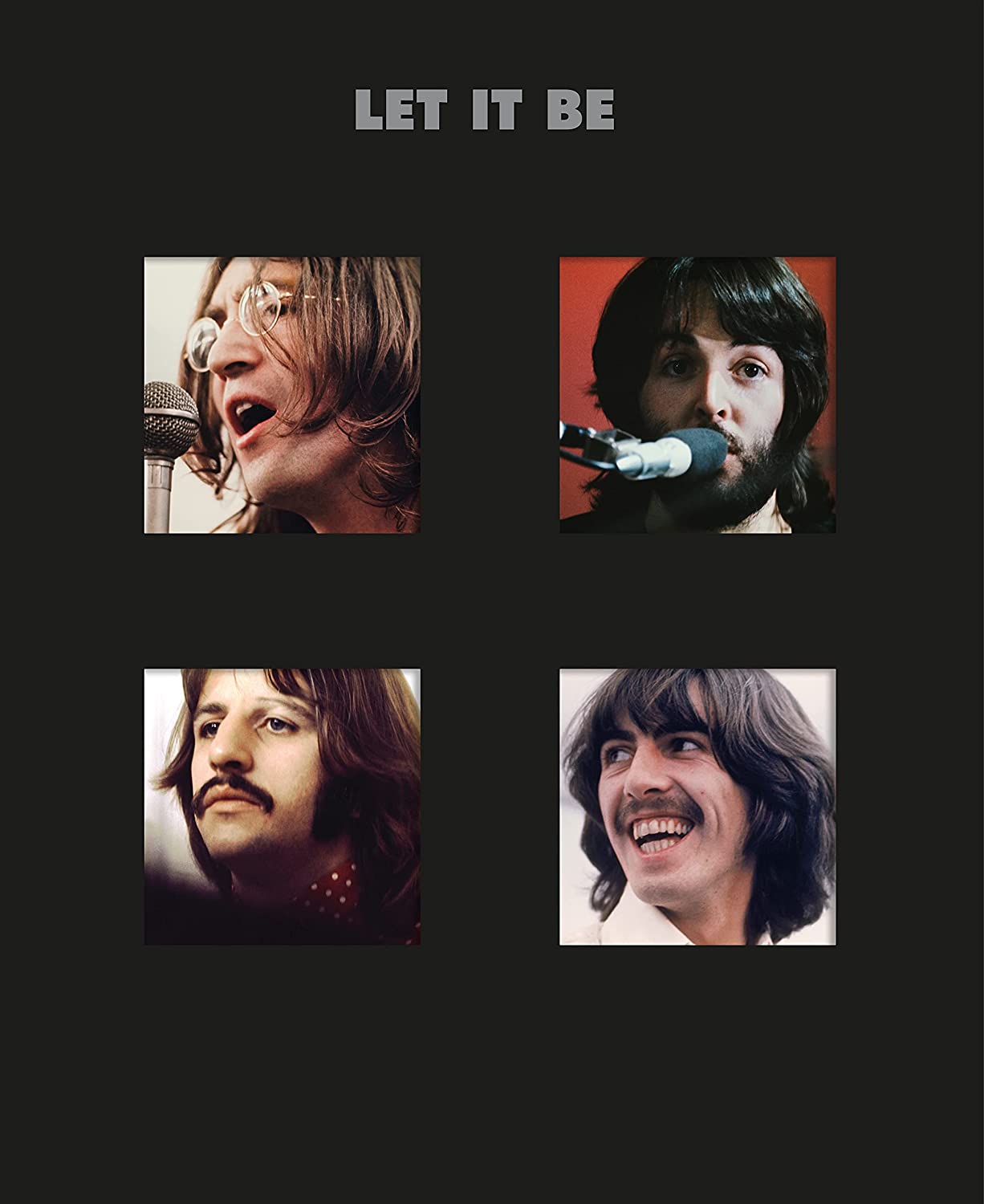
The Beatles, Let It Be: the Fab Four’s star-crossed attempt to return to their roots – recording live in front of movie cameras – ultimately became their first post-break-up release, drenched with Phil Spector’s orchestral overdubs to cover the rough spots. With a new 6-hour Peter Jackson documentary on the sessions hitting Disney Plus Thanksgiving weekend, Apple unleashes a fresh stereo remix (the 4th in the series that kicked off with Sgt. Pepper’s 50th anniversary). Super Deluxe versions also include 27 sessions tracks, a 4-track EP and a test mix of Get Back, the proposed original version of the album. Out October 15th; pre-order from the Fabs’ webstore in Standard (1 CD or 1 LP), Deluxe (2 CDs with selected bonus tracks) and Super Deluxe (4 CDs/1 BluRay or 4 LP/1 EP) editions. (The companion book of photos and transcribed conversations from the sessions, Get Back, is released on October 12.)
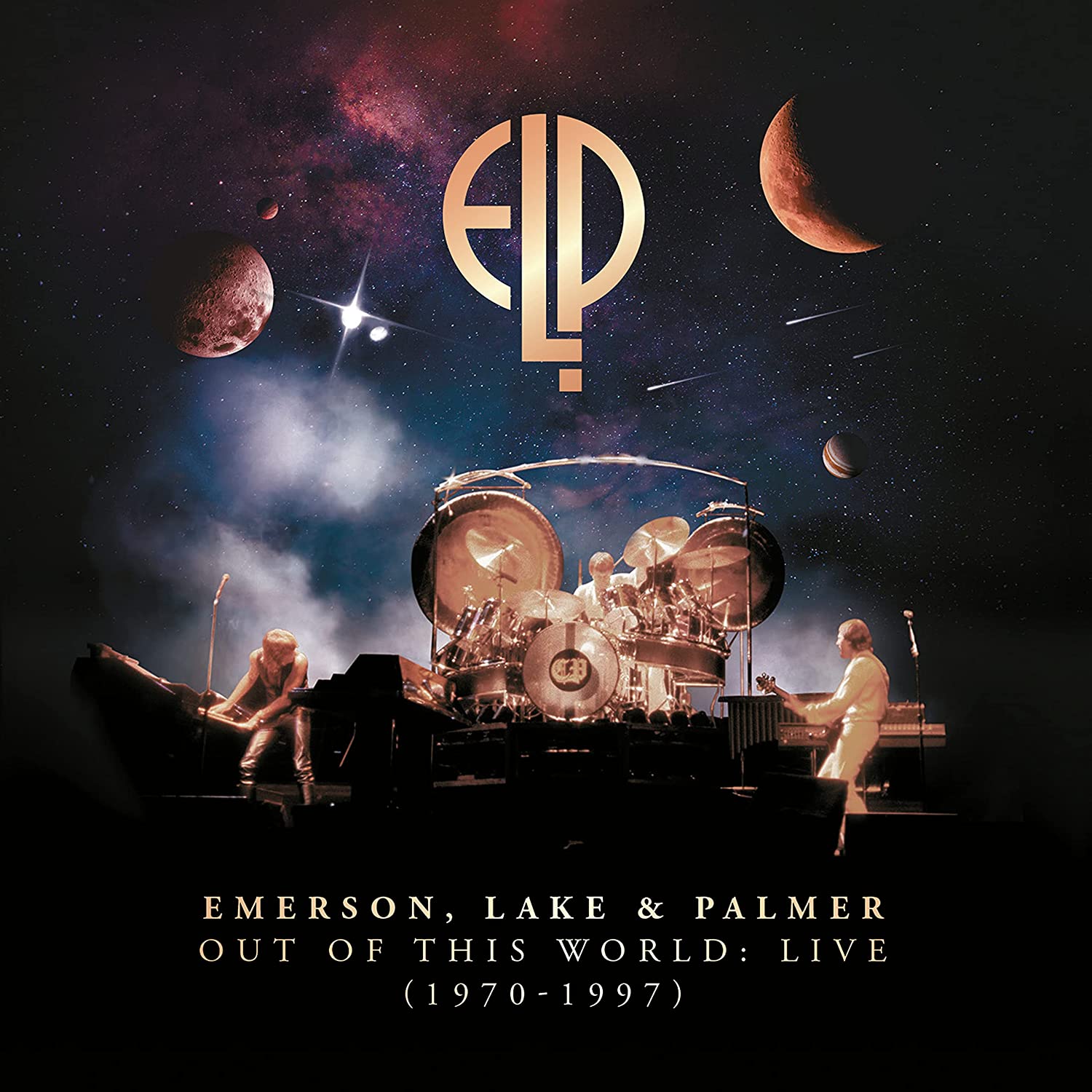
Emerson Lake and Palmer, Out of This World – Live (1970-1997): a compilation of key live shows in ELP’s history: their 1970 debut at the Isle of Wight Festival; a career peak show at the 1974 California Jam; the 1977 full-orchestra extravaganza at Montreal’s Olympic Stadium; 1992’s comeback concert at London’s Royal Albert Hall; and a previously unreleased 1997 show from Phoenix, Arizona. Out October 29; pre-order from ImportCDs as 7 CDs or 10 LPs.
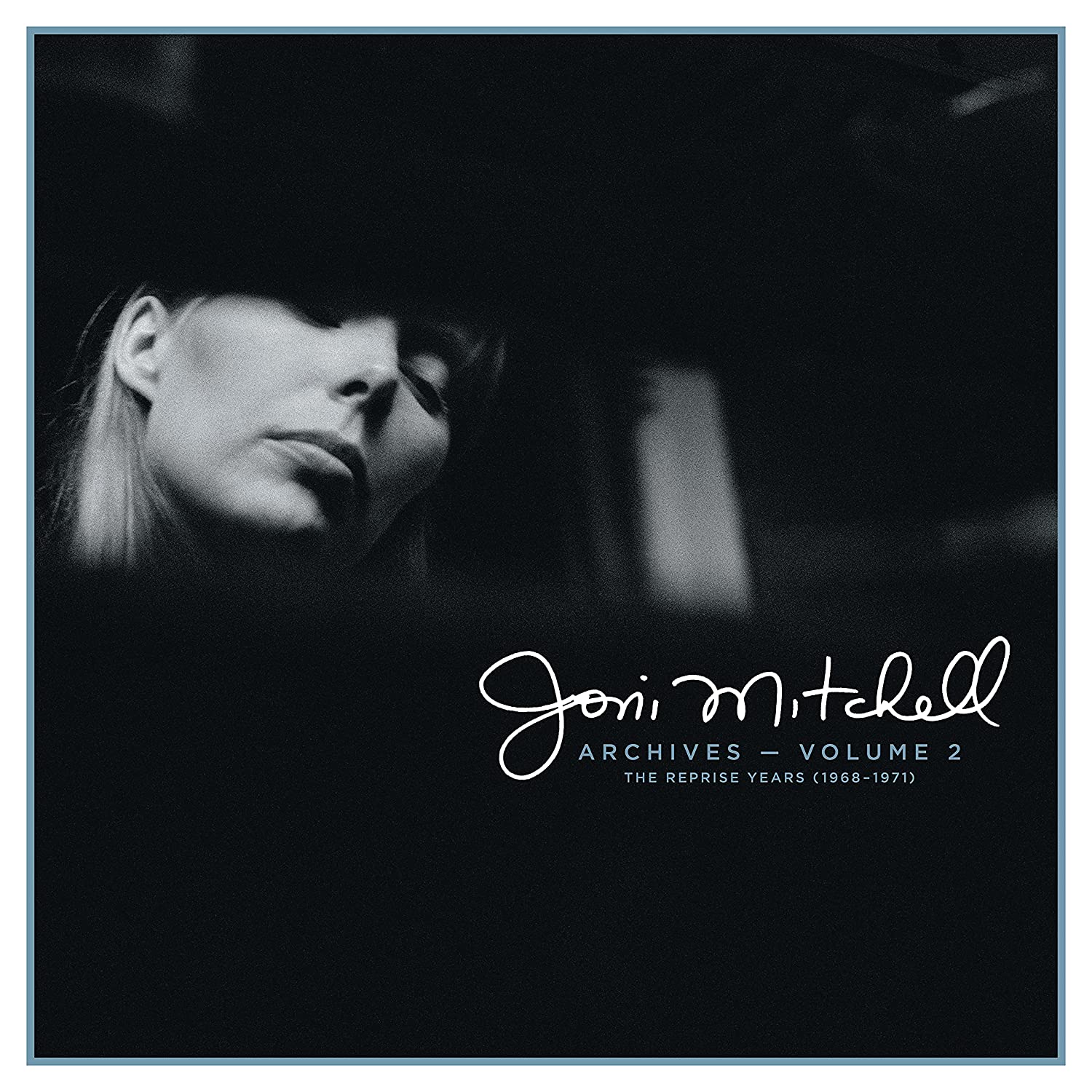
Joni Mitchell, Archives , Volume 2 – The Reprise Years (1968-1971): more archival recordings from the early days of Mitchell’s recording career. Home and studio demos, outtakes, unreleased songs, her Carnegie Hall debut and much more — a complete acoustic set recorded by a enraptured Jimi Hendrix, anyone? Out October 29; pre-order from Mitchell’s webstore on 5 CDs or 10 LPs (4000 copies only), The Carnegie Hall concert is available separately on 3 LPs (black or white vinyl).
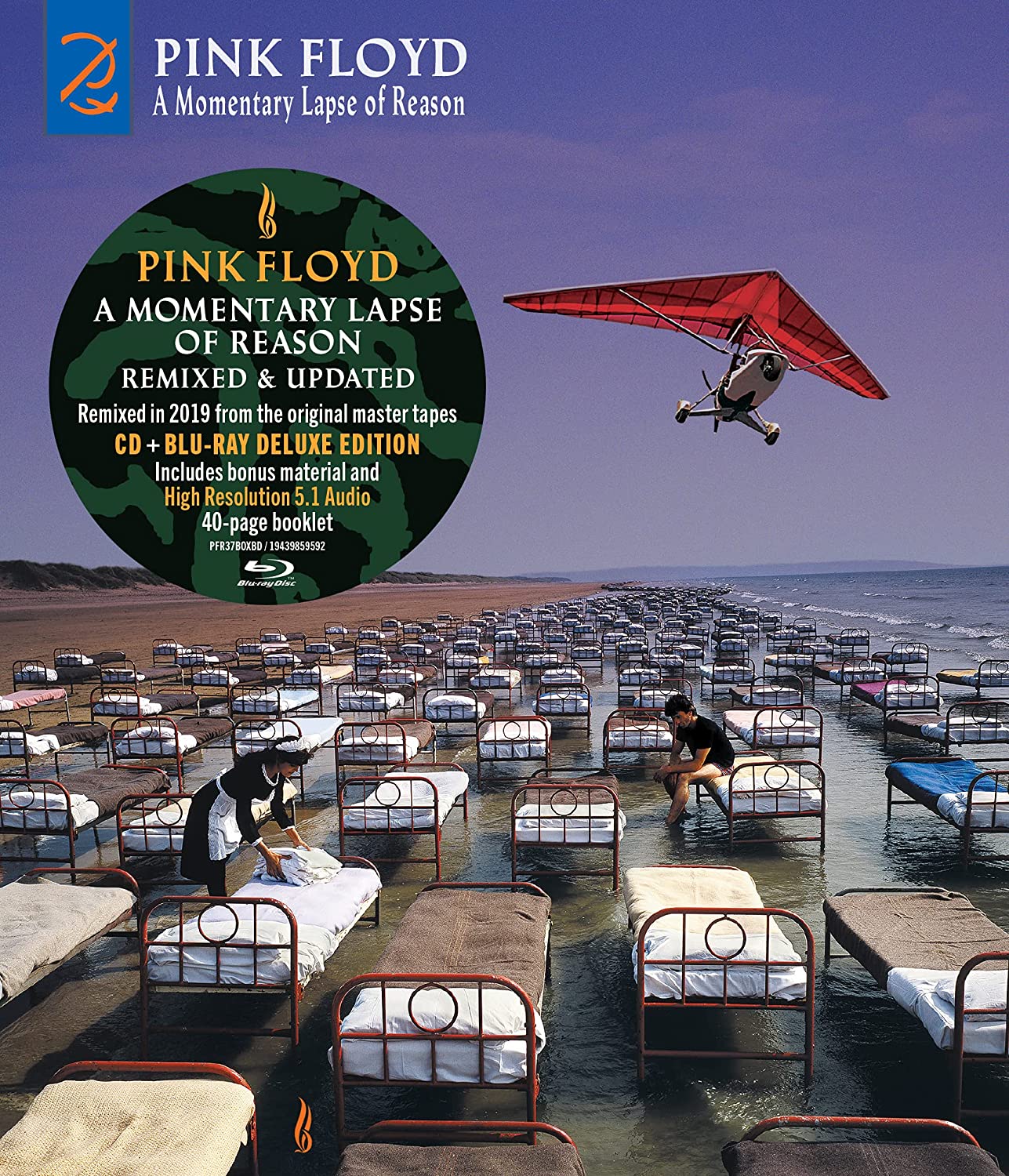
Pink Floyd, A Momentary Lapse of Reason (Remixed and Updated): the 2019 remix of Floyd’s post-Roger Waters comeback from the opulent The Later Years box, now available on its own. “Sounds less like the 1980s, more like classic Floyd” is the party line here. Out October 29; pre-order from Floyd’s webstore in 1 CD, CD/DVD, CD/BluRay or 2 LP formats.
November:
Genesis, The Last Domino? Yet another compilation of Genesis’ greatest hits, fan favorites and core album cuts, released just in time for their first US tour in 14 years. No real surprises in the track selection, but the blurbed promise of “new stereo mixes” of four Gabriel-era classics is intriguing. Out November 19; pre-order from Genesis’ webstore on 2 CDs or 4 LPs. (The UK version of this compilation, out September 17, sports a slightly different track list.)
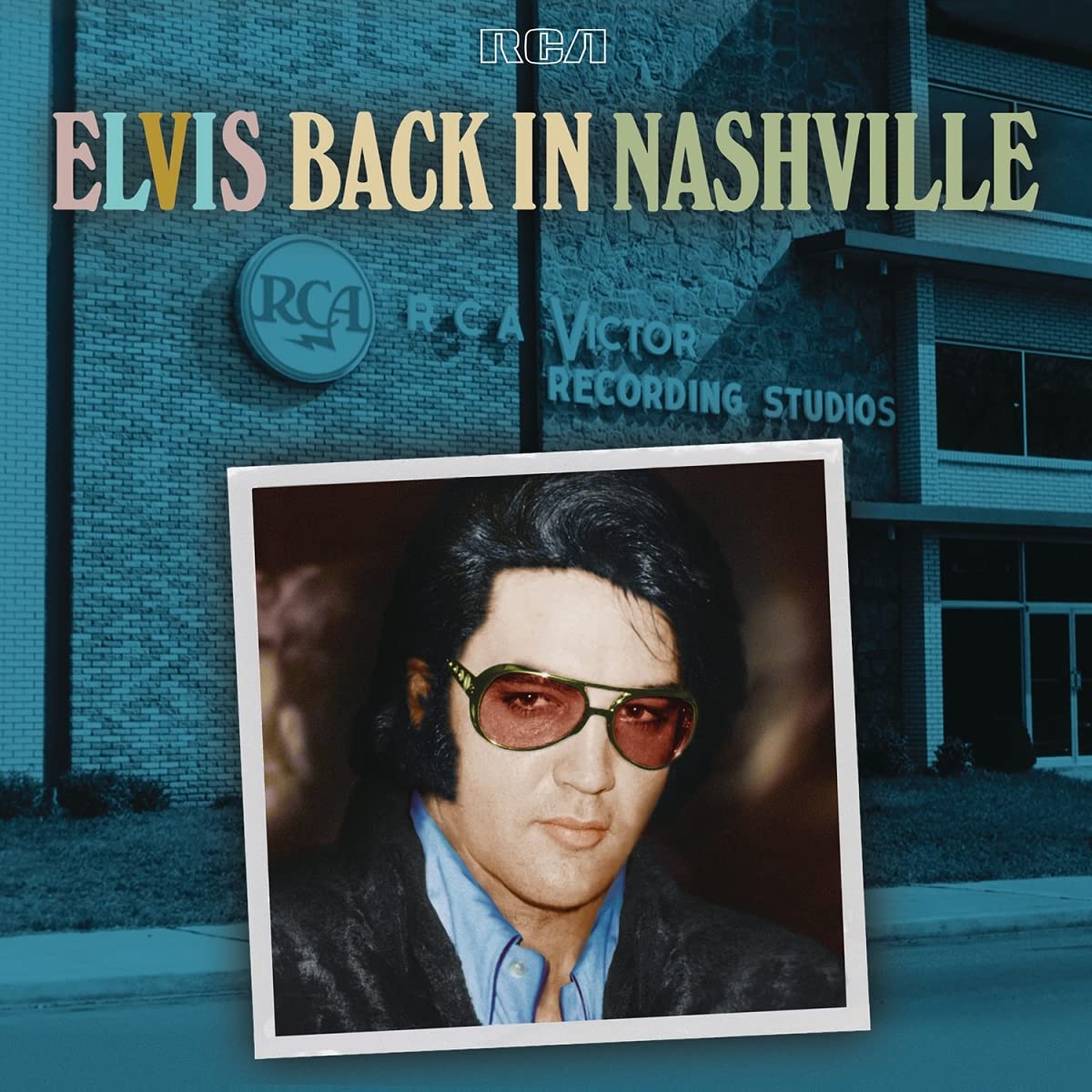
Elvis Presley, Back in Nashville:the King’s final sessions in Music City, stripped of overdubs a la last year’s From Elvis in Nashville box, that yielded material for three years worth of albums. 82 tracks encompassing country/folk, pop, religious music and Christmas music. Out November 12; pre-order from the Presley webstore on 4 CDs or 2 LPs.
In the Works (release date forthcoming):
Robert Fripp, Exposures: another exhaustive (and potentially exhausting) set from Discipline Global Mobile. This one promises to cover Fripp’s “Drive to 1981,” including his guest-star-heavy solo debut Exposure, the ambient Frippertronics of God Save the Queen and Let the Power Fall, and the egghead dance music of Under Heavy Manners and The League of Gentlemen. Tons of live gigs promised to supplement rarities and studio outtakes.
Marillion, Holidays in Eden: the new Marillion album (now officially titled An Hour Before It’sDark) may push this further back on the release schedule, but Steve Hogarth’s second effort with the boys (an intriguing effort that tried and failed to go commercial) is next up for the deluxe reissue treatment.
Porcupine Tree, Deadwing:a promised deluxe set in the vein of 2020’s In Absentia. Internet gossip flared up when Steven Wilson, Steve Barbieri and Gavin Harrison were rumored to have reset the band’s legal partnership earlier this year; who knows how or when the Tree may blossom again?
Renaissance, Scheherezade and Other Stories: coming from Esoteric Recordings, the folk-prog quintet’s finest hour in the studio, melding orchestral grace with an Arabian Nights theme for the half-hour title track. If this is in the vein of other recent Renaissance issues, hope for a multi-disc set with a bonus live set and a surround remix.
More new music, live albums, reissues (regular, deluxe & super-deluxe) and even books about music heading our way between now and Christmas? Yep. Following up on my previous post, it’s another exhaustive sampling of promised progressive goodies — along with other personal priorities — below. Click on the titles for pre-order links — whenever possible, you’ll wind up at the online store that gets as much money as possible directly to the creators.
Marillion with Friends from the Orchestra: 9 Marillion classics re-recorded by the full band, the string quartet In Praise of Folly, flautist Emma Halnan and French horn player Sam Morris. Available on CD.
A Prog Rock Christmas: Billy Sherwood produces 11 holiday-themed tracks from the typical all-star cast (members of Yes, Utopia, Flying Colors, Renaissance, District 97, Curved Air and more). Download and CD available now; LP available November 1.
October 25:
King Crimson, In the Court of the Crimson King (50th Anniversary Edition): featuring brand new stereo and surround mixes in 24/96 resolution by Steven Wilson. Available in 3 CD + BluRay or 2 LP versions. (Note that the new mixes will also be included in the Complete 1969 CD/DVD/BluRay box set, which has been delayed until 2020.)
Van Morrison, Three Chords and the Truth:14 new songs from Van the Man, available in digital, CD or LP versions.
Neil Young & Crazy Horse, Colorado: the first Young/Horse collaboration since the 2012 albums Americana and Psychedelic Pill, available in CD or 2LP versions.
Dawn Eden has a theologically astute review of the Bob Dylan box set Trouble No More over at Angelus. Here’s a taste:
It is a long way from the almost pugilistic attitude of the opening track of “Slow Train Coming,” in which he announces in his best Bobby Zimmerman sneer, “You’re gonna have to serve somebody,” to the heart-wrenching introspection of the final track of “Shot of Love,” “Every Grain of Sand”: “There’s a dyin’ voice within me reaching out somewhere / Toiling in the danger and in the morals of despair … I am hanging in the balance of the reality of man / Like every sparrow falling, like every grain of sand.”
“Trouble No More,” in showcasing versions of those songs and dozens more from Dylan’s gospel period, affords a wealth of insights into what took place between those two moments. It is a moving chronicle of the believer’s journey toward the virtue of true Christian hope, in the sense that Aquinas means when he defines hope as desiring an unimpeded union with God in the manner of “a future good, difficult but possible to obtain.”
And so it was that, for a few years at the cusp of the 1980s, Woodstock Nation’s greatest revolutionary rebelled against rebellion itself, against the old enemy whom Saul Alinsky in “Rules for Radicals” admired as “the very first radical.” Although he afterward returned to secular music, he never disavowed it. In fact, in 2015, when receiving the MusiCares Person of the Year Award, he even indicated a desire to record another gospel album.
The only footnote to her analysis that I would add would be to argue that the subsequent track “Ring Them Bells” from Oh Mercy (1989) is one of Dylan’s best songs ever, right up there with the aforementioned “Every Grain of Sand,” because it epitomizes what Dylan learned in his Gospel period, and yet also signals a shift beyond his Vineyard theological training, both with its explicit mention of “St. Peter” and also its intensely mystical mode of vision.
I’m not a hardcore Bob Dylan fan, but I admire quite a bit of his work: the early folk music, leading into the groundbreaking electric stuff (basically what’s in The Original Mono Recordings box set); Blood on the Tracks and Desire; the recent run of “old guy plays the blues” albums that started with Time Out of Mind. I’m also grateful that Dylan’s music has midwifed some of the most resonant work by highbrow rock writers like Greil Marcus, Clinton Heylin and Michael Gray, along with poet Christopher Ricks’ masterful Dylan’s Visions of Sin.
To top all that off, Dylan’s Bootleg Series is, in my mind, one of the best-curated rarities/reissue series from a major artist. Every volume has been at least an interesting listen for me, and I consider the last two releases, The Basement Tapes Complete and The Cutting Edge 1965-1966 (as well as Volume 4, The ‘Royal Albert Hall’ Concert) downright essential.
I also remember, as a college freshman, reading Jann Wenner’s review of Dylan’s Slow Train Coming in Rolling Stone. Wenner knotted himself into a human pretzel trying to reconcile the free-spirited, hippie picture of Dylan he had built up for himself with a new album of — shudder — “born-again Christian” music. It was unintentionally hilarious.
I’d argue that Slow Train Coming was really more of an “lost Old Testament prophet” kind of record — and thus in line with Dylan’s long-term aesthetic. It wasn’t a masterpiece, but it was quite good — and there were occasional fine songs on the other “Christian” albums, especially “Every Grain of Sand” from Shot of Love.
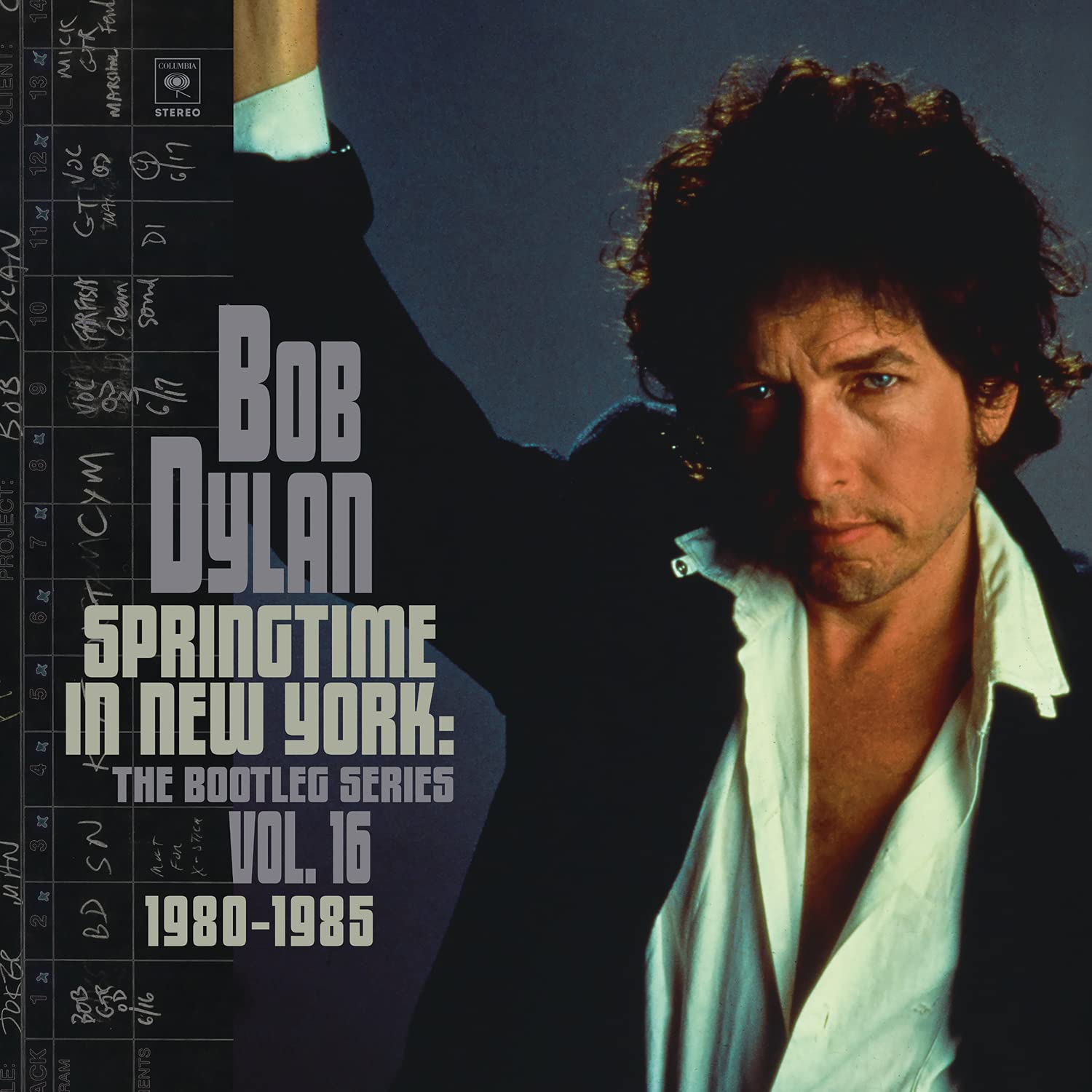
Thus, Trouble No More: The Bootleg Series, Volume 13 /1979-1981 is definitely on my want list. 8 CDs plus 1 DVD of live and unreleased studio material, to be issued (like King Crimson’s Sailor’s Tales) on my birthday, November 3. I really need to find some long-lost rich relatives!
Bob Dylan is the rare artist who, at 75, retains the power, energy, and restlessness that distinguished his early work. As both a recording and performing artist, his electricity is unabated, and he continues to make vibrant contributions to the post-folk culture he virtually created. That he has achieved this is astounding; for those of us who have followed his career and know something of its roots and evolution, it is not surprising. He constantly recasts his song catalogue, the depth of which by 1965 (let alone 2016) was unrivaled in the rock/folk/singer-songwriter genre he invented, to match his current sound, and commands a fluidity of vision in his writing that sees beyond the trees and perhaps the forest as well. Witness “High Water,” a tribute to Charley Patton (whose “High Water Everywhere” is a stone cold delta blues barking, howling, classic), from 2001’s Love and Theft. This is a blues about love and the water that rises, that has picked up some oldtime, some drone, shaking and breaking and name-checking muscle cars and evolutionary philosophers. The thing is that it works because when Dylan sings “the cuckoo is a pretty bird” that’s a kind of referenced code that he’s hollering back to Patton. He’s writing a blank check to freely associate (find and listen to a version of “The Cuckoo” and you’ll get what I mean), to make the rhyme work and throw meaning to the wind and to the listener. Harder than it sounds because it’s about the sound, what music is, what makes its power inexplicable. To make that warble on the 5th day of July, and trace your absurd and beautiful melody: it takes courage and a resolution that comes at a price only Dylan, and maybe Patton, knows.
If you have not heard the news by now, Bob Dylan, an American icon, became the first musician to win the Nobel Prize for Literature. The decision, not surprisingly, ignited a firestorm of debate. Is Dylan worthy of the honor? I am curious to hear what fellow Progarchists and others have to say.