Rick’s Quick Takes: Across the Great Divide

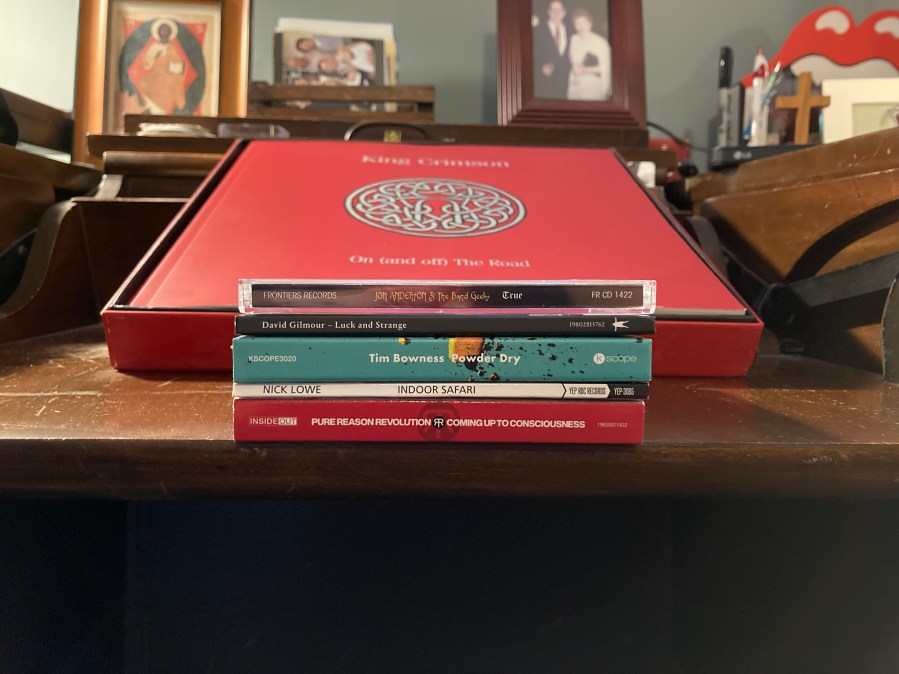
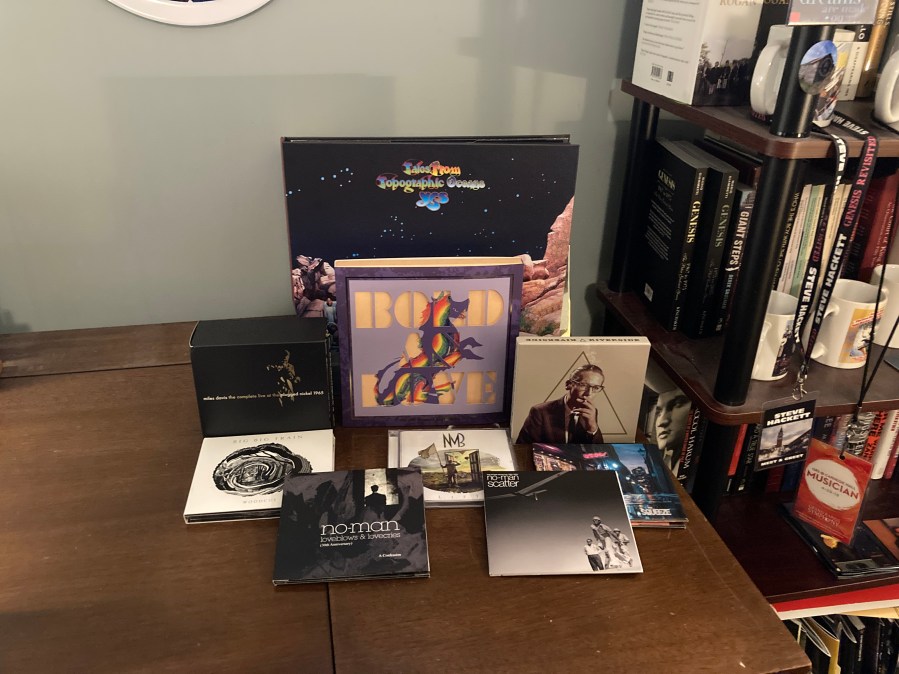
This month’s connecting thread: grizzled veterans connect with high-powered talent from younger generations; the chemistry fizzes, fuses and pops — and some excellent new music is the result! (Of course, there’s an outlier or two in this month’s stack as well.) Let’s get down to it, shall we? Purchase links are embedded in the artist/title listing, with album streams or samples following the review.

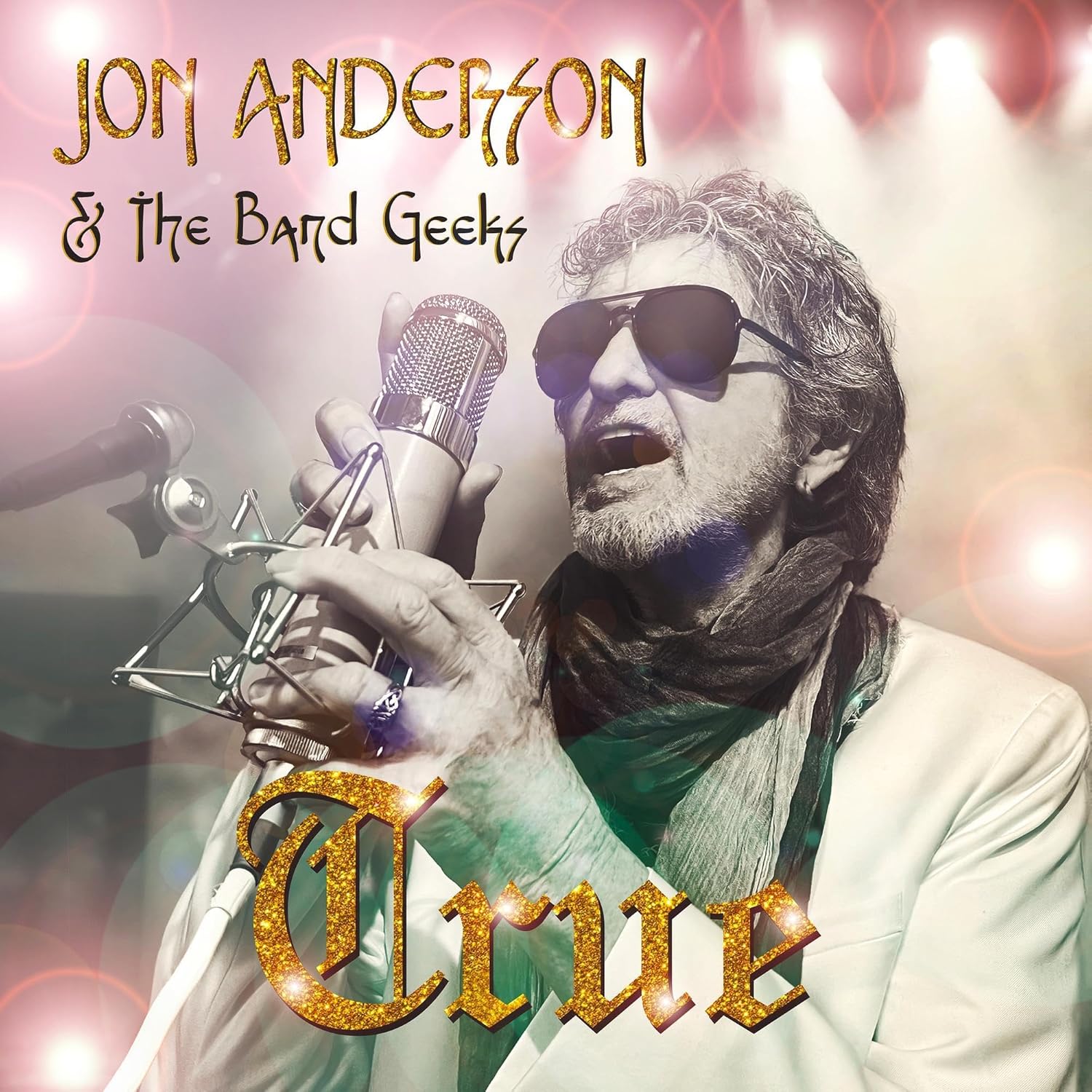
Jon Anderson and The Band Geeks, True: Anderson (going on 80, and as seemingly immortal as Keith Richards) has consistently worked with little-known yet impeccable virtuosos since his abrupt exit from Yes; watching him front a high-impact big band from the 10th row in 2019 was a thrilling experience. Now, teaming with a quintet of killer players half his age, he delivers the album fans have desired for decades. Sure, there are times when The Band Geeks (bassist Richie Castellano, guitarist Andy Graziano, keyboardists Christopher Clark and Robert Kipp and drummer Andy Ascolese) seem a little too eager to ape their counterparts in the classic Yes lineup, but overall they lean into epics like “Counties and Countries” or “Once Upon a Dream” and shorter romps like “True Messenger”, “Shine On” and “Still a Friend” with full commitment, fresh creativity and chops galore. Then there’s Anderson, still soaring into sub-orbit with that unmistakable voice, still preaching peace, love and understanding with his trademark New Age word salads. (Is there no way this man could run for U.S. President? At this point, he’d get my vote.) At first, I thought Time Lord’s full review was a bit over the top — but repeated hearings are bringing me around. Most hardcore Yes-heads will flip over this, and casual listeners will find plenty to lure them in.

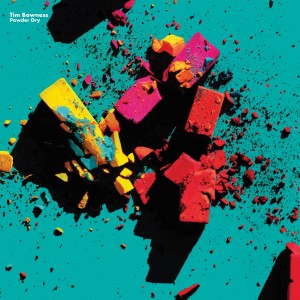
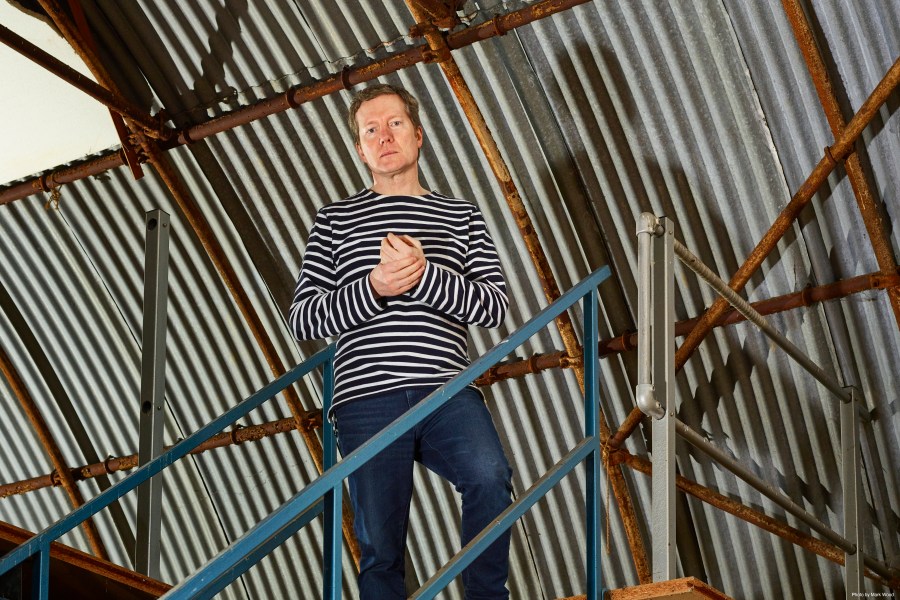
Tim Bowness, Powder Dry: the exception to this month’s rule, Bowness’ first-ever “solo solo project” hits the speakers like a cold slap in the face. Instead of the languorous widescreen ruminations of previous albums, we get brusque, sparse song sketches (rarely more than 3 minutes); a disorienting mix of natural tones, machine rhythms, bracing industrial grit and gnarled lo-fi samples yields shocks, disturbances and wake-up calls aplenty across these 16 tracks. Well practiced in the dark arts of ineffable yearning and melancholy, here Bowness hones and refines his lyrics to bare-knuckled, highly charged haikus, whether staring down decadent cultures (opener “Rock Hudson”), devolving psyches (“This Way Now”, the title track), disintegrating connections (“Heartbreak Notes”) or the unholy conjunction of all three (“Summer Turned”, “Built to Last”). With his stoic vocals bearing the brunt of this emotional tangle, Bowness’ voice plumbs fresh depths, flickering in desperate hope one moment, driven to sublimated fury and fear the next. If you’re already a Bowness fan, stow your expectations — but whether he’s familiar or brand new to you, don’t hesitate to strap in for a compelling, cathartic ride.

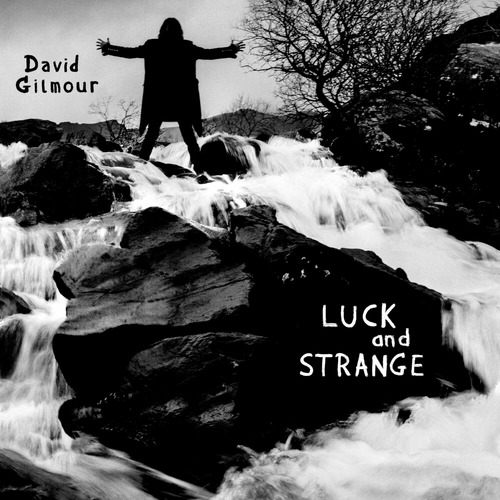
David Gilmour, Luck and Strange: another prog legend who can sound like nobody but himself cranks up one more time. But the canvass Gilmour paints on here accents different tones and tints, with youthful co-producer Charlie Andrew shaking up instrumental backgrounds and song formats to good effect. There’s a sense of lightness, air and space this time around, a less obviously Floydian palette that both complements and contrasts with Gilmour’s craggy singing and singular take on blues guitar. Polly Samson’s lyrics level up as well, tackling well-worn topics (nostalgia on “Luck and Strange”, spirituality on “A Single Spark”, love as refuge on “Dark and Velvet Nights” and “Sings”) from newly contemplative angles, sounding absolutely right coming out of Gilmour’s mouth. (Oh, and daughter Romany Gilmour totally enthralls in her vocal turn on The Montgolfier Brothers’ “Between Two Points”.) By the time Gilmour hearkens back to which one’s Pink, firing off a final round of Stratocaster fireworks on orchestral closer “Scattered”, he’s taken us on the most varied – and I’d argue, most sheerly enjoyable – ride of his solo career; this one’s already a 2024 Favorite.

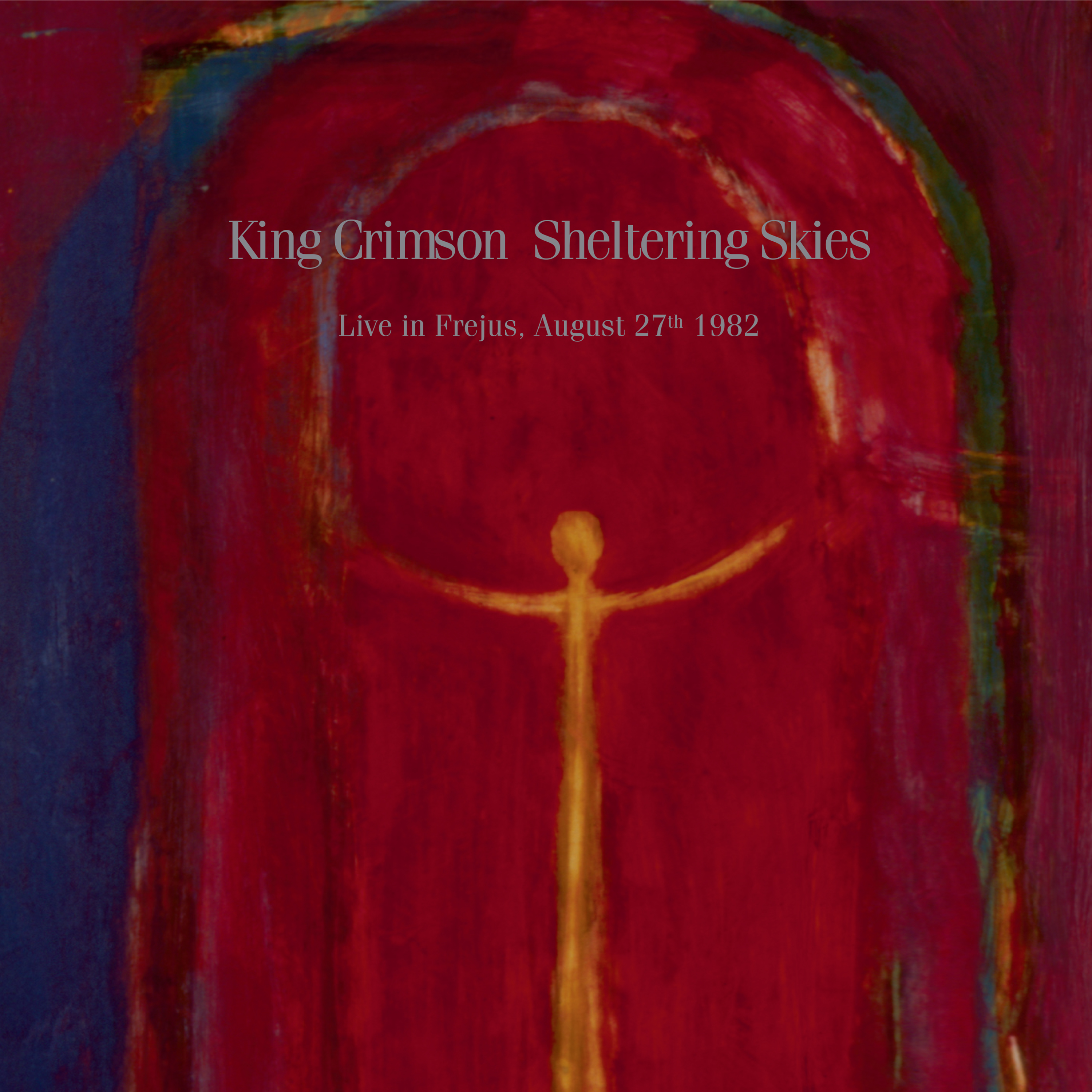
King Crimson, Sheltering Skies: OK, so this one isn’t “new” new. But when Crimson sherpas Robert Fripp and Bill Bruford teamed with American upstarts Adrian Belew and Tony Levin back in the 1980s, the result was a revitalized second reign for the King, swapping out trademark Mellotrons and prodigious pomp for raucous noise, limber polyrhythms and surging, seething energy. With Belew and Levin now touring this music again as BEAT, this issue of a 1982 show previously released on video couldn’t come at a better time; opening for Roxy Music on the French Riviera, Crimson pulls the unsuspecting audience right into the clinches for the hottest of hot dates. From the subdued intensity of “Matte Kudasai” and “The Sheltering Sky” through the dynamic clatter of “Indiscipline” and the hypnotic guitar weave of “Neal and Jack and Me” to Bruford and Belew’s ecstatic percussion duet that kicks off “Waiting Man”, this is that rare live album of nothing but highlights. Banter, bicker, balderdash, brouhaha, ballyhoo — whatever their desired flavor of elephant talk (including some 70s throwbacks), Crim devotees will find it here.

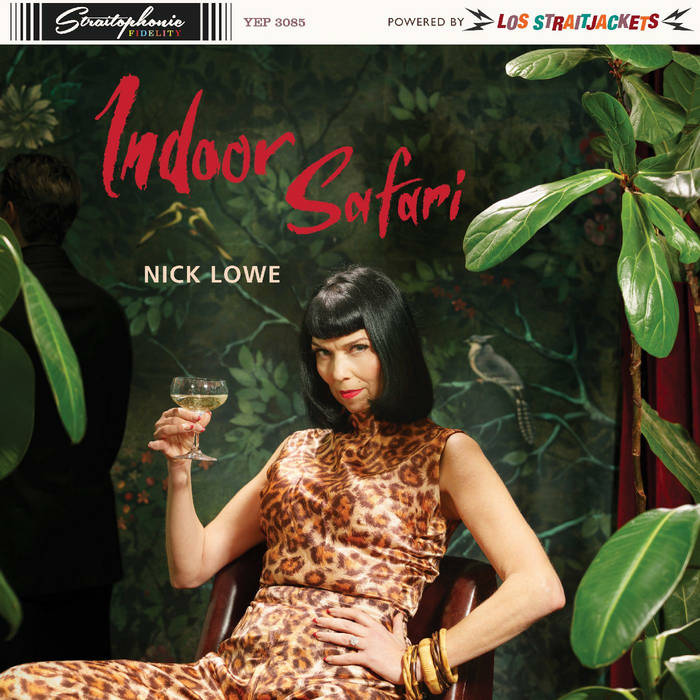
Nick Lowe, Indoor Safari: almost 50 years on from his solo debut at the crest of the New Wave, Lowe’s pure pop for now people remains pin-sharp and on point. Who else can still pump out breezy rockers like “Went to A Party” and “Jet Pac Boomerang” (the latter complete with high-culture similes and a Fab easter egg), ring wry changes on the battle of the sexes in “Blue on Blue” (“You’re like a mill, you run me through”) and “Don’t Be Nice to Me”, then capture the emotional devastation of the quietly crooned “A Different Kind of Blue”? Masked surf-rockers Los Straitjackets (currently celebrating their 30th anniversary) prove crucial here, laying down swinging retro grooves for Lowe’s originals and hoisting just the right backdrops as he nails the blue-collar aspiration of Garnet Mimms “A Quiet Place” and the innocent romance of Ricky Nelson’s “Raincoat in the River”. Lowe’s smart-aleck satire has always entertained, but his later embrace of pre-rock stylings deepened his songwriting and singing; now, even at his jauntiest, his aim for the heart is true. This is a real charmer that’s gone straight onto my 2024 Favorites list.

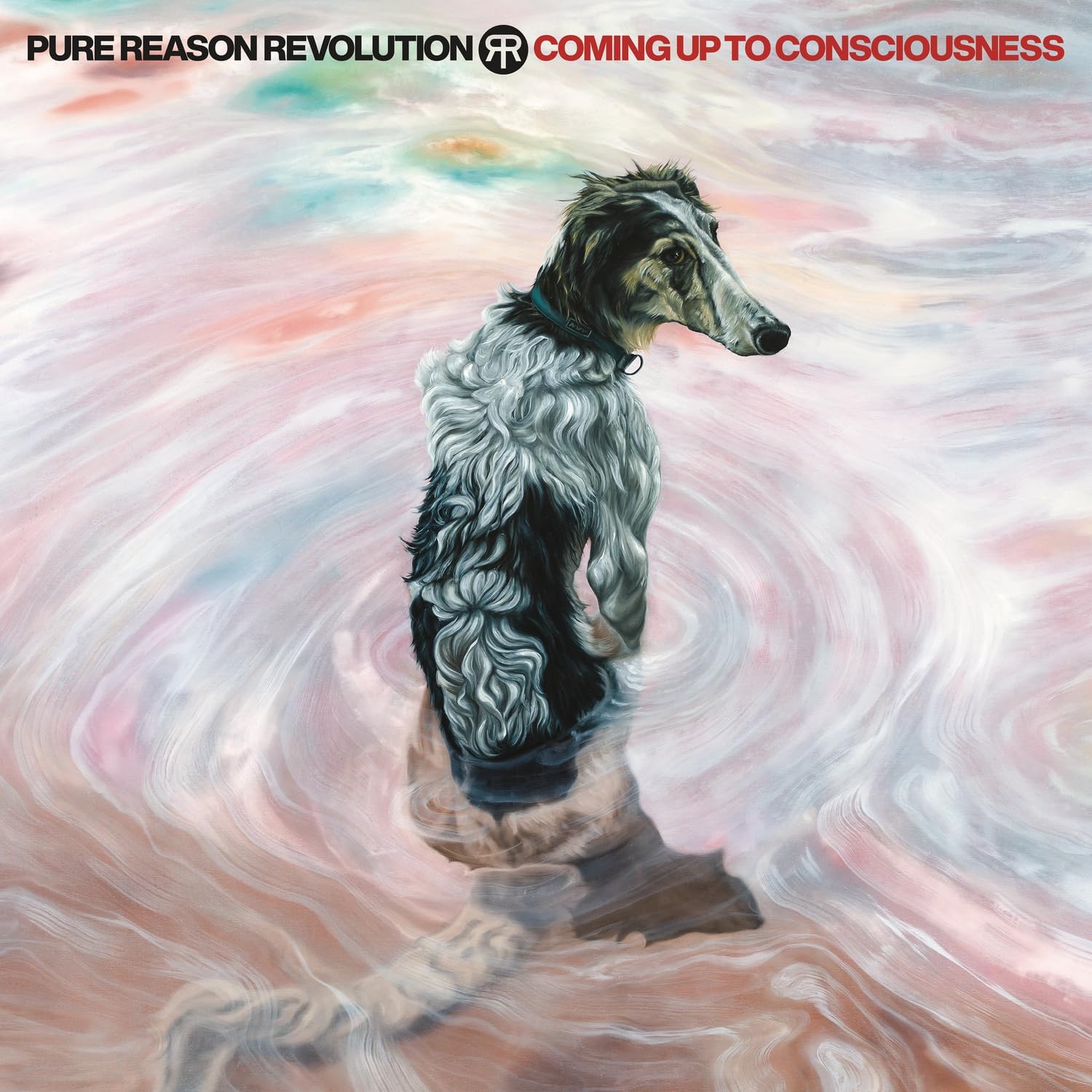
Pure Reason Revolution, Coming Up to Consciousness: a variation in reverse of this month’s theme, as long-time Pink Floyd/Gilmour bassist Guy Pratt brings extra low-end oomph to the latest from Jon Courtney, Greg Jong and their fellow electroproggers. As Time Lord ably spells out in his full review, once again PRR relies on the proven recipe of previous high points like 2006 debut The Dark Third and 2022’s Above Cirrus: float in on low-key ambience, keep the verses chilled out, ramp up on the bridge, kick hard into the chorus! (While seasoning to taste with lush harmonies, towering guitar riffs and slamming club beats, whipping up maximum tension and release before serving.) Here the results are consistently yummy, not least because the soundscapes’ ebb and flow echo Courtney’s perennial lyrical themes. As Courtney, Jong and Annicke Shireen’s voices entwine, splinter, and reunite, there’s a serene insistence on transfiguration, on something more than material, beyond the harsh realities of eros (“Dig til You Die”, “Betrayal”), fear (“The Gallows”), and death itself (“Useless Animal”, “As We Disappear”). Pure Reason Revolution isn’t giving us answers, but Coming Up to Consciousness points us toward the mystery they’ve pursued all along.

— Rick Krueger

Rick’s Quick Takes for February ( Levels, Likes, Loves, Leads – and Nightwhales?)

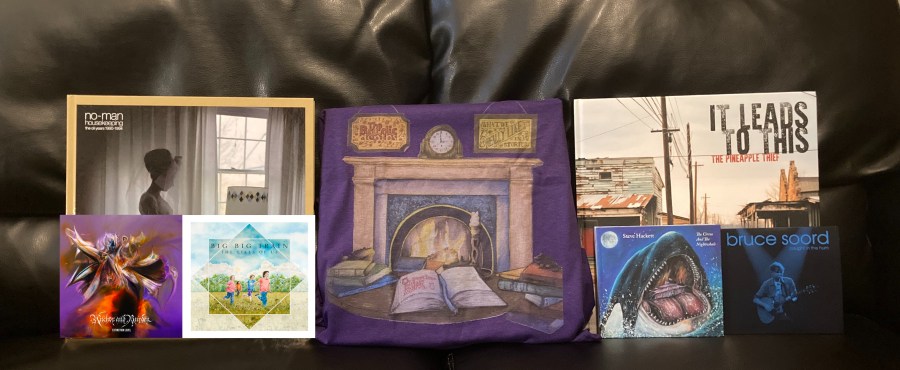
2024 is out of the gate hot — three of the albums below are already on my Year-End Favorites list, and there are no duds in this bunch! As usual, purchase links are embedded in the artist/title listing, with a partial or complete streaming preview below the review.

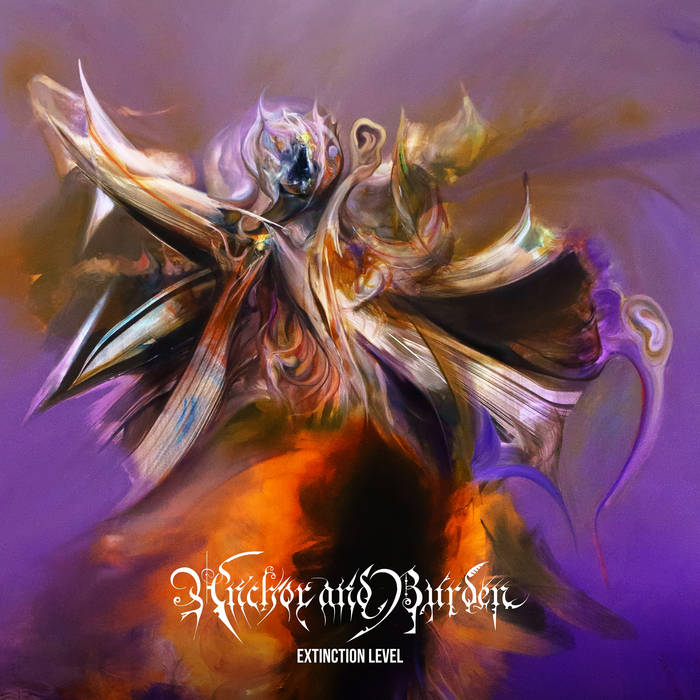
Anchor and Burden, Extinction Level: MoonJune Music mainman Leonardo Pavkovic has labelled this brutal beauty “uncompromising progressive avantgarde doom-jazz post-metal”. That pretty much covers it! Kicking off with opener “Fractured Self” and “Body Expansion”, touch guitarists Markus Reuter and Alexander Dowerk spend the next hour launching knife-edged slabs of sonic concrete into sub-orbit; drummer Asaf Sirkis pulverizes any semblance of a steady beat into terrifying quick marches (“Mutual Assured Destruction”), hyperactive polyrhythms (“Nine Gates to Dominion”), or just lethal, unanticipated deadfalls; and electronics wizard Bernhard Wöstheinrich provides both breathing space for a comedown, as on the closing “The Crust of This Earth”, and crash pads for droning, sludgy guitar plunges throughout the extended title track. Absolutely bonkers, already a favorite; you may have to be in the right mood for it, but Extinction Level’s free-for-all improv (not far removed from King Crimson’s outer limits) turns out to be a heady, head-banging good time.

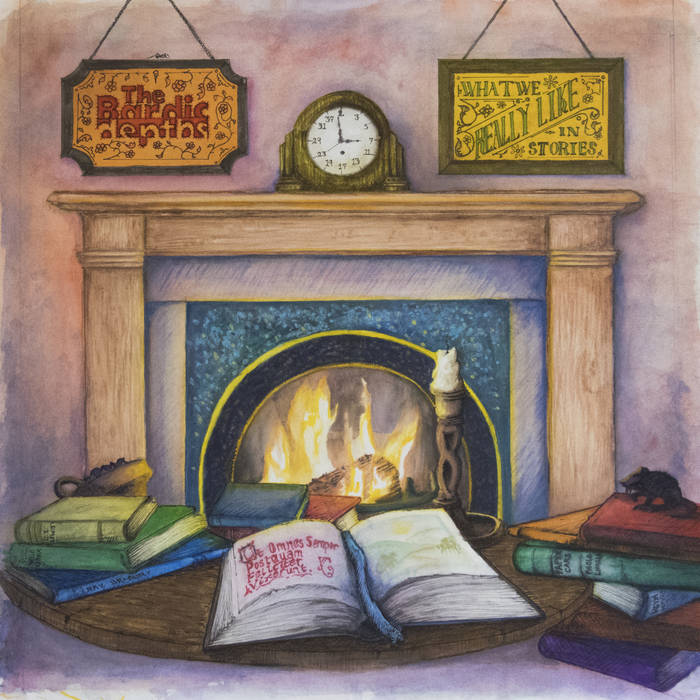
The Bardic Depths, What We Really Like in Stories (released March 7): both more direct and more varied than their previous releases, TBD’s third is a first-class album that delivers generously on its title’s promises. Brad Birzer’s graceful lyrics effortlessly transport us into the minds of creators as diverse as Ray Bradbury (“You’ve Written Poetry, My Boy”), Willa Cather (“Old Delights”) and Robert E. Howard (“The Feast Is Over”) — then into the creations themselves (the Orwellian dystopia of “Vendetta”, the postapocalyptic “Stillpoint”, the high adventure of “Whispers in Space”). In turn, Dave Bandana and Gareth Cole’s compositions are appealingly streamlined, giving Cole’s guitars, Bandana’s guitars & synths and Peter Jones’ keys & saxophones plenty of room to shine but never straying into aimless jams. Add a warm vocal blend from the quartet (with Jones and Bandana at the forefront) to Tim Gehrt’s steady, sparkling grooves, and you have a prog album that’s accessible without compromise, thought-provoking without pretension. This one’s charms might sneak up on you, but repeated listens will thoroughly repay your kind attention. (Check out our Bardic Depths roundtable here.)

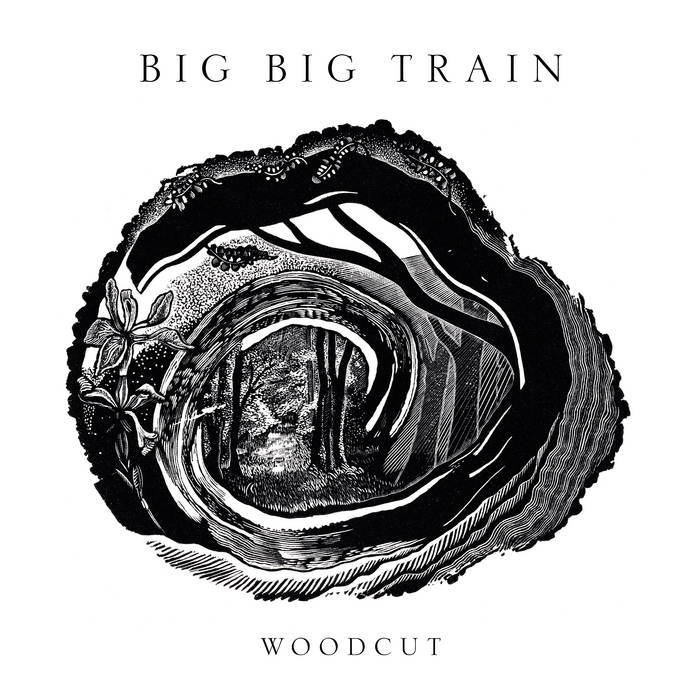
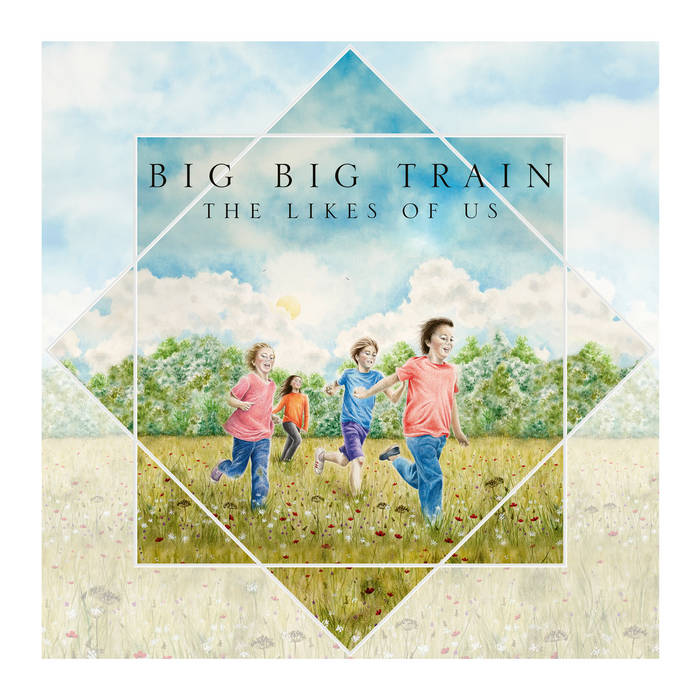
Big Big Train, The Likes of Us (released March 1): the wonder here isn’t that indefatigable founder Greg Spawton and his international crew have regrouped with such power and panache; it’s that they’ve tackled the struggles and sorrows of recent years head-on, forging them into the band’s most direct, integrated album since Grimspound. From mission statement/overture “Light Left in the Day” through epics “Between the Masts” and “Miramare” to killer ballad “Love’s Light” and finale “Last Eleven”, new singer Alberto Bravin fares forward into the unknown, summoning the essence of friendship and the pain of loss, calling on all in earshot to seize the day. There’s tons of musical variety, too, from the hard-rocking “Oblivion” to the playful “Skates On” and the 12-string weave of “Bookmarks”, with all seven players (five of whom sing) each getting their time to shine. And yes, that brass section pops in at just the right moments, to bring a tear to the eye or lift the spirit as required. Familiar yet fresh, and destined for that year-end faves list, BBT fans can be well satisfied with this latest excursion – and The Likes of Us is well turned out to welcome new Passengers onboard as well! (Check out our interview with Alberto Bravin here.)

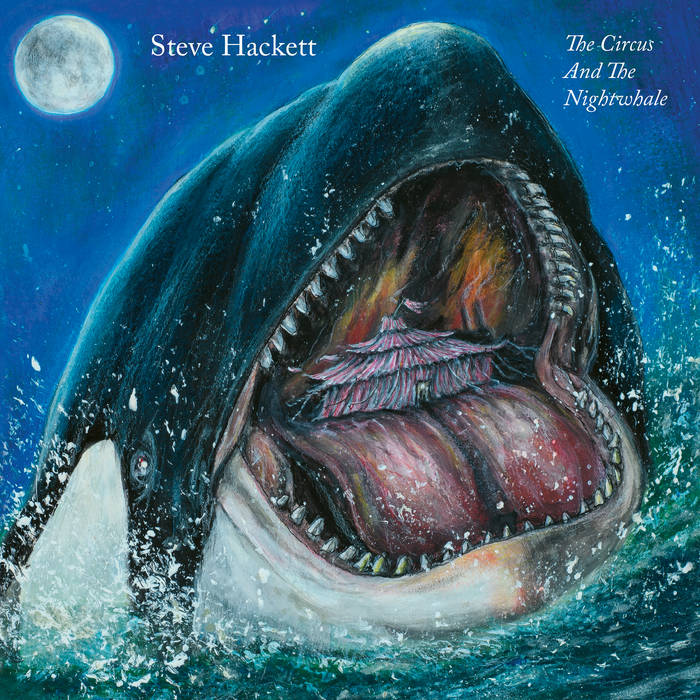
Steve Hackett, The Circus and the Nightwhale: Prepare to have your ears pinned back here: Hackett leaps out of the gate with freshly energized songwriting and ferocious guitar work and doesn’t let up throughout this compact, compellingly listenable concept album. The restless opening sprint of “People of the Smoke”, the “Squonk”-like stomp of “Taking You Down” (with standout lead vocal by Nad Sylvan and towering sax from Rob Townsend), the lush orchestral interlude “These Passing Clouds” are all full to bursting with devastatingly melodic, wildly spraying six-string excursions from Steve; even lighter tracks like the harmonious “Enter the Ring” and luxuriant 12-string centerpiece “Ghost Moon and Living Love” overflow with prime solo licks, mind-melting and heart-gripping in equal measure. Add Roger King’s richly scenic keyboards to a succession of marvelously eclectic tunes that waste no time and a coming-of-age narrative that climbs from the gutter to the stars (braced with a dose of the marvelous — there’s that Nightwhale, after all). And voila! You’ve got a Hackett opus that immediately goes to the 2024 favorites list, ranking right up there with Spectral Mornings, At the Edge of Light or whichever of his 30 solo efforts you prefer best.

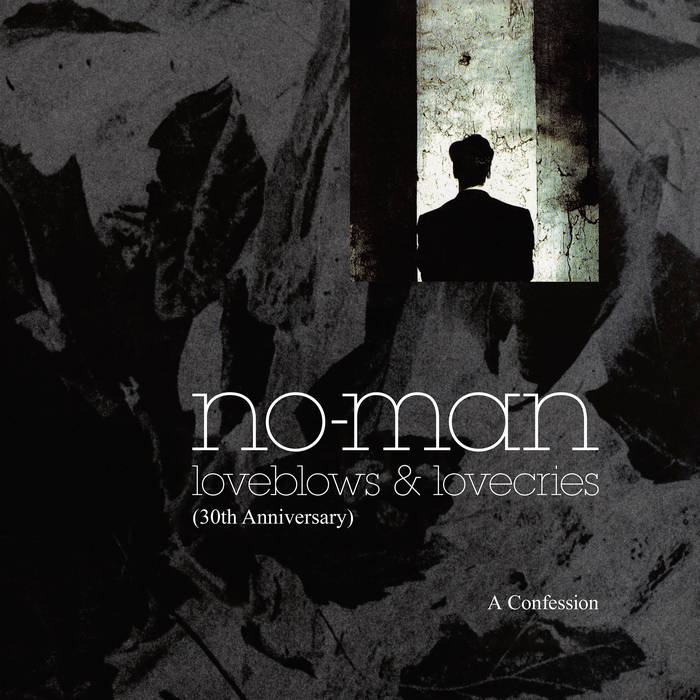
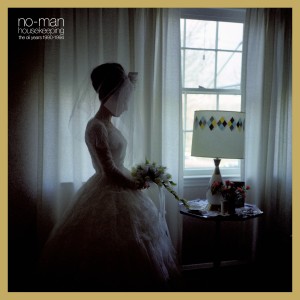
No-Man, Housekeeping – The OLI Years, 1990-1994: Ben Coleman, Tim Bowness and Steven Wilson’s earliest singles for One Little Indian (oops, Independent), “Days in the Trees” and Donovan’s “Colours”, are the perfect sneak peek/summation of this compilation’s garishly romantic delights. Just as you start thinking “ho hum, fey indie Nineties dance-pop”, the heavens – or are they the abysses? – open, accompanied by lush squalls of immaculately recorded dissonance. As if Roxy Music and ABC had somehow wound up co-headlining a vaudeville show, Bowness’ desperate vocals and Coleman’s slashing violin work match up swoon for swoon, while Wilson toughens the grooves and hoists ambitious synthesized backdrops, colorful splatters of guitar punctuating the aching pantomimes all the while. Containing the first two No-Man albums (the singles-oriented Loveblows and Lovecries and the ravishing, guest-heavy Flowermouth) plus the early EP Lovesighs, a singles disc and radio sessions, Housekeeping is a generously filled, beautifully designed boxset that points unerringly toward Bowness and Wilson’s more mature achievements (whether together or apart), but is also thoroughly listenable and intriguing in its own right.

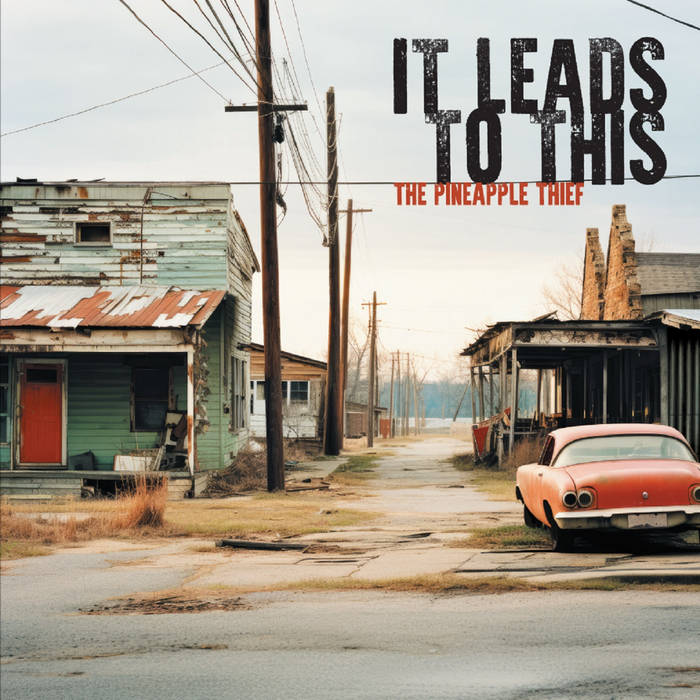
The Pineapple Thief, It Leads to This: more badass guitar loops and riffs (spaghetti westerns and surf music entwined in a Steve Reich soundscape); more bleak musings on our pervasive inability to connect, crooned with Bruce Soord’s trademark tenderness and fury; more moments of tasty, laterally-inflected drumming from Gavin Harrison. The current edition of the Thief’s fourth studio album is its own self-contained world, set in motion by the Soord/Harrison team’s moody interplay and rotating on Jon Sykes and Steve Kitch’s steady axis; undeniably of a piece with their recent catalog, and all the better for it. If none of the eight songs particularly stand out, they’re all honed to sleek perfection, building through seductive, bracing miasmas of dread and determined pursuits of flickering light to the knockout punch of the last two tracks. Whatever nightmare Soord is sleepwalking through, his eyes and heart are wide open as he edges forward, with Sykes, Kitch and Harrison urging him on all the while. (Soord’s recent “unplugged” solo CD/DVD, the already out-of-print Caught in the Hum, is an even more distilled example of this melancholy, coolly yearning aesthetic.)

— Rick Krueger
Kruekutt’s 2022 Favorites

A few notes before I dive in: items I’ve reviewed here are linked to the relevant Progarchy article via the artist/album title; If I didn’t review an item here or elsewhere, it’s marked with an asterisk (*) — but I hope the capsule description and listening/order links will encourage you to check it out!

My favorite new music of 2022:

  • Dave Bainbridge, To The Far Away: A thrilling, ravishingly beautiful album about love, longing, hope and a future. Lyrics of rich simplicity cradled in a lush orchestral blend of rock, prog and Celtic folk. My interview with Bainbridge is here.
  • Big Big Train, Welcome to the Planet: what turned out to be BBT’s final effort with the late David Longdon consolidates the widened horizons of Grand Tour and the intimate subjects of Common Ground, casting an epic light on the everyday glory of family, community, joy and loss.
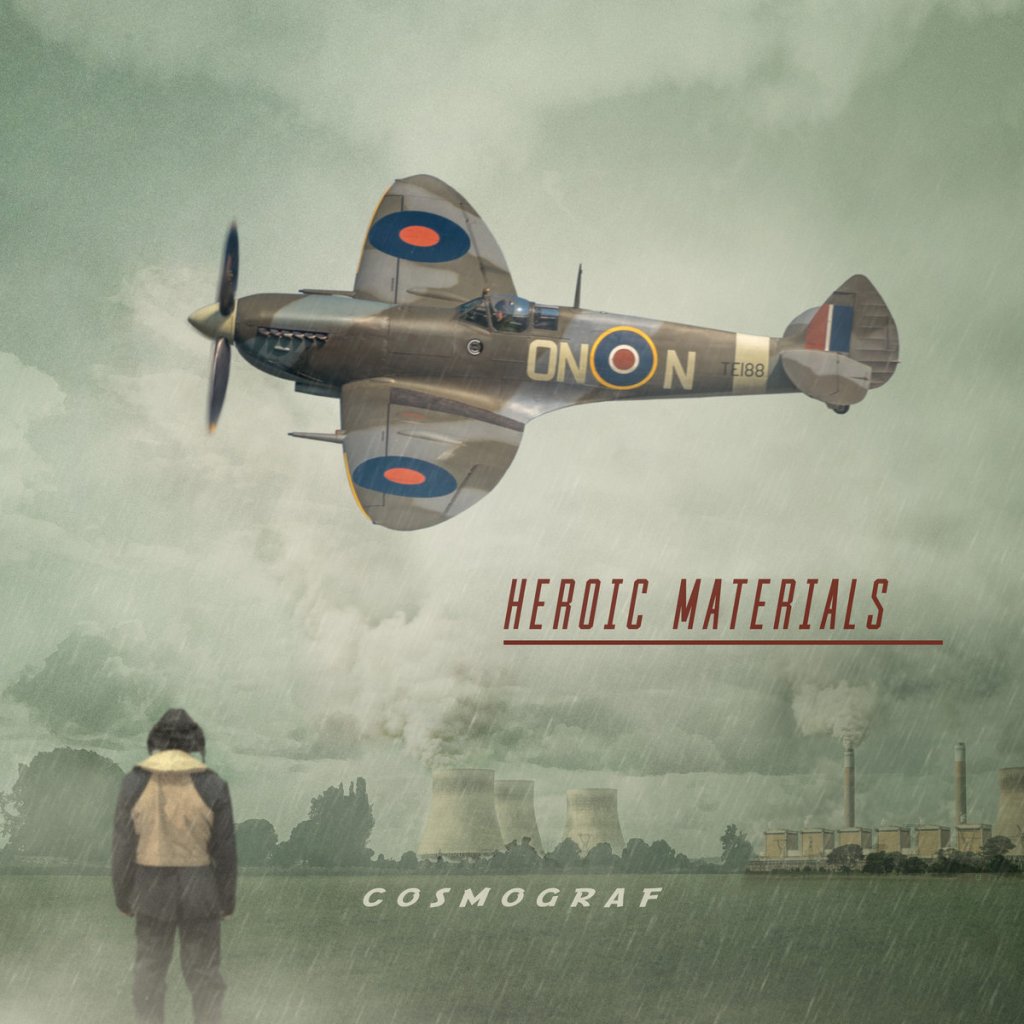
  • Cosmograf, Heroic Materials: Elegiac in its evocation of past achievements, urgent in its contemporary call to action, breathtaking in its poised blend of fragility and strength, Robin Armstrong’s latest is a riveting listen.
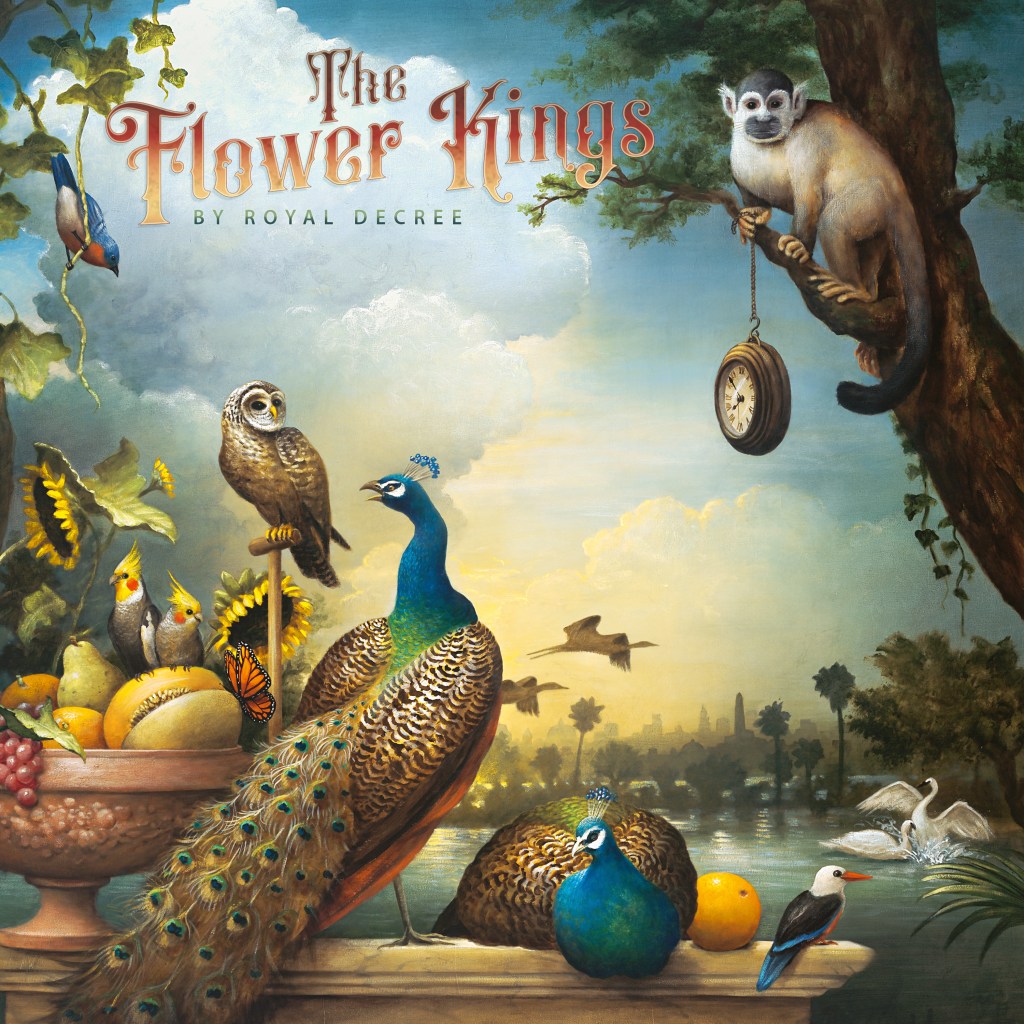
  • The Flower Kings, By Royal Decree: TFK’s third double album in a row, this is the sound of Roine Stolt and company refreshed and revisiting their optimistic roots, soaring on the wings of one marvelous melody after another. As much a joy to hear as it must have been to create.
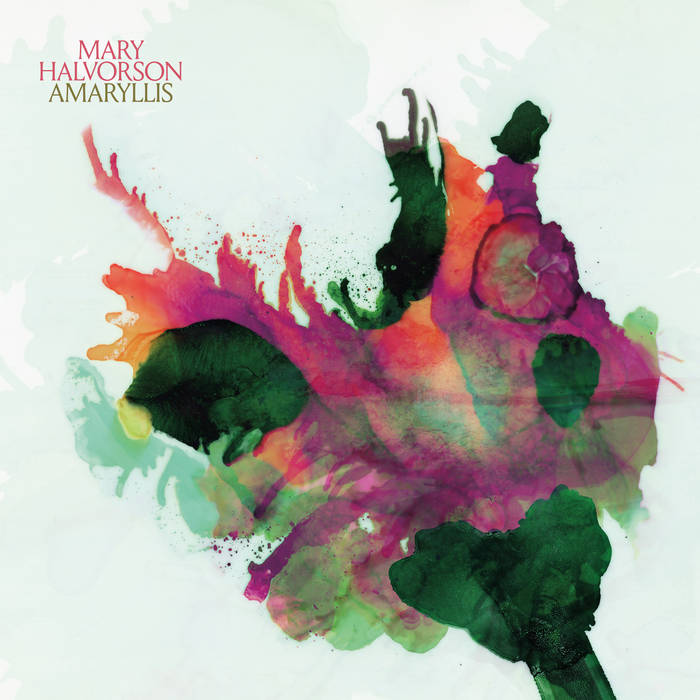
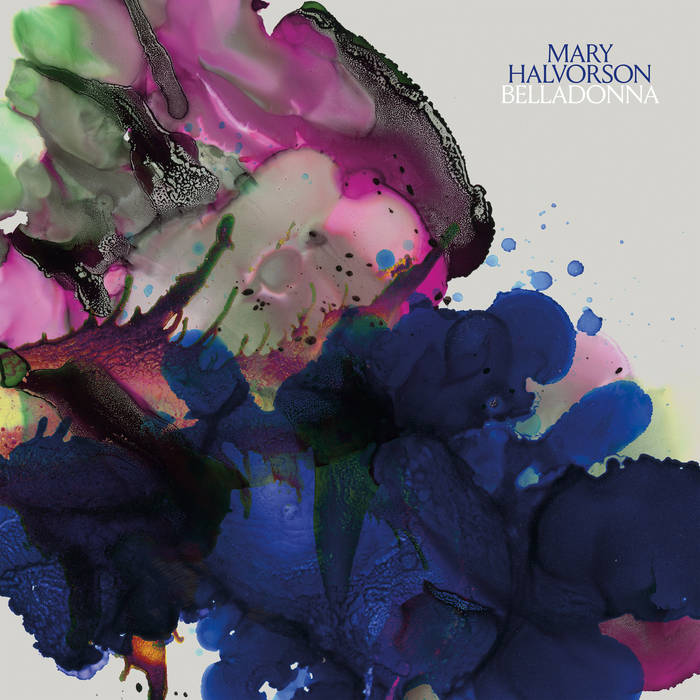
  • Mary Halvorson, Amaryllis & Belladonna: free jazz guitarist Halvorson hits a major label with two albums — teaming with a boisterously simpatico sextet on Amaryllis, then dancing atop and around modern classical textures from the Mivos Quartet on Belladonna. Audacious and engrossing, this music will open your ears real good!
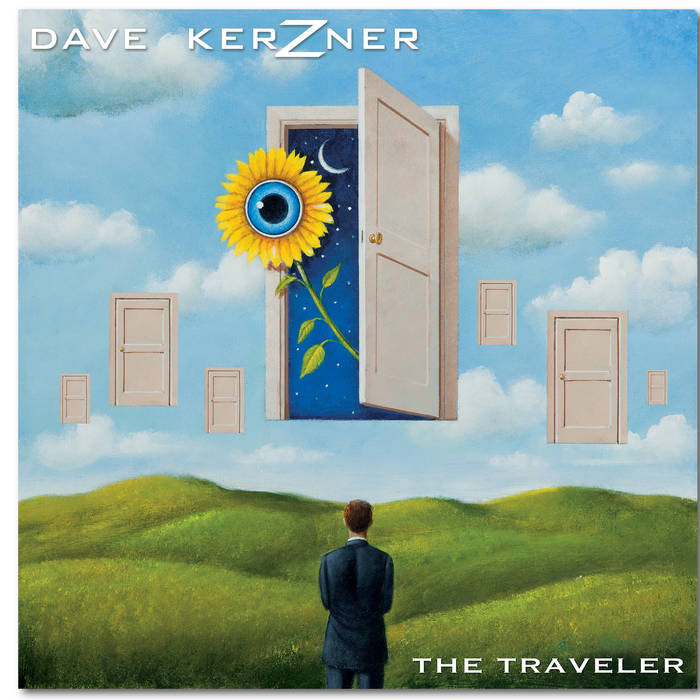
  • Dave Kerzner, The Traveller: confident, appealing songwriting with hooky yet sophisticated melodies and structures, Kerzner’s best, widest ranging vocals to date and perfectly judged contributions from a stellar guest list. Letting his new songs sell themselves and keeping proceedings to the point, he both satisfies us and leaves us wanting more. 
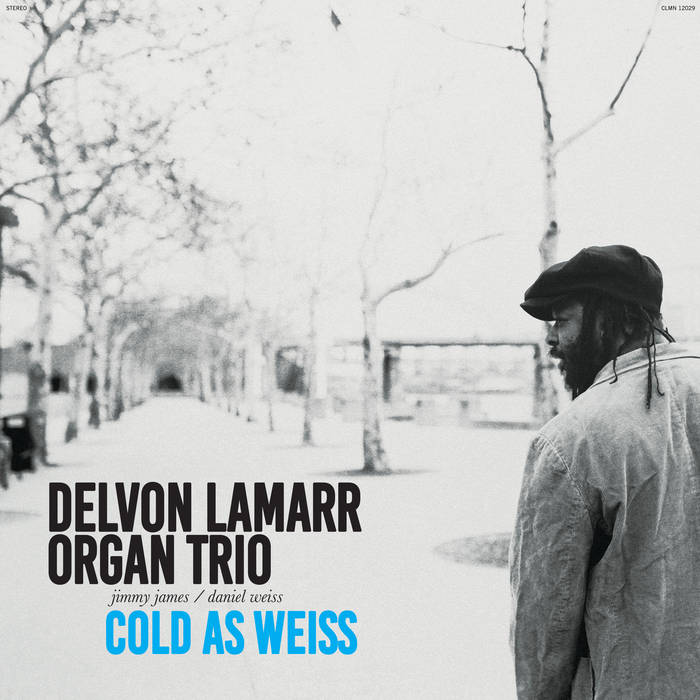
  • The Delvon Lamarr Organ Trio, Cold As Weiss: An immediately accessible reboot of a classic jazz trio format. Organist Lamarr, guitarist Jimmy James and drummer Daniel Weiss are thrilling players who never fail to make their instruments sing. Funky, catchy bite-size tracks with great individual playing and razor sharp ensemble. 
  • Marillion, An Hour Before It’s Dark: The front half of Los Marillos’ latest has more swagger than they’ve mustered in a while; the back half’s meditative downshift climaxes with the sweeping smashcut finale “Care,” as power chords and massed choirs climb heavenward. Unique as anything in their catalog, and another thoroughbred winner.
  • Pure Reason Revolution, Above Cirrus: this fifth album reveals PRR at their best, consistently upping their game to the next level. For every moment of blissful harmonies and glidepath atmospherics, there’s an equal and opposite moment of feral guitar/drum slammin’ — and when they layer the two together, look out! Well worth buckling up for the ride.
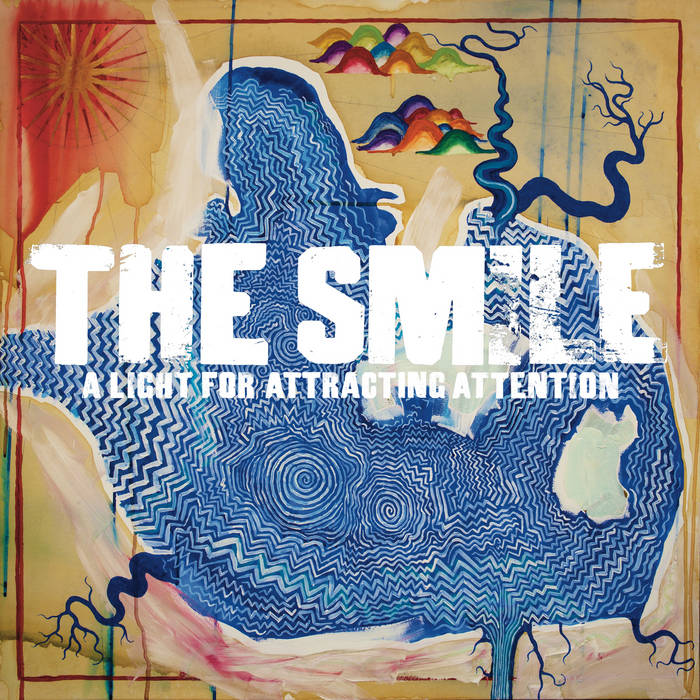
  • The Smile, A Light For Attracting Attention: A Radiohead side project worth your while. Thom Yorke overflows with apocalyptic dread; Jonny Greenwood’s off-kilter instrumental instincts are keener than ever; Tom Skinner’s skittering beats relentlessly drive the grim, lush soundscapes forward. Music for our contemporary dystopia, irresistibly sucking you in.
  • Tears For Fears, The Tipping Point: Roland Orzbaal & Curtis Smith’s catchy-as-always comeback goes for catharsis via unstoppable rhythms, unforgettable choruses and naked vulnerability on every single track, Devastatingly gorgeous, uncompromising art-pop that will haunt you long after every listen.
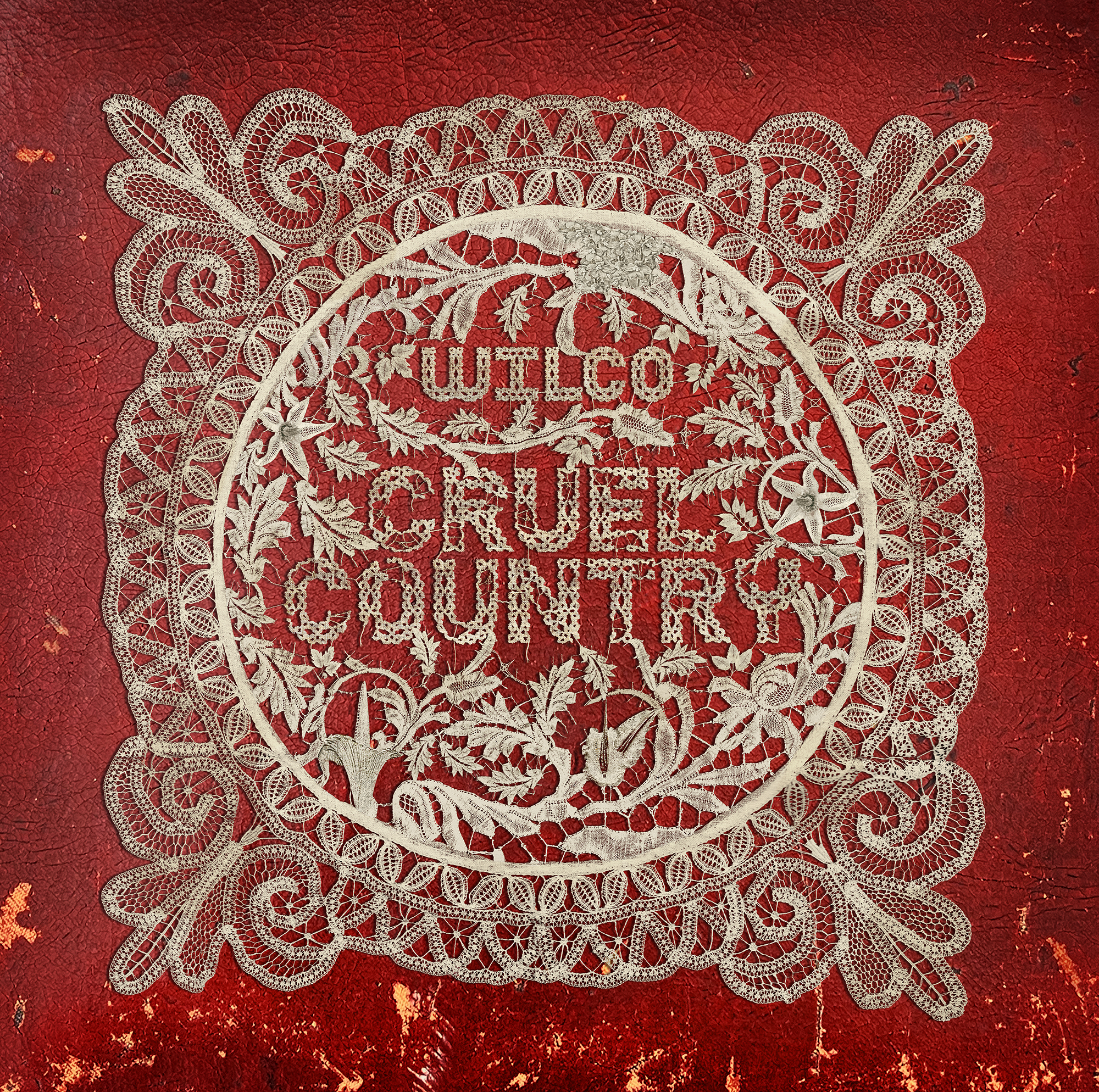
  • And my Top Favorite of the year — Wilco, Cruel Country. A double set that detours from Jeff Tweedy’s thoughtful dad-rock toward Nashville and Bakersfield, the tactile interplay of the band and Tweedy’s quizzical, empathetic probes of societal alienation elevate this to an album of genuine tenderness and subtlety, gathering strength and heart as it unrolls. After a digital-only release this year, it’s finally coming out on LP and CD January 20!

My favorite reissues of 2022:

  • The Beatles, Revolver Special Edition*: No Revolver, no Sergeant Pepper — no prog? Regardless of what ifs, the Fabs’ great leap forward of 1966 was brilliant in its own right, dragging pop headlong toward the avant-garde. Here it gets a subtle yet effective remix, with fascinating studio outtakes framing the cutting-edge results.
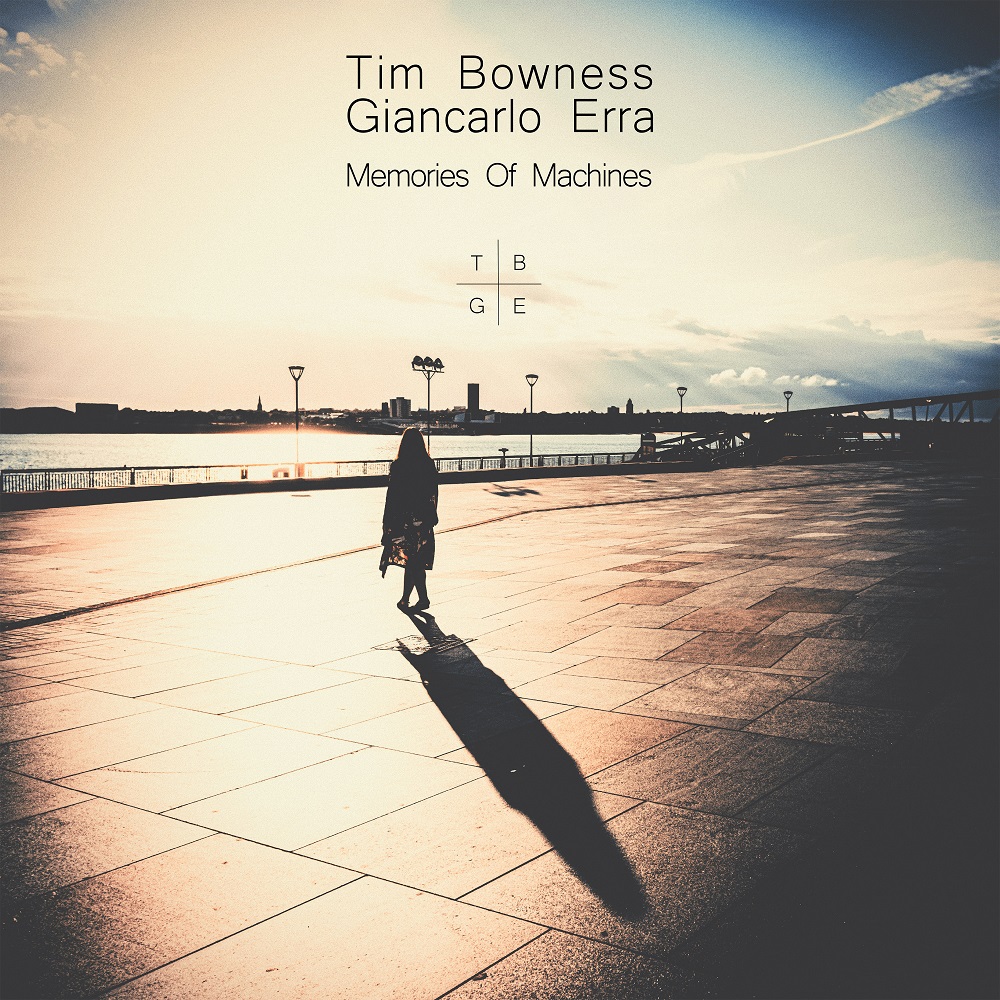
  • Tim Bowness & Giancarlo Erra, Memories of Machines: an irresistible mix of unflinchingly intimate art-rock and lowering ambient backdrops. Ten years on, original arrangements and track lengths are restored, Erra’s textural work is inched forward — and as always, Bowness breaks your heart with his ringing couplets and his stoic voice.
  • My Top Favorite Reissue of the year: Robert Fripp, Exposure/Exposures. The guitarist’s 1979 return to active duty after a post-King Crimson sabbatical, binding together a disparate set of songs and guest artists with his innovative ambient Frippertronics. Whether by itself or as part of a gargantuan box set that chronicles Fripp’s entire “Drive to 1981,” it’s a wild, worthwhile listen in and of itself, while providing distinctive previews of coming attractions.
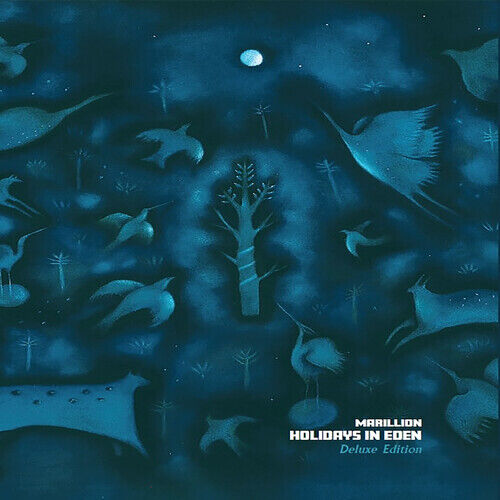
  • Marillion, Holidays in Eden Deluxe Edition*: my introduction to the band (I first saw them live on the US tour promoting the album), Holidays was partially a product of record company pressure for hit singles, but it also has plenty of Marillion’s trademark ambition, power and lyricism. A fresh remix complemented by exciting live shows on both audio and video.
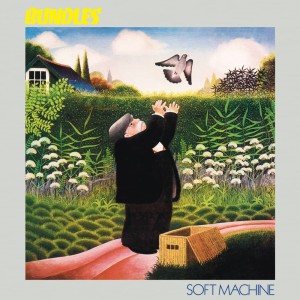
  • Soft Machine, Bundles*: Add blazing young guitarist Allan Holdsworth to one of the pioneering British jazz-rock bands, stir in quirky compositions by keyboardists Karl Jenkins and Mike Ratledge, and stand by for fireworks! This fresh reissue also includes a hot live set featuring Holdsworth’s successor John Ethridge (still active with the Softs today).
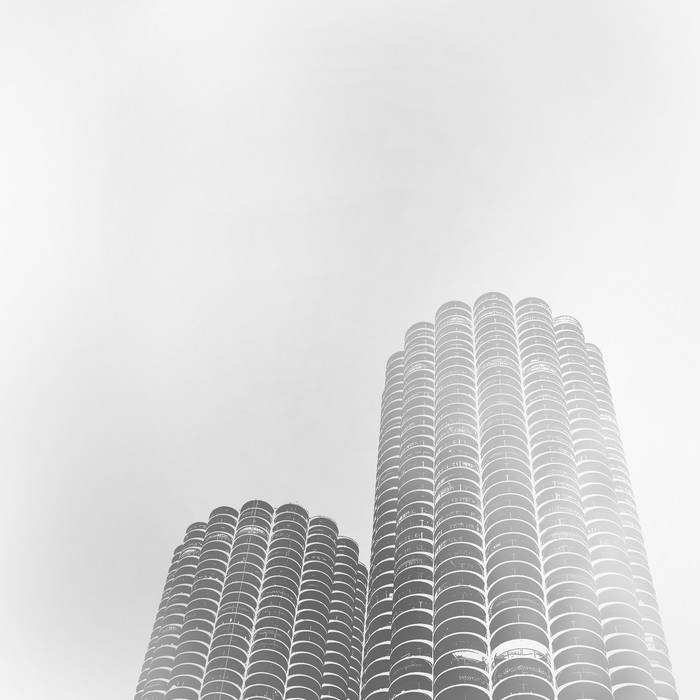
  • Wilco, Yankee Hotel Foxtrot Super Deluxe Edition*: The album that put Wilco on the map (after they were dropped by their label), YHF mutated from Americana through dream-pop to electronica-tinged folk-rock as band members and producers came and went. Eight discs that copiously chronicle the recording process, plus blistering two live sets.

My favorite (re)discoveries of 2022:

My favorite live album of 2022: Big Big Train, Summer Shall Not Fade*. Equal parts power and grace, BBT’s 2018 headlining gig at Germany’s Night of the Prog may be their best live release yet. Playing to their largest crowd ever, David Longdon commands the stage; Greg Spawton and Nick D’Virgilio provide a muscular foundation; Dave Gregory, Rikard Sjobom, Danny Manners and Rachel Hall serve up one delightful moment after another. Bryan Morey’s review nails it; this is indispensable.

My favorite rock documentary of 2022: In The Court of the Crimson King: King Crimson at 50*. The most unconventional band of the last five decades gets the most unconventional documentary possible. Crims past and present weigh in on “living, dying, laughing, playing and rocking out”, with Robert Fripp providing the ever-present focal point in a particularly puckish fashion. There’s also a deluxe edition with live Crimson video (both in the studio and at 2019’s Rock in Rio festival) and four bonus CDs of soundtrack cuts, rarities, etc.

My favorite books about music of 2022:

  • Vashti Bunyan, Wayward: Just Another Life to Live. Singer-songwriter Bunyan’s unlikely late-60s odyssey from Swinging London to the Hebrides forms the heart of this evocative narrative. Laboriously traversing the heart of England, she gains understanding of the natural world, of human kindness and cruelty — and of her own sturdy inner core.
  • Dan Charnas (with musical analysis by Jeff Peretz), Dilla Time: The Life And Afterlife Of J Dilla, The Hip-Hop Producer Who Reinvented Rhythm*. In Charnas’ telling, Dilla emerges as an innovator who laid down new paths for neo-soul and conceptual hip-hop, via his subtle yet unsettling variations on previously straight-up rhythms. Peretz’s equally innovative graphic depictions of rhythmic innovations across the decades buttress the page-turning narrative.
  • Robert Fripp, The Guitar Circle*. More a philosophical tome than a how-to book, though still remarkably practical, Fripp’s highly conceptual explanation of his process (as unfolded in Guitar Craft courses and Guitar Circles) won’t be for everyone. But those who dig in will grasp where this eternally questing musician is coming from better than ever before.
  • David Leaf, God Only Knows: The Story of Brian Wilson, The Beach Boys And The California Myth*. The third edition of Leaf’s lifework chronicles The Beach Boys’ journey from surf-rock through eccentric art-pop to the dead end of nostalgia, then sidesteps to Wilson’s solo comeback, culminating in the completion of his masterwork Smile. Not in the least objective, but comprehensive, even-handed toward the rest of The Beach Boys, and heartfelt.
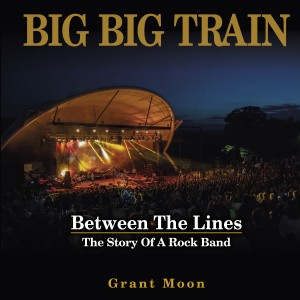
  • Grant Moon, Big Big Train – Between The Lines: The Story Of A Rock Band. How BBT became a prog powerhouse — through sheer bloody-mindedness, growth in craft and a keen ear for musical contributors — is the tale told in this richly detailed bio/coffee table tome. Both a celebration of the music made and an unflinching look at the price paid for a dream.

And in closing . . .

If you’re interested, check out these recordings I played or sang on that were released in 2022:

— Rick Krueger
Rick’s Quick Takes for July

In addition to this month’s new music, I’ve taken a few column inches to double back on “Blasts from the Past” — albums that I missed the first time around or haven’t heard in a while, but have become firm favorites as I discovered (or rediscovered) them during the first six months of this year. For new releases, purchasing links are embedded in each artist/title listing, with playlists or samples following each review as available; Blasts from the Past have listening links embedded in each album title.

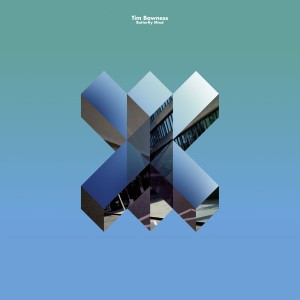
Tim Bowness, Butterfly Mind: As Bowness mentioned in his latest Progarchy interview, the concept of his 2020 album Late Night Laments‘ was of a fragile refuge, however imperfect, from current societal storms. Butterfly Mind drops those defenses, confronting protest (“We Feel”), polemics (“Only A Fool”), fear of the future (the album frame “Say Your Goodbyes”) and, yes, death (“About the Light That Hits the Forest Floor”) with Bowness’ typically thoughtful, allusive lyrics and rich, warmly delivered melodies. But there’s also a gritty energy welling up from the roots of the music (bassist Nick Beggs and drummer Richard Jupp are a fabulous rhythm section), toughening the musical tendrils nurtured by soloists like Jethro Tull’s Ian Anderson, Magazine’s Dave Formula, Big Big Train’s Greg Spawton and former No-Man bandmate Ben Coleman. Urgent art-rock that compels multiple listens, as beauty takes on today’s ugliness without flinching. Preorder now for August 5th release.

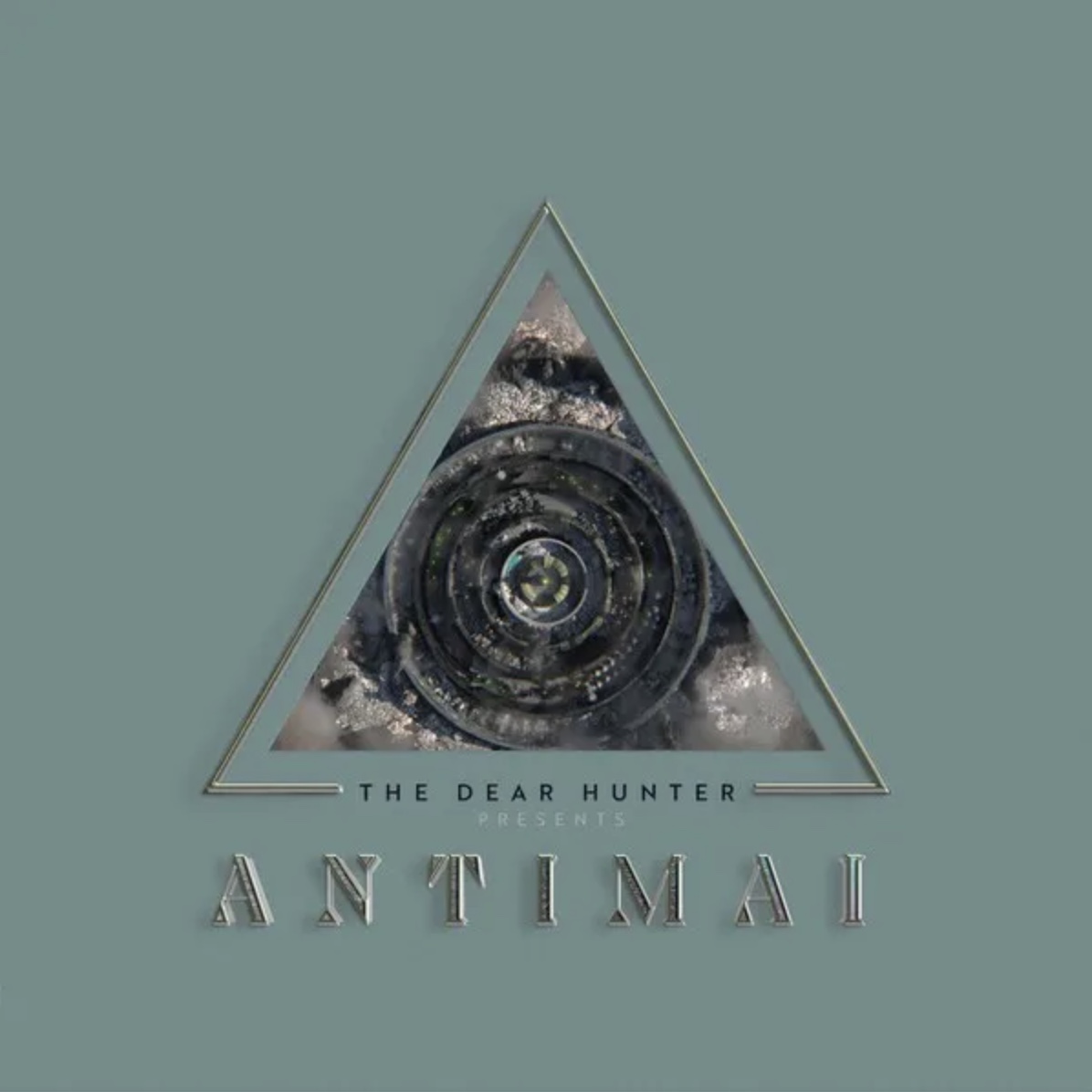
The Dear Hunter, Antimai: having cleansed their palette with 2017’s relatively straightforward All Is As All Should Be, Casey Crescenzo and his crew of emocore/musical theater/prog rockers settle in for some serious world-building. Exploring the dystopian culture that underlies Crescenzo’s short film The Indigo Child from bottom (“Ring 8 – Poverty”) to top (“Ring 1 – The Tower”), his lyrics portray the variations of despair, complacence, and self-deception each imagined caste falls prey to. Honestly, it’s the music that provides sharper differentiation between social strata, with surprising amounts of sonorous brass — plus jazz/funk, R&B and even hip-hop — snuggling alongside TDH’s trademark power chords, mallet percussion riffs and singalong choruses stacked with Beach-Boys-meet-Queen harmonies. It feels a bit like an aural version of a cinematic trilogy’s middle installment — lots of set-up, with the ultimate payoff beyond the horizon — but with TDH’s sonic and structural ambition clicking so often, Antimai is quite a dazzling trip.

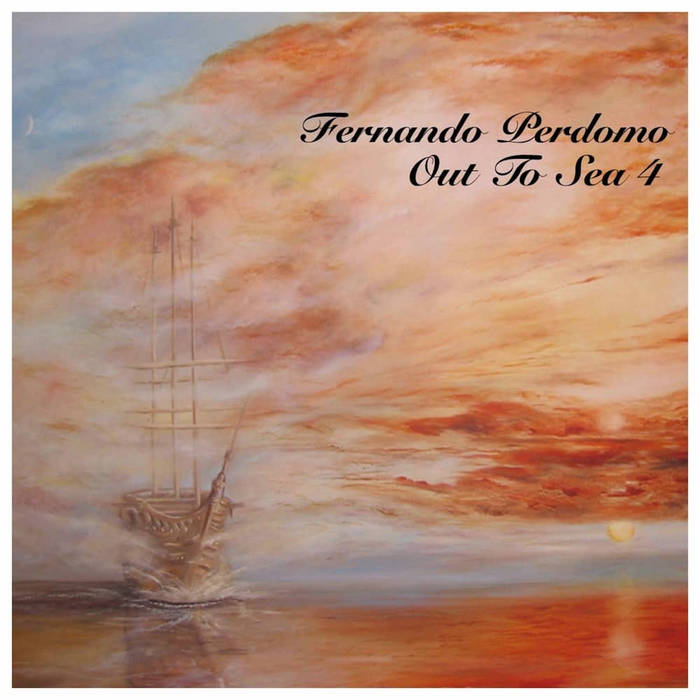
Fernando Perdomo, Out To Sea 4: Even with this year’s return of Cruise to the Edge (the series’ initial impetus), this fresh installment of nautically-themed prog instrumentals comes as a surprise — but then it did to Perdomo as well! Written in the heat of inspiration, his new compositions are sure-footed and energized from first to last, immediately appealing while packed with depth. Playing all the instruments, Perdomo lays down powerful, propulsive grooves on bass and drums and sets up sparkling, jangly chordal textures and fires off his arresting themes on guitar with confidence and aplomb. And his guitar solos! Never pat or predictable, always heartfelt and daringly executed, each solo is a ravishing song in itself. The only reason I haven’t mentioned any standout tracks: every single one is equally excellent. If you’ve heard Out To Sea 1, 2 and 3, you’ll definitely want this; if Fernando Perdomo’s name is new to you, you won’t regret giving OTS 4, the high water mark of a really fine run of albums, a spin.

Robert Berry’s 3.2 Alive at Progstock: Berry’s recent posthumous collaboration with Keith Emerson (an extension of his work with Emerson and Carl Palmer in the 1980s band 3) gave him renewed exposure and the chance to command prog festival stages in 2019. Surrounded by chops-heavy compadres Paul Keller, Andrew Colyer and Jimmy Keegan, he delivers with a thrilling mix of 3 and 3.2 highlights, prog classics as reimagined for 1990s tribute albums, solo tracks and even “Deck the Halls” a la 1980s Rush! Plus, Berry’s unpretentious spoken introductions, peaking behind the curtain to reveal how the music came to be, are nearly as riveting as the performances themselves. All in all, this CD/DVD set is a worthy showcase for a remarkably underrated musician, finally in the spotlight after decades behind the scenes. (Watch for a Progarchy interview with Berry about his next project, SiX By SiX, coming soon.)

Blasts From The Past:

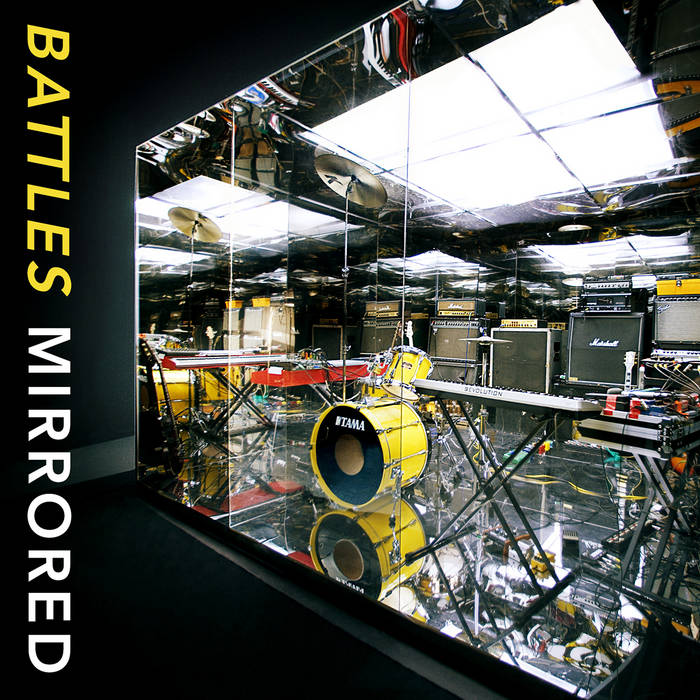
  • Battles caught my ear opening for Primus back in May; their first two albums, 2007’s Mirrored & 2011’s Gloss Drop, turned out to be especially exciting. Glitchy electronica that defies predictability with every asymmetric loop, candy-coated melody, whipsaw rhythmic shift, and whomping backbeat, with each album meant to be experienced in one extended go. As proggy as dance music gets!
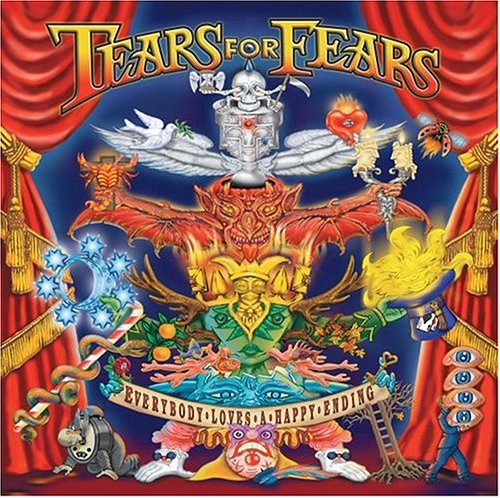
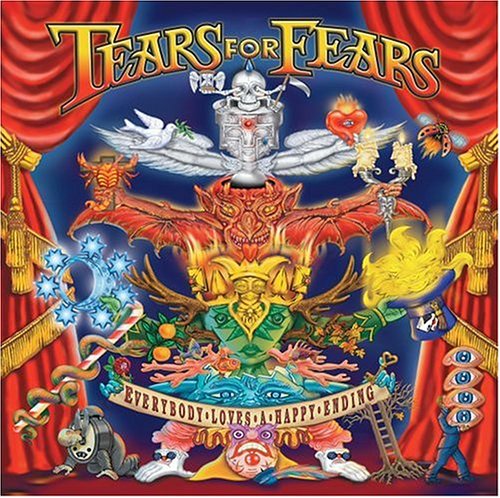
  • Tears For Fears’ The Tipping Point inspired a deep dive into the lesser known corners of their catalog. Roland Orzbaal and Curtis Smith’s 2004 reunion, Everybody Loves a Happy Ending (which I never heard at the time), lives up to the same high standards as their latest; unstoppable riffs and hooks abound in killer songs like “Call me Mellow”, “Who Killed Tangerine?” and the delectable “Ladybird”.
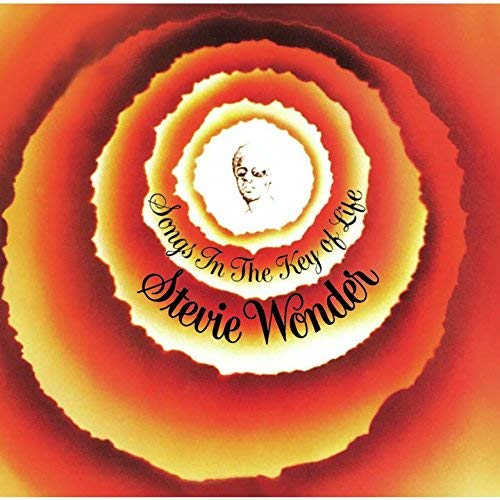
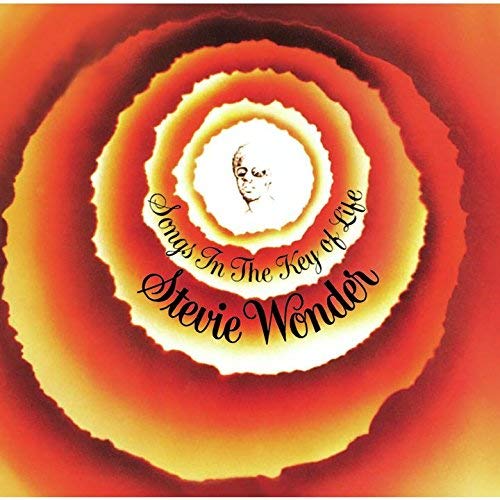
  • Andy Tillison’s reflections on soul music in his recent Progarchy interview sent me back to Stevie Wonder’s masterful 1970s albums, where Wonder blended soaring melodies, sophisticated chord structures, groundbreaking synthesizer work and heaping helpings of funk rhythms for one innovative, irresistible breakthrough after another. 1976’s Songs in the Key of Life remains Wonder’s most expansive, fascinating and welcoming classic, ranging from the swing of “Sir Duke” to the drive of “I Wish” and “Isn’t She Lovely” to the sardonic classical gas of “Pastime Paradise”. And the songs you don’t know from this double album are just as good — or often better! Sheer genius at its peak.

— Rick Krueger

Tim Bowness: The 2022 Progarchy Interview

Tim Bowness’ sterling new album Butterfly Mind — to be released after last-minute supply delays on August 5th — isn’t just his latest for InsideOut Music/Sony, it’s also his 40th anniversary release! Since 1982, Tim has made his mark in the music industry as a contributor to bands such as Plenty (2 albums of recently re-recorded material from their 1980s heyday) and No-Man (7 albums, including 2019’s comeback Love You to Bits), as the co-founder of the record label and online music shop Burning Shed, and as co-host of the podcast The Album Years with No-Man collaborator and long-time friend Steven Wilson. Oh, and he’s also released five of his six previous solo albums on InsideOut since 2014, all chock-full of thoughtful, provocative art-rock brought to life by the cream of today’s progressive musicians. Butterfly Mind continues Bowness’ hot streak while striking out in fresh, arresting directions.

This is also at least Tim’s fifth interview with us at Progarchy. This time around, as well as revealing how “shed envy”, George Orwell, and flavored milk drinks played into the creation of Butterfly Mind, Tim unpacks his philosophy of lyric writing, reacts to Steven Wilson’s memoir and brings us up to date on the latest challenges of running Burning Shed. A complete transcription follows the video below!

So, when last we spoke, and I think that was in 2020, you joked about doing nothing and emptying out your Hard Drive of Doom over the next couple years.  But here we are, in the run-up to yet another new album.  So, what was the impetus behind the songs that have become your new album, Butterfly Mind?

Well, I did actually have nine months of not writing anything; the same before Late Night Laments as well.  Basically, I didn’t write for about eight and nine months, and then I suddenly felt compelled to write.  Because before Late Night Laments, I’d been working on No-Man’s Love You to Bits, and that had taken us about a year.  That was a case of rewriting an existing piece and adding to it.  And Late Night Laments came out very much as an album in opposition to Love You to Bits, cause Love You to Bits had been this quite electronic, pummeling, beat-oriented work.  And I desperately wanted to do something quieter, more reflective.

And when I’d finished Late Night Laments, I really did have no ideas!  All I did for about nine months was record cover versions of songs for fun.  As you say, I got my Hard Drive of Doom out, I re-recorded some very old Plenty songs, and about nine months after that, I wrote a piece called “Lost Player”.  And the floodgates opened once again! 

So, within about four months, I’d written four or five pieces, several of which didn’t end up on the album.  Two were with Richard Barbieri, who is in Porcupine Tree, as I’m sure many of you might know.  And another was a track with [Plenty member] Brian [Hulse], which is ending up on the Japanese version of the album.  But it really kickstarted again, sort of October 2020, and I just suddenly felt the desire to write.  And if there was any motivation, it was again to do something different from what I’d done.

So, whereas Late Night Laments as an atmospheric album and it was quite consistently quiet, with this album I wanted to surprise myself and surprise the listener.

And I think you did!  Because it’s true; when I heard Butterfly Mind, it immediately seemed harder-edged – there’s experimental sonics; you’ve got some songs with multiple sections; there’s almost a sort of muted hysteria in terms of the subject matter.  But we can get to that in a bit.

On this album, instead of using that variety of players that you used on Flowers at The Scene and Late Night Laments, you’re building out from this core band – Brian Hulse on guitars and keys, Nick Beggs on bass and Stick, and Richard Jupp on drums.  How did that unit come together?

It came together in a variety of ways, really.  With Richard Jupp, I’d long been a fan of Elbow, and with him it was a case of shed envy!  I’d seen an article on him and his home studio, and he had this magnificent shed and home studio.  So, I contacted him, and obviously mentioned how much I liked his drumming as well.  I particularly liked it on the first couple of Elbow albums, where he’s a very versatile player who can do dynamic, and he can do quiet.  And luckily his teenage son, it turned out, was a fan of No-Man, Porcupine Tree and The Album Years, so he knew my work. 

So that’s how Richard got involved; I said, “would you be interested in playing with me?”  The session with Richard was great, because it was the first session after all the lockdowns in the UK.  And so we were in the studio together, working in real time on the music.  So, it’s very exciting!  And he definitely went above and beyond what I’d expected.  Because originally, he was planned to be on maybe half the album.  But he heard certain tracks like “Always the Stranger” and said, “I’ve got to play on this; let me play on this!”  So, it was really good!

Nick Beggs came about because as much as I love the players I’d been using on my previous albums — Colin Edwin, John Jowett, they’re both incredibly gifted.  And I’ll continue to work with them; in fact, I’ve worked with Colin since I completed this album.  I wanted something different; I wanted a different kind of energy.  I mentioned this to Steven Wilson and he said, “Nick Beggs would be my choice.”  So, then I approached Nick Beggs, and luckily he agreed. 

So, yeah, it comes from a core group working on the song, then finding the right solo instrumentalists.  People like Ian Anderson and Dave Formula, who are on the album.

Yes, and I noticed that here are plenty of cameos – you mentioned Ian Anderson; Peter Hammill comes in on guitar and vocals for a couple of tracks again; Greg Spawton plays bass pedals that don’t sound like bass pedals, so that’s kind of fun. 

[Laughs] Yeah, it’s true!

But the biggest news that I saw in terms of guest shots was Ben Coleman playing some violin.    What led the two of you to team up again?  As I understand it, it’s the first time you’ve been in the studio together since No-Man’s initial heyday.

Yeah, it’s the first time since 1993, so 29 years!   I think in the case with a lot of the players, such as Ian Anderson, it’s because I felt like it required that flute solo voice.  And Ian plays on three tracks; one of them isn’t on the album, it’s on the outtakes CD, which is the second disc of the CD version.

And so really, it was finding the players I thought were appropriate for the piece.  And Dave Formula is somebody whose music I’ve loved for many years.  He was in a band called Magazine, who were very big when I was at school, and then he was also in a band Visage, who were also very big as well.  But he’s a tremendous Hammond organ and synth player, who has been around actually since the mid-60s.  He’s the same age as Ian Anderson, even though his heyday was in the early 1980s, with people like Visage and Magazine!

So generally speaking, I found people whose music I felt resonated with mine, and I felt they’d be able to bring something out of the material.  And the same goes for younger artists.   Like Martha Goddard, who sings backing vocals on three tracks, and Mark Tranmer, who is a wonderful guitarist who’s in a band called The Montgolfier Brothers.
And with Ben Coleman, it was because I could hear violin on two of the track; I could suddenly hear that classic No-Man sound!  I just got in touch with him, and luckily, he was interested.  He contributed to three or four of the tracks on the album in the end.  And it was glorious – as soon as he started playing, it was that sound!
Yes, yes it is!  It’s absolutely unmistakable!  So let’s dig into subject matter a little bit more.  The first time I heard “We Feel” and “Only A Fool” they were genuinely scary to me!  And I also know that you never want to connect all the dots for us; you want us to take away our own meaning.  Or our own perception of what you’re trying to say in these songs.  But what clues are you leaving for us to decipher?

Continue reading “Tim Bowness: The 2022 Progarchy Interview”

Rick’s Quick Takes for February

Brought to you (mostly) by the letter B! Purchasing links are embedded in the artist/title listing; a sample follows each review.

Dave Bainbridge, To The Far Away: put simply, a thrilling, ravishingly beautiful album. Separated from his fiancée on the eve of their wedding by the COVID pandemic, guitarist/keyboardist Bainbridge focused on the essentials — love and the longing it stirs, the beauty of the world and the changing seasons, the desire for hope and a future. Poet Lynn Caldwell’s words (movingly sung by Sally Minnear and Iain Hornal) capture these themes with rich simplicity, cradled in a lush orchestral blend of rock, prog and Celtic folk. Often evoking the palette of his breakthrough band Iona, Bainbridge and a stellar group of collaborators grab your attention and your heartstrings again and again, whether on the dramatic instrumental “Rain and Sun”, the epic paean to the creative spirit “Ghost Light”, the classically-tinged rhapsody “Infinitude (Region of the Stars)” or the yearning sprint of “Speed Your Journey”. Already one of my favorites of 2022, and recommended without hesitation. (And check out our extensive interview with Dave here.)

Continue reading “Rick’s Quick Takes for February”

Tim Bowness, Brian Hulse, and David K. Jones Set to Release Latest Plenty Album

Press Release:

Plenty - Enough

Formed in 1986 from the ashes of Liverpool-based post-punk band A Better Mousetrap and Warringtonian art rockers After The Stranger, Plenty was a group that featured singer Tim Bowness immediately prior to him hooking up with multi-instrumentalist Steven Wilson to found No-Man.

Echoing then contemporary artists such as The Blue Nile, It’s Immaterial, The Chameleons, David Sylvian and Talk Talk – as well as the iconic likes of David Bowie, Eno/Roxy Music, Peter Gabriel and Kate Bush – Plenty alternated between anthemic indie-pop, poignant ballads and electronic experiments. In 2018, Bowness and fellow original Plenty members Brian Hulse and David K Jones reunited to record and release the well received album ‘It Could Be Home’.

‘Enough’ is a brand new 2xCD that comprises two 2021 ‘lockdown’ projects plus the first ever release of seven original demos recorded in the ‘80s. Harder hitting and more diverse than its predecessor, ‘Old’ is a mini-album consisting of seven contemporary interpretations of 1980’s Plenty songs not included on the reunion record. ‘Borrowed’ is an EP of five cover versions that sees the trio stamp its identity on songs by It’s Immaterial, Suzanne Vega (wherein despair takes a trip to the Euro disco), The Teardrop Explodes, Kevin Coyne and Hank Williams (in what may be the most English slice of Americana ever!). ‘Older’ features seven original Plenty demos dating from 1986 to 1990, with several songs containing lyrical ideas later utilised by No-Man.

https://youtu.be/LDCBtGIB7sY

Something old, something borrowed, but all blue, ‘Enough’ showcases the origins of styles that subsequently became Bowness and No-Man trademarks and reveals different facets to his distinctive vocal technique. The powerful bass playing of Jones and inventive guitar parts and pulsating electronics from Hulse also push Bowness into territories he’s rarely explored since the 1980’s.

A video for a re-recording of the first ever Plenty song, ‘Forest Almost Burning’, has just been made available. Bowness explains that the original “was one of the first pieces of mine that I sent to Steven Wilson and it ended up being included on Steven’s compilation album ‘Double Exposure’ [released in 1988]. It was also enough to convince Steven he’d like to work with me, and it became a part of our early No-Man live sets.” Both versions of the track appear on ‘Enough’.

The artwork for ‘Enough’ is by Carl Glover and the 2xCD booklet includes extensive  sleeve notes by Tim Bowness.

PLENTY
Tim Bowness – vocals, backing vocals, FX
Brian Hulse – guitars, pianos, synths, drum programming
David K Jones – bass, fretless bass, double bass, bass pedals
+
GUEST MUSICIANS
Tom Atherton – drums
Michael Bearpark – guitars, fretless bass
Peter Chilvers – piano, synths
Charles Grimsdale – drums  

https://plentymusic.bandcamp.com
https://burningshed.com/plenty_enough_cd

The Progarchy Interview: Tim Bowness, Part Two

In Part One of this interview, we dug deep with Tim Bowness about his latest album, Late Night Laments, released by Inside Out on August 28.  Our concluding segment has more about the new album, but also catches up on Tim’s other recent projects, as well as an update on Progarchy’s favorite online music shop, Burning Shed.  As with Part One, a transcription follows the jump.

Continue reading “The Progarchy Interview: Tim Bowness, Part Two”

The Progarchy Interview: Tim Bowness, Part One

Tim Bowness is no stranger to Progarchy: he’s graced us with multiple interviews over the years, including a three part epic in early 2019.  Back then, we talked about his stylish, enticing album Flowers At The Scene, which made my list of favorites for the year.

Tim’s latest effort, Late Night Laments, is released on CD and LP (available on both regular and transparent blue vinyl) by InsideOut Music on August 28.  As on Flowers At The Scene, Bowness’ songs delve into the psyches of protagonists at the end of their rope, framing their desperation with lush, atmospheric textures — but this time around, subtle variations in soundscapes and storytelling both sharpen the focus and broaden the impact of the music.   Paradoxically, it’s a subdued, concentrated listening experience that packs an intense emotional punch.

I was grateful to speak with Tim via online video this time around; as before, he was glad to talk about his multiple musical endeavors and generous with his time.  In Part One of the interview, we focus on Late Night Laments; a transcription follows after the jump.

Continue reading “The Progarchy Interview: Tim Bowness, Part One”

“An Accidental Musician”: Judy Dyble, 1949-2020

Judy Dyble, whose crystalline vocals were key contributions to the early days of folk-rock legends Fairport Convention and progressive pioneers King Crimson, has died at the age of 71, following a late-life musical renaissance as a solo artist.

Dyble, who titled her 2016 memoir An Accidental Musician, grew up in North London. Drawn to the ferment of the Smoke’s music scene, she fell in with Ashley Hutchings, Simon Nicol, Martin Lamble, fellow singer Ian Matthews and Richard Thompson, who eventually became Fairport Convention.  Their kick-off single “If I Had a Ribbon Bow”, a oddball update of a 1940s big band shuffle, was a prime example of the early Fairport’s wildly eclectic style:

The band’s first self-titled album from 1968 featured a vivid mix of originals and covers (of Bob Dylan and Joni Mitchell among others), but Dyble was shuffled out of the band soon after, briefly joining an embryonic version of King Crimson (then trading as Giles, Giles and Fripp):

Following a final stint with cult duo Trader Horne, Dyble drifted away from singing, marrying music critic/record shop owner Simon Stable, then moving to the country and raising a family.  Invited to the occasional Fairport Convention reunion at the Cropredy Festival, she began singing in public again after her husband’s death.  A trilogy of electronica-based collaborations with Australasia’s Marc Swordfish eased Dyble back into songwriting — which led to 2009’s marvelous Talking with Strangers, co-produced by Tim Bowness of No-Man and Alistair Murphy (aka the Curator) and featuring contributions from Nicol, Fripp, and a starry host of other guests on the acoustic-prog epic “Harpsong.”

Further solo albums and guest appearances followed, including a vocal on Big Big Train’s “The Ivy Gate” from the Grimspound album.   Her latest effort Between a Breath and a Breath, a collaboration with David Longdon featuring contributions from the rest of BBT, has just been announced as a late September release.  While fighting her final illness, Dyble penned these reflections on the new album, showing both her unquenchable spirit and her wickedly impish sense of humor:  

The lyrics for these songs virtually wrote themselves, with minor tweaks, as music grew around them. All were written before I was diagnosed and before the dreadful virus stamped its footprint on our world.

“Quite a few of my lyrics have a touch of sadness about them but always with an optimism for the future and a desire to know what happens next. France, Whisper and Obedience tell stories suggested in conversations and Between A Breath And A Breath is sheer magic. Astrologers was a simple ‘Hmmpph! Stop it!, while Heartwashing and Tidying Away were just poems which wrote themselves.

David Longdon has written a tribute to Dyble which appears on the front page of Big Big Train’s website.  Two songs from the Dyble/Longdon sessions not included on Between a Breath and a Breath will be released as Bandcamp downloads later this year, with proceeds benefiting Dyble’s favorite charity, The Barley Greyhound Sanctuary.  A selection of Dyble’s albums (including a freshly released live recording from 2016, Weavings of a Silver Magic) are most easily available from Burning Shed and Amazon UK.

Oddly enough, I’d been celebrating the upcoming release of Between a Breath and a Breath last night, listening to Talking with Strangers again and re-reading An Accidental Musician.  So Dyble’s final words in her memoir have an uncanny resonance today:

There may be trouble ahead, but while there’s poetry and starlight and mellow autumn colour in the woods and a dog at my side, I’ll face the music and slightly dance.  To be continued.  I expect …

For all those who sorrow at Judy Dyble’s passing, I wish them comfort as they remember her life with gratitude, as well as continued delight in the beautiful music she made.


— Rick Krueger